Yan Wang

Yan Wang's profile picture
yan.wang@me.gatech.edu

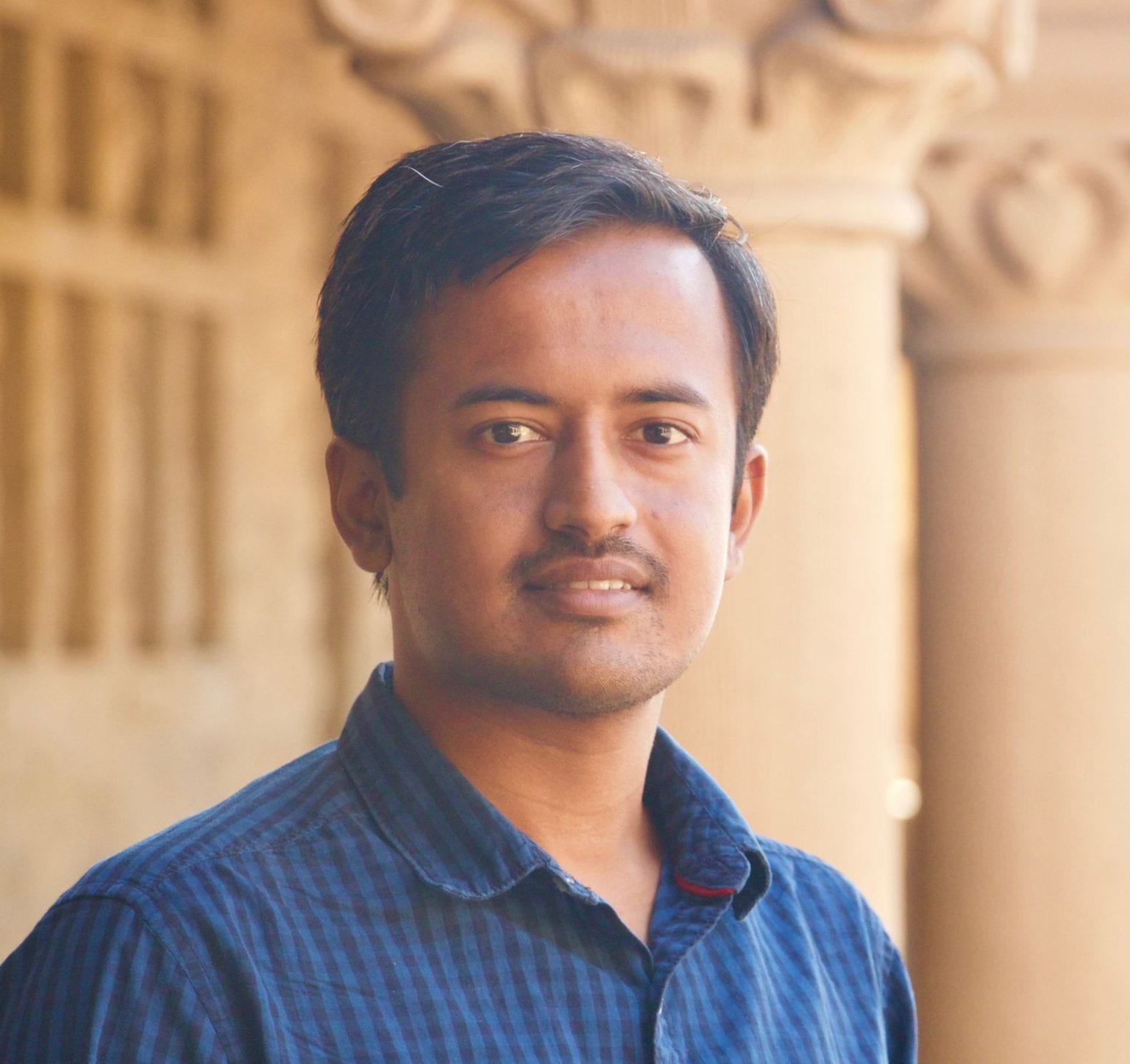
Wang's research is in the areas of design, manufacturing, and Integrated computational materials engineering. He is interested in computer-aided design, geometric modeling and processing, computer-aided manufacturing, multiscale simulation, and uncertainty quantification.

Currently, Wang studies integrated product-materials design and manufacturing process design, where process-structure-property relationships are established with physics-based data-driven approaches for design optimization. The Multiscale Systems Engineering research group led by him develops new methodologies and computational schemes to solve the technical challenges of high dimensionality, high complexity, and uncertainty associated with product, process, and systems design at multiple length and time scales.

Computational design tools for multiscale systems with sizes ranging from nanometers to kilometers will be indispensable for engineers' daily work in the near future. The research mission of the Multiscale Systems Engineering group is to create new modeling and simulation mechanisms and tools with underlying scientific rigor that are suitable for multiscale systems engineering for better and faster product innovation. Our education mission is to train engineers of the future to gain necessary knowledge as well as analytical, computational, communication, and self-learning skills for future work in a collaborative environment as knowledge creators and integrators. 

Professor, Woodruff School of Mechanical Engineering
Phone
404.894.4714
Office
Callaway 472
Additional Research

Computer-aided engineering and design and manufacturing, modeling and simulation, nanoscale cad/cam/cae, product lifecycle management, applied algorithms, uncertainty modeling, multiscale modeling, materials design

Google Scholar
https://scholar.google.com/citations?hl=en&user=rK2ow1kAAAAJ&view_op=list_works&sortby=pubdate

Christopher Muhlstein

Christopher Muhlstein's profile picture
christopher.muhlstein@mse.gatech.edu

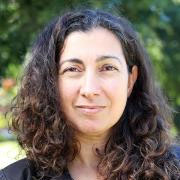
Muhlstein has worked as an engineering consultant at Exponent, Inc. (Failure Analysis Associates). In September, 2002 he joined the faculty in the Department of Materials Science and Engineering at The Pennsylvania State University and was tenured and promoted to associate professor in 2008.

 Muhlstein’s research focuses on understanding the mechanisms of fracture and fatigue in bulk and thin film materials. Muhlstein is a member of Alpha Sigma Mu and Keramos honor societies and an NSF CAREER award recipient. In 2007 he was also named the Corning Research Faculty Fellow in Materials Science and Engineering at The Pennsylvania State University. 

Associate Professor, School of Materials Science and Engineering
Associate Director, MPRL
Phone
404.385.1235
Office
Love 274
Additional Research

Fracture and Fatigue; Thin Films; Polymeric Composites; Advanced Characterization; Nanomaterials; Structural Materials; Paper & Board Mechanics; Biomaterials; Nanocellulose Applications; Biocomposites; New Materials

Kyriaki Kalaitzidou

Kyriaki Kalaitzidou's profile picture
kyriaki.kalaitzidou@me.gatech.edu

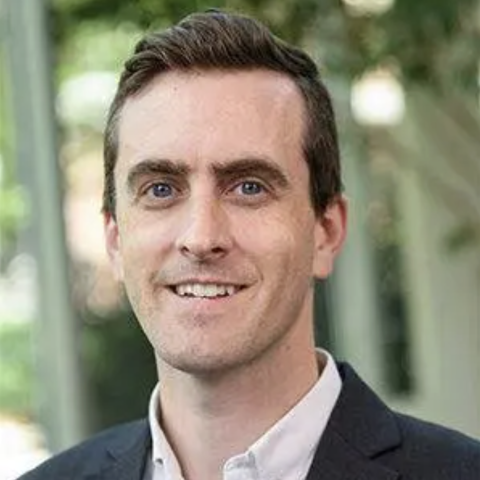
Kalaitzidou joined Georgia Tech as an assistant professor in the G.W. Woodruff School of Mechanical Engineering in November of 2007. She also holds an adjunct appointment in the School of Materials Science and Engineering. She obtained her Ph.D. in manufacturing and characterization of polymer nanocomposites (PNCs) from Michigan State University and worked as a post-doctoral researcher on mechanics of soft materials in the Polymer Science and Engineering Department at University of Massachusetts, Amherst. She was promoted to professor in 2019 and was also named a Rae S. and Frank H. Neely Professor in the same year. In November 2019 Kalaitzidou was named the Associate Chair for Faculty Development.

Rae S. and Frank H. Neely Professor, Woodruff School of Mechanical Engineering
Associate Chair for Faculty Development, Woodruff School of Mechanical Engineering
IMat Initiative Lead | Circularity of Biopolymers
Phone
404.385.3446
Office
MARC Building Room 38
Additional Research

Additive/Advanced Manufacturing; multifunctional materials; Nanocomposites; Polymers; Surfaces and Interfaces; Manufacturing; Mechanics of Materials; Biomaterials

Google Scholar
https://scholar.google.com/citations?hl=en&user=RZvLH5QAAAAJ&view_op=list_works&sortby=pubdate

Ryan Lively

Ryan Lively's profile picture
ryan.lively@chbe.gatech.edu

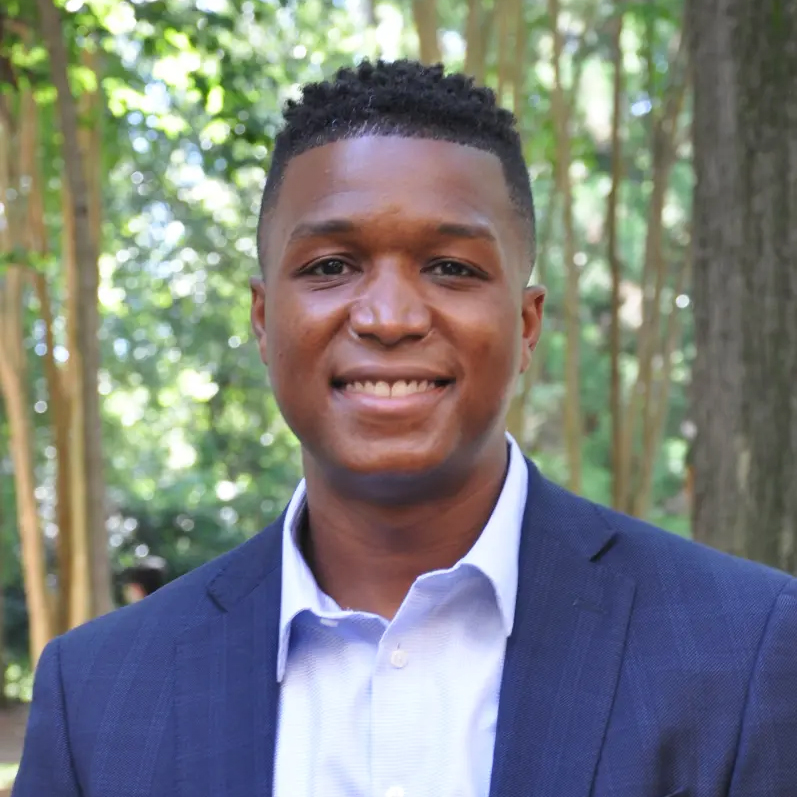
Ryan Lively was born in 1984. He spent approximately 16 years in Gainesville, FL and attended almost every home football game at The Swamp. He enrolled at Georgia Tech in 2002 as an eager Chemical Engineering student and has been a Yellow Jacket at heart ever since. During his studies at Georgia Tech, Ryan worked on research projects as diverse as ab initio quantum mechanical methods to estimate molecular binding energies, fresh Georgia peach preservation, composite spinneret design, dual-layer hollow fiber membrane spinning, and sorbent-loaded fiber spinning. Ryan introduced a rapid temperature swing adsorption (RTSA) approach for post-combustion CO2 capture, which was successfully demonstrated by adapting knowledge developed in membrane science to design unique nanoscale composite adsorbent/heat exchangers. After his Ph.D. (awarded in 2010), he spent almost 3 years as a post-doctoral research engineer at Algenol Biofuels, where he published 25 papers and filed two U.S. patent applications. His work at Algenol focused on developing energy-efficient liquid and vapor separation systems for downstream biofuel purification. 

He is now the Thomas C. DeLoach Professor in the School of Chemical & Biomolecular Engineering at the Georgia Institute of Technology. His current research seeks to revolutionize fluid separation processes critical to the global energy and carbon infrastructure. He has a specific focus on membrane- and adsorbent-based science and technology to address some of the most difficult chemical separations. His group’s research activities range from fundamental material science and discovery to translational engineering applications focusing on making and testing separation devices. 

Ryan has received a variety of awards for his research efforts including the 2020 Allan P. Colburn Award from AIChE, and the 2022 Curtis W. McGraw Award from ASEE. He is currently an Editor for the Journal of Membrane Science and is the Secretary of the North American Membrane Society. He is the Director of the Center for Understanding & Controlling Accelerated and Gradual Evolution of Materials for Energy (UNCAGE-ME), an Energy Frontier Research Center of the US Department of Energy. He has over 160 publications in the field of separations including articles in Science, Nature and other impactful venues.

Professor, School of Chemical and Biomolecular Engineering
Thomas C. DeLoach Jr. Endowed Professorship
Phone
(404) 894-8795
Additional Research

Biofuels; Carbon Capture; Separations Technology; Membranes; Adsorbents;Polymers; Microporous Materials

Google Scholar
https://scholar.google.com/citations?hl=en&user=1ktJriEAAAAJ&view_op=list_works&sortby=pubdate

Joe F. Bozeman III

Joe F. Bozeman III's profile picture
joe.bozeman@ce.gatech.edu
Assistant Professor, Civil and Environmental Engineering, Public Policy
SEI Lead: Ethics in Energy Transition
Additional Research

industrial ecology; climate change adaptation and mitigation strategies; sociodemographic impacts of the food-energy-water nexus; ethical applications in energy and environmental systems; urban carbon management strategies; life cycle assessment; scenario analysis; and survey administration; addressing the complex and ‘wicked’ challenges of our time

Pamela Peralta-Yahya

Pamela Peralta-Yahya's profile picture
pperalta-yahya@chemistry.gatech.edu

Peralta-Yahya has been part of Georgia Tech since 2012. Her diverse research group composed of chemists, biologists, and chemical engineers works in the area of engineering biology, drawing from principles of biochemistry and engineering to build systems for chemical detection and production. Specifically, her group focuses on the development of G protein-coupled receptors for biotechnology and biomedical applications, and the engineering of biological systems for the production of fuels and functionalized plant natural products. Early on, her work was recognized with several awards including a DARPA Young Faculty Award, a DuPont Young Professor Award, a Kavli Fellowship by the US Academy of Science, and an NIH MIRA award. Her group’s key accomplishments are 1) the standardization of GPCR-based sensors in yeast to reduce the cost and accelerate the pace of drug discovery for these receptors, which are the target of over 30% of FDA approved drugs, and 2) the development of advanced biofuels, including pinene, which, when dimerized, has sufficient energy content to power rockets and missiles.  Today, her group is funded to work on these and other cutting edge areas – including how to power a rocket returning from Mars and how to make synthetic cells learn without evolution – by the National Institutes of Health, the National Science Foundation, the Department of Energy, and NASA.

Associate Professor, School of Chemistry and Biochemistry
Phone
404.894.4228
Office
MoSE 2100P
Additional Research

Bio-Inspired Materials; Biofuels; Cell biophysics; Cellular Materials; Biochemistry; Biomanufacturing; Energy; Biomaterials

Google Scholar
https://scholar.google.com/citations?hl=en&user=yUlt4sYAAAAJ&view_op=list_works&sortby=pubdate

Carsten Sievers

Carsten Sievers's profile picture
carsten.sievers@chbe.gatech.edu

Sievers’ research interests are in heterogeneous catalysis, reactor design, applied spectroscopy, and characterization and synthesis of solid materials. Combining these interests he seeks to develop processes for the production of fuels and chemicals. His research program combines fundamental and applied research.

In fundamental studies, a suite of analytical and spectroscopic techniques (e.g. IR, NMR) is used to gain knowledge on structure-reactivity relationships of heterogeneous catalysts. Moreover, surface reactions are studied on a molecular level to identify reaction pathways over different catalysts. Information obtained from these studies provides the foundation for designing innovative catalysts.

Applied studies focus specific catalytic processes. For these projects, continuously operated flow reactor systems are designed. Different catalysts are tested for reactivity, selectivity and stability and the influence of the operating conditions is investigated. Catalyst deactivation is studied in detail to develop suitable regeneration methods or to avoid deactivation entirely by improved catalyst design. Specific projects include hydrodeoxygenation of pyrolysis oils, selective hydration of polyols, conversion of sugars into lactic acid and ethylene glycol, and selective oxidation of methane.

An important goal of Sievers’ research is to enable technology for utilization of alternative resources in order to reduce the current dependence of oil. Among these biomass is a particularly promising candidate because it is renewable and can be produced CO2 neutral.

Sievers has contributed to 80 peer reviewed publications on heterogeneous catalysis in petroleum refining (isobutane/2-butene alkylation, fluid catalytic cracking, hydrotreating), alkane activation, supported ionic liquid as catalysts for fine chemical synthesis, and biomass processing.  He is Director and Past President of the Southeastern Catalysis Society, former Program Chair and Director of the ACS Division of Catalysis Technology & Engineering, former Director of the AIChE Division of Catalysis and Reaction Engineering, and Editor of Applied Catalysis A: General.

Professor, School of Chemical and Biomolecular Engineering
Phone
404.385.7685
Office
ES&T 2218
Additional Research

Biomass; Biofuels; Catalysis; Advanced Characterization; Gasification; Biorefining; Lignin Upgrading; Catalysis; Energy & Water; Separation Technologies; Chemical Feedstocks; Sugars; Lignin & Hemicellulose

Google Scholar
https://scholar.google.com/citations?hl=en&user=qeq3njwAAAAJ&view_op=list_works&sortby=pubdate

Christos E. Athanasiou

Christos E. Athanasiou's profile picture
athanasiou@gatech.edu

Christos Athanasiou is an Assistant Professor at Georgia Tech's Daniel Guggenheim School of Aerospace Engineering, leading the Daedalus Lab. The lab's mission is to advance science and technology in biological and man-made systems for tackling grand social and environmental challenges with a major focus on energy storage, environmental remediation, and sustainable space exploration. Christos holds a Ph.D. in Photonics from EPFL. Initially, he carried out postdoctoral research at Brown University's School of Engineering, and later jointly at Brown University and MIT Media Lab.

Assistant Professor
Additional Research

Disciplines:Structural Mechanics & MaterialsAE Multidisciplinary Research Areas:Large-Scale Computations, Data, and AnalyticsMechanics of Multifunctional Structures and MaterialsSpace Exploration and Earth MonitoringSustainable Transportation and Energy Systems

Research Focus Areas

Matthew Realff

Matthew Realff's profile picture
matthew.realff@chbe.gatech.edu

Dr. Realff’s broad research interests are in the areas of process design, simulation, and scheduling. His current research is focused on the design and operation of processes that minimize waste production by recovery of useful products from waste streams, and the design of processes based on biomass inputs. In particular, he is interested in carbon capture processes both from flue gas and dilute capture from air as well as the analysis and design of processes that use biomass.

BBISS Faculty Director for Interdisciplinary Sustainability Education
Professor, School of Chemical and Biomolecular Engineering
David Wang Sr. Fellow
SEI Senior Advisor: Circular Carbon Economy; RBI Lead: Next Generation Refinery
Phone
(404) 894-1834
Additional Research

Biofuels; Carbon Capture; Separations Technology; System Design & Optimization; SMART Manufacturing; Energy & Water; Separation Technologies; Biochemicals; Chemical Feedstocks; Sugars; Lignin & Hemicellulose; Biofuels

Matthew McDowell

Matthew McDowell's profile picture
mattmcdowell@gatech.edu

Matthew McDowell joined Georgia Tech in the fall of 2015 as an assistant professor with a joint appointment in the George W. Woodruff School of Mechanical Engineering and the School of Materials Science and Engineering. Prior to this appointment, he was a postdoctoral scholar in the Division of Chemistry and Chemical Engineering at the California Institute of Technology. McDowell received his Ph.D. in 2013 from the Department of Materials Science and Engineering at Stanford University.

McDowell’s research group focuses on understanding how materials for energy and electronic devices change and transform during operation, and how these transformations impact properties. The group uses in situ experimental techniques to probe materials transformations under realistic conditions. The fundamental scientific advances made by the group guide the engineering of materials for breakthrough new devices. Current projects in the group are focused on i) electrode materials for alkali ion batteries, ii) materials for solid-state batteries, iii) interfaces in chalcogenide materials for electronics and catalysis, and iv) new methods for creating nanostructured metals.

Professor, Woodruff School of Mechanical Engineering
Woodruff Faculty Fellow
Director, Georgia Tech Advanced Battery Center
SEI Senior Advisor: Energy Storage
Phone
404.894.8341
Office
MRDC 4408
Additional Research

Batteries; Nanostructured Materials; Composites; Fabrication; Energy Storage; Thermal Systems

Google Scholar
https://scholar.google.com/citations?hl=en&user=VRZVDH8AAAAJ&view_op=list_works&sortby=pubdate