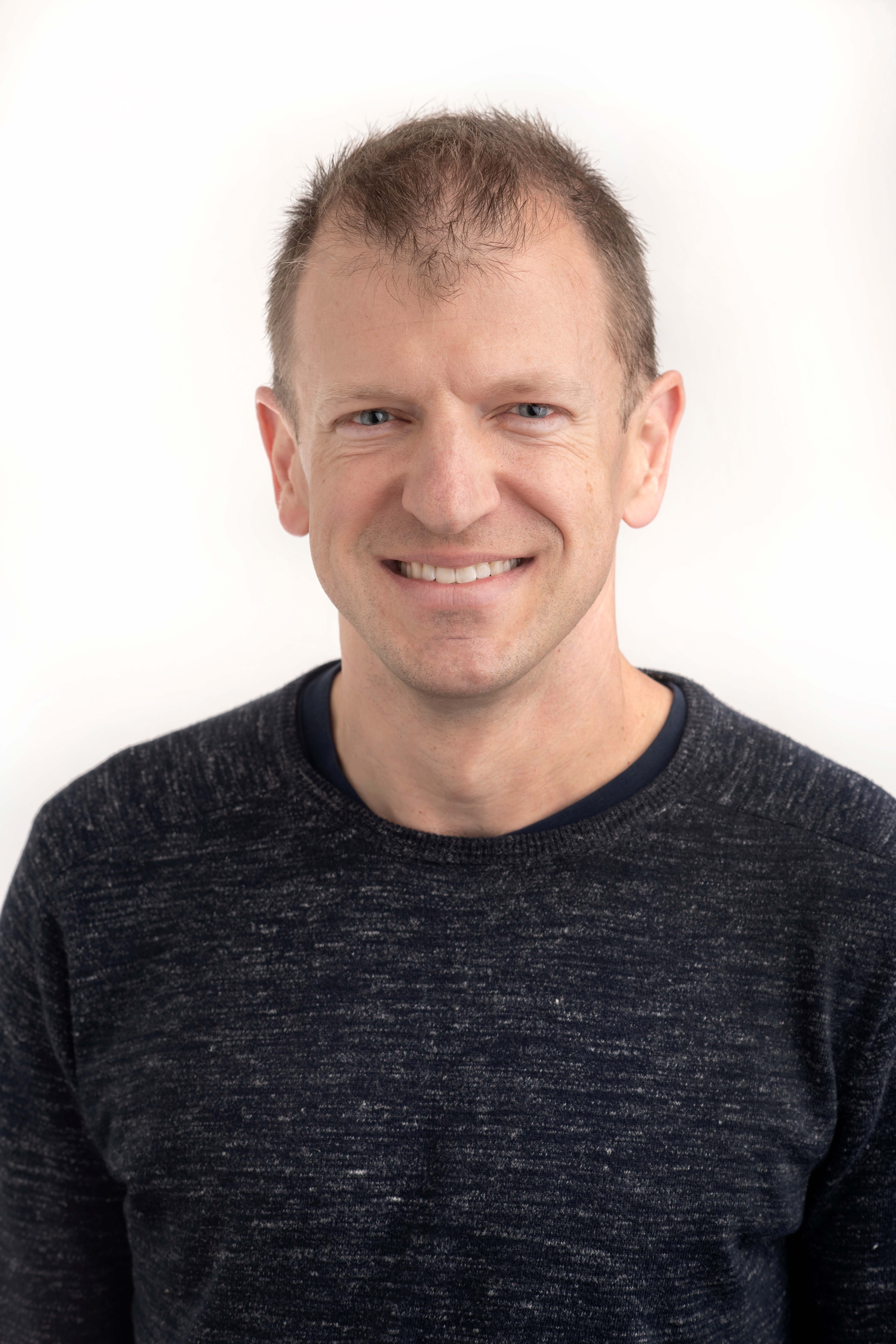
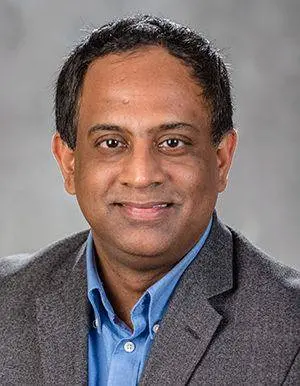
Joseph Scott

Joseph Scott's profile picture
jscott319@gatech.edu

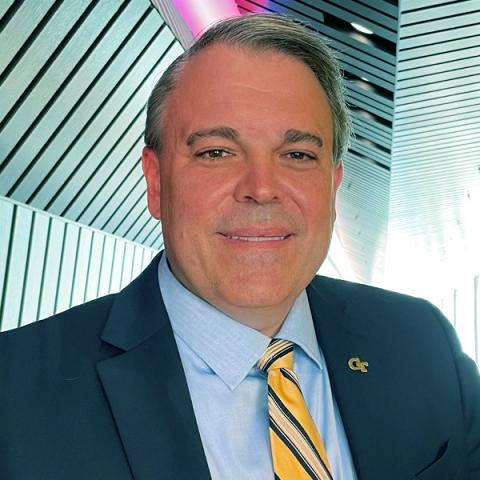
Joseph K. Scott is an associate professor in the School of Chemical and Biomolecular Engineering at the Georgia Institute of Technology. He received his BS from Wayne State Univ. and his MS and PhD from the Massachusetts Institute of Technology (MIT), all in chemical engineering. His honors include the 2012 Best Paper Award from the Journal of Global Optimization, the 2016 W. David Smith, Jr. Award from the Computing and Systems Technology Div. of AIChE, the 2014–2016 Automatica Paper Prize from the International Federation of Automatic Control, and the 2016 Air Force Young Investigator Research Program Award. His research interests include process modeling and simulation, dynamic systems, process control, and optimization theory and algorithms.

Associate Professor
Additional Research

Optimization theory and algorithms (global, dynamic, stochastic, etc.), control theory and algorithms (MPC, set-based estimation, reachability analysis, fault detection), and process modeling and simulation. Current applications include pressure swing adsorption, membrane reactors, renewable energy systems, AC power flow, aircraft flight dynamics, and robot motion planning.

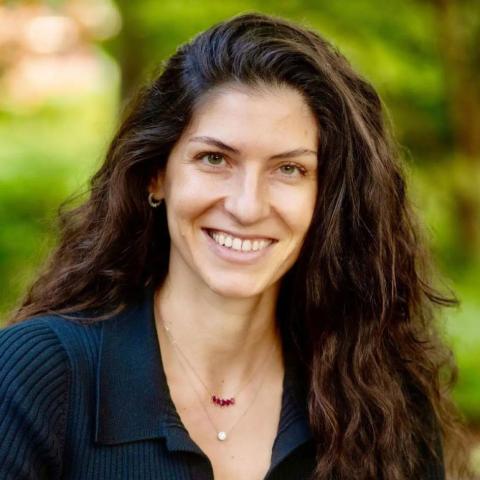
Jake Soper

Jake Soper's profile picture
jake.soper@chemistry.gatech.edu

Jake D. Soper is an Associate Professor in the School of Chemistry and Biochemistry at the Georgia Institute of Technology. Prof. Soper’s research program is a hybrid of organometallic and inorganic coordination chemistry, at the forefront of an emerging area that uses redox-active ligand complexes for redox control in bond activation and functionalization reactions. His research focuses on the development of new homogeneous catalysts for selective transformations of small molecules, with particular emphasis on multielectron reactions relevant to organic synthesis and energy conversion and storage. Recent research accomplishments include the rational design of Earth-abundant metal catalysts to functionally mimic palladium in coupling catalysis cycles and the demonstration of redox-active ligand-meditated radical control in catalytic dioxygen activation and oxygen atom transfer reactions. This research has appeared in top peer-reviewed chemistry journals, including the Journal of the American Chemical Society and Inorganic Chemistry. Prof. Soper has also been an invited contributor to special issues of the European Journal of Inorganic Chemistry on Cooperative & Redox Non-Innocent Ligands in Directing Organometallic Chemistry and an Inorganic Chemistry Forum on Redox-Active Ligands, consisting of “papers from leading scientists on a multidisciplinary topic of growing interest. His recent development of redox-active ligand-mediated cobalt cross coupling catalysis was hailed as a “breakthrough in the field” in a 2011 Highlights feature in Angewandte Chemie International Edition. 

Prof. Soper earned a B.S. degree in chemistry from Western Washington University in 1998 and a Ph.D. in inorganic chemistry from the University of Washington in 2003. His graduate research was performed under the direction of Prof. James M. Mayer. He was subsequently an NIH Ruth L. Kirchstein Postdoctoral Fellow in the laboratories of Prof. Daniel G. Nocera at the Massachusetts Institute of Technology. In 2009 his independent research was honored with an NSF CAREER award and a DARPA Young Faculty Award (YFA). During his tenure at Georgia Tech, he has been invited to speak at 30 universities and 12 conferences, including four Gordon Research Conferences. He was the corresponding organizer of a symposium on modern redox-active ligand chemistry that was presented at the International Chemical Congress of Pacific Basin Societies, Pacifichem 2010. He created and directs the Georgia Tech–Westlake HS Energy Challenge Program, for which he received the 2010 Georgia Tech Faculty Award for Academic Outreach.

Associate Professor and Associate Chair for Operations
Additional Research

Solutions to outstanding problems in benchtop-scale organic synthesis, pharmaceuticals and commodity chemicals production, petroleum manufacturing, and energy generation and storage all hinge on the development of new methods to selectively transform the chemical bonds in small molecules. Because selectivity in redox bond activation and functionalization reactions typically derives from 1e– versus 2e– redox control, the function of most synthetically useful transition metal catalysts is to mediate 2e– bond making and breaking while suppressing potentially competing 1e– reactions.The Soper Group reengineers the way transition metal catalysts impart selectivity in redox bond activation and functionalization reactions. Instead of suppressing 1e– transfer, we use the capacity of some metal–ligand combinations to undergo reversible low-energy electron transfer for kinetic control in free radical reactions. We apply these methods for controlled radical chemistry to stoichiometric and catalytic reactions that are challenging or inaccessible using current methods. Recent successes include:Earth-Abundant Coupling Catalysis. Palladium-mediated 2e– oxidative addition and reductive elimination steps form the basis for numerous coupling cycles leading to selective assembly of C–C bonds. We discovered that redox-active aminophenol-derived ligands can be used to effect palladium-like 2e– oxidative addition and reductive elimination reactions at square planar later first row metal centers. These elementary reaction steps have been utilized for development of unusually well defined cycles for cobalt cross coupling of alkyl halides with alkyl- and arylzinc halides, as well as manganese and iron catalyzed aerobic coupling of aryl Grignard reagents.Metal Oxyl Radical Coupling. Recent theoretical studies suggest transition metal oxyl radicals containing unpaired electron density at oxo are critical precursors to O–O bond formation in water oxidation catalysts. Through the use of redox-active ligands, we have been able to generate a new class of well-defined coordination complexes that exhibit oxyl radical reactivity. We recently showed that a rhenium oxyl reacts with carbon free radicals to make C–O bonds at the oxo ligand, and we demonstrated that that radical character in the metal–oxo bond leads to kinetic reactivity that is not rationalized by ground-state thermodynamic considerations.O2 Activation and Aerobic Oxidations. A challenging step in many oxygenase-type redox catalysis cycles is bimetallic cleavage of the dioxygen O–O bond to generate two transition metal oxo complexes. This reaction is also relevant to energy conversion and storage in artificial photosynthetic schemes because the kinetics of O2 electroreduction at fuel cell anodes are often poor. We have demonstrated how the ability of redox-active ligands to undergo reversible 1e– transfer can be used to bring about bimetallic O2 homolysis by lowering the kinetic barrier to formation of 1e– reduced O2 complex intermediates. We are applying this method to the development of new aerobic oxidation catalysis cycles and electrode materials for efficient for O2 reduction.To accomplish these goals, researchers in the Soper Group are skilled in the synthesis and handling of air-sensitive materials. We use a variety of spectroscopic techniques to characterize reaction products and intermediates and to perform detailed mechanistic studies.

Patricia Stathatou

Patricia Stathatou's profile picture
patricia@gatech.edu
Assistant Professor, School of Chemical & Biomolecular Engineering
Office
Renewable Bioproducts Institute, Room 423
Additional Research

Environmental remediation, Renewable energy sources, Lifecycle Impact Assessment & Techno-economic Assessment of Sustainable Technologies, Processes & Products

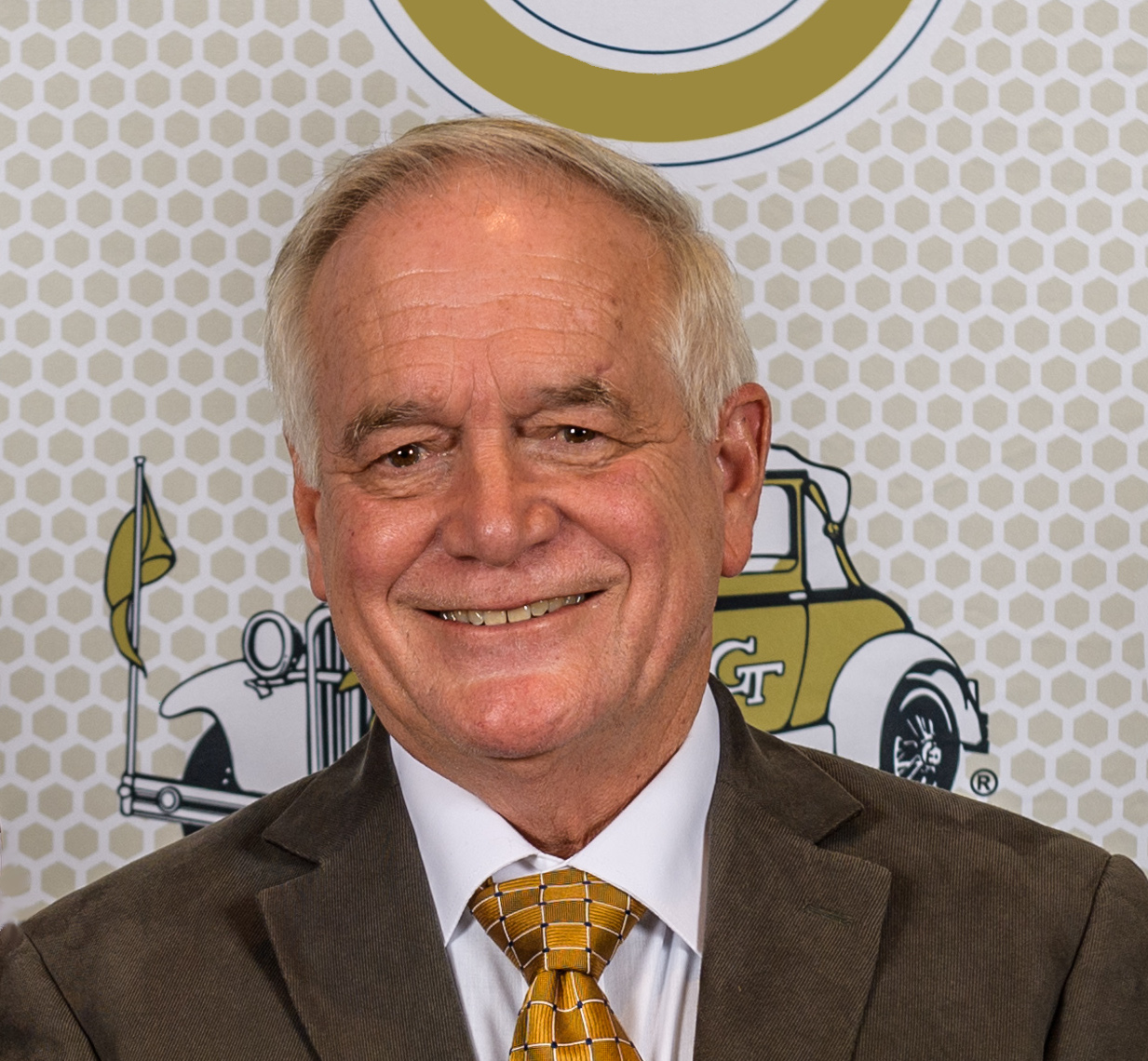
Anthony J Arduengo

Anthony J Arduengo's profile picture
AJ.Arduengo@Chemistry.GaTech.edu

Awards

Charles M. Knight Lectureship, University of Akron, April 2013

Fellow of the American Association for the Advancement of Science, October 2007

Walter J. Chute Lectureship 1999–2000

Gold Medal for "Excellence in Main Group Chemistry Research" from The International Council on Main Group Chemistry, 1996

Alexander von Humboldt Senior Research Prize, 1996

Education

B.S., Chemistry, Georgia Institute of Technology, 1974; Ph.D., Georgia Institute of Technology, 1976

Bio

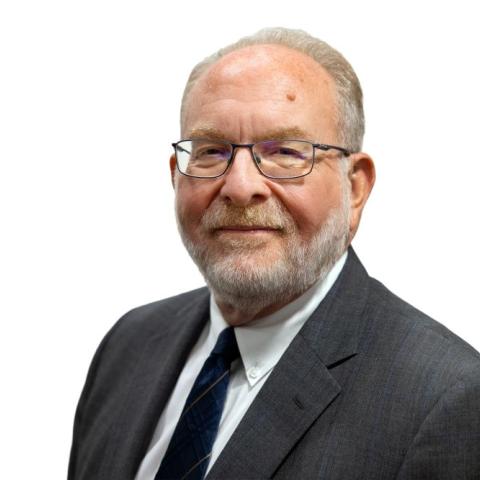
After completing his Ph.D. studies in 1976, Professor Arduengo began his professional career at the DuPont company as a member of the research staff. Within a year, he accepted a position on the chemistry faculty at the University of Illinois. Dr. Arduengo returned to DuPont in 1984 to pursue applications for a previously unknown type of phosphorus compound (ADPO) that had been discovered by his research group at Illinois. In 1999 Professor Arduengo resumed his work in academe with research groups in Germany and the United States. He is Professor of the Practice in the School of Chemistry and Biochemistry at the Georgia Institute of Technology and Saxon Professor Emeritus in organic chemistry at the University of Alabama. 

Professor Arduengo's research in the area of main group chemistry has produced many scientific "firsts," including the discovery of the first planar T-shaped bonding arrangement at phosphorus centers. Further work in this area at DuPont uncovered a previously unrecognized "edge inversion process" that operates at main group element centers and explains many apparent anomalies in main group element chemistry. Dr. Arduengo's interest in and study of compounds with unusual valence allowed him to synthesize the first stable crystalline carbene in 1990. 

This carbene research not only represents a milestone in chemistry, but this science also has led to a rapidly increasing variety of commercial applications. "We're looking into uses in direct catalysis, for crosslinking polymers, and for transition metals catalysis in which carbenes can be incorporated as ligands." "We've added a new tool to the chemist's repertoire which we can take off the shelf and use at will to follow imaginative ideas in new directions." 

Recently, the Arduengo Group research has joined the efforts of the Medicines for All Institute and participates in BARDA programs to develop modern, sustainable technology that facilitates repatriation of essential chemical and pharmaceutical manufacturing to U.S. shores. 

His research earned him an Alexander von Humboldt senior research prize and the 1996 Gold Medal for 'Excellence in Main Group Chemistry' from the International Council on Main Group Chemistry. In 2007 Professor was elected Fellow in The American Association for the Advancement of Science. 

Professor Arduengo trained as a traditional synthetic organic chemist, but has continually sought collaborations with experts in inorganic chemistry, polymer and material science, and recently through his carbene chemistry, bioorganic catalysis in order to broaden the scope and impact of his scientific interests. As a result, he is recognized in his own right as an expert such diverse areas. Work from the arduengo group has yielded approximately 150 publications and patents including articles intended to stimulate the interest of the young and lay-public in science. 

He values teaching and quality science education, and even from his industrial positions, Professor Arduengo has actively maintained a strong commitment to the preparation of future generations of scientists by holding lectures and demonstrations for elementary and high school classes and his supervision of a dozen post-doctoral co-workers. 

Professor Arduengo leads research groups in the United States and Germany and provides his co-workers with opportunities to study abroad. This bi-national research program fosters a broad training experience with industrial interactions in both Germany and the United States. Professor Arduengo is a strong advocate of international research and training experiences and regularly hosts U.S. undergraduate and graduate students in laboratories in Germany. During these semesters abroad students experience everyday life and culture in Germany in addition to conducting research in a foreign research environment. Professor Arduengo provides instruction in a variety of subjects in Chemistry as well as German language instruction so that students are able to stay on track toward their degrees with no lost time.

Research

Our group’s research interests span the interfaces of organic, inorganic chemistry, and material science. They focus largely on the chemistry of new or unusual bonding arrangements and seek to take advantage of unusual valency to develop new materials and sustainable synthetic methodology. Applications of chemistry developed in our group can be found in diverse areas ranging from electronic materials, thermochromic materials, industrially important catalytic transformations, high-end environmentally-friendly automotive paints, and most recently advanced pharmaceutical intermediates and pharmaceutical products. In connection with resource sustainability, we have a long-standing collaboration with the Opatz group at the University of Mainz, Germany to develop technology to rebuilt the chemical manufacturing infrastructure on renewable bio-mass, specifically wood – what we refer to as “Xylochemistry.”

Our group also participates with an international team providing advances in pharmaceutical syntheses to allow implementation of sustainable, low-cost, manufacturing strategies to critically important medicines.  The ultimate goal of the research is to provide ready access to important pharmaceuticals that improve global human health and quality of life.  Recently, this latter effort has expanded through our involvement with Biomedical Advanced Research and Development Authority (BARDA) programs directed to the development of new chemical technologies enabling the repatriation critical chemical and pharmaceutical capabilities to U.S. shores.  More details are available on the group’s web pages.

Professor of the Practice
Phone
(404) 385-4986
Office
MoSE 2100N
Additional Research

Interfaces of organic, inorganic chemistry, and material scienceChemical manufacturing infrastructure on renewable bio-mass, specifically wood – what is referred to as “Xylochemistry.”

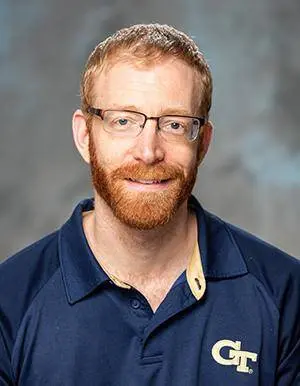
Will Gutekunst

Will Gutekunst's profile picture
willgute@gatech.edu

The Gutekunst Lab is interested in pushing the limits of complexity in macromolecular systems using innovative concepts from synthetic organic chemistry. 

Specific projects in the lab will explore the design of novel monomers for the construction of functional polyamides, the development of small molecule reagents for the dynamic modulation of branched polymer architectures, and the investigation of new concepts for creating covalent bonds in challenging contexts. Each of these research projects will enable the generation of new functional materials with structures or assemblies that were previously inaccessible for study. 

Prospective students will obtain extensive training in synthetic organic chemistry, as well as polymer synthesis and characterization.

Associate Professor
Phone
404-894-4675
Office
MoSE 1100Q
Google Scholar
https://scholar.google.com/citations?user=aiuo-rYAAAAJ&hl=en

Eric Vogel

Eric Vogel's profile picture
eric.vogel@mse.gatech.edu

Eric M. Vogel is currently Hightower Professor of Materials Science and Engineering, courtesy Professor of Electrical and Computer Engineering, and Executive Director of the Institute for Matter and Systems at the Georgia Institute of Technology (GT). Prior to joining GT in 2011, he was Associate Professor of Materials Science and Engineering and Electrical Engineering at the University of Texas at Dallas (UTD). Prior to joining UTD in August of 2006, he was leader of the Semiconductor and Novel Devices Group and founded the Nanofab at the National Institute of Standards and Technology. He received his Ph.D. in 1998 in electrical engineering from North Carolina State University and his B.S. in 1994 in electrical engineering from Penn State University. His research is related to the synthesis, structure, properties and applications of a wide variety of electronic and nanoscale materials and devices (vogellab.gatech.edu). He has published over 240 journal publications and proceedings, written six book chapters, and given over 100 invited talks and tutorials.

Executive Director
Professor, School of Materials Science and Engineering
Phone
404.385.7235
Office
Marcus 2131
Additional Research

2D materials, Electronic Materials, biosensors, Atomic Layer Deposition, III-V Semiconductor devices

Research Focus Areas
Google Scholar
https://scholar.google.com/citations?hl=en&user=mNuerUYAAAAJ&view_op=list_works&sortby=pubdate

Robert Moon

Robert Moon's profile picture
robertmoon@fs.fed.us
Adjunct Professor
Phone
(404) 894-1026
Additional Research

Sustainable Manufacturing; Cellulosic Nanomaterials; Biomaterials; Nanocellulose Applications; Biocomposites; Aerogels & Hydrogels

Chris Luettgen

Chris Luettgen
chris.luettgen@rbi.gatech.edu

- - - - - - - - - - - - - - - - - - - - -
Professor of the Practice                       
School of Chemical and Biomolecular Engineering
College of Engineering, Georgia Institute of Technology

Associate Director, Pulp, Paper, Packaging and Tissue, Renewable Bioproducts Institute, an Interdisciplinary Research Institute at GT

Director, GT Pulp and Paper Engineering Undergraduate Certificate Program and Foundation
 

Brief Biography:  
Luettgen has 25 plus years of industry experience, with Scott Paper and Kimberly-Clark Corp., where he most recently served as head of North American Innovation the Kimberly-Clark Professional business sector. He has held positions in product development and innovation as well as in capital project management and manufacturing facility leadership.

For several years, Luettgen has served on the Georgia Tech Renewable Bioproducts Institute Industry Board of Advisors, and as the Chairman of the Board of the Technical Association of the Pulp & Paper Industry (TAPPI).  He earned his bachelor's degree in Paper Engineering at Western Michigan University (’85), his master’s degree at the Institute of Paper Chemistry, Appleton, WI (’87), and his Ph.D. in Surface Chemistry at the Institute of Paper Science and Technology - now the Renewable Bioproducts Institute at Georgia Tech (’91).

He rejoined Georgia Tech in November 2014 as a Professor of the Practice in the School of Chemical and Biomolecular Engineering, and Associate Director of Pulp, Paper, Tissue and Packaging at RBI. He also serves as the Director of the undergraduate Pulp and Paper Certificate Program and its Foundation.

Areas of research interest include:  Recycling; renewable cellulosic feedstocks; replacing fossil-based products with bio-based materials; commercialization of nanocellulosic materials in consumer and packaging products; Smart Manufacturing and Industry 4.0; tissue/towel manufacturing and converting; and manufacturing leadership / operational excellence.

Interim Executive Director, Renewable Bioproducts Institute (RBI)
Professor of the Practice
Initiative Lead: Process Efficiency & Intensification of Pulp Paper Packaging & Tissue Manufacturing
Phone
(404) 894-6908
Additional Research

Aeration & Sludge; Bioproducts; Cellulosic Nanomaterials; Deinking; Dissolving Pulp & Regenerated Cellulose; Nanocellulose Applications; Paper; Papermaking; Polymer & Fiber; Pulp & Paper; Pulp & Paper Manufacturing; Recycling; Tissue; Wet-end Chemistry

Donggang Yao

Donggang Yao's profile picture
yao@gatech.edu

Donggang Yao is a professor in the School of Materials Science and Engineering at Georgia Institute of Technology. He received his Ph.D. and Master’s degrees both from University of Massachusetts Amherst, and his B.S. degree from Shanghai Jiao Tong University, China. He teaches and directs research in the broad area of polymer engineering. His current research focuses on polymer micromolding, fiber spinning, single-polymer composites, constitutive modeling, and process modeling and simulation. He has published over 60 journal papers and 80 conference papers on polymer processing. He was a recipient of NSF Career Award in 2003 for his research on polymer micromolding. He chaired the ASME Composites and Textile Engineering Technical Committee from 2009 to 2011. He currently serves as an associate editor for ASME Journal of Manufacturing Science and Engineering and an editorial board member for Polymer Engineering and Science.

Professor, School of Materials Science and Engineering
Phone
404.894.9076
Office
MRDC, Room 4407
Additional Research

Biocomposites; Biomanufacturing; Biomaterials; Bioprocessing; Bioproducts; Fiber Properties; Forming; Lignin & Hemicellulose; Manufacturing; Mechanics of Materials; Microfluidics; Microporous Materials; New Materials for 3D Printing; Polymer & Fiber; Process Modeling; Non-Newtonian Fluid Mechanics

Sankar Nair

Sankar Nair's profile picture
sankar.nair@chbe.gatech.edu

Research Interests

  • Creating, understanding, and engineering nanoporous materials and membranes through innovative processing strategies.
  • Basic and applied problems in advanced separations, process intensification, energy production and storage, petro- and bio-based chemicals and materials, and critical materials.

Teaching Interests

Professor Nair’s teaching interests encompass core chemical engineering principles at both undergraduate and graduate levels, including separations, process safety engineering, and advanced materials. His instruction emphasizes foundational concepts and their practical applications, aiming to develop strong analytical and problem-solving skills. He actively engages students in learning processes that integrate theoretical knowledge with experimental understanding, supporting development across chemical engineering disciplines.

Education

B.Tech ChE 1997, Indian Institute of Technology DelhiM.S. Physics 2002, Univ. of Massachusetts AmherstPh.D. ChE 2002, Univ. of Massachusetts Amherst

Recent Publications

VD Brandão, O Long, S Zhong, R Fushio, A Venkataraman, H Song, ..., Local pH Effects on the Temperature Dependence of Product Formation in CO2 Electrolyzers, Journal of the American Chemical Society, 2026

M Realff, Q Fu, Y Chiang, S Nair, Adsorption System and Process for Biofuel Precursor and Adsorbent Material for the Same, US Patent App. 19/068,859, 2025

N Yutthasaksunthorn, KSK Zaw, SA Sinquefield, S Nair, Pillared and Reduced Graphene Oxide Membranes for Organic Solvent Nanofiltration, Industrial & Engineering Chemistry Research 64 (38), 18817-18825, 2025

OA Ojelade, S Nair, CW Jones, Thermodynamic Analysis of the Hydrodeoxygenation of Hydroxy Acid Mixtures, Industrial & Engineering Chemistry Research 64 (47), 22552-22562, 2025

N Yutthasaksunthorn, Y Chang, VS Nguyen, KSK Zaw, SA Sinquefield, ..., Graphene Oxide Membranes for Sustainable Recycling: Poly (styrene) Fractionation by Organic Solvent Nanofiltration, ACS Engineering Au, 2025

Google Scholar

Professor, School of Chemical and Biomolecular Engineering
James F. Simmons Faculty Fellow, School of Chemical and Biomolecular Engineering
Associate Chair for Industry Outreach, School of Chemical and Biomolecular Engineering
Phone
404.894.4826
Office
ES&T 2224
Additional Research

Nanomaterials; Biofuels; Carbon Capture; Catalysis; Separations Technology; Chemical Recovery; Energy & Water

Google Scholar
https://scholar.google.com/citations?hl=en&user=DCrJnGIAAAAJ&view_op=list_works&sortby=pubdate