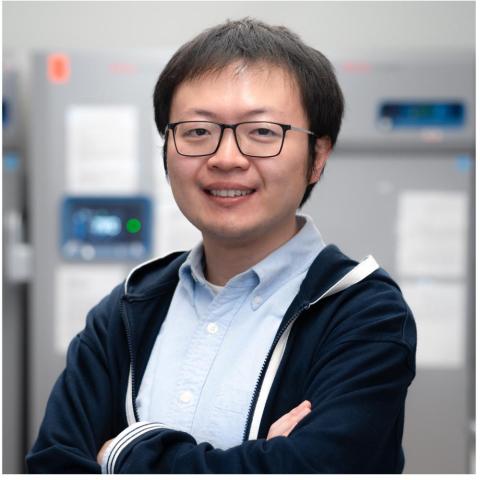
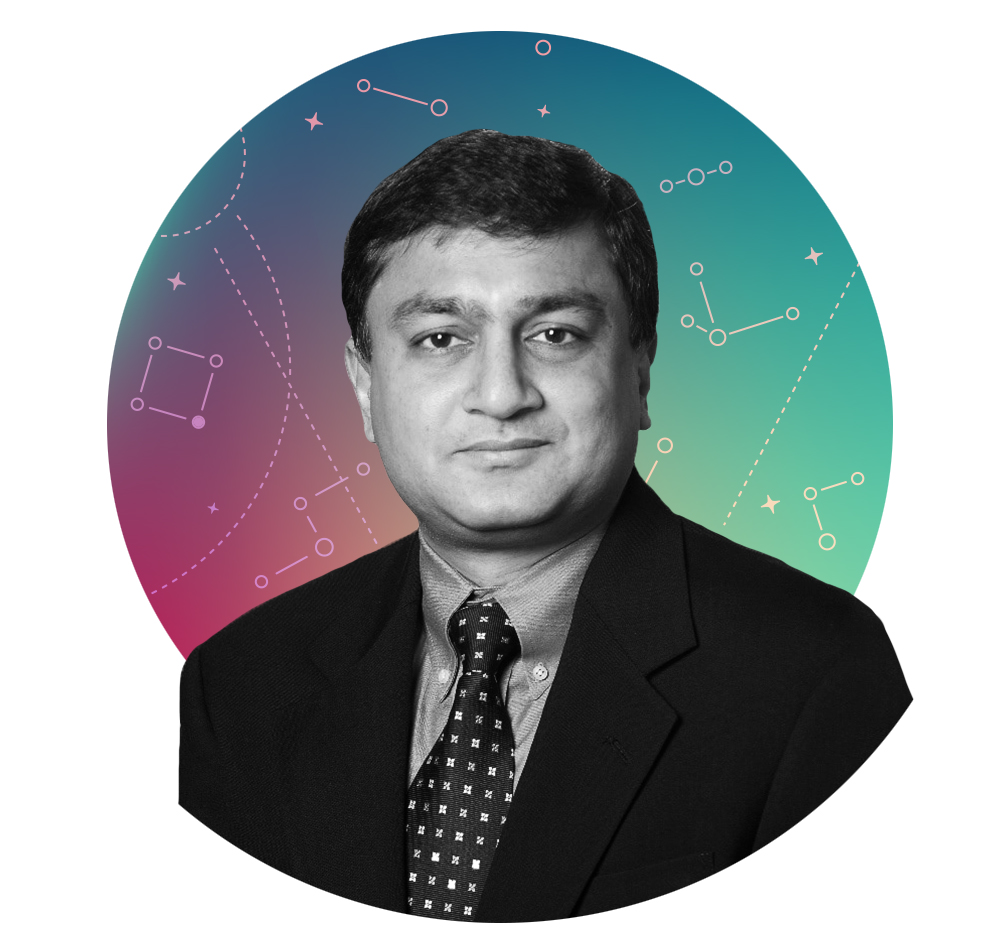
Alex Abramson

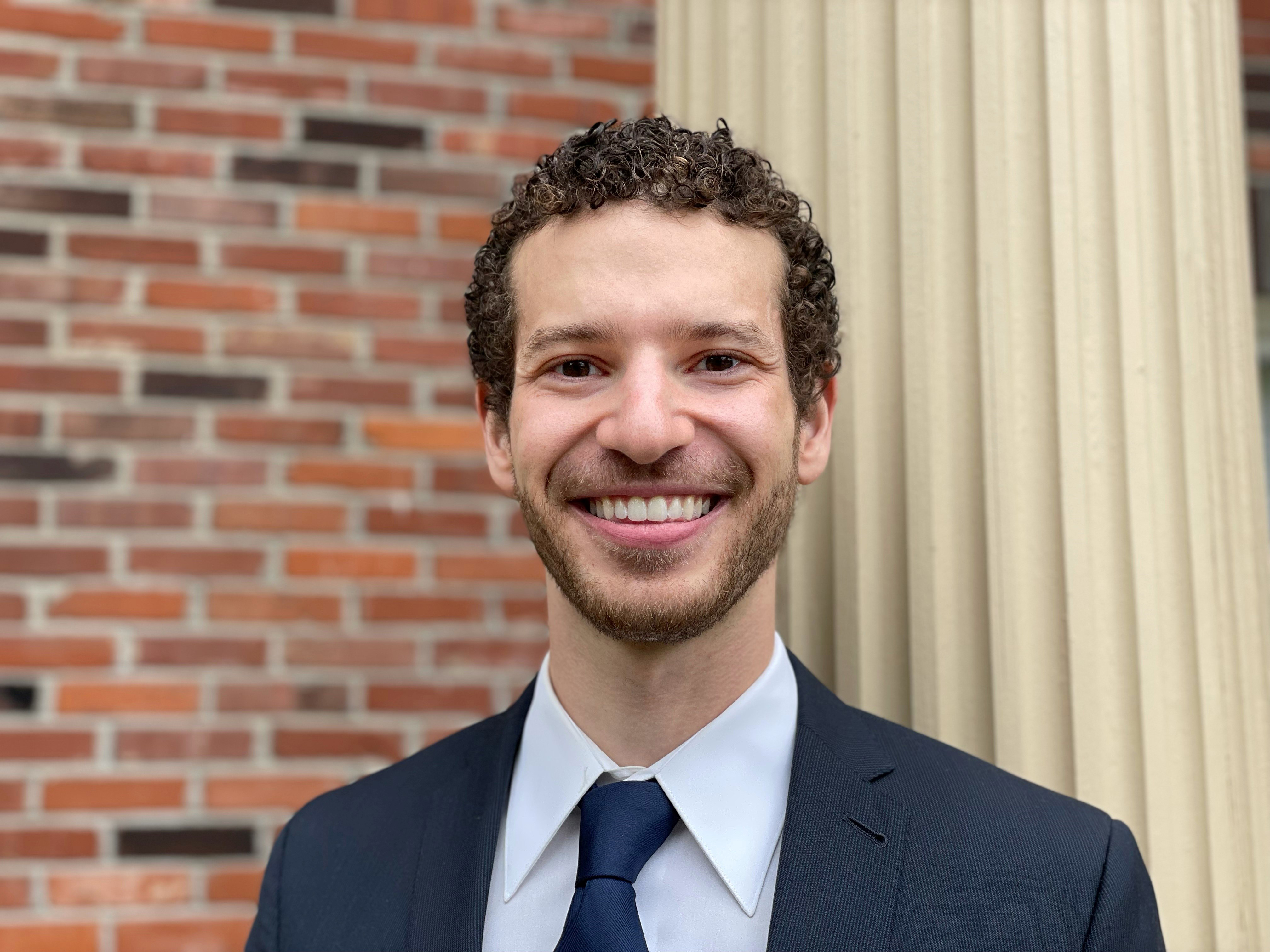
Alex Abramson's profile picture
aabramson6@gatech.edu

Alex Abramson is an assistant professor in the School of Chemical and Biomolecular Engineering at Georgia Tech. His research, which focuses on drug delivery and bioelectronic therapeutics, has been featured in news outlets such as The New York Times, NPR, and Wired. Abramson has received several recognitions for scientific innovation, including being named a member of the Forbes 30 Under 30 Science List and the MIT Technology Review Innovators Under 35 List. He is passionate about translating scientific endeavors from bench to bedside. Large pharmaceutical companies have exclusively licensed a portfolio of his patents to bring into clinical trials, and Abramson serves as a scientific advisor overseeing their commercialization. In addition to his scientific endeavors, Abramson plays an active role in his community by leading diversity and inclusion efforts on campus and volunteering as a STEM tutor to local students.

Abramson received a B.S. in chemical and biomolecular engineering from Johns Hopkins University and a Ph.D. in chemical engineering from MIT as an NSF Graduate Research Fellow under the direction of Professors Robert Langer and Giovanni Traverso. He conducted postdoctoral work at Stanford University as an NIH fellow with Professors Zhenan Bao and the late Sanjiv S. Gambhir.

The Abramson Lab develops ingestible, implantable, and wearable robotic therapeutic devices that solve key healthcare problems and provide measurable therapeutic outcomes. Our translationally focused research spans a multitude of areas, including (1) drug delivery devices for optimal drug adherence, (2) soft materials for bioelectronic sensors and therapeutics, and (3) preclinical drug screening technologies.

Assistant Professor, School of Chemical and Biomolecular Engineering
Office
MoSE 4120B
Additional Research
  • Biosensors
Google Scholar
https://scholar.google.com/citations?user=9-E5owYAAAAJ

Vinayak Agarwal

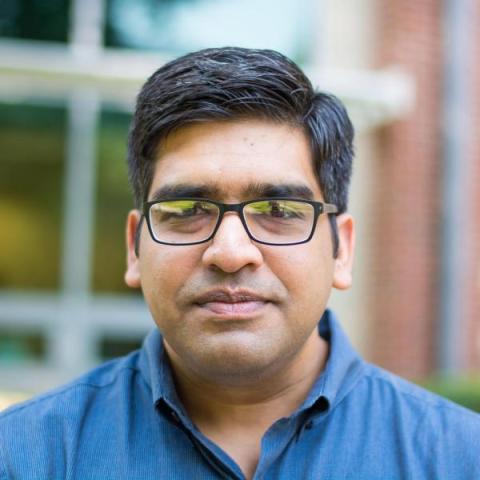
Headshot of Vinayak Agarwal
vagarwal@gatech.edu

Vinny is an Assistant Professor at Georgia Tech with joint appointments at the School of Chemistry and Biochemistry and School of Biological Sciences.

Awards

  • 2024 - ASP Matt Suffness Young Investigator
  • 2023 - Camille Dreyfus Teacher Scholar
  • 2022 - ACS Academic Young Investigator (Division of Organic Chemistry)
  • 2021 - Cottrell Scholar
  • 2019 - Kavli Frontiers in Science Fellow
  • 2018 - Alfred P. Sloan Foundation Fellow
  • 2016 - NIH K99/R00 Pathway to Independence Award
  • 2014 - Helen Hay Whitney Foundation Fellow

Education

B.Tech. M.Tech. Indian Institute of Technology Delhi (2007); Ph.D. University of Illinois at Urbana-Champaign (2012); Postdoc. University of California San Diego (2017)

Research

A majority of antibiotics and drugs that we use in the clinic are derived or inspired from small organic molecules called Natural Products that are produced by living organisms such as bacteria and plants. Natural Products are at the forefront of fighting the global epidemic of antibiotic resistant pathogens, and keeping the inventory of clinically applicable pharmaceuticals stocked up. Some Natural Products are also potent human toxins and pollutants, and we need to understand how these toxins are produced to minimize our and the environmental exposure to them.

We as biochemists ask some simple questions- how and why are Natural Products produced in Nature, what we can learn from Natural Product biosynthetic processes, and how we can exploit Nature's synthetic capabilities for interesting applications?

Broadly, we are interested in questions involving (meta)genomics, biochemistry, structural and mechanistic enzymology, mass spectrometry, analytical chemistry, and how natural product chemistry dictates biology.

Research Keywords

(Bio)Organic Chemistry; Discovery and Biosynthesis of Natural Products; Enzymology; Structural Biology; Metabolomics; (Meta)Genomics

Associate Professor
Phone
(404) 385-3798
Office
IBB 3315
Google Scholar
https://scholar.google.com/citations?user=9R7lf3AAAAAJ&hl=en

Rabindra Tirouvanziam

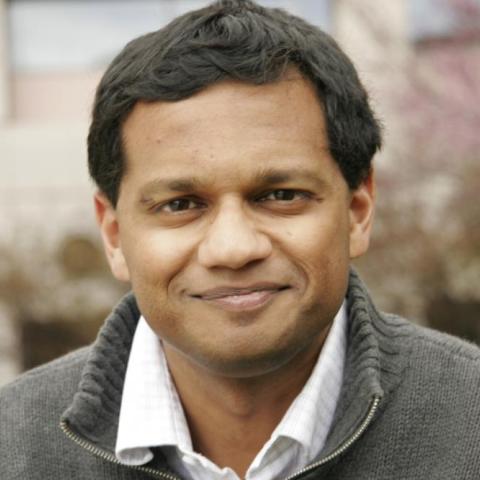
A man with dark hair smiles for a portrait while wearing a gray blazer over a white button-up shirt. A large building and trees are in the background.
rtirouvanziam8@gatech.edu

Rabindra Tirouvanziam obtained an engineering degree from Agro Paris-Tech, a masters in lung physiology from Université Paris XII and a Ph.D. in development biology also from Agro Paris-Tech, for his work on human xenografts in SCID mice conducted at the Institut d’Embryologie du CNRS et College de France in Nogent-sur-Marne.

He then pursued postdoctoral studies in physiology, genetics, immunology and psychiatry at Stanford University, developing a decade-long translational program focused on collection and deep analysis of patient samples and culminating in phase 2 clinical trials in cystic fibrosis and autism spectrum disorder.

Tirouvanziam moved to Atlanta in 2011, where his translational research group of 10+ members focuses on engineering of the human innate immune system and immunometabolic disease. Main diseases of interest affecting the lung (such as cystic fibrosis, bronchiectasis, COVID-19, and tuberculosis), and other organ systems (diabetes, cold tumors, malaria).

Chair
Associate Professor
Adjunct Professor
Office
Emory Children's Center, Rm 344
Additional Research

Bioengineering

Biotechnology

Health and Life Sciences

Regenerative Medicine

Abigail Lind

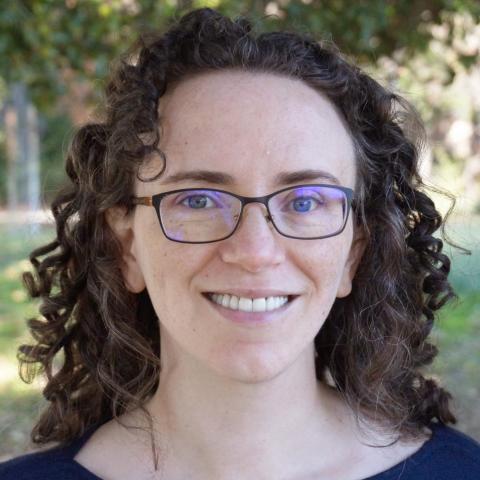
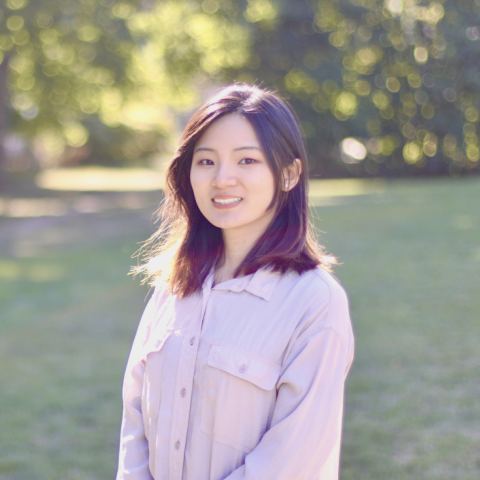
A woman with dark curly hair and glasses wearing a dark blouse smiles for a photo with grass and trees in the background.
abigail.lind@gatech.edu

The Lind lab studies microbes that live in the gut of humans and other animals, focusing on single-celled protists and how they interact with the host and other microbes. We use approaches from computational genomics, evolutionary biology, and microbiology.
 

Assistant Professor
Additional Research

Bioinformatics

Computational Genomics

Haonan Lin

Headshot of Haonan Lin. An Asian man with glasses wearing a light blue button-up shirt under a navy jacket.
haonan.lin@bme.gatech.edu

Haonan Lin is an Assistant Professor in the Wallace H. Coulter Department of Biomedical Engineering at Georgia Institute of Technology and Emory University. He leads the Computational Chemical Imaging Group, which focuses on (1) developing vibrational imaging platforms beyond conventional physical limits through computation-driven system design and image reconstruction, and (2) discovering previously unknown biochemical mechanisms and disease biomarkers using high-content chemical imaging data integrated with artificial intelligence and machine learning. Prior to joining Georgia Tech, Dr. Lin was a postdoctoral researcher and later a Research Assistant Professor at Boston University from 2021 to 2025. Dr. Lin received his Ph.D. in Biomedical Engineering from Boston University in 2021 and his B.S. in Engineering Physics from Tsinghua University in 2015.

Assistant Professor
Phone
765-413-3922
Office
U.A. Whitaker Building, Room 2108
Additional Research

Algorithms and Optimizations
Optics and Photonics

Google Scholar
https://scholar.google.com/citations?user=LcZvGA4AAAAJ

Cyrus Aidun

Cyrus Aidun's profile picture
cyrus.aidun@me.gatech.edu

Dr. Aidun joined the Woodruff School as a Professor in 2003 after completion of a two-year period as program director at the National Science Foundation. He began at Tech in 1988 as an Assistant Professor at the Institute of Paper Science and Technology. Prior, he was a research Scientist at Battelle Research Laboratories, Postdoctoral Associate at Cornell University and Senior Research Consultant at the National Science Foundation's Supercomputer Center at Cornell. 

Dr. Aidun's research is at the intersection between fundamentals of the physics of complex fluids/thermal transport and applications to engineering and biotransport. He has a diverse research portfolio in fluid mechanics, bioengineering, renewable bioproducts and decarbonization of industrial processes. 

A major focus has been to understand the physics of blood cell transport and interaction with glycoproteins (e.g., vWF) with applications to cardiovascular diseases.

Professor, Woodruff School of Mechanical Engineering
Phone
404-894-6645
Office
Love Building, Room 320
Additional Research

Computational analysis of cellular blood flow in the cardiovascular system with applications to platelet margination, thrombus formation, and platelet activation in artificial heart valves. Thermal Systems. Chemical Recovery; Papermaking.

Google Scholar
https://scholar.google.com/citations?user=ksg38AgAAAAJ&hl=en&oi=sra

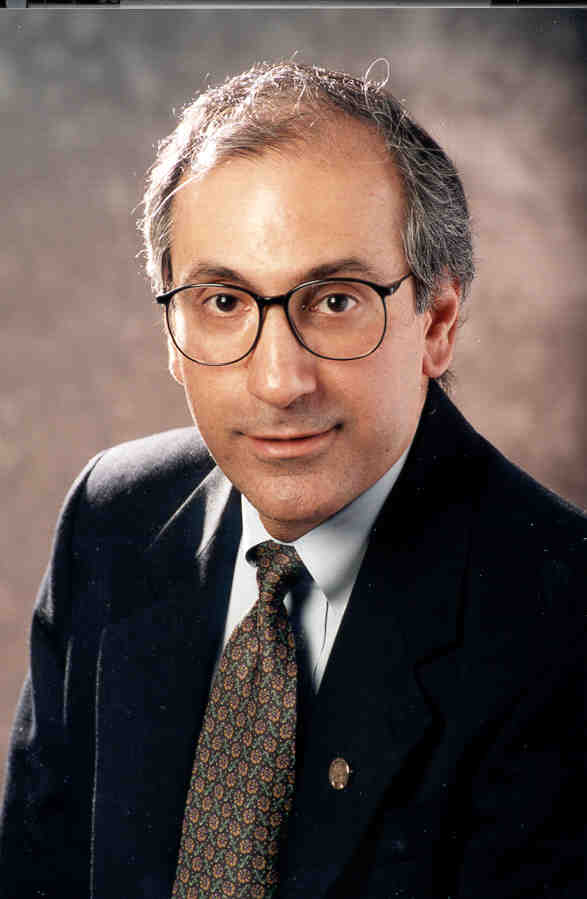
Ghassan AlRegib

Ghassan AlRegib's profile picture
alregib@gatech.edu

Prof. AlRegib is currently the John and Marilu McCarty Chair Professor in the School of Electrical and Computer Engineering at the Georgia Institute of Technology. His group is the Omni Lab for Intelligent Visual Engineering and Science (OLIVES) at Georgia Tech. In 2012, he was named the Director of Georgia Tech’s Center for Energy and Geo Processing (CeGP). He is the director of the Center for Signal and Information Processing (CSIP). He also served as the Director of Georgia Tech’s Initiatives and Programs in MENA between 2015 and 2018. He has authored and co-authored more than 300 articles in international journals and conference proceedings. He has been issued several U.S. patents and invention disclosures. He is a Fellow of the IEEE.

Prof. AlRegib received the ECE Outstanding Graduate Teaching Award in 2001 and both the CSIP Research and the CSIP Service Awards in 2003. In 2008, he received the ECE Outstanding Junior Faculty Member Award. In 2017, he received the 2017 Denning Faculty Award for Global Engagement. He and his students received the Beat Paper Award in ICIP 2019. He received the 2024 ECE Distinguished Faculty Achievement Award at Georgia Tech. He and his students received the Best Paper Award in ICIP 2019 and the 2023 EURASIP Best Paper Award for Image communication Journal.

Prof. AlRegib participated in a number of activities. He has served as Technical Program co-Chair for ICIP 2020 and ICIP 2024. He served two terms as a member of the IEEE SPS Technical Committees on Multimedia Signal Processing (MMSP) and Image, Video, and Multidimensional Signal Processing (IVMSP), 2015-2017 and 2018-2020. He was a member of the Editorial Boards of both the IEEE Transactions on Image Processing (TIP), 2009-2022, and the Elsevier Journal Signal Processing: Image Communications, 2014-2022. He was a member of the editorial board of the Wireless Networks Journal (WiNET), 2009-2016 and the IEEE Transaction on Circuits and Systems for Video Technology (CSVT), 2014-2016. He was an Area Chair for ICME 2016/17 and the Tutorial Chair for ICIP 2016. He served as the chair of the Special Sessions Program at ICIP’06, the area editor for Columns and Forums in the IEEE Signal Processing Magazine (SPM), 2009–12, the associate editor for IEEE SPM, 2007-09, the Tutorials co-chair in ICIP’09, a guest editor for IEEE J-STSP, 2012, a track chair in ICME’11, the co-chair of the IEEE MMTC Interest Group on 3D Rendering, Processing, and Communications, 2010-12, the chair of the Speech and Video Processing Track at Asilomar 2012, and the Technical Program co-Chair of IEEE GlobalSIP, 2014. He lead a team that organized the IEEE VIP Cup, 2017 and the 2023 IEEEE VIP Cup. He delivered short courses and several tutorials at international events such as BigData, NeurIPS, ICIP, ICME, CVPR, AAAI, and WACV.

In the Omni Lab for Intelligent Visual Engineering and Science (OLIVES), he and his group work on robust and interpretable machine learning algorithms, uncertainty and trust, and human in the loop algorithms. The group studies interventions into AI systems to enhance their trustworthiness. The group has demonstrated their work on a wide range of applications such as Autonomous Systems, Medical Imaging, and Subsurface Imaging. The group is interested in advancing the fundamentals as well as the deployment of such systems in real-world scenarios. His research group is working on projects related to machine learning, image and video processing, image and video understanding, subsurface imaging, perception in visual data processing, healthcare intelligence, and video analytics. The primary applications of the research span from Autonomous Vehicles to Portable AI-based Ophthalmology and Eye Exam and from Microscopic Imaging to Seismic Interpretation. The group was the first to introduce modern machine learning to seismic interpretation.

In 2024, and after more than three years of continuous work, he co-founded Georgia Tech’s AI Makerspace. The AI Makerspace is a resource for the entire campus community to access AI. Its purpose is to democratize access to AI. Together with his team, they are developing tools and services for the AI Makerspace via a VIP Team called AI Makerspace Nexus. In addition, he created two AI classes from scratch with innovative hands-on exercises using the AI Makerspace. One class is the ECE4252/8803 FunML class (Fundamentals of Machine Learning) where students learn the basics of Machine Learning as well as eight weeks of Deep learning both mathematically and using hands-on exercises on real-world data. The second class is a sophomore-level AI Foundations class (AI First) that teaches any student from any college the basics of AI such as data literacy, learning, decision, planning, and ethics using theory and hands-on exercises on the AI Makerspace. Prof. AlRegib wrote two textbooks for both classes.

Prof. AlRegib has provided services and consultation to several firms, companies, and international educational and R&D organizations. He has been a witness expert in a number of patents infringement cases and Inter Partes Review (IRP) cases.

John and Marilu McCarty Chair Professor, School of Electrical and Computer Engineering
Center Director
Phone
404-894-7005
Office
Centergy-One Room 5224
Additional Research
  • Machine learning
  • Trustworthy AI
  • Explainable AI (XAI)
  • Robust Learning Systems
  • Multimodal Learning
  • Annotations Diversity in AI Systems
Google Scholar
https://scholar.google.com/citations?hl=en&user=7k5QSdoAAAAJ&view_op=list_works

Shucong Li

headshot of Shucong Li
shucong.li@mse.gatech.edu

Shucong Li is an Assistant Professor in the School of Materials Science and Engineering and School of Physics at the Georgia Institute of Technology. She obtained her PhD in chemistry at Harvard University in 2022 and conducted postdoc research at MIT from 2022 to 2024. She is the recipient of the PMSE Future Leader Award, Caltech Young Investigator Award, and the Foresight Fellowship. Her research interests include the design and fabrication of soft intelligent materials by harnessing dynamic molecular switches, molecular assemblies, and their coupling to mesoscale architectures and macroscale material properties. Her work focuses on developing innovative soft materials with self-regulating capabilities across length and time scales, aiming to create next-generation multifunctional materials with enhanced autonomy to address critical challenges in healthcare, energy, and sustainability.

Assistant Professor, School of Materials Science and Engineering
Assistant Professor, School of Physics
Phone
6178006370
Office
Paper Tricentennial Building 590
Additional Research

Aerogels and Hydrogels

Soft Robotics

Suman Das

Suman Das's profile picture
suman.das@me.gatech.edu
Morris M. Bryan, Jr. Chair and Professor, Woodruff School of Mechanical Engineering
Director, Direct Digital Manufacturing Laboratory
Phone
404.385.6027
Office
MARC 255
Additional Research

3D printing; Additive/Advanced Manufacturing; Biomaterials; Composites; Emerging Technologies; Nanocomposites; Nanomanufacturing; Manufacturing, Mechanics of Materials, Bioengineering, and Micro and Nano Engineering. Advanced manufacturing and materials processing of metallic, polymeric, ceramic, and composite materials for applications in life sciences, propulsion, and energy. Professor Das directs the Direct Digital Manufacturing Laboratory and Research Group at Georgia Tech. His research interests encompass a broad variety of interdisciplinary topics under the overall framework of advanced design, prototyping, direct digital manufacturing, and materials processing particularly to address emerging research issues in life sciences, propulsion, and energy. His ultIMaTe objectives are to investigate the science and design of innovative processing techniques for advanced materials and to invent new manufacturing methods for fabricating devices with unprecedented functionality that can yield dramatic improvements in performance, properties and costs.

Google Scholar
https://scholar.google.com/citations?hl=en&user=zTQ3q2EAAAAJ&view_op=list_works&sortby=pubdate

Jennifer Curtis

Jennifer Curtis's profile picture
jcurtis6@gatech.edu

The Curtis lab is primarily focused on the physics of cell-cell and cell-extracellular matrix interactions, in particular within the context of glycobiology and immunobiology. Our newest projects focus on questions of collective and single cell migration in vitro and in vivo; immunophage therapy "an immunoengineering approach - that uses combined defense of immune cells plus viruses (phage) to overcome bacterial infections"; and the study of the molecular biophysics and biomaterials applications of the incredible enzyme, hyaluronan synthase. A few common scientific themes emerge frequently in our projects: biophysics at interfaces, the use of quantitative modeling, collective interactions of cells and/or molecules, cell mechanics, cell motility and adhesion, and in many cases, the role of bulky sugars in facilitating cell integration and rearrangements in tissues.

Professor, School of Physics
Phone
404.894.8839
Office
MoSE G024/G128
Additional Research

Advanced characterization, cell biophysics, soft materials, tissue engineering, cell biophysics, cell mechanics of adhesion, migration and dynamics, immunophysics, immunoengineering, hyaluronan glycobiology, hyaluronan synthase, physics of tissues

University, College, and School/Department
Google Scholar
https://scholar.google.com/citations?hl=en&user=iaWZfIsAAAAJ&view_op=list_works&sortby=pubdate