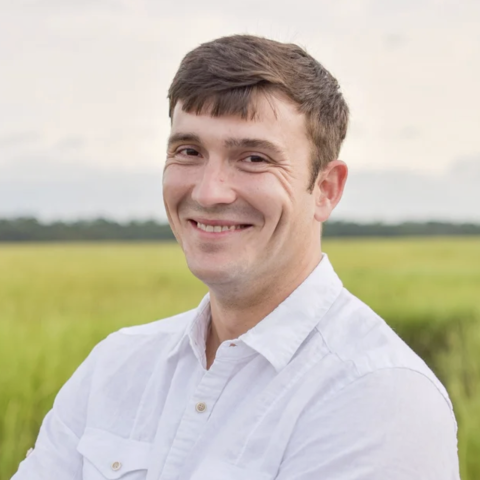
Patrick Kastner

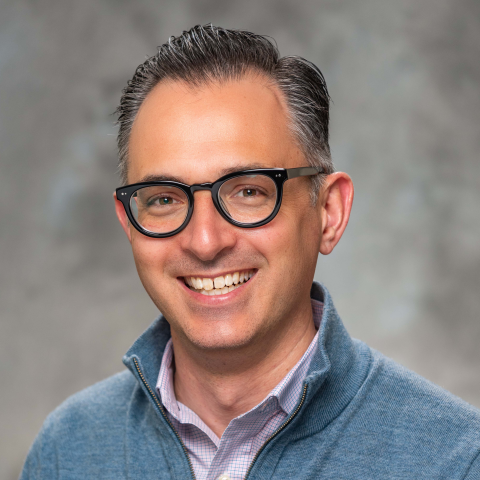
Patrick Kastner's profile picture
pkastner3@gatech.edu

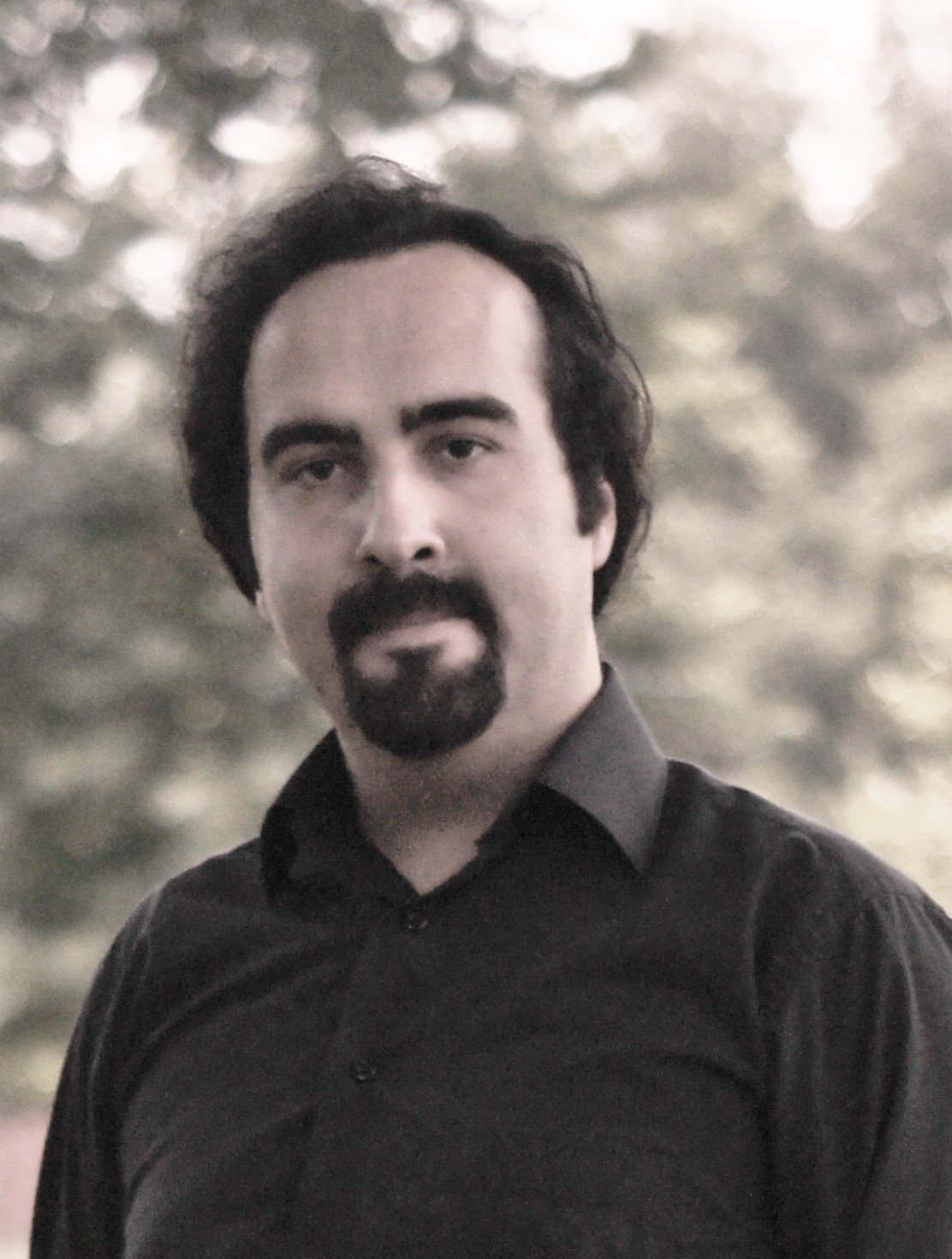
Patrick Kastner is a researcher and educator specializing in environmental performance simulation and decarbonization of buildings and cities, and directs the Sustainable Urban Systems Lab at Georgia Tech. He is an Assistant Professor at the School of Architecture and holds a courtesy appointment with the H. Milton Stewart School of Industrial and Systems Engineering.

His goal is to empower urban decision-makers with software tools that place sustainability at the forefront of the profession. He leads a Vertically Integrated Project titled Surrogate Modeling for Urban Regeneration (SMUR), which attracts a diverse group of students ranging from sophomore to graduate level, representing various engineering disciplines and other related fields across Georgia Tech.

He earned his Ph.D. and M.S. in Systems Science and Engineering from Cornell University in 2022. During his doctoral research, he developed Eddy3D, a microclimate modeling software toolkit for Rhino & Grasshopper, now adopted by leading institutions in both academia and practice. He previously taught at Cornell and UPenn.

Originally from Germany, Kastner holds an M.S. in Sustainable Building Science from TU Munich, and a B.S. in Energy Engineeringfrom FAU Erlangen-Nuremberg. While in Munich, he was fortunate enough to study at the Center for Digital Technology and Management and enjoyed his time leading the operations team at TEDxTUM.
Assistant Professor, School of Architecture
Adjunct Assistant Professor — H. Milton Stewart School of Industrial and Systems Engineering Director of the Sustainable Urban Systems Lab
IRI And Role
University, College, and School/Department

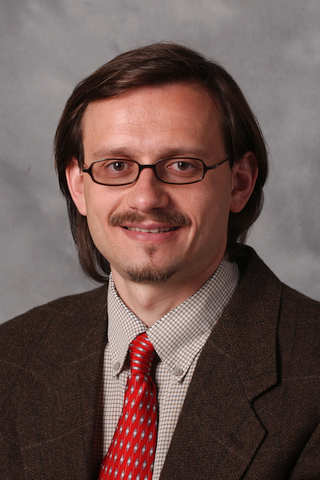
Michael Filler

Michael Filler's profile picture
michael.filler@chbe.gatech.edu

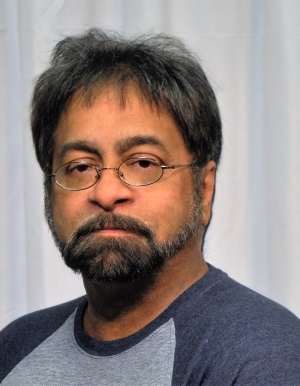
Michael Filler is a professor and the Traylor Faculty Fellow in the School of Chemical and Biomolecular Engineering at the Georgia Institute of Technology. He earned his undergraduate and graduate degrees from Cornell University and Stanford University, respectively, prior to completing postdoctoral studies at the California Institute of Technology. Filler has been recognized for his research and teaching with the National Science Foundation CAREER Award, Georgia Tech Sigma Xi Young Faculty Award, CETL/BP Junior Faculty Teaching Excellence Award, and AVS Dorothy M. and Earl S. Hoffman Award. Filler also heads Nanovation, a forum to address the big questions, big challenges, and big opportunities of nanotechnology.

Professor and Traylor Faculty Fellow, School of Chemical and Biomolecular Engineering
Director, The Filler Lab
Phone
404.894.0430
Office
Marcus 2135
Additional Research

Integrated photonics, carbon nanotubes, nanomanufacturing, thermal management, silicon devices

Google Scholar
https://scholar.google.com/citations?hl=en&user=5nt6qx8AAAAJ&view_op=list_works&sortby=pubdate

Andrei Fedorov

Andrei Fedorov's profile picture
AGF@gatech.edu

Fedorov's background is in thermal/fluid sciences, chemical reaction engineering as well as in applied mathematics. His laboratory works at the intersection between mechanical and chemical engineering and solid state physics and analytical chemistry with the focus on portable/ distributed power generation with synergetic CO2 capture; thermal management of high power dissipation devices and electronics cooling; special surfaces and nanostructured interfaces for catalysis, heat and moisture management; and development of novel bioanalytical instrumentation and chemical sensors. Fedorov joined Georgia Tech in 2000 as an assistant professor after finishing his postdoctoral work at Purdue University.

Professor and Rae S. and Frank H. Neely Chair, Woodruff School Mechanical Engineering
Associate Chair for Graduate Studies, School Mechanical Engineering
Director, Fedorov Lab
Phone
404.385.1356
Office
Love 307
Additional Research

Heat Transfer; power generation; CO2 Capture; Catalysis; fuel cells; "Fedorov's research is at the interface of basic sciences and engineering. His research portfolio is diverse, covering the areas of portable/ distributed power generation with synergetic carbon dioxide management, including hydrogen/CO2 separation/capture and energy storage, novel approaches to nanomanufacturing (see Figure), microdevices (MEMS) and instrumentation for biomedical research, and thermal management of high performance electronics. Fedorov's research includes experimental and theoretical components, as he seeks to develop innovative design solutions for the engineering systems whose optimal operation and enhanced functionality require fundamental understanding of thermal/fluid sciences. Applications of Fedorov's research range from fuel reformation and hydrogen generation for fuel cells to cooling of computer chips, from lab-on-a-chip microarrays for high throughput biomedical analysis to mechanosensing and biochemical imaging of biological membranes on nanoscale. The graduate and undergraduate students working with Fedorov's lab have a unique opportunity to develop skills in a number of disciplines in addition to traditional thermal/fluid sciences because of the highly interdisciplinary nature of their thesis research. Most students take courses and perform experimental and theoretical research in chemical engineering and applied physics. Acquired knowledge and skills are essential to starting and developing a successful career in academia as well as in many industries ranging from automotive, petrochemical and manufacturing to electronics to bioanalytical instrumentation and MEMS."

Google Scholar
https://scholar.google.com/citations?hl=en&user=_X-PrRkAAAAJ&view_op=list_works&sortby=pubdate

Alper Erturk

Alper Erturk's profile picture
alper.erturk@me.gatech.edu

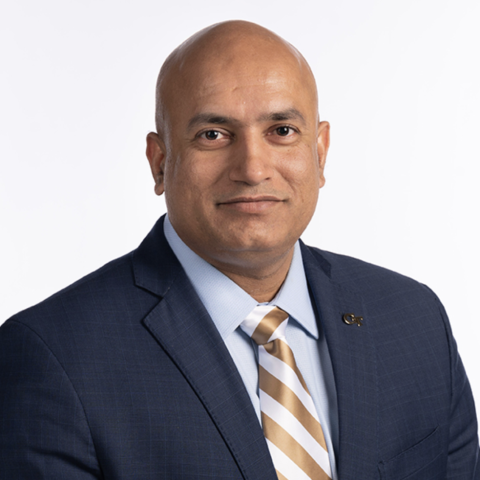
Erturk began at Georgia Tech in May 2011 as an Assistant Professor, he was promoted to Associate Professor with tenure in 2016 and became a full Professor in 2019. Prior to joining Georgia Tech, he worked as a Research Scientist in the Center for Intelligent Material Systems and Structures at Virginia Tech (2009-2011). His postdoctoral research interests included theory and experiments of smart structures for applications ranging from aeroelastic energy harvesting to bio-inspired actuation. His Ph.D. dissertation (2009) was centered on experimentally validated electromechanical modeling of piezoelectric energy harvesters using analytical and approxIMaTe analytical techniques. Prior to his Ph.D. studies in Engineering Mechanics at Virginia Tech, Erturk completed his M.S. degree (2006) in Mechanical Engineering at METU with a thesis on analytical and semi-analytical modeling of spindle-tool dynamics in machining centers for predicting chatter stability and identifying interface dynamics between the assembly components.

Woodruff Professor, Woodruff School of Mechanical Engineering
Phone
404.385.1394
Office
Love 126
Additional Research

Structural Dynamics; Vibrations; Smart Materials & Structures; Energy Harvesting; Acoustic Metamaterials; Acoustics and Dynamics; Smart materials; Piezoelectronic Materials; Metamaterials; Energy Harvesting

Research Focus Areas
Google Scholar
https://scholar.google.com/citations?hl=en&user=OwypZqcAAAAJ&view_op=list_works&sortby=pubdate

Suresh Menon

Suresh Menon's profile picture
suresh.menon@aerospace.gatech.edu

Professor Menon joined Flow Industries, Kent, Washington, as a research scientist, and in 1988, became a senior scientist and program manager for the computational fluid dynamics group in Quest Integrated, Inc. (formerly called Flow Research, Inc.). At Quest, Menon led research teams in various research projects such as the active control of combustion instability in ramjet engines, supersonic mixing studies, vertical takeoff and landing (VTOL) aircraft fluid dynamics, and hypersonic reentry problems. In 1992, he joined Georgia Institute of Technology as an associate professor and became a professor in 1997. He is currently the Hightower Professor of Engineering in Georgia Tech. Professor Menon is a world renowned expert in large-eddy simulation of turbulent reacting and non-reacting flows and has developed unique simulation capabilities to study pollutant formation, ozone depletion in high-altitude aircraft jet plumes and combustion in gas turbine and ramjet engines. He has been (and is currently) a principal investigator for a wide range of research projects funded by NASA, Department of Energy, Air Force Office of Scientific Research, Office of Naval Research, Defense Threat Reduction Agency. His work has been (and is also) supported by many industries including General Electric, Pratt & Whitney, Solar Turbines, Boeing, Safran (France), Hyundai (S. Korea), JAXA (Japan), IHI (Japan) and Rocketdyne-Aerojet. He has published and/or presented over 395 papers. Professor Menon is a Fellow of AAAS, Associate Fellow of AIAA, and a member of the American Physical Society, the American Society of Mechanical Engineers, the Combustion Institute and the Sigma Xi. He is a peer reviewer for numerous archival journals, NASA, NSF, DoD and DOE research proposals.

Professor, Guggenheim School of Aerospace Engineering
Phone
(404) 894-9126
Additional Research
  • Combustion
  • Data Driven Discovery
  • Energy Generation
  • Energy Storage, and Distribution

Jian Luo

Jian Luo's profile picture
jian.luo@ce.gatech.edu

Dr. Jian Luo completed his undergraduate and M.S. studies at Tsinghua University, Beijing, where he received a B.Sc.(Eng.) and a M.S. degree in Environmental Engineering in 1998 and 2000, respectively. He completed his Ph.D. in 2006 in Department of Civil and Environmental Engineering at Stanford University, California. The research Dr. Luo is conducting involves field, theoretical, and computational investigations of flow and reactive transport in subsurface; development and application of geostatistical methods for the spatial and temporal analysis of hydrogeologic and biochemistry data; development of computational algorithms and programs to simulate subsurface flow and reactive transport, and to assess the associated uncertainty; inverse modeling to estimate flow and transport parameters under uncertainty; and use of such computational methods and models to assess subsurface contamination, and to aid the optimal design of groundwater remediation operations.

Professor, School of Civil and Environmental Engineering
Phone
(404) 385-6390
Additional Research
  • Geosystem
  • Water

Devesh Ranjan

Devesh Ranjan's profile picture
devesh.ranjan@me.gatech.edu

Devesh Ranjan was named the Eugene C. Gwaltney, Jr. School Chair in the Woodruff School of Mechanical Engineering at Georgia Tech and took over the role on January 1, 2022. He previously served as the Associate Chair for Research, and Ring Family Chair in the Woodruff School. He also holds a courtesy appointment in the Daniel Guggenheim School of Aerospace Engineering and serves as a co-director of the $100M Department of Defense-funded University Consortium for Applied Hypersonics (UCAH). At Georgia Tech, Ranjan has held several leadership positions including chairing ME’s Fluid Mechanics Research Area Group (2017 - 2018), serving as ME’s Associate Chair for Research (2019-present), and as co-chair of the “Hypersonics as a System” task-force, and serving as Interim Vice-President for Interdisciplinary Research (Feb 2021-June 2021). 

Ranjan joined the faculty at Georgia Tech in 2014. Before coming to Georgia Tech, he was a director’s research fellow at Los Alamos National Laboratory (2008) and Morris E. Foster Assistant Professor in the Mechanical Engineering department at Texas A&M University (2009-2014). He earned a bachelor's degree from the NIT-Trichy (India) in 2003, and master's and Ph.D. degrees from the UW-Madison in 2005 and 2007 respectively, all in mechanical engineering. 

Ranjan’s research focuses on the interdisciplinary area of power conversion, complex fluid flows involving shock and hydrodynamic instabilities, and the turbulent mixing of materials in extreme conditions, such as supersonic and hypersonic flows. Ranjan is a Fellow of the American Society of Mechanical Engineers (ASME), and has received numerous awards for his scientific contributions, including the DOE-Early Career Award (first GT recipient), the NSF CAREER Award, and the US AFOSR Young Investigator award. He was also named the J. Erskine Love Jr. Faculty Fellow in 2015. He was invited to participate in the National Academy of Engineering’s 2016 US Frontiers in Engineering Symposium. For his educational efforts and mentorship activity, he has received CATERPILLAR Teaching Excellence Award from College of Engineering at Texas A&M, as well as 2013 TAMU ASME Professor Mentorship Award from TAMU student chapter of the ASME. At Georgia Tech, Ranjan served as a Provost’s Teaching and Learning Fellow (PTLF) from 2018-2020, and was named 2021 Governor’s Teaching Fellow. He was also named Diversity, Equity and Inclusion (DEI) Fellow for 2020-21. 

Ranjan is currently part of a 10-member Technical Screening Committee of the NAE’s COVID-19 Call for Engineering Action taskforce, an initiative to help fight the coronavirus pandemic. He currently serves on the Editorial Board of Shock Waves and was a former Associate Editor for the ASME Journal of Fluids Engineering.

Professor, Woodruff School of Mechanical Engineering
Phone
(404) 385-2922
Additional Research

Nuclear; Thermal Systems

Andrew Medford

Andrew Medford's profile picture
andrew.medford@chbe.gatech.edu

Dr. Medford is interested in leveraging materials informatics, statistics, and machine learning to maximize the practical impact of fundamental atomic-scale simulations in the field of surface science and catalysis. His research areas include heterogeneous catalysis, oxide surface chemistry, density functional theory, kinetic models, uncertainty quantification, and Bayesian optimization and inference.

Assistant Professor, School of Chemical and Biomolecular Engineering
Phone
(404) 385-5531
Additional Research
  • Catalysis
  • Biochemicals
  • Biorefining
  • Chemistry
  • Sugars
  • Molecular Simulations
  • Computational Biology

Valerie Thomas

Valerie Thomas's profile picture
valerie.thomas@isye.gatech.edu

Valerie Thomas is the Anderson-Interface Chair of Natural Systems and Professor in the H. Milton School of Industrial and Systems Engineering, with a joint appointment in the School of Public Policy. 

Dr. Thomas's research interests are energy and materials efficiency, sustainability, industrial ecology, technology assessment, international security, and science and technology policy. Current research projects include low carbon transportation fuels, carbon capture, building construction, and electricity system development. Dr. Thomas is a Fellow of the American Association for the Advancement of Science, and of the American Physical Society. She has been an American Physical Society Congressional Science Fellow, a Member of the U.S. EPA Science Advisory Board, and a Member of the USDA/DOE Biomass Research and Development Technical Advisory Committee. 

She has worked at Princeton University in the Princeton Environmental Institute and in the Center for Energy and Environmental Studies, and at Carnegie Mellon University in the Department of Engineering and Public Policy.

Dr. Thomas received a B. A. in physics from Swarthmore College and a Ph.D. in theoretical physics from Cornell University.

Anderson-Interface Chair of Natural Systems
Professor, School of Industrial and Systems Engineering
RBI Initiative Lead: Sustainability Analysis
Phone
(404) 894-0390
Additional Research

Hydrogen Transport/Storage; Biofuels; ClIMaTe/Environment; Electric Vehicles; System Design & Optimization; Energy and Materials Efficiency; Sustainability; Industrial Ecology; Technology Assessment; Science and Technology Policy

Meisha Shofner

Meisha Shofner's profile picture
meisha.shofner@mse.gatech.edu

Meisha L. Shofner is a professor in the School of Materials Science and Engineering at Georgia Institute of Technology, joining the faculty following post-doctoral training at Rensselaer Polytechnic Institute. She received her B.S. in Mechanical Engineering from The University of Texas at Austin and her Ph.D. in Materials Science from Rice University. Prior to beginning graduate school, she was employed as a design engineer at FMC in the Subsea Engineering Division, working at two plant locations (Houston, Texas and the Republic of Singapore), and she is a registered Professional Engineer in Georgia.

Shofner’s research area is processing-structure-property relationships of polymers and composites. Specifically, she designs processing strategies to attain hierarchical structures in these materials to improve properties and has discovered scalable processing methods to produce auxetic structures and tensegrity-inspired structures. Additionally, she works with bioderived materials to produce composites with reduced environmental impact.  

Professor, School of Materials Science and Engineering
Phone
404.385.7216
Office
MRDC 4409
Additional Research

Biomolecular-Solids; Biomaterials; Composites; Polymers; Nanomaterials; Biofuels; Structure-property relationships in polymer nanocomposite materials; producing structural hierarchy in these materials for structural and functional applications.

Google Scholar
https://scholar.google.com/citations?hl=en&user=BrXwtO4AAAAJ&view_op=list_works&sortby=pubdate