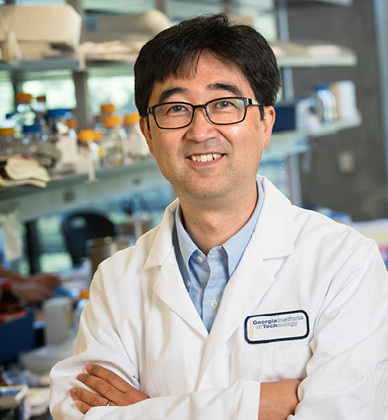
Scott Danielsen

Scott Danielsen's profile picture
scott.danielsen@mse.gatech.edu

Scott Danielsen is an Assistant Professor in the School of Materials Science and Engineering at the Georgia Institute of Technology. He obtained his Ph.D. in chemical engineering at the University of California, Santa Barbara in 2018 and his B.S.E. in chemical and biomolecular engineering at the University of Pennsylvania in 2014. He then spent five years as a postdoctoral associate at Duke University and as a visiting scholar at the University of North Carolina School of Medicine from 2019-2023. 

Prof. Danielsen’s group uses a combination of theoretical, computational, and experimental methods to reveal structure–property–processing relationships of soft materials. Their current primary research interests are the structure and dynamics of nonideal structured fluids, particularly polymer gels and biological fluids, with a focus on designing new materials and processing conditions for functional materials.

Assistant Professor, School of Materials Science and Engineering

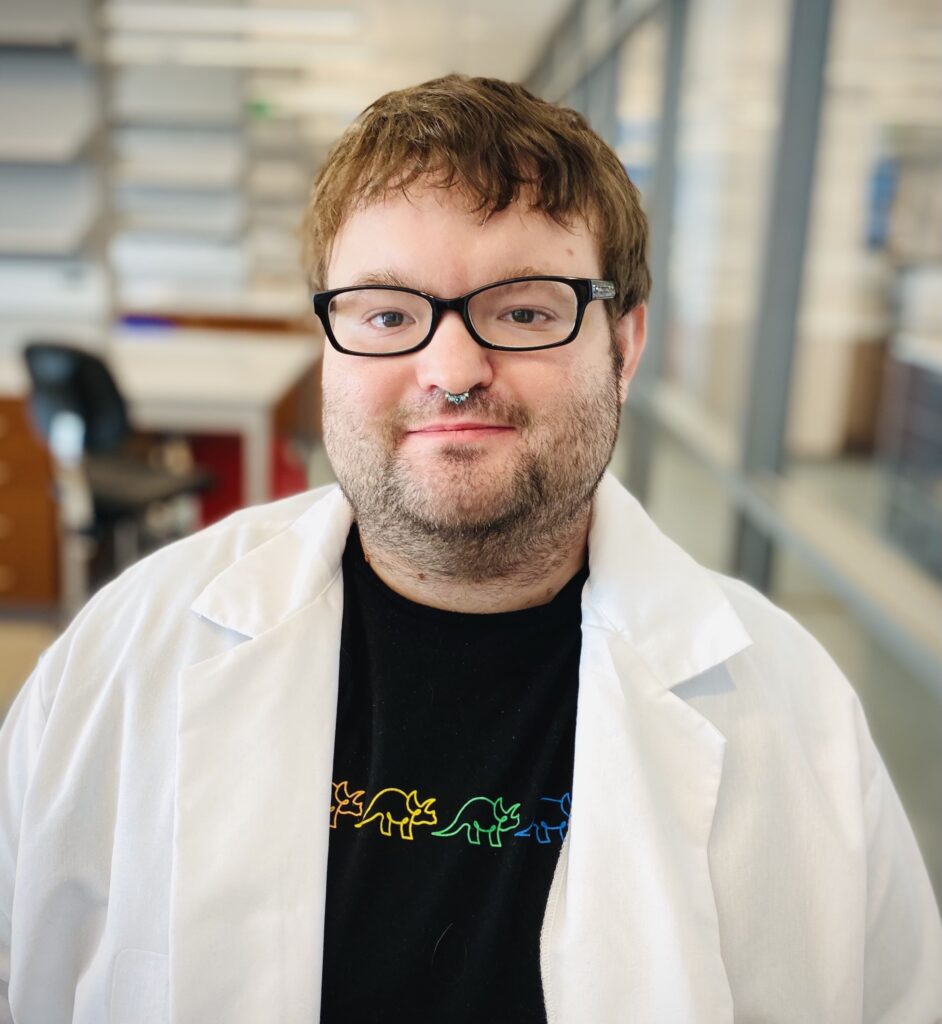
Sabetta Matsumoto

Sabetta Matsumoto's profile picture
sabetta@gatech.edu

Sabetta Matsumoto received her B.A., M.S. and Ph.D. from the University of Pennsylvania. She was a postdoctoral fellow at the Princeton Center for Theoretical Sciences and in the Applied Mathematics group and Harvard University. She is a professor in the School of Physics at the Georgia Institute of Technology. She uses differential geometry, knot theory, and geometric topology to understand the geometry of materials and their mechanical properties. She is passionate about using textiles, 3D printing, and virtual reality to teach geometry and topology to the public.

Associate Professor
University, College, and School/Department

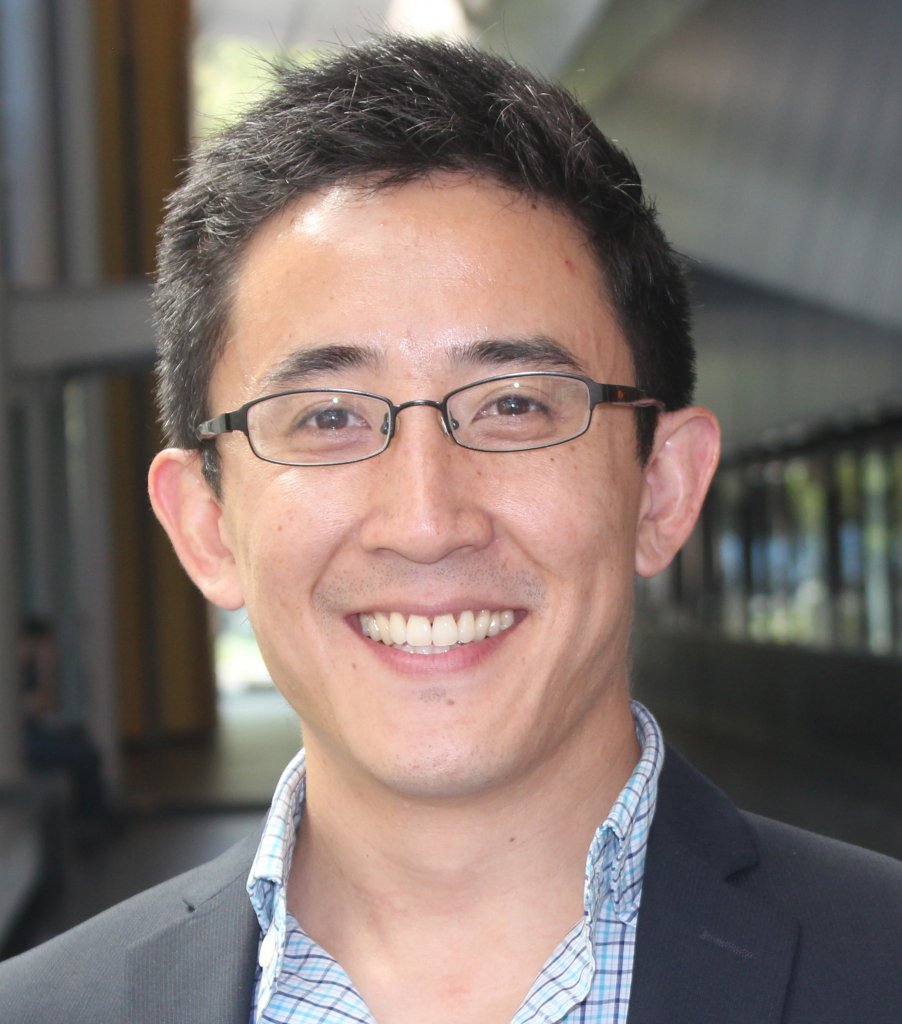
Vida Jamali

Vida Jamali's profile picture
vida@gatech.edu

Vida Jamali earned her Ph.D. in chemical and biomolecular engineering from Rice University under the guidance of Professor Matteo Pasquali and her B.S. in chemical engineering from Sharif University of Technology. Jamali was a postdoctoral researcher in Professor Paul Alivisato's lab at UC Berkeley and Kavli Energy Nanoscience Institute before joining Georgia Tech. The Jamali Research Group uses experimental, theoretical, and computational tools such as liquid phase transmission electron microscopy, rheology, statistical and colloidal thermodynamics, and machine learning to study the underlying physical principles that govern the dynamics, statistics, mechanics, and self-organization of nanostructured soft materials, in and out of thermal equilibrium, from both fundamental and technological aspects.

Assistant Professor, School of Chemical and Biomolecular Engineering
Phone
404.894.5134
Office
ES&T 1222
Additional Research

Studying dynamics and self-assembly of nanoparticles and macromolecules in heterogeneous chemical and biological environmentsInvestigating individual to collective behavior of active nanomachinesHarnessing the power of machine learning to understand physical rules governing nanostructured-soft materials, design autonomous microscopy experimentation for inverse material design, and develop new statistical and thermodynamic models for multiscale phenomena

Sung Jin Park

Sung Jin Park 's profile picture
sung.jin.park@emory.edu

My lab, Biohybrid System Laboratory, is interested in elucidating how biological systems coordinate the hierarchical structures and functions of their individual components, in order to produce emergent physical behaviors, and how disrupting this coordination potentiates disease. We seek to design, build, and test a hierarchy of biohybrid systems capable of reproducing the targeted behaviors. Our primary interest is coordinated activation and contraction of tissue- and organ-level cardiac and skeletal muscle systems. To pursue this goal, we focus on the development of biohybrid fabrication methods and measurement systems through the combined application of genetic tools, induced pluripotent stem cells, tissue engineering, microfabrication, electronics, optics, and feedback control. The resulting findings and technical developments will be translated into various applications such as (1) stem cell-based functional assays for personalized disease diagnosis and treatment and (2) new types of biohybrid actuators for creating biological autonomous systems.

C.P. Wong

C.P. Wong's profile picture
cp.wong@mse.gatech.edu

Professor C. P. Wong is the Charles Smithgall Institute Endowed Chair and Regents’ Professor. After his doctoral study, he was awarded a two-year postdoctoral fellowship with Nobel Laureate Professor Henry Taube at Stanford University. Prior to joining Georgia Tech, he was with AT&T Bell Laboratories for many years and became an AT&T Bell Laboratories Fellow in 1992. 

His research interests lie in the fields of polymeric materials, electronic packaging and interconnect, interfacial adhesions, nano-functional material syntheses and characterizations. nano-composites such as well-aligned carbon nanotubes, grahenes, lead-free alloys, flip chip underfill, ultra high k capacitor composites and novel lotus effect coating materials. 

He received many awards, among those, the AT&T Bell Labs Fellow Award in 1992, the IEEE CPMT Society Outstanding Sustained Technical Contributions Award in 1995, the Georgia Tech Sigma Xi Faculty Best Research Paper Award in 1999, Best MS, PhD and undergraduate Thesis Awards in 2002 and 2004, respectively, the University Press (London) Award of Excellence, the IEEE Third Millennium Medal in 2000, the IEEE EAB Education Award in 2001, the IEEE CPMT Society Exceptional Technical Contributions Award in 2002, the Georgia Tech Class of 1934 Distinguished Professor Award in 2004, Outstanding Ph.D. Thesis Advisor Award in 2005, the IEEE Components, Packaging and Manufacturing Technology Field Award in 2006, the Sigma Xi’s Monie Ferst Award in 2007, the Society of Manufacturing Engineers (SME)’s TEEM Award in 2008, the 2009 IEEE -CPMT David Feldman Outstanding Contribution Award and the 2009 Penn State University Distinguished Alumni Award. The 2012 International Dresden Barkhausen Award (Germany). 

He holds over 65 U.S. patents, numerous international patents, has published over 1000 technical papers, 12 books and a member of the National Academy of Engineering of the USA since 2000.

Regents' Professor, School of Materials Science and Engineering
Smithgall Institute Endowed Chair
Phone
404-894-8391
Office
Love 367

Ankur Singh

Ankur Singh headshot
ankur.singh@gatech.edu

Prof. Singh has a joint appointment with the Wallace H. Coulter Department of Biomedical Engineering at Georgia Tech and Emory University.

Prof. Singh started at Cornell University as an Assistant Professor in 2013 and was promoted with tenure to Associate Professor with joint appointments in the Mechanical Engineering and Biomedical Engineering. At Cornell, he served as the Associate Director of the NIH T32 training grant on Immuno-engineering, executive council of the Center for Immunology, and the Cornell (Ithaca) – Weill Cornell Medicine (NYC) Academic Integration initiative. Prior to joining Cornell, he completed his postdoctoral training in cell mechanobiology, cell-matrix interactions, and stem cell engineering at Georgia Tech in Mechanical Engineering.

Professor
Research Focus Areas

Shuichi Takayama

Shuichi Takayama's profile picture
takayama@gatech.edu

Shu Takayama earned his BS and MS in Agricultural Chemistry at the University of Tokyo. He earned a Ph.D. in Chemistry at The Scripps Research Institute in La Jolla, California studying bio-organic synthesis with Dr. Chi‐Huey Wong. He then worked as a postdoc with Dr. George Whitesides at Harvard University where he focused on applying microfluidics to studying cell and molecular biology.

Takayama began his career at the University of Michigan, where led his lab in the Department of Biomedical Engineering and Macromolecular Science & Engineering for over 17 years. In 2017, the lab moved to Georgia Tech where Shu became the Georgia Research Alliance Price Gilbert Chair Professor of Biomedical Engineering in the Wallace H. Coulter Department of Biomedical Engineering.

Takayama’s research interests are diverse and motivated by clinical and biotechnology needs. He is always interested in hearing from stakeholders in these areas who are seeking engineering collaboration.

Professor, Wallace H. Coulter Department of Biomedical Engineering
GRA Eminent Scholar, Wallace H. Coulter Department of Biomedical Engineering
Price Gilbert, Jr. Chair in Regenerative Engineering andMedicine
Phone
404.385.5722
Office
EBB 4018
Additional Research

Use of micro/nanofluidics for cell analysis; diagnostics; and chromatin analysis; High throughput 3D cell cultures; Organs-on-a-chip construction and design; Role of rhythm in cell signaling; Self-switching fluidic circuits; Fracture fabrication

Google Scholar
https://scholar.google.com/citations?hl=en&user=IkhTUu4AAAAJ&view_op=list_works&sortby=pubdate

Andrés J. García

Andrés J. García's profile picture
andres.garcia@me.gatech.edu
Executive Director, Parker H. Petit Institute for Bioengineering and Bioscience
The Petit Director’s Chair in Bioengineering and Bioscience
Regents’ Professor, George Woodruff School of Mechanical Engineering
Phone
404-894-9384
Office
Petit Biotechnology Building, Office 2310
Additional Research

Dr. Garcia's research centers on cellular and tissue engineering, areas which integrate engineering and biological principles to control cell function in order to restore and/or enhance function in injured or diseased organs. Specifically, his research focuses on fundamental structure-function relationships governing cell-biomaterials interactions for bone and muscle applications. Current projects involve the analysis and manipulation of cell adhesion receptors and their extracellular matrix ligands. For example, a mechanochemical system has been developed to analyze the contributions of receptor binding, clustering, and interactions with other cellular structural proteins to cell adhesion strength. In another research thrust, bio-inspired surfaces, including micropatterned substrates, are engineered to control cell adhesion in order to direct signaling and cell function. For instance, biomolecular surfaces have been engineered to target specific adhesion receptors to modulate cell signaling and differentiation. These biomolecular strategies are applicable to the development of 3D hybrid scaffolds for enhanced tissue reconstruction,"smart" biomaterials, and cell growth supports. Finally, genetic engineering approaches have been applied to engineer cells that form bone tissue for use in the development of mineralized templates for enhanced bone repair.

Google Scholar
https://scholar.google.com/citations?user=px6Z53IAAAAJ&hl=en&oi=sra

Andrew McShan

Andrew McShan, Ph.D.
andrew.mcshan@chemistry.gatech.edu

The questions that keep us up at night are: How does the immune system present and recognize antigens to combat disease? What are the molecular features involved in stimulating robust and specific immune responses? How can we exploit distinct features of immune recognition to develop new treatments for disease? Our research centers on answering these important questions. We focus on the CD1 family of major histocompatibility complex class I (MHC-I) related proteins, which present both self and foreign lipids to αβ, γδ, and natural killer T cells. Examples of CD1 complexes involved in the adaptive and innate immune response to human disease include those associated with lipids derived from cancerous cells (Leukemia, Carcinoma, Lymphoma, Melanoma), wasp/bee venom including yellowjackets of the genus Vespula who represent Georgia Tech's mascot Buzz (Hymenoptera venom allergy), bacterial pathogens (Mycobacterium tuberculosis - Tuberculosis, Borrelia burgdorferi - Lyme Disease, Pseudomonas aeruginosa - Pneumonia), viral pathogens (HSV-1 - Herpes, HBV - Hepatitis B), marine sponges, and self cells in autoimmune disease (Dermatitis, Psoriasis, Lysosomal Storage Disease). Recent studies have shown that CD1 can also associate with and present a much broader range of antigens, such as skin oils that lack a discernible hydrophilic head group, lipopeptides, and non-lipid small molecules. Unlike peptide antigen presentation by high polymorphic human MHC-I complexes for which therapeutics must be tailored to a patients genetic background, the non-polymorphic nature of CD1 means that lipid/CD1 molecules are attractive candidates for donor-unrestricted (i.e. universal and patient-haplotype independent) vaccines and immunotherapy treatments. Progress in the development of lipid/CD1 mediated therapies has been hindered by an incomplete understanding in several important features of the CD1 antigen processing and presentation pathway as well as a lack of structural information for clinically relevant lipid/CD1 complexes. We aim to address these knowledge gaps with our research.
 

Assistant Professor
Phone
404.385.6052
Office
MoSE G022
Research Focus Areas

Gabe Kwong

Gabe Kwong's profile picture
gkwong@gatech.edu

Dr. Gabe Kwong is a Professor in the Wallace H. Coulter Department of Biomedical Engineering at the Georgia Tech School of Engineering and Emory School of Medicine. His research program is conducted at the interface of the life sciences, medicine and engineering where a central focus is understanding how to harness the sophisticated defense mechanisms of immune cells to eradicate disease and provide protective immunity. Kwong has pioneered numerous biomedical technologies and published in leading scientific journals such as Nature Biotechnology and Nature Medicine. His work has been profiled broadly including coverage in The Economist, NPR, BBC, and WGBH-2, Boston 's PBS station. Professor Kwong earned his B.S. in Bioengineering with Highest Honors from the University of California, Berkeley and his Ph.D. in Bioengineering from California Institute of Technology with Professor James R. Heath. He conducted postdoctoral studies at Massachusetts Institute of Technology with Professor Sangeeta N. Bhatia. For his work, Dr. Kwong has been awarded the NIH Ruth L. Kirschstein National Research Service Award, named a "Future Leader in Cancer Research and Translational Medicine" by the Massachusetts General Hospital, and awarded the Burroughs Wellcome Fund Career Award at the Scientific Interface, a distinction given to the 10 most innovative bioengineers in the nation. Dr. Kwong holds seven issued or pending patents in cancer nanotechnology.

Professor
Director, Laboratory for Synthetic Immunity
Phone
404-385-3746
Office
Marcus Nanotechnology 3132
Additional Research

Human health has been transformed by our collective capacity to engineer immunity — from the pivotal development of the smallpox vaccine to the curative potential of recent cancer immunotherapies. These examples motivate our research program that is conducted at the interface of Engineering and Immunology, and where we develop biomedical technologies and applications that shape a diverse array of immunological systems.The questions that are central to our exploration include: How do we begin to study an individual's repertoire of well over one billion immune cells when current technologies only allow us to study a handful of cells at a time? What are the biomarkers of immunological health as the body responds to disease and ageing, and how may these indicators trigger clinical decisions? And how can we genetically rewire immune cells to provide them with entirely new functions to better fight complex diseases such as cancer?To aid in our studies, we use high-throughput technologies such as next-generation sequencing and quantitative mass spectrometry, and pioneer the development of micro- and nanotechnologies in order to achieve our goals. We focus on clinical problems in cancer, infectious diseases and autoimmunity, and ultimately strive to translate key findings into therapies for patients.

Google Scholar
https://scholar.google.com/citations?user=VAbRCjIAAAAJ&hl=en