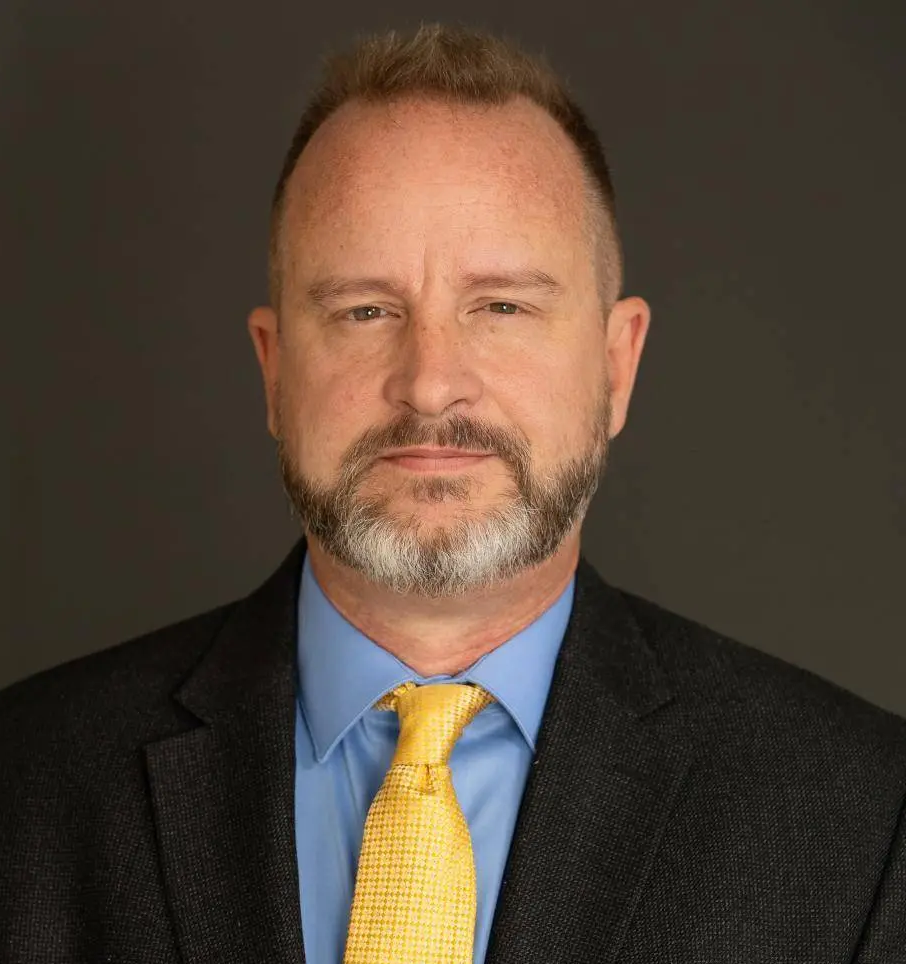
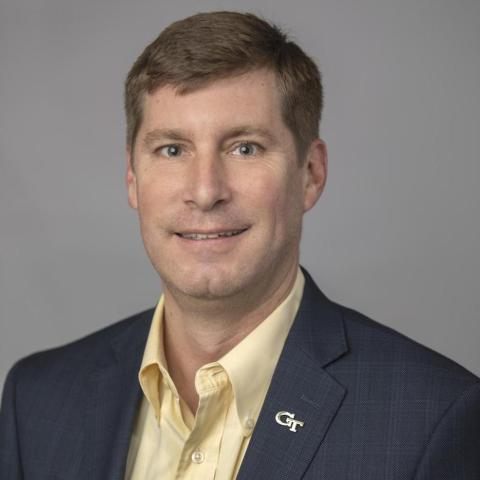
Molei Tao

Molei Tao's profile picture
mtao@gatech.edu

Molei Tao received B.S. in Math & Physics in 2006 from Tsinghua Univ. (Beijing) and Ph.D. in Control & Dynamical Systems with a minor in Physics in 2011 from Caltech (advisor: Houman Owhadi, co-advisor: Jerry Marsden). Afterwards, he worked as a postdoc in Computing & Mathematical Sciences at Caltech from 2011 to 2012, and then as a Courant Instructor at NYU from 2012 to 2014. From 2014 on, he has been an assistant, and then associate professor in School of Math at Georgia Tech. He is a recipient of W.P. Carey Ph.D. Prize in Applied Mathematics (2011), American Control Conference Best Student Paper Finalist (2013), NSF CAREER Award (2019), AISTATS best paper award (2020), IEEE EFTF-IFCS Best Student Paper Finalist (2021), Cullen-Peck Scholar Award (2022), GT-Emory AI.Humanity Award (2023), a Plenary Speaker at Georgia Scientific Computing Symposium (2024), a Keynote Speaker at (2024) International Conference on Scientific Computing and Machine Learning, SONY Faculty Innovation Award (2024), Best Poster Award at 2024 international conference “Recent Advances and Future Directions for Sampling” held at Yale, and Richard Duke Fellowship (2025).

Professor, School of Mathematics
Phone
(404) 894-8380;
Additional Research
  • Energy Harvesting
  • Smart Infrastructure

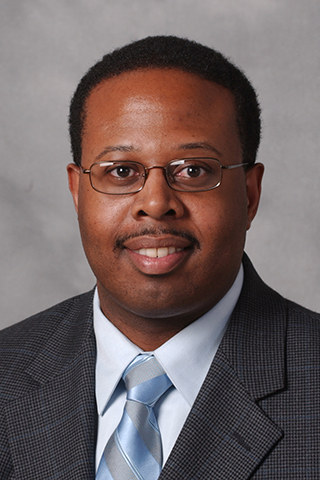
Alan Doolittle

Alan Doolittle's profile picture
alan.doolittle@ece.gatech.edu

Professor Doolittle is a native of Jonesboro, Georgia. He graduated from Georgia Tech with a bachelor's degree in electrical engineering with highest honors in 1989. He later received his Ph.D. in electrical engineering in 1996 from Georgia Tech. 

His thesis work revolved around identifying the device limiting defects in photovoltaic silicon materials using several custom designed and patented tools. He later worked as a Research Engineer II in the area of compound semiconductor growth with emphasis on wide bandgap semiconductors. He joined the Georgia Tech faculty in 2001. 

During his time at Georgia Tech he has helped develop academic programs in the areas of microelectronic fabrication, materials growth, characterization, and measurement system design. Professor Doolittle consults with industry in the areas of law, materials testing, MBE growth, and test equipment development. 
His hobbies include bible studies, classic cars, playing the guitar, and reading. Most of his free time is spent with his two teenage children.

Professor, School of Electrical and Computer Engineering
Phone
(404) 894-9884
Additional Research

Electrical Grid; Energy Storage

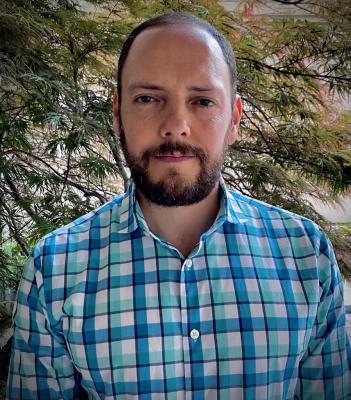
Frank Southworth

Frank Southworth's profile picture
frank.southworth@ce.gatech.edu

Dr. Southworth joined the Georgia Tech faculty in February 2012. Prior to joining Tech, Dr. Southworth spent 28 years as an employee of the US Department of Energy's Oak Ridge National Laboratory located in East Tennessee, leaving ORNL as a Distinguished R&D Staff member in December of 2011. Prior to joining ORNL in 1984 he was a faculty member in the Civil Engineering Department at the University of Illinois in Urbana-Champaign, and before that he was a research officer in the Institute for Transport Studies at the University of Leeds in England. Dr Southworth has published extensively on transportation planning topics, and been involved in the management of a number of large transportation data and modeling projects that have produced widely used datasets and software tools. While at ORNL he received a number of awards for his research contributions. Most of this research has been for federal agencies, including the Environmental Protection Agency, the Agency for International Development, and various branches of the Departments of Agriculture, Commerce, Defense, Energy, Homeland Security and Transportation. He has also carried out research for, among others, the National Science Foundation, the Transportation Research Board, the Brookings Institution, the Pew Center for Global Climate Change, the Tennessee Valley Authority, and the Georgia, New York, and Tennessee State Departments of Transportation. He regularly serves on regional and national review panels dealing with data, statistical and mathematical modeling issues in both freight and passenger transportation.

Research

Freight and passenger demand and supply modeling, Sustainable transportation systems and their supply chains, Transportation planning methods, Electric vehicle markets and policies, Public transit system planning and cost-benefit analysis, Land-use transportation interaction, Energy efficient urban form

Adjunct Principal Research Scientist, School of Civil and Environmental Engineering
Phone
(404) 894-0171
Additional Research

Smart Infrastructure

University, College, and School/Department

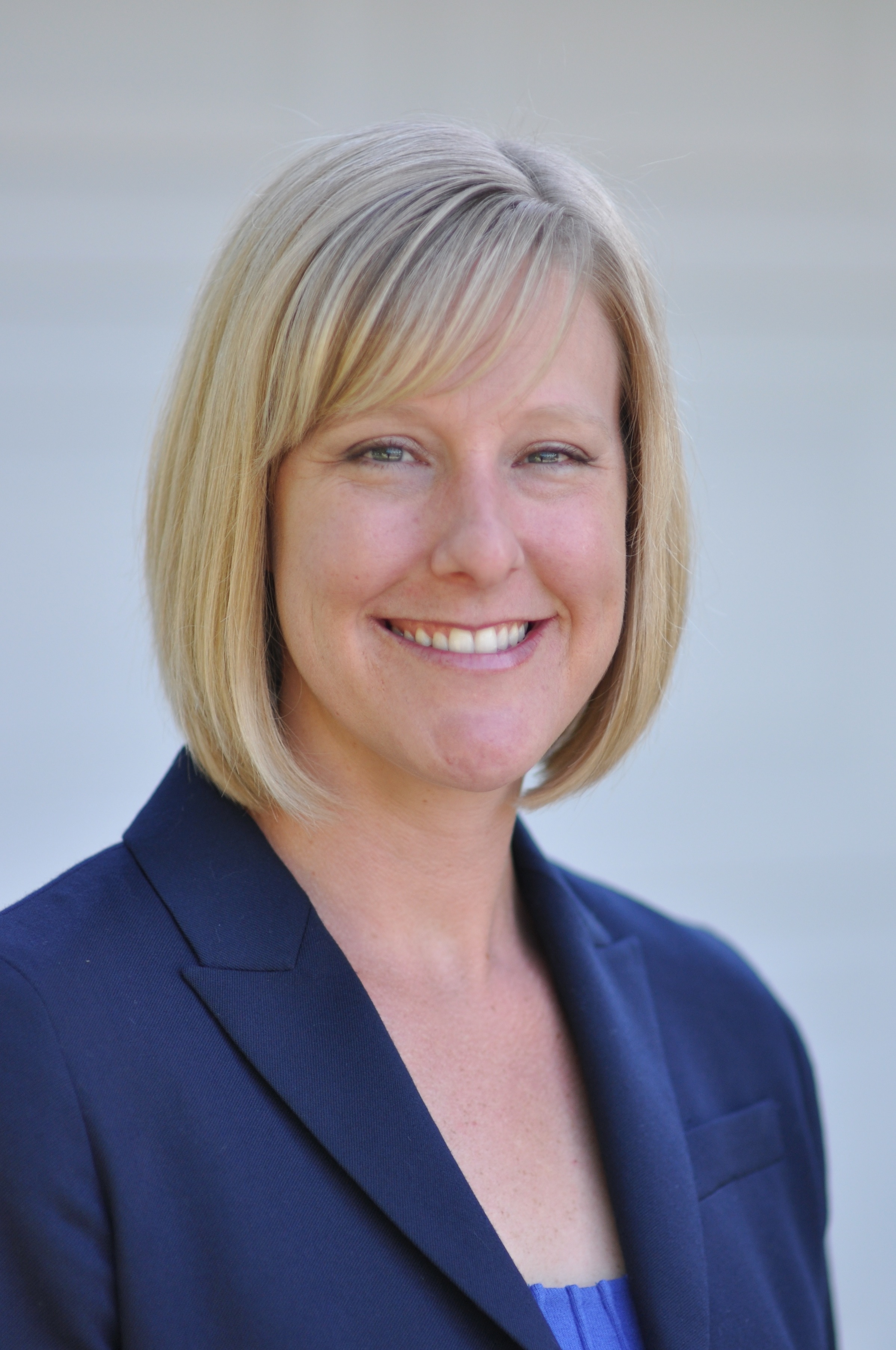
Basak Kalkanci

Basak Kalkanci's profile picture
Basak.Kalkanci@scheller.gatech.edu

Basak Kalkanci is an Associate Professor of Operations Management at the Georgia Institute of Technology Scheller College of Business. Her current research focuses on socially and environmentally responsible supply chain management, behavioral operations management, supply risk management, contracting and information sharing in supply chains. She worked as a postdoctoral associate at MIT before joining Georgia Tech.

Her work appeared in leading journals such as Management Science, Operations Research, Manufacturing & Service Operations Management, and Production and Operations Management. She is the recipient of the Georgia Power Professor of Excellence (2015), M&SOM Meritorious Service Award (2014), Management Science Meritorious Service Award (2015, 2017), and ARCS Emerging Sustainability Scholar Award (2019).

Research Interests

Prof. Kalkanci's research focuses on socially and environmentally responsible supply chain management, contracting and the role of information in decentralized supply chains, and social impacts of on-demand service platforms.

Assistant Professor of Operations Management, Scheller College of Business
Phone
(404) 385-1417
University, College, and School/Department

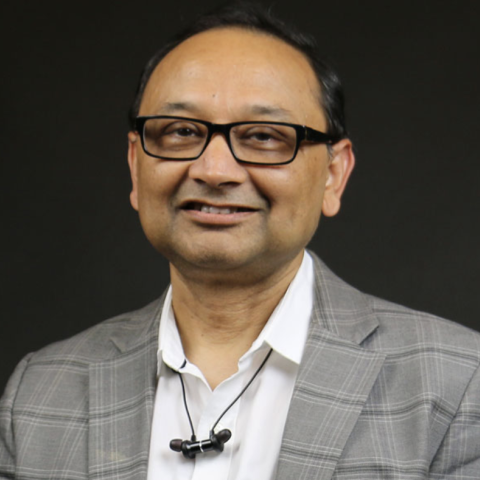
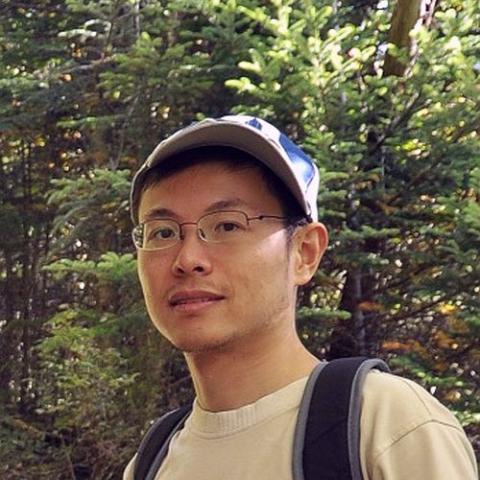
Subhro Guhathakurta

Subhro Guhathakurta's profile picture
subhro.guha@design.gatech.edu

Subhro Guhathakurta is the Harry West Professor in the School of City and Regional Planning. He joined Georgia Tech in 2011 as the director of the Center for Geographic Information Systems, which was renamed the Center for Spatial Planning Analytics and Visualization (CSPAV), and then the Center for Urban Resilience and Analytics (CURA), under his leadership. He was named chair of the School of City & Regional Planning in 2018 and completed his term in 2021.

Professor Guhathakurta was previously associate director of the School of Geographical Sciences and Urban Planning at Arizona State University (ASU) and among the founding faculty members of ASU’s School of Sustainability. He was instrumental in developing the Urban Modeling and Simulation Lab in ASU’s College of Design. He is an author of 6 books and monographs and over 75 scientific papers. His editorial contributions include books such as "Integrated Urban and Environmental Models: A Survey of Current Applications and Research" (Springer-Verlag, 2003), "Visualizing Sustainable Planning" (Springer 2009), and “The Routledge Handbook of International Planning Education” (Routledge 2019). He was a Co-Editor of the Journal of Planning Education and Research (2012-2016) and is serving on editorial boards of several leading planning journals including the Journal of American Planning Association (JAPA). Prof. Guhathakurta is a recipient of the Mercator Professorship by DFG (German National Science Foundation) to conduct research in visualizing unstructured data at the Technische Universität, Kaiserslautern, Germany. He has held visiting appointments at the Center for Advanced Spatial Analysis (CASA) at the University College London; the International Institute of Information Technology, Bangalore; the Center for Sustainable Urban and Regional Futures at the University of Queensland in Brisbane; and served as a high-end expert for the Institute of Environmental Sustainability at Tongji University, Shanghai, China.

Specialization Area: 

Geographic Information Science and Technology

Teaching Interest:

Professor Guhathakurta's recent teaching roles have primarily focused on the Ph.D. program, where he routinely teaches the course on “urban and regional theory” (CP8300). This class discusses the foundational theoretical propositions of urban growth and development through the lens of emerging urban issues and policy. He has also taught "Introduction to Urban Analytics," “Environmental GIS,” and “Introduction to Land use” in various years.

Research Interest:

As director of a research center (CURA), Prof Guhathakurta's research has involved leading multidisciplinary teams of academics, students, and practitioners to pursue externally funded research in the domains of spatial analytics, planning, and policy. These projects range in size and complexity from small ($50,000 and less) to large, multi-year ($1 million +), sponsored by various local, state, and federal agencies. These projects typically involve both discovery and fundamental contributions to the literature and application development (mostly software tools and data) that are used by stakeholders and other researchers.

List of Recent Scholarly Work:

1. Lieu S. J., Koo, BW, Huang, UJ, and Guhathakurta, S. (2026) Automated Detection and Classification of Bike Lanes Using Multimodal Imagery. Remote Sensing Applications: Society and Environment 41. https://doi.org/10.1016/j.rsase.2025.101817. 
2. Liu, K., Guhathakurta, S., Han, C., Hittinger, E., Phoung, S., & Williams, E. (2025). The Impact of Online Shopping on Retail Building Space and Energy Demand in the U.S. Energies, 18(23), 6178. https://doi.org/10.3390/en18236178.
3. Han, C., Lieu, S. J., Hwang, U., & Guhathakurta, S. (2025). Do streetscapes still matter for customer ratings of eating and drinking establishments in car-dependent cities? Journal of Urban Design, 1–22. https://doi.org/10.1080/13574809.2025.2541953.
4. Han, C., Guhathakurta, S., Hittinger, E., Liu, K., Phoung, S., & Williams, E. (2025). Empirical assessment of the relationship between teleworking frequency and residential energy use in the US: multilevel modeling and time use comparisons. Environmental Research: Infrastructure and Sustainability. DOI: https://doi.org/10.1088/2634-4505/ade3fa.  
5. Lieu S. J., Guhathakurta S. (2025). Exploring pedestrian route choice preferences by demographic groups: Analysis of street attributes in Chicago. Transportation Research Part A: Policy and Practice. 195:104437. doi: https://doi.org/10.1016/j.tra.2025.104437. 
6. Lieu, S. J., & Guhathakurta, S. (2025). A novel approach for estimating sidewalk width from street view images and computer vision. Environment and Planning B: Urban Analytics and City Science, 23998083251369602.

Chair, School of City & Regional Planning
Director, Center for Spatial Planning Analytics and Visualization
Harry West Professor, School of City & Regional Planning
Phone
(404) 894-2351
Additional Research
  • City and Regional Planning
  • Cyber/ Information Technology
  • Strategic Planning
  • Visualizations
Research Focus Areas

W. Jud Ready

Jud Ready
jud.ready@gtri.gatech.edu

W. Jud Ready is the executive director of the Space Research Institute. Prior to this role, he served as associate director of external engagement for the Georgia Tech Institute for Matter and Systems and director of the Georgia Tech Center for Space Technology and Research. He has also been an adjunct professor in the School of Materials Science and Engineering at Georgia Tech and a principal research engineer on the research faculty of Georgia Tech Research Institute (GTRI) for over a dozen years. Prior to joining the Georgia Tech faculty, he worked for a major military contractor (General Dynamics) as well as in small business (MicroCoating Technologies). He has served as PI or co-PI for grants totaling ~$17M awarded by the Army, Navy, Air Force, DARPA, NASA, NSF, NIST, industry, charitable foundations and the States of Georgia and Florida. His current research focuses primarily on energy, aerospace, nanomaterial applications, and electronics reliability.

Executive Director, Space Research Institute
Principal Research Engineer, Georgia Tech Research Institute
Phone
404.407.6036
Additional Research

Materials Failure and Reliability; Carbon Nanotubes; Integrated photonics; Photovoltaics; Solar

GTRI
Geogia Tech Research Institute > Electro-Optical Systems Laboratory
Google Scholar
https://scholar.google.com/citations?hl=en&user=Hf8dRC4AAAAJ&view_op=list_works&sortby=pubdate

Samuel Graham

Samuel Graham's profile picture
sam.graham@me.gatech.edu

Samuel Graham is the Rae S. and Frank H. Neely Professor in the School of Mechanical Engineering at the Georgia Institute of Technology. He also holds an appointment in the School of Materials Science and Engineering at Georgia Tech and a joint appointment with the Energy and Transportation Science Division at Oak Ridge National Laboratories. His research focuses on the packaging and reliability of electronic devices ranging from wide bandgap semiconductors to flexible organic electronics and wearable sensors. His is a member of the Center for Organic Photonics and Electronics at Georgia Tech and a co-founder of the Heat Lab which provides thermal solutions for electronics packaging.

Eugene C. Gwaltney, Jr. School Chair, Woodruff School Mechanical Engineering
Professor, Woodruff School of Mechanical Engineering
Director, Electronics Manufacturing and Reliability Laboratory
Phone
404.894.2264
Office
Love 339
Additional Research

Heat Transfer; Nanostructured Materials; Electronic Systems, Devices, Components, & Packaging; Materials Failure and Reliability; Thermal Systems

Google Scholar
https://scholar.google.com/citations?hl=en&user=Fm4mJrsAAAAJ&view_op=list_works&sortby=pubdate

Germán Vergara

Germán Vergara's profile picture
vergara@gatech.edu

Germán Vergara (Ph.D., University of California, Berkeley) specializes in environmental and Latin American history. His research and teaching explore environmental change, animal history, energy regimes, and the ecological problems of capitalism(s) and industrialization in Latin America, which he tries hard to locate in a global context. 

His first book, Fueling Mexico: Energy and Environment, 1850-1950 (Cambridge University Press, 2021), examined how and why modern Mexico transitioned from an agrarian society powered by animal muscle, water, and wood to a fossil-fueled industrial society. Within a century, Mexico went from an energy regime based on dispersed solar energy accumulated in plants and human and animal muscle to one based on the concentrated ancient sunlight trapped in fossil fuels. The book argues that the shift to a carbon-based society has been the main agent of environmental, economic, and social change in Mexico for over a century. The decision to power the country’s economy with fossil fuels locked Mexico in a cycle of endless, fossil-fueled growth. Fueling Mexico is the first study to look at the historical roots of today's global fossil-fuel energy regime from a Latin American perspective. The book was the recipient of the 2021-2023 Elinor Melville Prize for Latin American Environmental History (Conference on Latin American History-CLAH) and received an honorable mention for Best Book in the Humanities 2022 from the Latin American Studies Association (LASA).

Germán's second book project focuses on the biodiversity and extinction crisis in the Americas. Recent estimates suggest that 41 percent of described amphibians, 26 percent of mammals, and 13 percent of birds currently face the threat of extinction worldwide. One of the global centers of biodiversity, the Americas are at the heart of the current extinction crisis. Few regions of the world have experienced as many extinctions or near extinctions as the Western Hemisphere. The book will examine the historical roots of this crisis, adopting a very long-term perspective to better understand the social, cultural, and economic patterns that have resulted in high rates of species loss. Somewhat unwisely, the book will travel from the Late Pleistocene to the modern history of capitalism in the region to ponder whether humans are a uniquely adept species at extinguishing other life forms. Less abstractly, the book will discuss topics such as the recent capitalist commodification of animals and nature, scientific ideas about extinction, animal-human relations, and conservation efforts in the Americas over the centuries. 

Germán has published on energy, forest history, animal history, species extinctions, and has a forthcoming chapter on the environmental history of mining in Mexico. His article "How Coal Kept My Valley Green: Forest Conservation, State Intervention, and the Transition to Fossil Fuels in Mexico" was published in Environmental History. "Animals in Latin American History" appeared in the Oxford Encyclopedia of Latin American History. He co-edited and co-authored the Forum "Extinction and Its Interventions in the Americas" for Environmental History in 2022. 

After earning his Ph.D. from the University of California, Berkeley, Germán spent two years as a postdoctoral fellow in environmental history at Brown University. He has received fellowships from the University of California Institute for Mexico and the United States (UC MEXUS), the Charles A. Hale Fellowship for Mexican History from the Latin American Studies Association, and the USMEX Fellowship Program at the University of California, San Diego. He was selected as the 2022-23 Cisneros Visiting Scholar of the David Rockefeller Center for Latin American Studies (DRCLAS) at Harvard University.

Education:

  • Ph.D. in History, University of California, Berkeley

Areas of
Expertise:

  • Agriculture
  • Animal History
  • Cities
  • Energy History
  • Environmental History
  • Food
  • Industrialization
  • Latin America
  • Mexico
Associate Professor, School of History and Sociology
Phone
404.894.0535
Office
Old CE Building G20
Additional Research

Agriculture, Health, and the Environment Energy, Climate and Environmental Policy Global Cities and Urban Society History of Technology/Engineering and Society Modern Global History/Science, Technology, and Nationalism

Research Focus Areas
University, College, and School/Department