Khalid Salaita

Khalid Salaita's profile picture
k.salaita@emory.edu

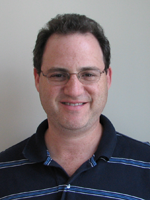
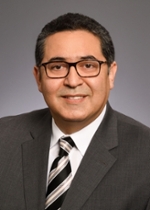
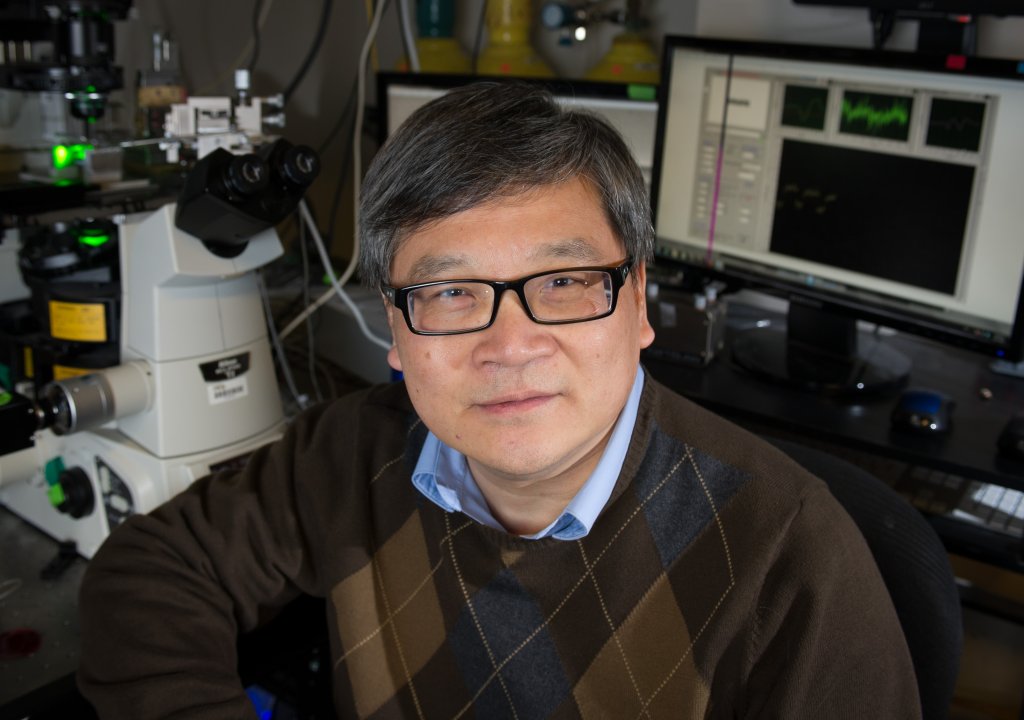
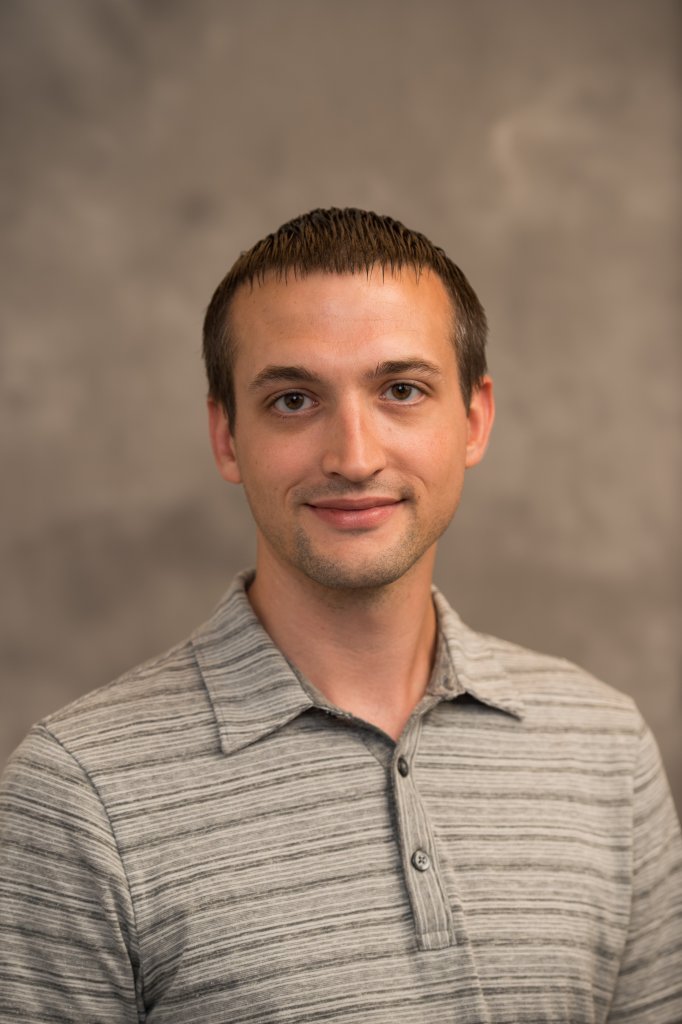
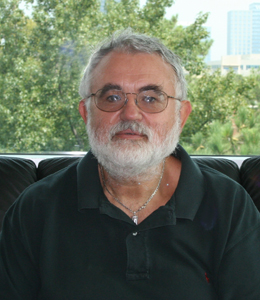
Khalid Salaita is the Samuel Candler Dobbs Professor of Chemistry, and Director for Graduate Studies in the Chemistry Department at Emory University in Atlanta, Georgia (USA). Khalid grew up in Jordan and moved to the US in 1997 to pursue his undergraduate studies at Old Dominion University in Norfolk, Virginia (USA). He worked under the mentorship of Prof. Nancy Xu studying the spectroscopic properties of plasmonic nanoparticles. He then obtained his Ph.D. with Prof. Chad Mirkin at Northwestern University (Evanston, IL) in 2006. 

During that time, he studied the electrochemical properties of organic adsorbates patterned onto gold films and developed massively parallel scanning probe lithography approaches. From 2006-2009, Khalid was a postdoctoral scholar with Prof. Jay T. Groves at the University of California at Berkeley (USA) where he investigated the role of receptor clustering in modulating cell signaling. In 2009, Khalid started his own lab at Emory University, where he is currently investigating the use of nucleic acids as molecular force sensors, smart drugs, and synthetic motors. 

In recognition of his independent work, Khalid has received a number of awards, most notably: the Alfred P. Sloan Research Fellowship, the Camille-Dreyfus Teacher Scholar award, the National Science Foundation Early CAREER award, the Kavli Fellowship, and Merck Future Insight Prize. Khalid is currently the director of the Center on Probes for Molecular Mechanotechnology, and an Associate Editor of SmartMat. Khalid’s program has been supported by NSF, NIH, and DARPA.
Associate Professor
Samuel Candler Dobbs Professor of Chemistry
Director for Graduate Studies in the Chemistry Department
Program Faculty in the Department of Biomedical Engineering at Emory University and Georgia Institute of Technology
Phone
404-727-7522
Office
506 Atwood
Additional Research
In 2009, Khalid started his own lab at Emory University, where he currently investigates biophysical aspects of receptor-mediated cell signaling. To achieve this goal, his group has pioneered the development of molecular force probes and nano-mechanical actuators that are integrated with living cells. These materials are used to investigate the molecular mechanisms of a number of pathways where piconewton forces are thought to be important. These pathways include the Notch-Delta pathway, T cell receptor activation and the integrin-based focal adhesion pathway.
University, College, and School/Department
Google Scholar
https://scholar.google.com/citations?user=ZNhXzgIAAAAJ&hl=en

William Brent Keeling

William Brent Keeling's profile picture
brent.keeling@emory.edu

Dr. Keeling earned his medical degree at the University of Louisville in 2001, did his general surgery residency at the University of South Florida School of Medicine from 2001-2008, and completed his cardiothoracic surgery fellowship at Emory in 2011. Dr. Keeling directs the cardiothoracic surgery program at Grady Memorial Hospital and provides clinical service at Emory University Hospital Midtown. His clinical interests include reoperative cardiac surgery, valve repair and thoracic aortic pathology, and his research focuses on clinical trials as well as data-driven investigations of adult cardiac surgical sub-populations.

Assistant Professor of Surgery, Division of Cardiothoracic Surgery
Chief, Cardiothoracic Surgery Service, Grady Memorial Hospital
Phone
404-616-0539
Additional Research
Targeted clinical investigations of adult cardiac surgical sub-populations.
Research Focus Areas
University, College, and School/Department

Mara Schenker

Mara Schenker's profile picture
m.schenker@gmail.com

Mara Schenker, MD is a clinician-scientist at Emory University. Her clinical practice is in orthopaedic trauma at Grady Memorial Hospital, and her interests include complex periarticular trauma, infection, nonunion, and malunion. Dr. Schenker performs approximately 600 complex trauma surgeries per year. Her research interests include host factors associated with delayed fracture healing (nutrition, infection, frailty, and others). Additional research interests include optimization of resident education.

Associate Professor
Director of Orthopaedic Trauma Research
Phone
404-778-1550
Office
Grady Memorial Hospital
University, College, and School/Department
Google Scholar
https://scholar.google.com/citations?user=EV_I70oAAAAJ&hl=en

Gary J. Bassell

Gary J. Bassell's profile picture
gbassell@emory.edu

Gary J. Bassell, Ph.D. joined the faculty at Emory University School of Medicine in 2005, where he is currently Professor and Chair of the Department of Cell Biology. His personal lab’s main interest is in understanding the mechanisms and functions of mRNA transport and local protein synthesis in neurons of the central and peripheral nervous system. The lab utilizes in vitro and in vivo mouse models and induced pluripotent stem cells (iPSCs) to study the basic mechanism, regulation and function of mRNA localization and local translation in axonal growth cones and dendritic spines. Prior to moving Emory, Dr. Bassell was a member of the faculty at the Albert Einstein College of Medicine, in the Department of Anatomy and Structural Biology (1995-1998) and subsequently in the Department of Neuroscience and Rose Kennedy Center for Mental Retardation (1998-2005). 

Professor and Chair of the Department of Cell Biology
Emory University
Phone
404-727-3772
Office
Whitehead Biomedical Research Bldg. #405E
Additional Research
The research interests of our laboratory are to understand the diverse and critical roles played by mRNA binding proteins and associated factors in the posttranscriptional regulation of gene expression in the nervous system, and investigate how these processes go awry in neurodevelopmental and neurodegenerative disorders. We investigate the normal mechanism, function and regulation of mRNA binding proteins in mRNA transport and local protein synthesis needed for neuronal development and synaptic plasticity. We investigate pathomechanisms for Fragile X syndrome (FXS) and other autism spectrum disorders, as well as two motor neuron diseases: spinal muscular atrophy (SMA) and amyotrophic lateral sclerosis (ALS). We are using mouse models of neurological diseases to assess the function of mRNA regulation and local protein synthesis in axon guidance, synapse development and neuronal signaling. Efforts are also underway to evaluate different therapeutic modalities in these mouse models of neurological diseases. Our research utilizes an integrated multi-disciplinary approach that involves cellular, molecular, biochemical, physiological, and behavioral methods and paradigms. These studies are expected to reveal new mechanisms important for neuronal development and function, and targeted approaches for therapeutic intervention that treat underlying molecular defects in SMA, Fragile X syndrome and autism spectrum disorders.
Research Focus Areas
University, College, and School/Department

Hicham Drissi

Hicham Drissi's profile picture
hicham.drissi@emory.edu

Hicham Drissi is a professor in the Department of Orthopaedics at Emory University School of Medicine. He holds a Ph.D. from Paris Descartes University.

Professor
Professor, Department of Orthopaedics
Vice Chairman, Research, Department of Orthopaedics
Office
Emory Orthopaedic and Spine Research Room 2000
Additional Research
Identifying molecular and developmental cues that govern skeletal tissue derived cell growth and differentiation.
University, College, and School/Department

Cheng Zhu

Cheng Zhu's profile picture
cheng.zhu@bme.gatech.edu

Our interests lie in the adhesion and signaling molecules of the immune system as well as those involved in platelet adhesion and aggregation. We are primarily focused on early cell surface interaction kinetics and their primary signaling responses, as these are critical in determining how a cell will ultimately respond upon contact with another cell. The majority of our work ranges from single molecule interaction studies using atomic force microscopy, molecular dynamics simulations, or biomembrane force probe assays to single cell studies using micropipette adhesions assays, fluorescence imaging techniques, or real-time confocal microscopy. These assays focus on the mechanics and kinetics of receptor-ligand binding and their downstream signaling effects within cells. T cell receptors, selectins, integrins, and their respective ligands are some of the cell surface molecules currently under investigation in our lab. Understanding the initial interaction between molecules such as these and their subsequent early signaling processes is crucial to elucidating the response mechanisms of these physiological systems. Ultimately, our research strives to help better understand the mechanisms within these systems for possible medical applications in autoimmunity, allergy, transplant rejection, and thrombotic disorders. 

Regents' Professor, Coulter Department of Biomedical Engineering
J. Erskine Love Jr. Endowed Chair, Coulter Department of Biomedical Engineering
Executive Director, International Programs, Coulter Department of Biomedical Engineering
Phone
404.894.3269
Office
UAW 1210
Additional Research

BioinformaticsBiomechanicsCell biophysicsElectron MicroscopyMechanobiology

Google Scholar
https://scholar.google.com/citations?hl=en&user=_tPv2wEAAAAJ&view_op=list_works&sortby=pubdate

Aaron Young

Aaron Young's profile picture
aaron.young@me.gatech.edu

Aaron Young is an Associate Professor in Mechanical Engineering and is interested in designing and improving powered orthotic and prosthetic control systems for persons with stroke, neurological injury or amputation. His previous experience includes a post-doctoral fellowship at the University of Michigan in the Human Neuromechanics Lab working with exoskeletons and powered orthoses to augment human performance. He has also worked on the control of upper and lower limb prostheses at the Center for Bionic Medicine (CBM) at the Rehabilitation Institute of Chicago. His master's work at CBM focused on the use of pattern recognition systems using myoelectric (EMG) signals to control upper limb prostheses. His dissertation work at CBM focused on sensory fusion of mechanical and EMG signals to enable an intent recognition system for powered lower limb prostheses for use by persons with a transfemoral amputation.

Associate Professor, George W. Woodruff School of Mechanical Engineering
Director, EPIC Lab
Phone
404.385.5306
Office
GTMI 433
Additional Research

Powered prosthesis; EMG signal processing. Young's research is focused on developing control systems to improve prosthetic and orthotic systems. His research is aimed at developing clinically translatable research that can be deployed on research and commercial systems in the near future. Some of the interesting research questions are how to successfully extract user intent from human subjects and how to use these signals to allow for accurate intent identification. Once the user intent is identified, smart control systems are needed to maximally enable individuals to accomplish useful tasks. For lower limb devices, these tasks might include standing from a seated position, walking, or climbing a stair. We hope to improve clinically relevant measures with powered mechatronic devices, including reducing metabolic cost, improving biomechanics and decreasing the time required to perform daily tasks of living.

Google Scholar
https://scholar.google.com/citations?hl=en&user=NkM21vEAAAAJ&view_op=list_works&sortby=pubdate

Vladimir Tsukruk

Vladimir Tsukruk's profile picture
vladimir@mse.gatech.edu

Vladimir V. Tsukruk is a Dean’s Distinguished Professor of Engineering at the School of Materials Science and Engineering, Georgia Institute of Technology, a founding Director of Microanalysis Center, and founding co-director of DoD BIONIC Center of Excellence.  He received MS degree in physics from the National University of Ukraine, PhD in polymer science and DSc in chemistry from the National Academy of Sciences of Ukraine. He carried out his post-doc research at the U. Marburg, Darmstadt TU, and U. Akron.

He serves on the Editorial Advisory Boards of ten professional journals and as an Associate Editor at ACS Applied Materials and Interfaces. He has co-authored more than 400 refereed articles in archival journals and five books, which have been cited more than 15,500 times with H-index of 60 (WoS).  He has organized ten professional symposia and trained about 70 students currently employed in industry, academia, and national labs.  His research in the field of surfaces, interfaces, directed assembly of synthetic/natural polymers and nanostructures, and bioinspired hybrid nanomaterials has been recognized by The Georgia Tech Outstanding Research Author Award (2015), the Humboldt Lectureship (2011), Humboldt Research Award (2010) and the National Science Foundation Special Creativity Award (2006) among others.

Regents' Professor, School of Materials Science and Engineering
Phone
404.894.6081
Office
M Building 3100M
Additional Research

Bio-Inspired Materials; Surfaces and Interfaces; Biomolecular-Solids; Optical Materials; Smart materials. Bionanocomposites, hybrid nanomaterials, optically active materials, photonic materials, responsive materials, and sensors.

Google Scholar
https://scholar.google.com/citations?hl=en&user=vs3ogn8AAAAJ&view_op=list_works&sortby=pubdate

Matthew Torres

Matthew Torres's profile picture
matthew.torres@biology.gatech.edu

Matt is a former Tar Heel from UNC Chapel Hill. His training is in mass spectrometry-based proteomics and G protein signaling. He has been investigating PTMs since 2001. He is also a co-director of the Systems Mass Spectrometry Core (SYMS-C) facility at Georgia Tech.

Associate Professor
Phone
404-385-0401
Office
EBB 4009
Additional Research

Bioinformatics. My lab integrates mass spectrometry and experimental cell biology using the yeast model system to understand how networks of coordinated PTMs modulate biological function. Now well into the era of genomics and proteomics, it is widely appreciated that understanding individual genes or proteins, although necessary, is often not sufficient to explain the complex behavior observed in living organisms. Indeed, placing context on the dynamic network of relationships that exist between multiple proteins is now one of the greatest challenges in Biology. Post-translational modifications (PTMs, e.g. phosphorylation, ubiquitination and over 200 others), which can be readily quantified by mass spectrometry (MS), often mediate these dynamic relationships through enhancement or disruption of binding and/or catalytic properties that can result in changes in protein specificity, stability, or cellular localization. We use a combination of tools including quantitative mass spectrometry, yeast genetics, dose-response assays, in vitro biochemistry, and microscopy to explore testable systems-level hypotheses. My current research interests can be grouped into four main categories:(1)coordinated PTM-based regulation of dynamic signaling complexes, (2) cross-pathway coordination by PTMs, (3) PTM networks in stress adaptation, and (4) technology development for rapid PTM network detection.

Research Focus Areas
Google Scholar
https://scholar.google.com/citations?user=YU_CG7wAAAAJ&hl=en&oi=ao

Stephen Sprigle

Stephen Sprigle's profile picture
stephen.sprigle@design.gatech.edu

Stephen Sprigle is a Professor at the Georgia Institute of Technology with appointments in Bioengineering, Industrial Design and the George W. Woodruff School of Mechanical Engineering. 

A biomedical engineer with a license in physical therapy, Sprigle directs the Rehabilitation Engineering and Applied Research Lab (REARLab), which focuses on applied disability research and development. The REARLab’s research interests include the biomechanics of wheelchair seating and posture, pressure ulcer prevention, and manual wheelchair propulsion. Its development activities include standardized wheelchair and cushion testing and the design of assistive and diagnostic technologies. Sprigle teaches design-related classes in both the Schools of Industrial Design and Mechanical Engineering.

Professor
Phone
404-385-4302
Office
Architecture 0155
Additional Research
Applied research and device development targeting the increased heath and function of persons with disabilities. Specific areas of interest include: wheeled mobility and seating, pressure ulcer prevention and treatment; design of diagnostic tissue interrogation devices; design of assistive technology. Wheeled Mobility and Seating; Pressure Ulcer Prevention and Treatment; Design of Diagnostic Tissue Interrogation Devices; Design of Assistive Technologies