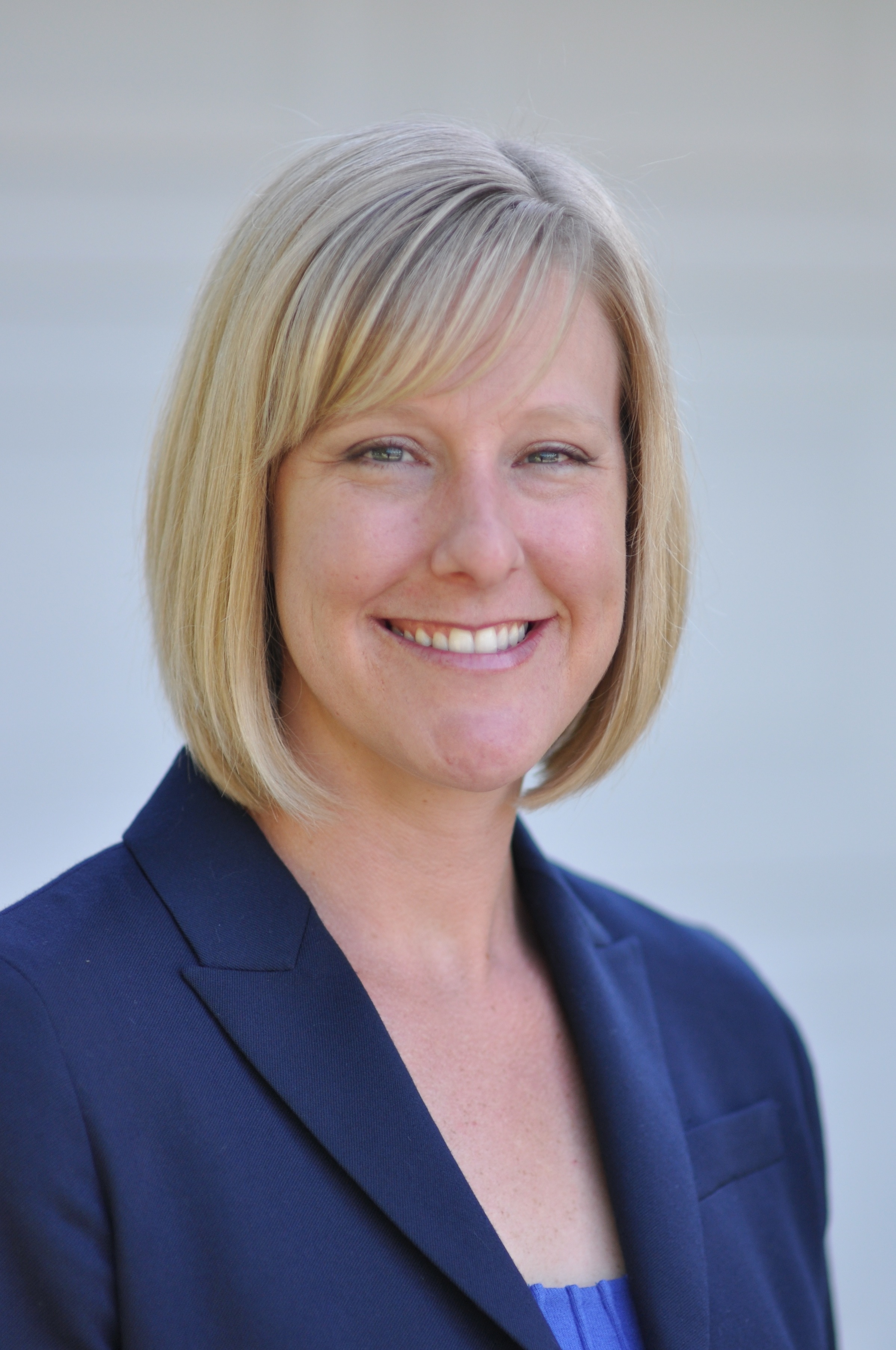
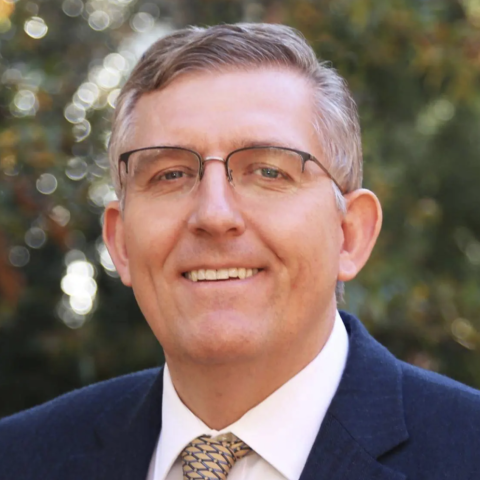
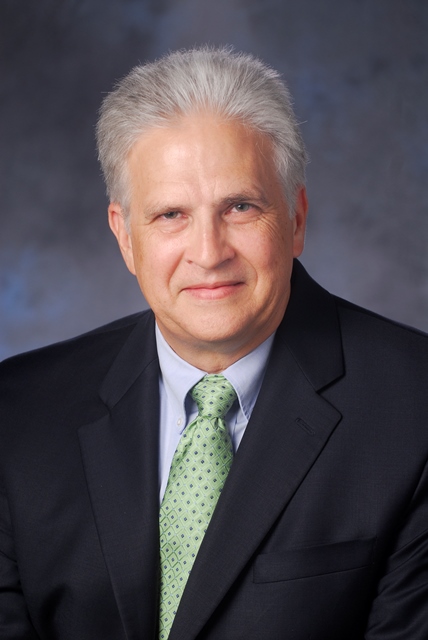
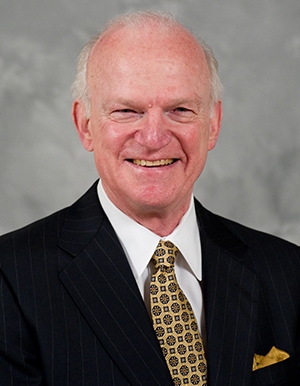
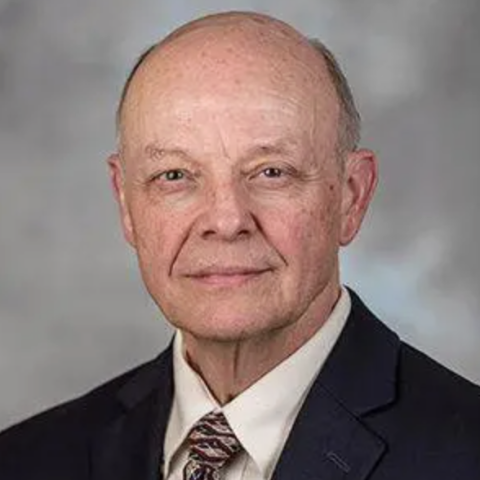
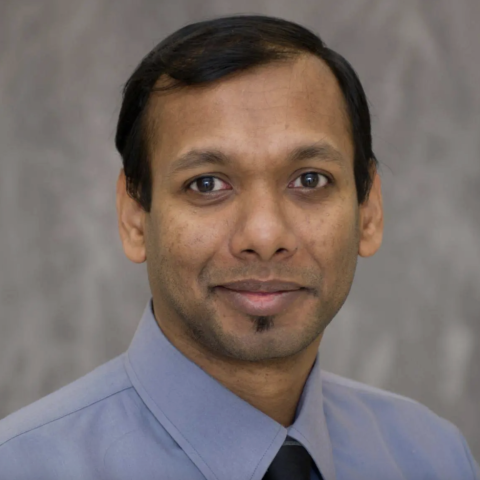
Donald Webster

Donald Webster's profile picture
dwebster@ce.gatech.edu

Biography

Dr. Donald Webster received his Ph.D. in mechanical engineering from the University of California at Berkeley in 1994. After a postdoctoral research position at Stanford University and a non-tenure track faculty position at the University of Minnesota, he joined the faculty at Georgia Tech in September 1997. For nearly two decades, he has been part of the School's leadership team, serving as an affinity group coordinator 2012-2014, the associate chair for undergraduate programs 2007-2012, the associate chair for graduate programs 2012-2013, and the associate chair for finance and administration 2013-2018. In May 2018, he became the Karen and John Huff School Chair. Dr. Webster's research expertise lies in environmental fluid mechanics, with an emphasis on the influence of fluid mechanics and turbulence on biological systems. He has authored or co-authored over 110 refereed research articles.  In recognition of these contributions, Dr. Webster is a Sustaining Fellow of the Association for the Sciences of Limnology and Oceanography (ASLO) and a Fellow of the American Society of Civil Engineers (ASCE).  In 2016, his work on pteropod (i.e., the flying sea snail) biomechanics was featured in the New York Times among over 80 news agencies. Dr. Webster has been very active in professional service. He has served on the editorial board for the journal Experiments in Fluids since 2006 and has served on numerous conference and symposium advisory committees as well as other society committees. Dr. Webster developed several special topical sessions for the Ocean Science Meeting as well as the American Physical Society Division of Fluid Dynamics annual meeting, and used these forums to define the area of “Ecological Fluid Mechanics,” which broadly seeks to address the role that fluid motion, flow gradients, and chemical stirring play in shaping organism behavior, interactions, recruitment, reproduction, and community structure. Dr. Webster holds a professional engineering license (PE) in Georgia.

Research

Dr. Webster's research expertise lies in environmental fluid mechanics, with an emphasis on the influence of fluid mechanics and turbulence on biological systems. His contributions have been in three arenas: 1) illuminating the fluid mechanics processes related to sensory biology and biomechanics; 2) developing advanced experimental techniques and facilities; and 3) translating research results into bio-inspired design. Examples of innovative and creative contributions include turbulent chemical plume tracking by blue crabs, biologically-inspired design of a robotic tracker of turbulent chemical plumes, tomographic (3D) particle image velocimetry of zooplankton propulsion (krill, copepods, pteropods, daphnids), zooplankton aggregations around oceanic thin layer structure, and copepod-turbulence interactions. 

Education

Ph.D. Mechanical Engineering          University of California at Berkeley         1994

M.S. Mechanical Engineering            University of California at Berkeley         1991

B.S. Mechanical Engineering             University of California at Davis             1989

Teaching

Dr. Webster's educational activities include teaching courses in fluid mechanics, as well as rigid body dynamics.  He is known for his efforts to develop effective blended (or flipped) classroom pedagogy for engineering mechanics courses.  He has documented the effectiveness of the approach via a series of publications.  Dr. Webster played a key role in developing the Bachelor of Science in Environmental Engineering program at Georgia Tech and served on the steering committee to develop Georgia Tech's interdisciplinary Ph.D. program in Ocean Science & Engineering.  Further, he served as co-PI on an NSF-supported Integrative Graduate Education and Research Training (IGERT) grant to train students in the physics, chemistry, and ecology of chemical and hydrodynamic signaling in aquatic communities. Finally, he served as PI for an NSF-supported Revolutionizing Engineering Departments (RED) grant to lead a cultural shift and re-imagine the Civil Engineering and Environmental Engineering curriculum. 

Distinctions & Awards

  • Fellow, American Society of Civil Engineers, 2023
  • Felton Jenkins, Jr. Hall of Fame Faculty Award, 2020 (University System of Georgia Excellence in Teaching Award)
  • Fellow, ACC Academic Leaders Network, 2019
  • Sustaining Fellow, 2018; Fellow, 2015, Association for the Sciences of Limnology and Oceanography (ASLO)
  • Student Recognition of Excellence in Teaching: Class of 1934 CIOS Honor Roll, 2020
  • Class of 1940 Course Survey Teaching Effectiveness Award, 2017, 2015
  • Class of 1934 Outstanding Innovative Use of Education Technology Award, 2015
  • Geoffrey G. Eichholz Faculty Teaching Excellence Award, 2014
  • British Petroleum / CETL Junior Faculty Teaching Excellence Award, 2001

Publications

  1. Connor, A.A., M. Mohaghar, and D.R. Webster (2025) Hydrodynamics of active metachronal swimming modes in Antarctic krill, Euphausia superba. Marine Biology 172: 135 (20pp). https://doi.org/10.1007/s00227-025-04680-x
  2. Muscalus, A.C., K.A. Haas, and D.R. Webster (2025) Effects of primary ship waves in a far-field waterway network. ASCE Journal of Waterway, Port, Coastal, and Ocean Engineering.  151(4): 04025014 (19pp). https://doi.org/10.1061/JWPED5.WWENG-2199
  3. Ruszczyk, M., D.R. Webster, and J. Yen (2024) The response of a freshwater copepod to small-scale, dissipative eddies in turbulence.  Limnology & Oceanography 69: S17–S31.  https://doi.org/10.1002/lno.12402  Note: This paper appears in an invited special issue “Life in Turbulent Waters: Exploring Unsteady Biota-Flow Interactions Across Scales”.
  4. Mohaghar, M. and D.R. Webster (2024) Hydrodynamics of cruise swimming and turning maneuvers in Euchaeta antarcticaScientific Reports 14: 28217 (15pp).  https://doi.org/ 10.1038/s41598-024-76439-1
  5. Muscalus, A.C., K.A. Haas, and D.R. Webster (2024) Observations of primary ship waves at the margin of a confined tidal river.  ASCE Journal of Waterway, Port, Coastal, and Ocean Engineering. 150(5): 04024009 (16pp).  https://doi.org/10.1061/JWPED5.WWENG-2062
Karen and John Huff School Chair, School of Civil and Environmental Engineering
Professor, School of Civil and Environmental Engineering
Phone
(404) 894-6704
University, College, and School/Department

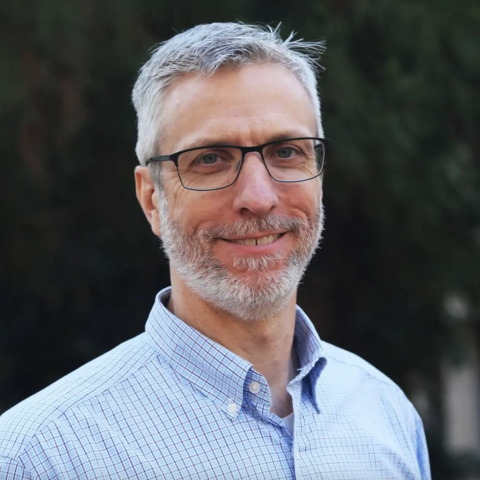
Ronald Rousseau

Ronald Rousseau's profile picture
ronald.rousseau@chbe.gatech.edu

Biography

Research Interests:

  • Separation and purification
  • Crystallization
  • Crystal nucleation and growth and the role these phenomena have in determining crystal morphology, purity, and size distributions
  • Application of crystallization technology to the recovery and purification of high-value-added chemicals, including biologically produced materials

Processes involving separation and/or purification are of great practical importance and are at the core of the discipline of chemical engineering. Dr. Rousseau has focused his research on these processes and related phenomena. A large body of his work has been on crystallization, which is one of the most important means by which separation or purification is conducted. He has led studies of crystal nucleation and growth and the role these phenomena have in determining crystal morphology, purity, and size distributions. Dr. Rousseau is particularly interested in the application of crystallization technology to the recovery and purification of high-value-added chemicals, including biologically produced materials.

The use of crystallization in separation and purification processes is an important and valued methodology in numerous industries, including those manufacturing commodity and specialty chemicals, pharmaceuticals, foodstuffs, and a variety of biologically synthesized products. Crystallizers may be operated in either a batch or continuous mode, and the crystalline product usually must have characteristics that are intrinsic to a specific application and/or that facilitate fluid-solid separation.

Recent research topics in the Rousseau group include:

  • Crystallization Science and Technology
    • Monitoring Particulates in Complex Mixtures
    • Use of Crystallization to Enhance the Yield of a Intermediate in a Reaction Network
    • Separation of Chirally Pure Enantiomers
  • Nucleation and Growth Kinetics
  • Separation and Purification of Near-Isomorphic Amino Acids
  • Morphology, Hydrates, and Solvates
  • Crystallization of Proteins

Education

B.S. 1966, Louisiana State University M.S. 1968, Louisiana State University Ph.D. 1969, Louisiana State University

Professor Emeritus, School of Chemical and Biomolecular Engineering
Cecil J. "Pete" Silas Chair, School of Chemical and Biomolecular Engineering
Phone
(404) 894-2868
Additional Research

Separations Technology; Biofuels; Energy & Water; Separation Technologies

University, College, and School/Department

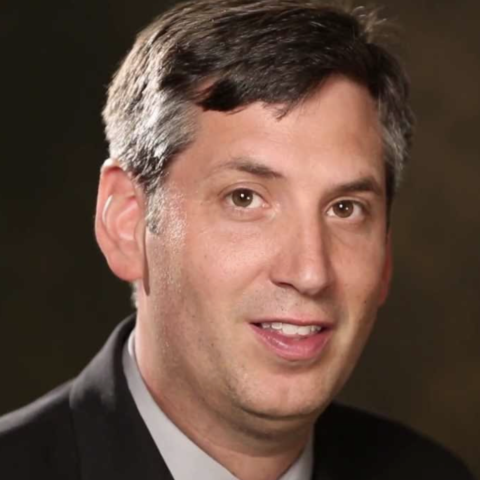
Dennis Hess

Dennis Hess's profile picture
dennis.hess@chbe.gatech.edu

Dennis Hess’s research interests are in thin film science and technology, surface and interface modification and characterization, microelectronics processing and electronic materials. His group focuses on the establishment of fundamental structure-property relationships and their connection to chemical process sequences used in the fabrication of novel films, electronic materials, devices, and nanostructures. Control of the surface properties of materials such as dielectrics, semiconductors, metals, and paper or paper board by film deposition or surface modification allows the design of such surfaces for a variety of applications in microelectronics, packaging, sensors, microfluidics, and separation processes.

Professor Emeritus, School of Chemical and Biomolecular Engineering
Phone
(404) 894-5922
Additional Research

Electronics; Thin Films; Surfaces and Interfaces; plasma processing; Papermaking; Coatings & Barriers; Films & Coatings; Biomaterials

University, College, and School/Department

Kevin Haas

Kevin Haas's profile picture
khaas@gatech.edu

Dr. Kevin Haas is a Professor and Associate Chair of Undergraduate Programs in the School of Civil and Environmental Engineering and Co-Director of the Ocean Science and Engineering Program at the Georgia Institute of Technology. He obtained a BSCE with distinction in 1994 and a MSCE in 1996 from the Ohio State University.  He received his Ph.D. in Coastal Engineering from the University of Delaware in January 2001. Dr. Haas was as a Post-Doctoral Fellow from January 2001 to December 2002 at the University of Delaware.  Dr. Haas started at Georgia Tech in January 2003 on the Savannah campus, earned tenure and promotion in 2009, and moved to the Atlanta campus in 2013. He has been serving as the Associate Chair of Undergraduate Programs since 2018 for CEE. Dr. Haas has served as the Co-Director of the Ocean Science and Engineering Ph.D. program since its inception in 2017, managing the academic program.

Research

Dr. Haas has established a research program at Georgia Tech in nearshore processes (e.g. estuarine tidal flows, modeling waves and currents on the inner shelf, flow in marshes, and ship wake in confined channels) and marine hydrokinetic energy (e.g. tidal, wave, river, and ocean current energy).

Associate Chair for Undergraduate Programs
Professor, School of Civil and Environmental Engineering
Phone
(404) 385-1812
Additional Research

Water; Wind

Research Focus Areas
University, College, and School/Department

Peter Loutzenhiser

Peter Loutzenhiser's profile picture
peter.loutzenhiser@me.gatech.edu

Professor Loutzenhiser’s research centers on experimental and theoretical investigations in heat and mass transfer, multiphase fluid flow, and energy systems within the framework of solar thermochemistry. His work explores the fundamental physics of convective processes and phase change phenomena, aiming to improve efficiency and control in thermal management and energy conversion technologies. The research approach typically combines experimental methods with analytical and computational modeling to advance understanding in mechanical and thermal sciences.

Recent Publications

  • S Kaur, AR Clendenen, A Aleksandrov, BM Jones, WJ Ready, TM Orlando, PG. Loutzenhiser, “Pseudo-viscous modeling of transport in dense granular flows for thermal energy storage applications,” Acta Astronautica 239 (2026) 570-580
  • NP Nguyen, M Caulfield, G Colton, D Ranjan, KB Han, PG Loutzenhiser, “Pseudo-viscous modeling of transport in dense granular flows for thermal energy storage applications,” Powder Technology 460 (2025) 121044
  • TP Farr, BM Jones, TM Orlando, PG Loutzenhiser, “Thermal extraction of H2O(s) from lunar regolith simulant with concentrated solar irradiation: Experimental analysis,” Acta Astronautica 233 (2025) 360-368
  • S Kaur, WJ Ready, TM Orlando, PG Loutzenhiser, “Metal and metalloid production from lunar regolith simulants via carbothermal reduction: Thermodynamic and experimental analyses,” Acta Astronautica 232 (2025) 479-492
  • SY Jeong, D Ranjan, ZM Zhang, PG Loutzenhiser, R Chen, “Exploring irradiated granular flows with rapid heating for concentrated solar thermal energy collection and storage” iScience 28 (2025) 1-9
Professor, Woodruff School of Mechanical Engineering
Interim Director of Graduate Studies, Woodruff School of Mechanical Engineering
Phone
(404) 894-3012
Additional Research

Energy Storage; Gasification; Hydrogen; Solar

University, College, and School/Department

Natalie Stingelin

Natalie  Stingelin's profile picture
natalie.stingelin@mse.gatech.edu

Previously a professor of organic functional materials at the Department of Materials, Imperial College of London, Natalie Stingelin joined Georgia Tech in 2016. She focuses her research on the broad field of organic functional materials, including organic electronics; multifunctional inorganic/organic hybrids; smart, advanced optical systems based on organic matter; and bioelectronics. Associate Editor of the Journal of Materials Chemistry, she has published more than 130 papers and 6 issued patents. She is a co-investigator of the newly established EPSRC Centre for Innovative Manufacturing in Large Area Electronics, and she leads the EC Marie-Curie Training Network 'INFORM' that involves 11 European partners. She was awarded the Institute of Materials, Minerals & Mining's Rosenhain Medal and Prize (2014) and the Chinese Academy of Sciences (CAS) President's International Fellowship Initiative (PIFI) Award for Visiting Scientists (2015).

Professor, School of Chemical and Biomolecular Engineering
Phone
404.894.5192
Office
ES&T L1220
Additional Research

Organic electronics; Bioelectronics

Research Focus Areas
University, College, and School/Department
Google Scholar
https://scholar.google.com/citations?hl=en&user=ZILIcOwAAAAJ&view_op=list_works&sortby=pubdate

Angshuman Guin

Angshuman Guin's profile picture
angshuman.guin@ce.gatech.edu

Dr. Angshuman Guin, is a Principal Research Engineer in the School of Civil and Environmental Engineering at the Georgia Institute of Technology. He returned to his alma mater to become a faculty member in 2007 after working in the industry for a brief period. Dr. Guin’s research is focused on finding an answer to the question: How do we enable and empower systems managers, researchers and users to make effective, data-driven decisions? His research attempts to find answers through innovations in the development of effective means of data collection, quality assurance, and processing to convert these data into informative metrics across a range of time-scales from near real time to decades. Dr. Guin's current research projects at Georgia Tech are broadly in the area of Freeway Operations, Connected and Autonomous Vehicles, Intelligent Transportation Systems (ITS), Transportation Safety, Traffic Simulation and Data Management. Dr. Guin has presented his work in several international conferences and his work has been published in well recognized peer reviewed journals. He also serves on several standing committees of the Transportation Research Board including the committees on Information Systems and Technology, and Human Factors of Infrastructure Design and Operations and, in the past, has served on the committees on Highway Traffic Monitoring and Transportation Safety Management. He has served on the review committee of several journals including the IEEE Transactions on Intelligent Transportation Systems, the ASCE Journal of Transportation Engineering and the Transportation Research Records of the TRB. In addition to maintaining an active research portfolio, Dr. Guin is a strong advocate of translating research into practice and is the co-founder of InstaData Systems, a data analytics company. 

Research

Intelligent Transportation Systems, Freeway Traffic Operations, Transportation Safety, Simulation, Connected and Autonomous Vehicle, Smart Cities, Big Data, Machine Learning and Deep Learning

Senior Research Engineer, School of Civil and Environmental Engineering
Phone
(404) 894-5830
Additional Research

Electric Vehicles

University, College, and School/Department