Anna Österholm

Anna Österholm's profile picture
anna.osterholm@chemistry.gatech.edu

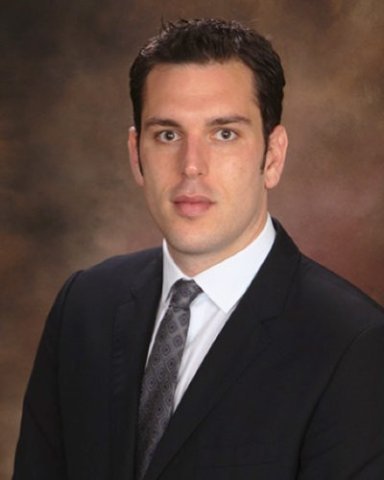
Anna Österholm is a Principal Research Scientist who has been at Georgia Tech since 2012. She earned her Ph.D. in analytical electrochemistry from Åbo Akademi University in Finland and has been active in the area of electroactive polymers for two decades. Her main research interest include probing structure-property relationships of conjugated organic molecules and polymers, organic electronics, electrochromism, solution processing of polymers, and conjugated polymer electrochemistry. Österholm has contributed to over 50 research articles, authored two book chapters on electrochromism, and holds co-inventorship on six patents in the area of electrochromic polymers and small molecules.

Principal Research Scientist
Phone
404.395.7079
Google Scholar
https://scholar.google.com/citations?hl=en&tzom=240&user=-LFspG4AAAAJ&pagesize=80&view_op=list_works&sortby=pubdate

Jason Azoulay

Jason Azoulay's profile picture

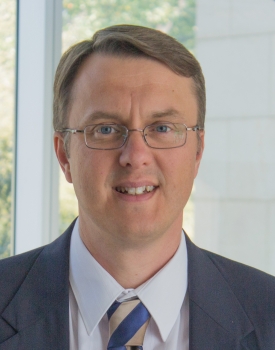
Jason Azoulay is an organic, organometallic and polymer chemist and internationally recognized leader in developing emerging semiconductor materials and devices. He has made significant contributions to the fields of polymer chemistry and materials science,bridging fundamental chemistry with real-world applications. His work focuses on the design, synthesis and characterization of advanced functional materials across numerous technology platforms, with an emphasis on organic semiconductors and conjugated polymers.

Azoulay co-directs the Center for Organic Photonics and Electronics, and his lab adds great strength to Georgia Tech’s leadership in soft-matter and hybrid optoelectronics. His work also complements numerous efforts at Georgia Tech that develop and apply advanced functional materials. 


Associate Professor, School of Chemistry and Biochemistry
Vasser-Woolley GRA Distinguished Investigator in Sensors and Instrumentation

Angus Wilkinson

Angus Wilkinson's profile picture
angus.wilkinson@chemistry.gatech.edu

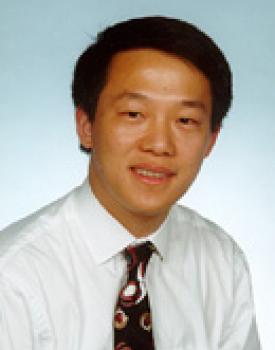
Angus Wilkinson is a professor in the School of Chemistry and Biochemistry and holds a joint appointment with the School of Materials Science and Engineering. Wilkinson obtained his bachelors degree in chemistry from Oxford University in 1988. He was a graduate student with A. K. Cheetham in the Department of Chemical Crystallography /Inorganic Chemistry at Oxford from 1988 until December 1991. His graduate work focused on the application of synchrotron X-ray powder diffraction to problems in solid-state chemistry. 

For the last two years of his graduate studies he held a senior Scholarship from Christ Church, Oxford. From October 1991 until June 1993, Wilkinson was a Junior Research Fellow with Christ Church, Oxford. However, most of this period was spent on leave at the Materials Research Laboratory, University of California Santa Barbara. His work in Santa Barbara focused on the processing and structure of oxide ferroelectric materials. In October 1993 he joined the faculty at the Georgia Institute of Technology as an assistant professor. He received tenure in 1999 and was promoted to full professor in 2004. He is currently Associate Chair for operations in the School of Chemistry and Biochemistry. 

His work at Georgia Tech has been wide ranging. Current projects include the synthesis and characterization of negative thermal expansion ceramics, in-situ studies of cement hydration under oil well conditions (high pressure and temperature) using x-ray and ultrasonic techniques, and the development of reversible carbon dioxide adsorbents. Previous work at Georgia Tech has included an exploration of chiral templates for the synthesis of chiral microporous materials, the low temperature synthesis of ferroelectrics, an exploration of low oxidation state gallium and indium oxide chemistry with a view to finding new ferroelectric and nonlinear optical materials, the development of resonant x-ray scattering methods for use on thermoelectric energy conversion materials, and an examination of cement durability under sulfate attack conditions using high energy x-ray scattering combined with microtomography.

Professor, School of Chemistry and Biochemistry and School of Materials Science and Engineering
Associate Chair for Operations and Undergraduate Programs
Phone
404.894.4036
Office
MoSE 1100J
Additional Research

Thermoelectric Materials; Metal-Organic Frameworks; Modeling

Research Focus Areas
Google Scholar
https://scholar.google.com/citations?hl=en&user=aAwipgoAAAAJ&view_op=list_works&sortby=pubdate

Z. John Zhang

Z. John Zhang's profile picture
john.zhang@chemistry.gatech.edu

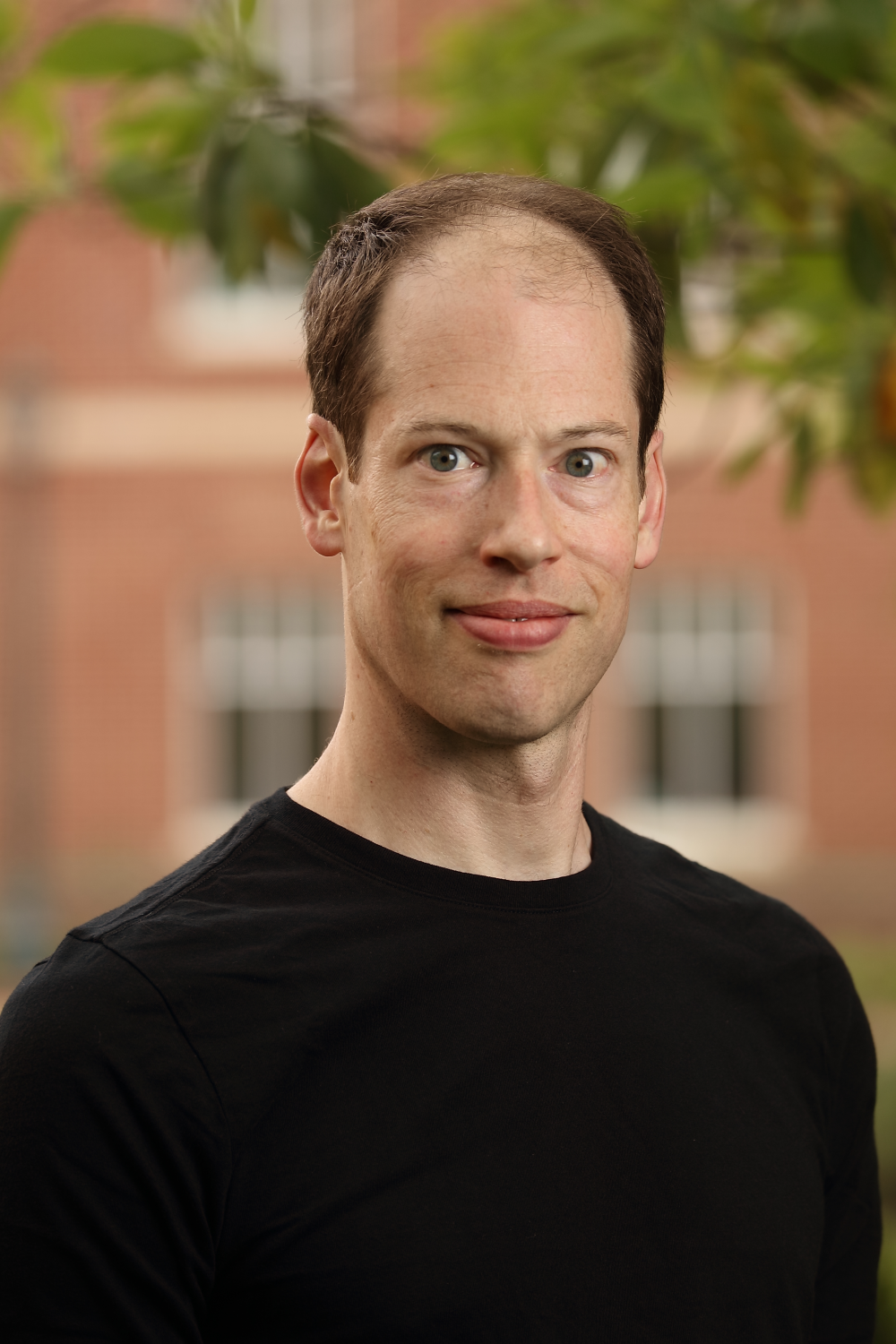
The research interests of Zhang and his group focus on understanding the fundamental relationships between the chemical composition/crystal structure and the properties of novel materials. A multidisciplinary approach including inorganic/physical chemistry and solid-state physics is employed to pursue the synthesis and physical property studies of nanostructured materials. The applications of these materials in advanced technologies and in biomedical science are also actively explored.

Professor, School of Chemistry and Biochemistry
Phone
404.894.6368
Office
MoSE 1100N
Additional Research

Advanced CharacterizationMetal Oxide NanoparticlesNanostructured Materials

Research Focus Areas

Amanda Stockton

Amanda Stockton's profile picture
astockto@gatech.edu

Education
B.S., Chemistry, Massachusetts Institute of Technology, 2004; B.S., Aerospace Engineering, Massachusetts Institute of Technology, 2004; M.A., Chemistry, Brown University, 2006; Ph.D., Chemistry, University of California Berkeley, 2010

Research
Dr. Stockton joined the School of Chemistry and Biochemistry at the Georgia Institute of Technology in January 2015. Her research plans include (1) instrument development for in situ organic analysis in the search for extraterrestrial life, (2) microfluidic approaches to experimentally evaluating hypotheses on the origin of biomolecules and the emergence of life, and (3) terrestrial applications of these technologies for environmental analysis and point-of-care diagnostics.

Associate Professor
Phone
(404) 894-4090
Office
MoSE 1100K
Google Scholar
https://scholar.google.com/citations?user=CQ7x2L4AAAAJ&hl=en

Peter Kasson

Peter Kasson's profile picture
peter.kasson@chemistry.gatech.edu

Peter Kasson is an international leader in the study of biological membrane structure, dynamics, and fusion, with particular application to how viruses gain entry to cells. His group performs both high-level experimental and computational work – a powerful combination that is critical to advancing our understanding of this important problem. His publications describe inventive approaches to the measurement of viral fusion rates and characterization of fusion mechanisms, and to the modeling of large-scale biomolecular and lipid assemblies. He has applied these insights to the prediction of pandemic outbreaks and drug resistance, with particular attention to Zika, SARS-CoV-2, and influenza pathogens in recent years. See https://kassonlab.org/ for more information.

Professor of Chemistry and Biomedical Engineering

Andrew McShan

Andrew McShan, Ph.D.
andrew.mcshan@chemistry.gatech.edu

The questions that keep us up at night are: How does the immune system present and recognize antigens to combat disease? What are the molecular features involved in stimulating robust and specific immune responses? How can we exploit distinct features of immune recognition to develop new treatments for disease? Our research centers on answering these important questions. We focus on the CD1 family of major histocompatibility complex class I (MHC-I) related proteins, which present both self and foreign lipids to αβ, γδ, and natural killer T cells. Examples of CD1 complexes involved in the adaptive and innate immune response to human disease include those associated with lipids derived from cancerous cells (Leukemia, Carcinoma, Lymphoma, Melanoma), wasp/bee venom including yellowjackets of the genus Vespula who represent Georgia Tech's mascot Buzz (Hymenoptera venom allergy), bacterial pathogens (Mycobacterium tuberculosis - Tuberculosis, Borrelia burgdorferi - Lyme Disease, Pseudomonas aeruginosa - Pneumonia), viral pathogens (HSV-1 - Herpes, HBV - Hepatitis B), marine sponges, and self cells in autoimmune disease (Dermatitis, Psoriasis, Lysosomal Storage Disease). Recent studies have shown that CD1 can also associate with and present a much broader range of antigens, such as skin oils that lack a discernible hydrophilic head group, lipopeptides, and non-lipid small molecules. Unlike peptide antigen presentation by high polymorphic human MHC-I complexes for which therapeutics must be tailored to a patients genetic background, the non-polymorphic nature of CD1 means that lipid/CD1 molecules are attractive candidates for donor-unrestricted (i.e. universal and patient-haplotype independent) vaccines and immunotherapy treatments. Progress in the development of lipid/CD1 mediated therapies has been hindered by an incomplete understanding in several important features of the CD1 antigen processing and presentation pathway as well as a lack of structural information for clinically relevant lipid/CD1 complexes. We aim to address these knowledge gaps with our research.
 

Assistant Professor
Phone
404.385.6052
Office
MoSE G022
Research Focus Areas

Facundo Fernandez

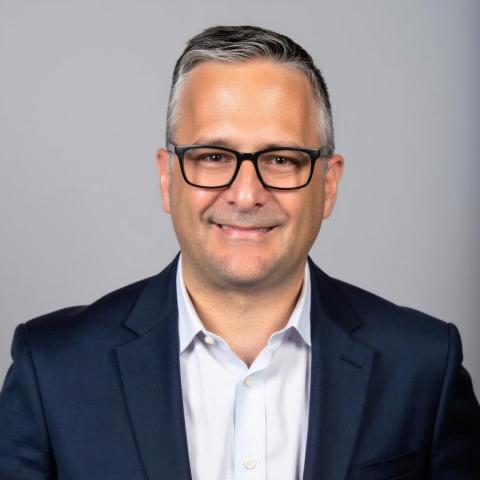
A man with gray hair and black glasses wearing a button-up shirt under a navy blazer
facundo.fernandez@chemistry.gatech.edu

Facundo was born in Buenos Aires, Argentina. He received his MSc in Chemistry from the College of Exact and Natural Sciences, Buenos Aires University in 1995 and his PhD in Analytical Chemistry from the same University, in 1999.  In August 2000, he joined the research group of Prof. Richard N. Zare in the Department of Chemistry at Stanford University.  His work focused on several aspects of Hadamard transform time-of-flight mass spectrometry with an emphasis on coupling this technique to capillary-format separation methods.  In 2002, he joined the group of Prof. Vicki Wysocki in the Department of Chemistry at the University of Arizona, to develop novel tandem mass spectrometers for gas-phase peptide ion studies. In 2004 he joined the School of Chemistry and Biochemistry at the Georgia Institute of Technology where he currently holds the position of Vasser-Woolley Endowed Professor in Bioanalytical Chemistry and Associate Chair for Research and Graduate Training. He is the author of over 185 peer-reviewed publications and numerous invited presentations at national and international conferences. He has received several awards, including the NSF CAREER award, the CETL/BP Teaching award, the Ron A. Hites best paper award from the American Society for Mass Spectrometry, and the Beynon award from Rapid Communications in Mass Spectrometry, among others. He serves on the editorial board of The Analyst and as an Associate editor for the Journal of the American Society for Mass Spectrometry. His current research interests include the field of metabolomics and the development of new ionization, imaging, machine learning and ion mobility spectrometry tools for probing composition and structure in complex molecular mixtures. In his (limited) free time, Facundo enjoys a number of activities that include camping with his family, rock climbing, paddling, archery, photography and ham radio. 

Vasser Woolley Foundation Chair in Bioanalytical Chemistry
Professor; School of Chemistry and Biochemistry
Phone
404.385.4432
Office
Environmental Science and Technology Building - L1244
Additional Research

Mass Spectrometry (MS) is one of the key analytical methods used to identify and characterize small quantities of biological molecules embedded in complex matrices. Although MS has found widespread use, improvements are still needed to extend its application to the grand challenges of this century. Since starting my position at Georgia Tech in 2004, my group members and I have used an integrated strategy with roots in bioanalytical chemistry, instrumentation development, bioinformatics, and theoretical modeling to focus on questions of great societal and scientific significance. To this purpose, we have integrated with cross-cutting teams devoted to problems that range from explaining the origins of life on Earth and diagnosing cancer at an early stage, to tracking the sources and prevalence of counterfeit pharmaceuticals worldwide. The common theme along these questions is the need for highly accurate tools for quantifying, identifying, and imaging trace chemicals in complex mixtures. Research in our lab uses state-of-the-art mass spectrometry, ion mobility gas-phase separations,ultrahigh performance liquid chromatography, and new soft ion generation techniques. We investigate the obtained data using machine learning and other powerful bioinformatic approaches. Our group is very dynamic, and each student pursues more than one project at a time, usually in collaboration with other group members or with other research groups at GT or elsewhere. Graduate and undergraduate students are trained in a variety of bioanalytical instrumentation/methodologies, with an emphasis on the fundamentals. We are analytical mass spectrometrists at heart, and strive to answer "big" scientific questions or questions with a large societal impact.

Google Scholar
https://scholar.google.com/citations?hl=en&tzom=240&user=7FB1qOYAAAAJ

Nicholas V. Hud

Nicholas V. Hud's profile picture
nick.hud@chemistry.gatech.edu

Nicholas Hud was born and raised in Los Angeles, California. He received his B.S. degree in physics from Loyola Marymount University. His Ph.D. was conferred by the University of California, Davis for physical investigations of DNA condensation by protamine. From 1992-1995 he was a postdoctoral fellow in the biology and biotechnology research program at Lawrence Livermore National Laboratory with Rod Balhorn. From 1995-1998 he was an NIH postdoctoral fellow in the Molecular Biology Institute at UCLA where he worked with Juli Feigon and Frank A. L. Anet on the application of NMR spectroscopy to the study of DNA-cation interactions. Hud joined the faculty at Georgia Tech as an assistant professor in 1999 and was promoted to full professor in 2008. He has been visiting professor of chemistry at the National NMR Center in Slovenia, and at Imperial College London. Hud currently serves as PI of the NSF Center for Chemical Evolution, as chair of the biochemistry division of the School of Chemistry and Biochemistry, as co-director of the Georgia Tech-Emory University Center for Fundamental and Applied Molecular Evolution (FAME), and as associate director of the Petit Institute for Bioengineering and Bioscience.

Associate Director, Parker H. Petit Institute for Bioengineering and Bioscience
Regents’ Professor of Chemistry & Biochemistry
Director, NSF Center for Chemical Evolution
Phone
404-385-1162
Office
Petit Biotechnology Building, Office 1108
Additional Research

Intercalation-mediated Nucleic Acid Assembly, The Molecular Midwife & the Origin of Life, Nucleic Acid-Cation Interactions, Understanding DNA & RNA Condensation. The research in our laboratory is directed towards elucidating the fundamental chemical and physical principles that govern nucleic acid (RNA and DNA) assembly. We are interested in how the physical properties of nucleic acids govern biological functions in contemporary life, and how these same properties provide clues to the origin and early evolution of life. We are also applying our knowledge of nucleic acids to problems that are of current importance in medicine and biotechnology. Specific projects include investigations of: 1) the origin and evolution of RNA; 2) cation, solvent and small molecule interactions with nucleic acids; 3) nucleic acid condensation and packaging; and 4) folding and evolution of the ribosome. Our research involves the application of a wide variety of physical and chemical techniques.

Google Scholar
https://scholar.google.com/citations?user=KJCOsVsAAAAJ&hl=en&oi=ao