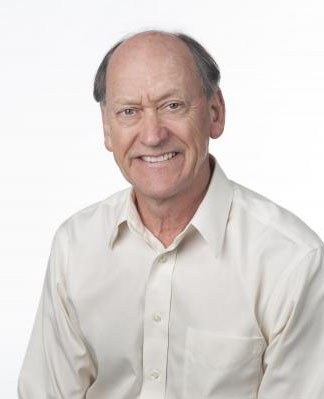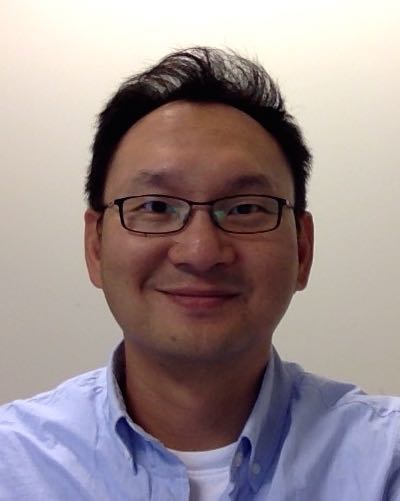
Boris Prilutsky

Boris Prilutsky's profile picture
boris.prilutsky@biosci.gatech.edu

The research focus of Boris Prilutsky's laboratory is Neural Control and Biomechanics of Movement. They study how the nervous system controls hundreds of muscles and kinematic degrees of freedom of the body to produce purposeful motor behaviors and how the neural control of motor behaviors is affected by neural and musculoskeletal injuries.

Professor
Phone
404-894-7659
Office
MSPO Program 1309D
Additional Research
The major research focus of my research is on biomechanics and motor control of locomotion and reaching movements in normal as well as in neurological and musculoskeletal pathological conditions. In particular, we study the mechanisms of sensorimotor adaptation to novel motor task requirements caused by visual impairament, peripheral nerve or spinal cord injury, and amputation. We also investigate how motor practice and sensory information affect selections of adaptive motor strategies.
Google Scholar
http://scholar.google.com/citations?user=gE3DQUEAAAAJ&hl=en

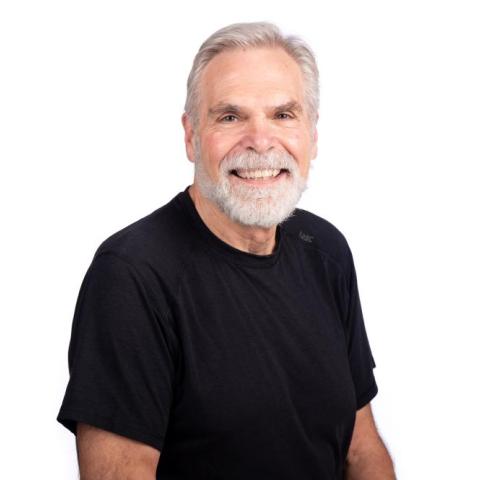
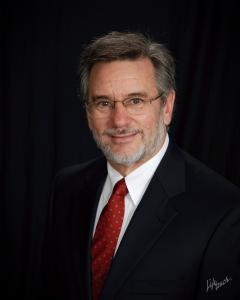
William Ratcliff

William Ratcliff's profile picture
william.ratcliff@biology.gatech.edu

I am an evolutionary biologist broadly interested in the evolution of complex life. My Ph.D. training focused on the evolutionary stability of cooperation in the legume-rhizorium symbiosis. Here I developed new experimental methods to study how among-organism genetic conflict arises and can be mitigated. A similar evolutionary tension lies at the heart of all key events in the origin of complex life, termed the ‘Major Transitions in Evolution’: namely, how do new organisms arise and evolve to be more complex without succumbing to within-organism conflict? Studying the early evolution of multicellular organisms has been particularly difficult because these transitions occurred deep in the past, and transitional forms have largely lost to extinction. As a postdoc, I circumvented this constraint by creating a new approach to study the evolution of multicellularity: we evolved it de novo. Since founding my own research group at Georgia Tech in 2014, I have combined this approach with mathematical modeling and synthetic biology to examine how simple clumps of cells evolve into multicellular organisms. Our research has shown how classical constraints in the origin of multicellularity — e.g., the origin of life cycles, multicellular development, cellular differentiation, and cellular interdependence — can be solved by Darwinian evolution. At home, I raise two kids on a hobby farm (really just a big garden) with bees, chickens, rabbits, goats, a dog, and lots of edible plants.
Assistant Professor
Phone
404-894-8906
Office
ES&T 2240
Additional Research
Major transitions in evolution (mainly multicellularity). Spatial dynamics of microbial social interactions. Bet hedging. Life cycle evolution. Origin of multicellular development. The transition to multicellularity was critical for the evolution of of large, complex organisms. However, little is known about how early multicellular organisms arise from unicellular ancestors, or how these relatively simple clusters of cells evolve greater complexity. We address both of these issues using experimental evolution, creating new multicellular life in a test tube. Using these model systems (and a good bit of mathematical / computational modeling), my lab explores the origin of multicellular development, cellular division of labor, and mechanisms to prevent cell-level evolution from eroding multicellular complexity. Major transitions in evolution (e.g. multicellularity) are a special case of a more general phenomenon: social evolution. Through collaborations with Brian Hammer (GT Biology), Peter Yunker (GT Physics), and Joshua Weitz (GT Biology), our group examines the spatial dynamics of microbial ecology and evolution.
Google Scholar
http://scholar.google.com/citations?user=wdVRIS0AAAAJ&hl=en

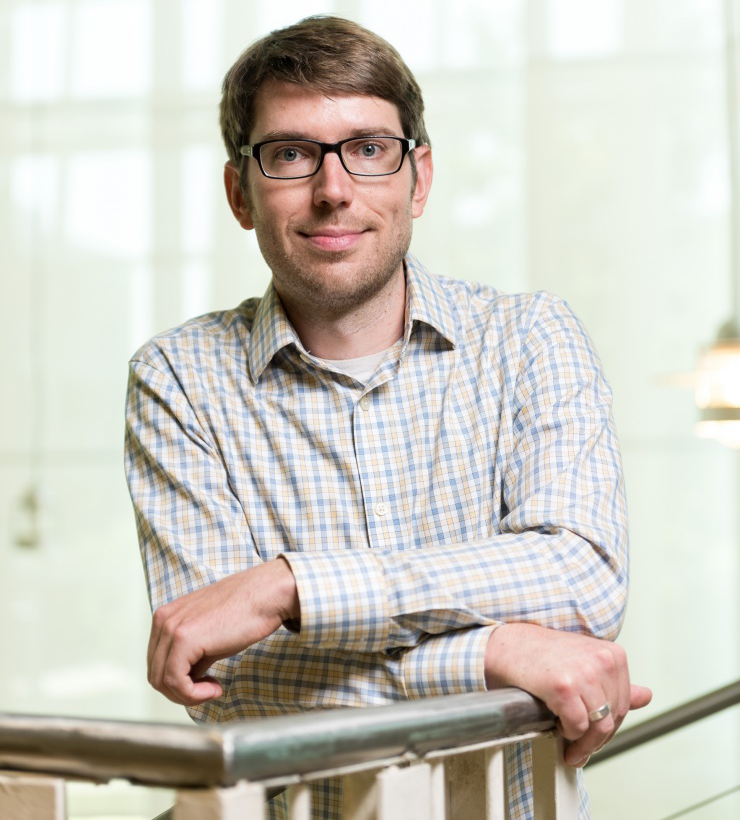
Michael Goodisman

Michael Goodisman's profile picture
michael.goodisman@biology.gatech.edu

Michael Goodisman is interested in understanding how evolutionary processes affect social systems and how sociality, in turn, affects the course of evolution. His research explores the molecular basis underlying sociality, the nature of selection in social systems, the breeding biology of social animals, the process of self-organization in social groups, and the course of development in social species. His teaching interests are centered on the importance of behavior, genetics, and ethics in biological systems. Goodisman also works to improve and advance undergraduate education.

Professor
Associate Chair for Undergraduate Education
Phone
404-385-6311
Office
Cherry Emerson A124
Additional Research
The evolution of sociality represented one of the major transition points in biological history. I am interested in understanding how evolutionary processes affect social systems and how sociality, in turn, affects the course of evolution. My research focuses on the molecular basis underlying sociality, the nature of selection in social systems, the breeding biology of social animals, the process of self-organization in social groups, and the course of development in social species.
Research Focus Areas
Google Scholar
https://scholar.google.com/citations?user=EvWHHJMAAAAJ&hl=en&oi=ao

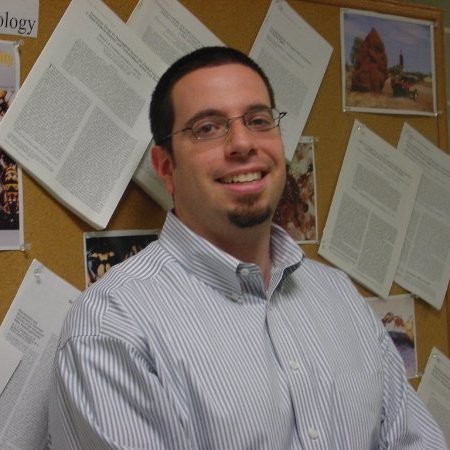
Roger Wartell

Roger Wartell's profile picture

Roger Wartell received his B.S. degree in Physics from Stevens Institute of Technology in 1966. In 1971, he received his Ph.D. in Physics from the University of Rochester where he worked in the group of Elliot Montroll on the DNA helix-coil transition. From 1971-1973 he was a NIH postdoctoral fellow in the laboratory of Robert Wells at the University of Wisconsin-Madison. He was a Visiting Professor at the University of Wisconsin-Madison in 1978-79, and Visiting Scholar at National Institutes of Health-Bethesda from 1987-88. 

Wartell joined the faculty at Georgia Tech in 1974. Roger received a NIH Career Development Award in 1979 and served as Associate Chair in School of Physics from 1987-88, and Chair of the School of Biology from 1990-2004. He is a member of the NASA Astrobiology Institute at Georgia Tech. His current research is focused on protein-RNA interactions relating to sRNA regulation in bacteria, and the assembly and reactions of small RNAs in ice.

Professor Emeritus
Phone
404-894-8421
Office
Petit Biotechnology Building, Office 1307
Additional Research
Current research is directed at understanding the origin and evolution of RNA assemblies and activities that gave rise to RNA-based genetic and metabolic systems, and the interaction of a bacterial RNA-binding protein Hfq that is crucial for the regulation of gene expression by short regulatory RNAs. The first research area is examining the assembly and activities of RNAunder plausible early earth conditions ( e.g. anoxic environment, freeze-thaw cycles of aqueous solutions). We have shown that Fe2+can replace Mg2+and enhance ribozyme function under anoxic conditions. Fe2+was abundant on early earth and may have enhanced RNA activities in an anoxic environments. Freeze-thaw cycles can also promote RNA assembly under conditions where degradation is minimized. The second area of research is investigating the mechanism of the Hfq protein. Hfq is a bacterial RNA-binding protein that facilitates the hybridization of short non-coding regulatory RNAs (sRNA)to their target regions on specific mRNAs. sRNAs are important elements in the regulation of gene expression for bacteria.Hfq is highly conserved among bacterial phyla and has been shown to be a virulence factor in several bacterial species. The interactions of wild type and mutant Hfq proteins with various RNAs are examined using biochemical/ biophysical methods such as the electrophoresis mobility shift assay, fluorescence spectroscopy, and mass spectrometry.
Research Focus Areas
Google Scholar
http://scholar.google.com/scholar?hl=en&q=roger+wartell&as_subj=&as_sdt=80001&as_ylo=&as_vis=0

T. Richard Nichols

T. Richard Nichols's profile picture
trn@gatech.edu

T. Richard Nichols received the B.S. degree in biology from Brown University, Providence, RI, USA, in 1969, and the Ph.D. degree in physiology from Harvard University, Cambridge, MA, USA, in 1974. He is currently a Professor in the School of Biological Sciences at the Georgia Institute of Technology.,He is currently a Professor in the School of Biological Sciences at the Georgia Institute of Technology, Atlanta, GA, USA.

Professor
Phone
404-894-3986
Office
555 14th Street NW Room 1352
Additional Research
The work in this laboratory is focused on mechanisms underlying motor coordination in mammalian systems. These mechanisms are to be found in the structure and dynamic properties of the musculoskeletal system as well as in the organization of neuronal circuits in the central nervous system. Our work concerns the interactions between the musculoskeletal system and spinal cord that give rise to normal and abnormal movement and posture, and in the manner in which central pattern-generating networks are modified for specific motor tasks. Our studies have applications in several movement disorders, including spinal cord injury. The experimental approaches span a number of levels, from mechanical studies of isolated muscle cells to kinematic measurements of natural behavior in quadrupeds.
Google Scholar
https://scholar.google.com/scholar?q=Nichols+TR&btnG=&hl=en&as_sdt=0,11

Frank Rosenzweig

Rosenzweig
frank.rosenzweig@biology.gatech.edu

FRANK ROSENZWEIG is a professor of biology at the Georgia Institute of Technology and the director of the University of Montana Institute on Ecosystems. Rosenzweig’s research is aimed at illuminating the evolution of complex traits that augment biodiversity and drive major transitions in the history of life. His lab seeks to understand how changes in genome architecture alter global patterns of gene expression, whether such changes explain the physiology and behavior of novel genotypes, and the extent to which adaptation is shaped by trade-offs and constraints. Rosenzweig was a lead author of the 2015 NASA Astrobiology Strategy Document and member of the NASA Astrobiology Institute Executive Committee. He currently serves as co-Lead of the NASA Research Coordination Network, LIFE: From Early Cells to Multicellularity, as a committee member of the National Academy of Sciences’ Committee on Astrobiology and Planetary Sciences and as Principal Investigator of the Interdisciplinary Consortium for Astrobiology Research award ENGINE OF INNOVATION: How compartmentalization drives evolution of novelty and efficiency across scales. Rosenzweig received his B.A. in Comparative Literature from the University of Tennessee, and his Ph.D. in Biology from the University of Pennsylvania.

Professor
Phone
404-385-4458
Office
EBB 2007

Stephen Diggle

Stephen Diggle's profile picture
stephen.diggle@biosci.gatech.edu

I graduated in Biological Sciences (B.Sc, University of Salford, 1997) prior to undertaking a Ph.D in molecular microbiology studying quorum sensing in Pseudomonas aeruginosa (University of Nottingham, 2001). I worked as a Postdoctoral Fellow at Nottingham on both EU and BBSRC funded grants, before obtaining a Royal Society University Fellowship (2006-2014). I was promoted to Associate Professor in 2013. In 2017 I moved as an Associate Professor to the School of Biological Sciences at Georgia Tech. I was promoted to Full Professor in 2022. I was appointed as the Director of the Center for Microbial Dynamics and Infection in January 2023. 

I currently serve as the Deputy Editor in Chief of Microbiology, where I have previously served as editor and senior editor. I have also previously served on the editorial boards of FEMS Microbiology Letters, BMC Microbiology, Microbiology Open and Royal Society Open Science. I was an elected member of the Microbiology Society Council (2012-2016) and also served on their conference and policy committees. I was selected to be an American Society for Microbiology Distinguished Lecturer (2021-2023) and was elected to the American Academy of Microbiology in 2023. 

In my spare time I play bass guitar. I recorded some original music in a band called Meaner and I currently play in a covers band called The Variants of Concern. I also have a long-standing interest in the works of J.R.R. Tolkien.

Associate Professor
Phone
404-385-5634
Office
Cherry Emerson A110
Additional Research
I am interested in cooperation and communication in microbes and how these are related to virulence, biofilms and antimicrobial resistance. I have a long standing interest in understanding how the opportunistic pathogen Pseudomonas aeruginosa causes disease, and am especially interested in how this organism evolves during chronic infections such as those found in cystic fibrosis lungs and chronic wounds.
Google Scholar
https://scholar.google.com/citations?hl=en&user=WYkvdC4AAAAJ&view_op=list_works

Liang Han

Liang Han's profile picture
lhan41@mail.gatech.edu
Associate Professor
Phone
404-385-5219
Office
EBB 3014
Additional Research
We use a combination of molecular, cellular, immunohistochemical, electrophysiological, genetic and behavioral approaches to understand how the nervous system receives, transmits and interprets various stimuli to induce physiological and behavioral responses. We are particularly interested in the basic mechanisms underlying somatosensation, including pain, itch and mechanical sensations. Somatosensation is initiated by the activation of the primary sensory neurons in dorsal root ganglia and trigeminal ganglia. We have discovered the molecular identity of itch-sensing neurons in the peripheral and provided novel insights into the mechanisms of itch sensation (Han et.al. 2013 Nature Neuroscience). We are currently investigating how chronic itch associated with cutaneous or systemic disorders is initiated and transmitted. We are also interested in the sensory innervation in the respiratory system. Chronic respiratory diseases such as asthma and chronic obstructive pulmonary disease (COPD) are leading causes of illness and significant public health burdens. We recently identified a subset of vagal sensory neurons mediating bronchoconstriction and airway hyperresponsiveness (Han et. al. 2017 Nature Neuroscience). We are investigating how the sensory innervations in the airway contribute to the pathogenesis of respiratory diseases.
Research Focus Areas
Google Scholar
https://scholar.google.com/citations?hl=en&user=mRFXncEAAAAJ&view_op=list_works&citft=2&email_for_op=biohanliang@gmail.com

Ingeborg Schmidt-Krey

Ingeborg Schmidt-Krey's profile picture
ingeborg.schmidt-krey@biosci.gatech.edu

Ingeborg Schmidt-Krey is an associate professor in the School of Biological Sciences at Georgia Tech. Her research interests lie in the structure and function of eukaryotic membrane proteins, two-dimensional crystallization, electron crystallography, single particle analysis, and electron cryo-microscopy (cryo-EM).

Associate Professor
Phone
404-385-0286
Office
Cherry Emerson A118
Additional Research
Eukaryotic membrane proteins comprise approximately 60% of all drug targets and are consequently immensely important for biomedical research. Despite their importance, only few could thus far be studied at the structural level. My research focuses on the crystallization, structure and function of eukaryotic membrane proteins. Electron crystallography is the main tool employed to study these proteins in my laboratory. Initially, this involves testing of conditions for growing two-dimensional (2D) crystals, usually by reconstituting the detergent-solubilized membrane protein into a bilayer. Once crystallization parameters have been identified by electron microscopy of negatively stained samples, electron cryo-microscopy is employed to collect high-resolution data. The structure is then obtained by image processing. The approach of 2D crystallization and electron crystallography is particularly suitable for highly fragile membrane proteins such as many eukaryotic ones. Reconstitution ensures an environment that is close to the native one, the detergent is removed, and functional studies are relatively easily undertaken. Experimental phases are obtained due to the fact that images are collected. In some instances the image amplitudes can be substituted with electron diffraction amplitudes. Although electron crystallographic methods are well developed, little is known about the factors important in 2D crystallization, and screening protocols as for 3D crystallization do not exist. An important aspect of my research interests aims at developing screening methods and strategies for 2D crystallization and at understanding the underlying mechanisms.
Google Scholar
https://scholar.google.com/scholar?hl=en&q=Ingeborg+Schmidt-Krey&btnG=&as_sdt=1,11&as_sdtp=

Young Jang

Young Jang's profile picture
young.jang@gatech.edu

Dr. Jang’s lab uses multi-disciplinary approaches to study muscle stem cell biology and develops bioactive stem cell delivery vehicles for use in regenerative medicine. Dr. Jang’s lab studies both basic aspects of muscle stem cell biology, especially systemic/metabolic regulations of stem cell and stem cell niche, as well as more translational aspects of muscle stem cell and mesenchymal stem cell for use in therapeutic approaches for musculoskeletal aging, neuromuscular diseases, and traumatic injuries.

Assistant Professor
Phone
404-385-3058
Office
Petit Biotechnology Building, Office 3304 & AP 1231
Additional Research
Dr. Jang's lab uses multi-disciplinary approaches to study muscle stem cell biology and develops bioactive stem cell delivery vehicles for use in regenerative medicine. Dr. Jang's lab studies both basic aspects of muscle stem cell biology, especially systemic/metabolic regulations of stem cell and stem cell niche, as well as more translational aspects of muscle stem cell and mesenchymal stem cell for use in therapeutic approaches for musculoskeletal aging, neuromuscular diseases, and traumatic injuries. 1. Metabolic regulation of stem cell function 2. Systemic regulation of muscle homeostasis 3. Engineering muscle stem cell niche for regenerative medicine
Google Scholar
https://scholar.google.com/citations?user=37e-BIYAAAAJ&hl=en