Shuyi Nie

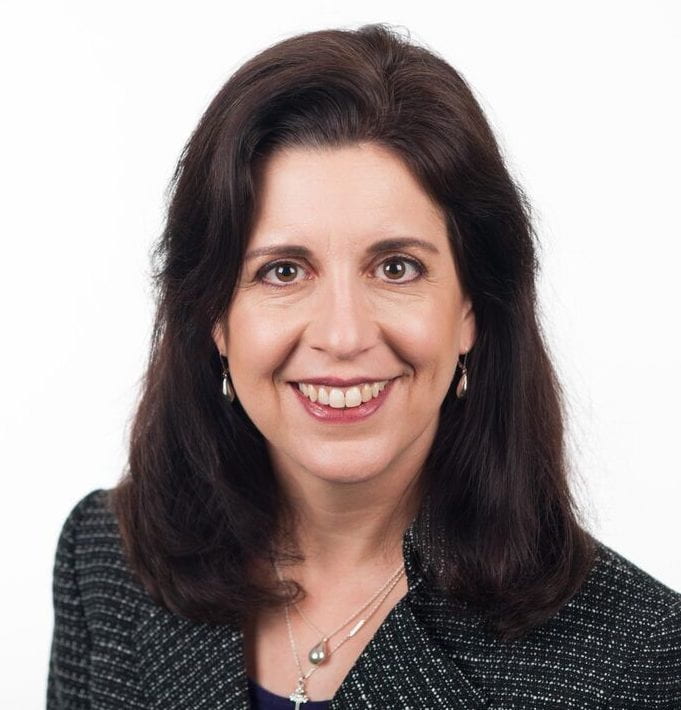
Shuyi Nie's profile picture
shuyi.nie@biology.gatech.edu

Dr. Nie received her B.S. degree in Biology from Peking University in China in 2002. In 2007, she received her Ph.D. in Cell Biology from the University of Alabama at Birmingham, where she worked on elucidating signaling pathways in vertebrate gastrulation movements. Thereafter, she conducted postdoctoral research in the laboratory of Marianne Bronner at California Institute of Technology. She joined Georgia Tech in Fall 2014.

Assistant Professor
Phone
404-385-3694
Office
EBB 3009
Additional Research
The fundamental question we are trying to answer is how the coordinated cell movements are regulated during animal development. Different groups of cells move to different locations in a growing embryo to give rise to specific tissue and structures. It is a very complex process since the "ground" cells travel on is also undergoing constant rearrangement and growth. We use neural crest as a model to study the mechanisms of cell migration during embryonic development. The neural crest is a vertebrate innovation, comprised of highly migratory stem-like cells that give rise to multiple tissue and structures, including craniofacial bones and cartilages, connective tissue in the heart, enteric nervous system in the gut, and pigment cells all over the skin. Defects in their proliferation, migration, differentiation, or survival lead to numerous diseases and birth defects, including craniofacial and heart malformations as well as different types of cancer. Ongoing studies aim to uncover how their migration is regulated and how do they achieve such extraordinary migratory abilities.
Google Scholar
https://scholar.google.com/citations?hl=en&user=NMKiMdMAAAAJ&view_op=list_works

Facundo Fernandez

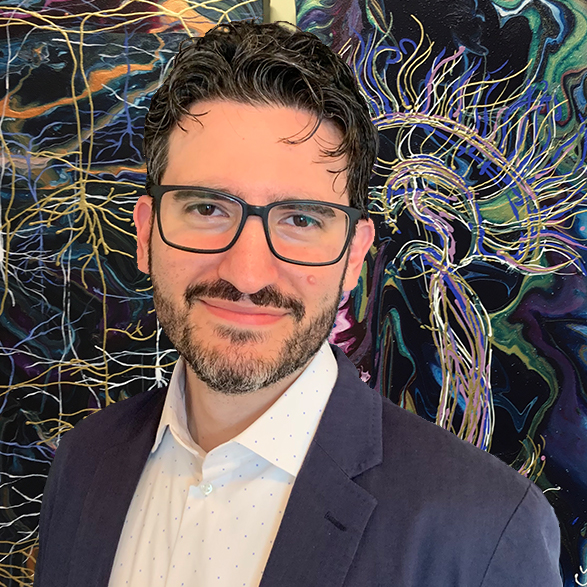
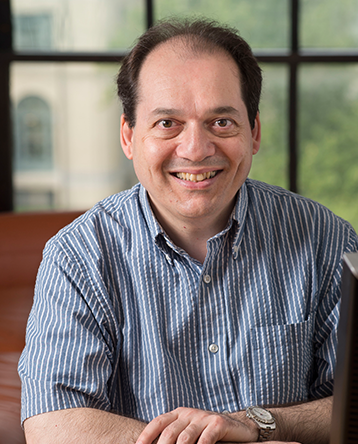
A man with gray hair and black glasses wearing a button-up shirt under a navy blazer
facundo.fernandez@chemistry.gatech.edu

Facundo was born in Buenos Aires, Argentina. He received his MSc in Chemistry from the College of Exact and Natural Sciences, Buenos Aires University in 1995 and his PhD in Analytical Chemistry from the same University, in 1999.  In August 2000, he joined the research group of Prof. Richard N. Zare in the Department of Chemistry at Stanford University.  His work focused on several aspects of Hadamard transform time-of-flight mass spectrometry with an emphasis on coupling this technique to capillary-format separation methods.  In 2002, he joined the group of Prof. Vicki Wysocki in the Department of Chemistry at the University of Arizona, to develop novel tandem mass spectrometers for gas-phase peptide ion studies. In 2004 he joined the School of Chemistry and Biochemistry at the Georgia Institute of Technology where he currently holds the position of Vasser-Woolley Endowed Professor in Bioanalytical Chemistry and Associate Chair for Research and Graduate Training. He is the author of over 185 peer-reviewed publications and numerous invited presentations at national and international conferences. He has received several awards, including the NSF CAREER award, the CETL/BP Teaching award, the Ron A. Hites best paper award from the American Society for Mass Spectrometry, and the Beynon award from Rapid Communications in Mass Spectrometry, among others. He serves on the editorial board of The Analyst and as an Associate editor for the Journal of the American Society for Mass Spectrometry. His current research interests include the field of metabolomics and the development of new ionization, imaging, machine learning and ion mobility spectrometry tools for probing composition and structure in complex molecular mixtures. In his (limited) free time, Facundo enjoys a number of activities that include camping with his family, rock climbing, paddling, archery, photography and ham radio. 

Vasser Woolley Foundation Chair in Bioanalytical Chemistry
Professor; School of Chemistry and Biochemistry
Phone
404.385.4432
Office
Environmental Science and Technology Building - L1244
Additional Research

Mass Spectrometry (MS) is one of the key analytical methods used to identify and characterize small quantities of biological molecules embedded in complex matrices. Although MS has found widespread use, improvements are still needed to extend its application to the grand challenges of this century. Since starting my position at Georgia Tech in 2004, my group members and I have used an integrated strategy with roots in bioanalytical chemistry, instrumentation development, bioinformatics, and theoretical modeling to focus on questions of great societal and scientific significance. To this purpose, we have integrated with cross-cutting teams devoted to problems that range from explaining the origins of life on Earth and diagnosing cancer at an early stage, to tracking the sources and prevalence of counterfeit pharmaceuticals worldwide. The common theme along these questions is the need for highly accurate tools for quantifying, identifying, and imaging trace chemicals in complex mixtures. Research in our lab uses state-of-the-art mass spectrometry, ion mobility gas-phase separations,ultrahigh performance liquid chromatography, and new soft ion generation techniques. We investigate the obtained data using machine learning and other powerful bioinformatic approaches. Our group is very dynamic, and each student pursues more than one project at a time, usually in collaboration with other group members or with other research groups at GT or elsewhere. Graduate and undergraduate students are trained in a variety of bioanalytical instrumentation/methodologies, with an emphasis on the fundamentals. We are analytical mass spectrometrists at heart, and strive to answer "big" scientific questions or questions with a large societal impact.

Google Scholar
https://scholar.google.com/citations?hl=en&tzom=240&user=7FB1qOYAAAAJ

Zachary Danziger

Zachary Danziger's profile picture
zachary.danziger@emory.edu

The effortlessness of moving your body belies the lurking complexity driving it. We are trying to understand how the nervous system makes something so complicated as controlling a human body feel so natural. We use human subjects studies, animal experiments, mathematical biology, and artificial intelligence to understand neural control of movement. New theories and insight promise advances in physical therapy, human-machine collaboration, brain-computer interfaces, neural modulation of peripheral reflexes, and more.

Associate Professor Division of Physical Therapy, Department of Rehabilitation Medicine
Associate Professor, W.H. Coulter Department of Biomedical Engineering
Phone
404-712-4801
University, College, and School/Department

Shoichiro Ono, Ph.D.

Shoichiro Ono, Ph.D. 's profile picture
sono@emory.edu

The Shoichiro's lab primary research interest is the mechanisms that regulate dynamic rearrangement of the actin cytoskeleton during various cellular events including development, cell movement, cytokinesis, and human diseases. We have been studying this problem using the nematode Caenorhabditis elegans as a model system. C. elegans has been used to study many aspects of development, because of its relative simplicity in the body patterning, and application of genetics, molecular biology, biochemistry, and cell biology. We are especially interested in the functions of the actin depolymerizing factor (ADF)/cofilin family of actin-binding proteins, which are required for enhancement of actin filament dynamics. We found that two ADF/cofilin proteins that are generated from the unc-60 gene have different actin-regulating activities. Mutation and expression analyses demonstrated that one of the two ADF/cofilin isoforms (UNC-60B) was specifically required for organized assembly of actin filaments in muscle. ADF/cofilin promotes depolymerization and severing of actin filaments, but tropomyosin inhibits this effect by stabilizing filaments. The other ADF/cofilin isoform (UNC-60A) is highly expressed in early embryos and regulates cytokinesis and embryonic patterning. In addition, we found that actin-interacting protein 1 (AIP1) is a new regulator of muscle actin filaments. AIP1 (UNC-78) specifically interacts with ADF/cofilin-bound actin filaments and enhances filament depolymerization. We also found that the gene product of sup-12 (an RBM24 homolog) regulates alternative splicing of the unc-60 gene and is required for generation of the unc-60B mRNA. We are currently studying functions of these proteins and other regulators of actin dynamics in several developmental aspects in C. elegans.

Associate Professor of Pathology and Laboratory Medicine
Associate Professor of Cell Biology
Phone
404.727.3916
Office
615 Michael Street, Whitehead Biomedical Research Building Room 105N, Atlanta, GA 30322
University, College, and School/Department
Google Scholar
https://scholar.google.com/citations?user=tq7ihbkAAAAJ&hl=en

James Dahlman

James Dahlman's profile picture
james.dahlman@bme.gatech.edu

James Dahlman is a bioengineer / molecular engineer whose work lies at the interface of chemistry, nanotechnology, genomics, and gene editing. His lab focuses on targeted drug delivery, in vivo gene editing, Cas9 therapies, siRNA therapies, and developing new technologies to improve biomaterial design. 

The DahlmanLab is known for applying 'big data' technologies to nanomedicine. The lab is pioneering DNA barcoded nanoparticles; using DNA barcodes, >200 nanoparticles can be analyzed simultaneously in vivo. These nanoparticles are studied directly in vivo, and used to deliver targeted therapies like siRNA, mRNA, or Cas9. As a result of this work, James was named 1 of the 35 most innovative people under the age of 35 by MIT Technnology Review in 2018. James has won many national / international awards, and has published in Science, Nature Nanotechnology, Nature Biotechnology, Nature Cell Biology, Cell, Science Translational Medicine, PNAS, JACS, ACS Nano, Nano Letters, and other journals. James has also designed nanoparticles that efficiently deliver RNAs to the lung and heart. These nanoparticles can deliver 5 siRNAs at once in vivo, and are under consideration for clinical development. As a result, the lab has an interest in immunology and vascular biology. 

James supports entirely new research students come up with independently. To this end, DahlmanLab students learn how to (i) generate new ideas, (ii) select the good ones, and (iii) efficiently test whether the good ideas will actually work. 

Dahlman Lab students learn how to design/characterize/administer nanoparticles, how to isolate different cell types in vivo, how to rationally design DNA to record information, Cas9 therapies, and deep sequencing. As a result, the lab is an interdisciplinary group with students that have backgrounds in medicinal chemistry, BME, bioinformatics, biochemistry, and other fields. The lab welcomes students with all types of scientific backgrounds. The lab firmly stands by students, independent of their personal beliefs, preferences, or backgrounds.

Associate Professor
Phone
404-385-5262
Office
UAW 2101
Additional Research
In the Dahlman Lab, we focus on the interface between nanotechology, molecular biology, and genomics. We design drug delivery vehicles that target RNA and other nucleic acids to cells in the body. We have delivered RNAs to endothelial cells, and have treated heart disease, cancer, inflammation, pulmonary hypertension, emphysema, and even vein graft disease. Because we can deliver RNAs to blood vessels at low doses, sometimes we decide to deliver multiple therapeutic RNAs to the same cell at once. These 'multigene therapies' have been used to treat heart disease and cancer. Why is this important? Most diseases are caused by combinations of genes, not a single gene. We also rationally design the nucleic acids we want to deliver. For example, we re-engineered the Cas9 sgRNA to turn on genes, instead of turning them off. This enabled us to easily turn on gene A and turn off gene B in the same cell.
Google Scholar
https://scholar.google.com/citations?user=aFaC4Y0AAAAJ&hl=en

Gabe Kwong

Gabe Kwong's profile picture
gkwong@gatech.edu

Dr. Gabe Kwong is a Professor in the Wallace H. Coulter Department of Biomedical Engineering at the Georgia Tech School of Engineering and Emory School of Medicine. His research program is conducted at the interface of the life sciences, medicine and engineering where a central focus is understanding how to harness the sophisticated defense mechanisms of immune cells to eradicate disease and provide protective immunity. Kwong has pioneered numerous biomedical technologies and published in leading scientific journals such as Nature Biotechnology and Nature Medicine. His work has been profiled broadly including coverage in The Economist, NPR, BBC, and WGBH-2, Boston 's PBS station. Professor Kwong earned his B.S. in Bioengineering with Highest Honors from the University of California, Berkeley and his Ph.D. in Bioengineering from California Institute of Technology with Professor James R. Heath. He conducted postdoctoral studies at Massachusetts Institute of Technology with Professor Sangeeta N. Bhatia. For his work, Dr. Kwong has been awarded the NIH Ruth L. Kirschstein National Research Service Award, named a "Future Leader in Cancer Research and Translational Medicine" by the Massachusetts General Hospital, and awarded the Burroughs Wellcome Fund Career Award at the Scientific Interface, a distinction given to the 10 most innovative bioengineers in the nation. Dr. Kwong holds seven issued or pending patents in cancer nanotechnology.

Professor
Director, Laboratory for Synthetic Immunity
Phone
404-385-3746
Office
Marcus Nanotechnology 3132
Additional Research

Human health has been transformed by our collective capacity to engineer immunity — from the pivotal development of the smallpox vaccine to the curative potential of recent cancer immunotherapies. These examples motivate our research program that is conducted at the interface of Engineering and Immunology, and where we develop biomedical technologies and applications that shape a diverse array of immunological systems.The questions that are central to our exploration include: How do we begin to study an individual's repertoire of well over one billion immune cells when current technologies only allow us to study a handful of cells at a time? What are the biomarkers of immunological health as the body responds to disease and ageing, and how may these indicators trigger clinical decisions? And how can we genetically rewire immune cells to provide them with entirely new functions to better fight complex diseases such as cancer?To aid in our studies, we use high-throughput technologies such as next-generation sequencing and quantitative mass spectrometry, and pioneer the development of micro- and nanotechnologies in order to achieve our goals. We focus on clinical problems in cancer, infectious diseases and autoimmunity, and ultimately strive to translate key findings into therapies for patients.

Google Scholar
https://scholar.google.com/citations?user=VAbRCjIAAAAJ&hl=en

Michelle LaPlaca

Michelle LaPlaca's profile picture
michelle.laplaca@bme.gatech.edu

Michelle C. LaPlaca, Ph.D. is an Associate Professor in the Department of Biomedical Engineering, a joint department between Georgia Tech and Emory University. Dr. LaPlaca earned her undergraduate degree in Biomedical Engineering from The Catholic University of America, Washington, DC, in 1991 and her M.S.E. (1992) and Ph.D. (1996) in Bioengineering from the University of Pennsylvania, Philadelphia, PA, in the area of neuronal injury biomechanics. Following post-doctoral training in Neurosurgery at the University of Pennsylvania’s Head Injury Center from 1996-98, she joined the faculty at Georgia Tech. Dr. LaPlaca’s research interests are in neurotrauma, specifically: traumatic brain injury, injury biomechanics, cell culture modeling of traumatic injury, neural tissue engineering, and cognitive impairment associated with brain injury and aging. Her research is funded by NIH, NSF, and the Coulter Foundation.

Professor
Phone
404-385-0629
Office
UAW 3109
Additional Research
LaPlaca's broad research interests are in neurotrauma, injury biomechanics, and neuroengineering as they relate to traumatic brain injury (TBI). The goals are to better understand acute injury mechanisms in order to develop strategies for neuroprotection, neural repair, and more sensitive diagnostics. More specifically, the lab studies mechanotransduction mechanisms, cellular tolerances to traumatic loading, and plasma membrane damage, including mechanoporation and inflammatory- & free radical-induced damage. We are coupling these mechanistic-based studies with –omics discovery in order to identify new biomarker candidates. In addition, LaPlaca and colleagues have developed and patented an abbreviated, objective clinical neuropsychological tool (Display Enhanced Testing for Cognitive Impairment and Traumatic Brain Injury, DETECT) to assess cognitive impairment associated with concussion and mild cognitive impairment. An immersive environment, coupled with an objective scoring algorithm, make this tool attractive for sideline assessment of concussion in athletic settings. Through working on both basic and clinical levels she is applying systems engineering approaches to elucidate the complexity of TBI and promoting bidirectional lab-to-clinical translation.
Google Scholar
https://scholar.google.com/citations?user=Zod2gNUAAAAJ

Nick Sahinidis

Nick Sahinidis's profile picture
nikos@gatech.edu

Nick Sahinidis is the Butler Family Chair and Professor in the H. Milton Stewart School of Industrial and Systems Engineering and the School of Chemical and Biomolecular Engineering at Georgia Tech. His current research activities are at the interface between computer science and operations research, with applications in various engineering and scientific areas, including: global optimization of mixed-integer nonlinear programs: theory, algorithms, and software; informatics problems in chemistry and biology; process and energy systems engineering. Sahinidis has served on the editorial boards of many leading journals and in various positions within AIChE (American Institute of Chemical Engineers). He has also served on numerous positions within INFORMS (Institute for Operations Research and the Management Sciences), including Chair of the INFORMS Optimization Society. He received an NSF CAREER award, the INFORMS Computing Society Prize, the MOS Beale-Orchard-Hays Prize, the Computing in Chemical Engineering Award, the Constantin Carathéodory Prize, and the National Award and Gold Medal from the Hellenic Operational Research Society. Sahinidis is a member of the U.S. National Academy of Engineering and a fellow of AIChE and INFORMS.

Gary C. Butler Family Chair, School of Chemical and Biomolecular Engineering
Professor, School of Industrial and Systems Engineering and School of Chemical and Biomolecular Engineering
Phone
(404) 894-3036
Research Focus Areas

Shella Keilholz

Shella Keilholz's profile picture
sk233@mail.gatech.edu

Dr. Keilholz has been working in preclinical imaging for more than twenty years, with the goal of using animal models to improve the analysis of human MRI imaging. Her research uses multimodal approaches to extract information about neural dynamics from functional neuroimaging studies.

Associate Professor
Phone
404-727-2433
Office
Emory, HSRB W230
Additional Research
The goal of my research is to develop a method for mapping spontaneous activity throughout the whole brain with high spatial and temporal resolution, with the intention of using this technique to characterize alterations in dynamic neural activity linked to dysfunction and to identify potential targets for intervention. My primary expertise is in fMRI and functional connectivity mapping, and since my lab was established at Emory, we have focused on obtaining information about the dynamic activity of functional networks from the BOLD signal. Despite BOLD's indirect relationship to neural signals, evidence is growing that the BOLD fluctuations provide information about behaviorally relevant network activity. We take a two-pronged approach to the problem, combining MRI with direct neural measures like electrophysiology and optical imaging in the rodent, or with EEG and behavioral outputs in the human. Our effort to understand the relationship between BOLD and electrical or optical recordings (very different signals that cover very different spatial and temporal scales) has led us to develop new approaches to data analysis that include spectral, spatial, and temporal information. To better understand the large-scale dynamics of brain activity, we have become fluent in network modeling, nonlinear dynamics, and machine learning.
Research Focus Areas
Google Scholar
https://scholar.google.com/citations?user=OMS4d98AAAAJ&hl=en

Anant Paravastu

Anant Paravastu's profile picture
anant.paravastu@chbe.gatech.edu

Anant Paravastu holds bachelors (MIT, 1998) and Ph.D. degrees (UC Berkeley, 2004) in chemical engineering. His Ph.D. research with Jeffrey Reimer focused on the use of lasers to control nuclear spin polarizations in the semiconductor GaAs. From 2004 to 2007, he worked as a postdoc at the Laboratory of Chemical Physics at NIH with Robert Tycko, where he learned to apply nuclear magnetic resonance to structural biology. Paravastu’s early structural biology work focused amyloid fibrils of the Alzheimer’s β-amyloid peptide. He was part of the team and community that showed that amyloid fibril formation is a complex phenomenon, with individual peptides exhibiting multiple aggregation pathways capable of producing multiple distinct aggregated structures. Between 2008 and 2015, Paravastu worked as an assistant professor at Florida State University and the National High Magnetic Field Laboratory. Paravastu started his present position at Georgia Tech in 2015. Paravastu’s laboratory presently focuses on 3 general lines of inquiry: 1) structural analysis of peptides that were rationally designed to assemble into nanostructured materials, 2) nonfibrillar aggregates of the Alzheimer’s β-amyloid peptide, and 3) aggregation due to misfolding of proteins driven away from their natural folds.

Associate Professor
Phone
404-385-4604
Office
MoSE 4100N
Additional Research

Solid state NMR structural biology of self-assembled peptides and proteins Self-assembly of the Alzheimer's beta-amyloid peptide Designer self-assembling peptides for applications in regenerative medicine

Research Focus Areas
Google Scholar
https://scholar.google.com/citations?user=rIjPrg8AAAAJ&hl=en