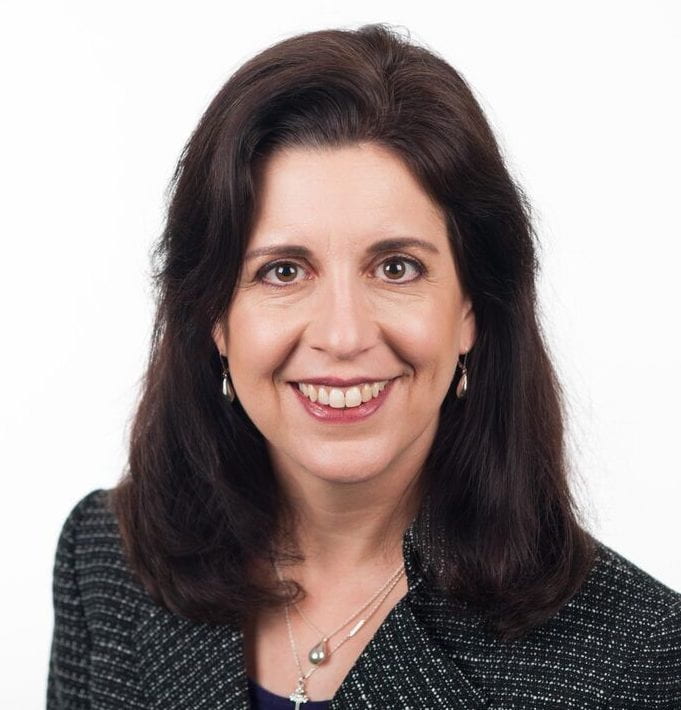
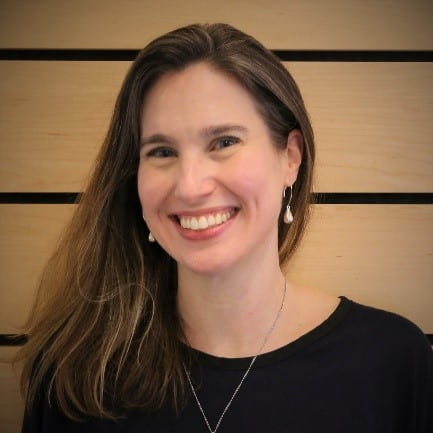
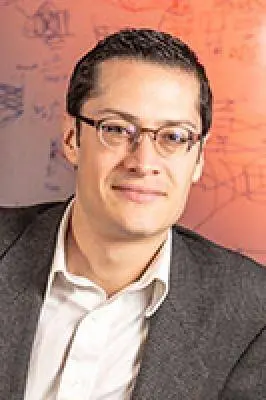
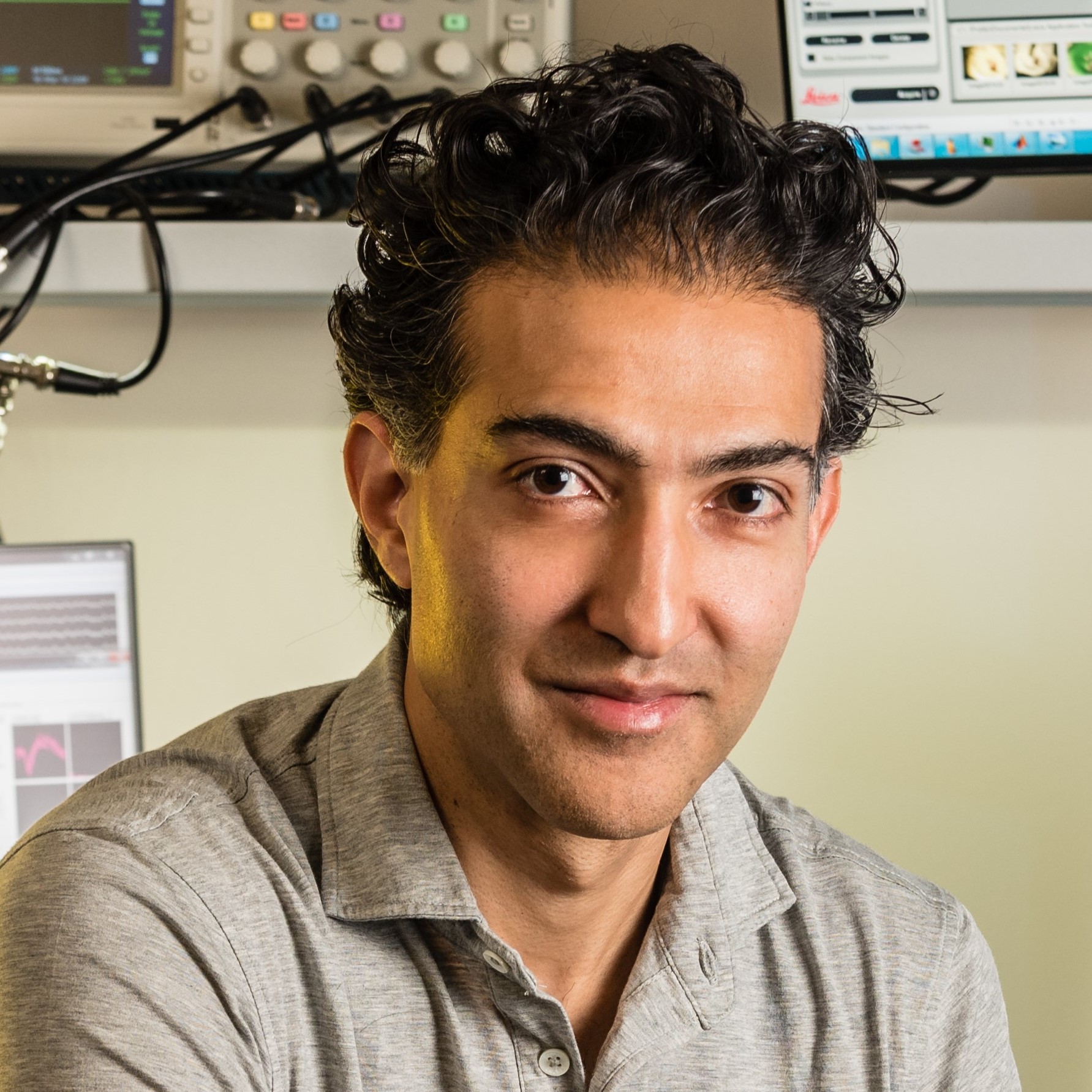
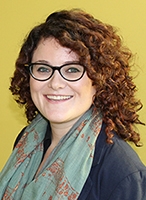
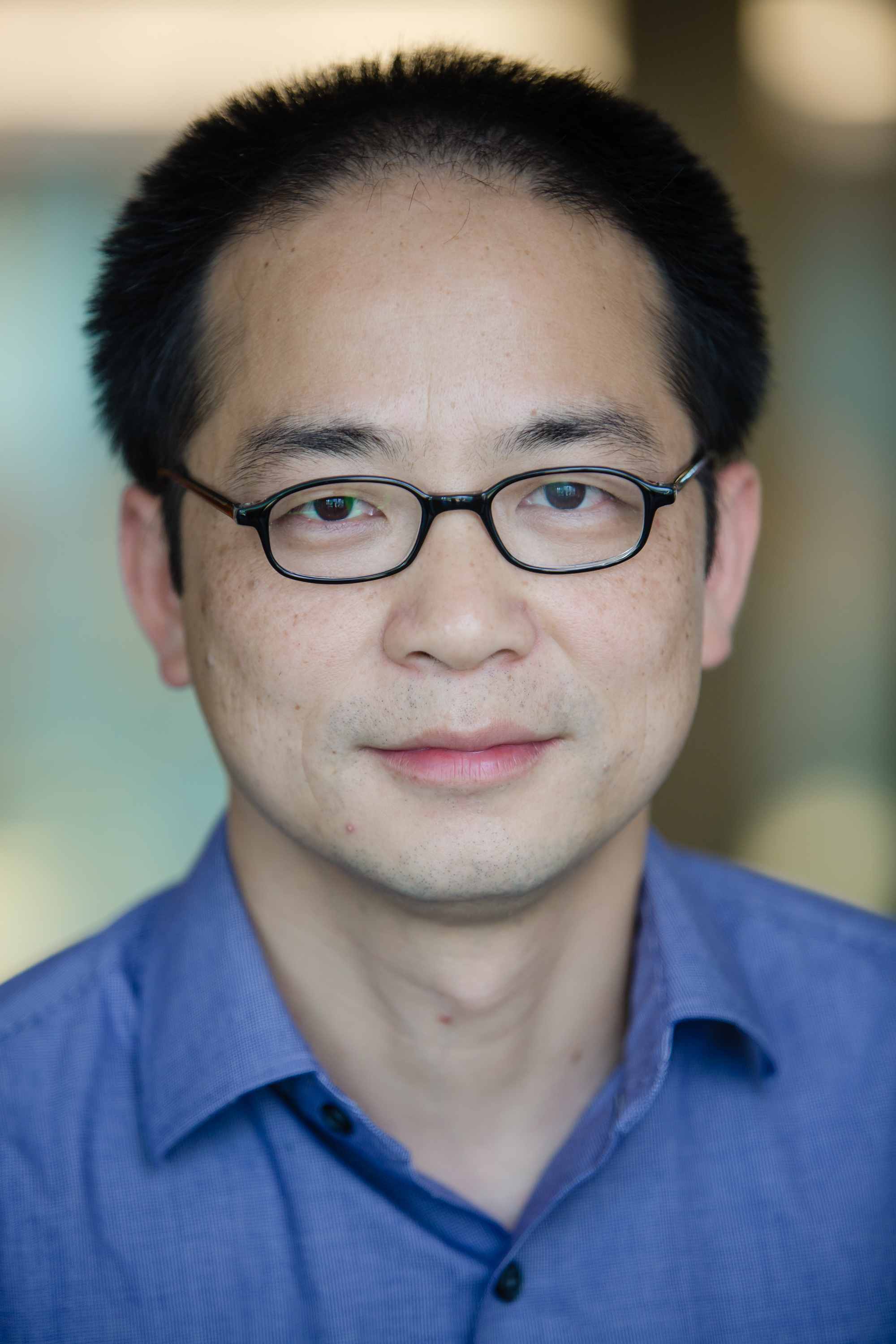
Shella Keilholz

Shella Keilholz's profile picture
sk233@mail.gatech.edu

Dr. Keilholz has been working in preclinical imaging for more than twenty years, with the goal of using animal models to improve the analysis of human MRI imaging. Her research uses multimodal approaches to extract information about neural dynamics from functional neuroimaging studies.

Associate Professor
Phone
404-727-2433
Office
Emory, HSRB W230
Additional Research
The goal of my research is to develop a method for mapping spontaneous activity throughout the whole brain with high spatial and temporal resolution, with the intention of using this technique to characterize alterations in dynamic neural activity linked to dysfunction and to identify potential targets for intervention. My primary expertise is in fMRI and functional connectivity mapping, and since my lab was established at Emory, we have focused on obtaining information about the dynamic activity of functional networks from the BOLD signal. Despite BOLD's indirect relationship to neural signals, evidence is growing that the BOLD fluctuations provide information about behaviorally relevant network activity. We take a two-pronged approach to the problem, combining MRI with direct neural measures like electrophysiology and optical imaging in the rodent, or with EEG and behavioral outputs in the human. Our effort to understand the relationship between BOLD and electrical or optical recordings (very different signals that cover very different spatial and temporal scales) has led us to develop new approaches to data analysis that include spectral, spatial, and temporal information. To better understand the large-scale dynamics of brain activity, we have become fluent in network modeling, nonlinear dynamics, and machine learning.
Research Focus Areas
Google Scholar
https://scholar.google.com/citations?user=OMS4d98AAAAJ&hl=en

Felipe Garcia Quiroz

Felipe Garcia Quiroz's profile picture

Felipe trained as a biomedical engineer in his native Colombia before obtaining a PhD from the Biomedical Engineering department of Duke University. At Duke, working in the laboratory of Ashutosh Chilkoti, he focused on the engineering of genetically-encoded, self-assembling protein polymers. An important outcome of this PhD work was the elucidation of sequence rules to program the phase separation behavior of intrinsically disordered proteins (IDPs). Motivated by a newly acquired ability to engineer the phase behavior of IDPs, for his postdoctoral work he turned to their poorly-understood biology. To pursue skin as an outstanding biological system, Felipe joined the group of Elaine Fuchs at Rockefeller University. Felipe’s postdoctoral research led to the discovery that liquid-liquid phase separation drives the process of skin barrier formation. In 2020, he established the Quiroz Lab in the Wallace H. Coulter Department of Biomedical Engineering at Georgia Tech and Emory University, where he is currently an Assistant Professor. Felipe is the recipient of multiple research awards, including a Career Award at the Scientific Interface from the Burroughs Wellcome Fund and the NIH Director’s New Innovator Award.

Assistant Professor
Phone
404-251-5435
Office
Health Sciences Research Building, Room E184 (Emory)
Google Scholar
https://scholar.google.com/citations?user=zlXwjXcAAAAJ&hl=en&oi=ao

Melissa Kemp

Melissa Kemp's profile picture
melissa.kemp@bme.gatech.edu

Melissa Lambeth Kemp received her B.S. in Nuclear Engineering from MIT and her Ph.D. in Bioengineering from University of Washington. Dr. Kemp joined the faculty at Georgia Tech in 2006 after completing postdoctoral training at MIT. Her expertise is in computational modeling of metabolism and signal transduction, as well as developing statistical modeling tools to examine network relationships in high-dimension datasets. One major aspect of her research program linking ROS – the byproducts of aerobic metabolism – to the fundamental way that cells interpret instructions from their environment, their neighbors, and their own genetic blueprint. Specific applications of her diverse work include systems modeling of transient phosphatase oxidation of kinase cascades, patient-specific differences in cytotoxicity to redox-cycled chemotherapeutics and radiation, and the coordination of oxidative metabolism with epithelial-to-mesenchymal transition. Her research program also includes a component of developing high-throughput screening methods for assaying cue-signal-response relationships in cells and analytical tools for single cell gene expression. 

Dr. Kemp currently serves as the Research Director of the multi-site NSF Engineering Research Center “Cell Manufacturing Technologies”. In her former role as Associate Director of the NSF Science and Technology Center “Emergent Behavior of Integrated Cellular Systems”, she spearheaded the multi-site center’s computational activities by developing agent-based models of context-dependent cellular decisions to generate new hypotheses of intercellular communication in pluripotent stem cell differentiation and emergent patterning; this work continues currently in quantifying organizational principles and spatial relationships in iPSC-derived tissues from multi-omics data. Dr. Kemp’s career honors include a Whitaker Graduate Fellowship, Merck/CSBi postdoctoral fellowship, Georgia Cancer Coalition Distinguished Scholar, NIH New Innovator Award, and the CSB2 Prize for Innovative Measurement Methods from the Council for Systems Biology in Boston.

Professor
Georgia Cancer Coalition Distinguished Cancer Scholar
Phone
404-385-6341
Office
EBB 3019
Additional Research
Systems biology, computational modeling, redox metabolism and signal tranduction.The Kemp Lab is focused on understanding how metabolism influences the decisions that cells make. Aging, stem cell differentiation, cancer metastasis, and inflammation rely on progressive changes in metabolism resulting in increased levels of reactive oxygen species. Collectively, the accumulation of these molecules is known as cellular oxidation, and pathological levels are referred to as oxidative stress. Our lab develops systems biology tools for investigating how cellular oxidation influences cellular fate and interpretation of cues from the extracellular environment. We are interested in the collective behavior that arises during stem cell differentiation, immune cell responses, or drug treatments from metabolic diversity in individual cells. Because of the numerous biochemical reactions involved, we develop computational models and analytical approaches to understand how complex protein network properties are influenced by redox-sensitive proteins; these proteins typically have reactive thiol groups that are post-translationally regulated in the presence of reactive oxygen species to alter activity and/or function. Experimentally, we develop novel high-throughput single cell techniques for the detection and quantification of intracellular oxidation.
Google Scholar
https://scholar.google.com/citations?user=WUN5ok8AAAAJ&hl=en

Francisco Robles

Francisco Robles's profile picture
francisco.robles@bme.gatech.edu

Dr. Francisco Robles is currently an adjunct assistant professor in the School of ECE and an assistant professor in the Wallace H. Coulter Department of Biomedical Engineering at the Georgia Institute of Technology and Emory University. He runs the Optical Imaging and Spectroscopy (OIS) Lab which focuses on advancing optical technologies to help improve the understanding of biological processes and the ability to identify and stage disease. The team develops and applies novel label-free linear and nonlinear spectroscopic methods, along with advanced signal processing methods, to gain access to novel forms of functional and molecular contrast for a variety of applications, including cancer detection, tumor margin assessment, and hematology. 

Dr. Robles completed a Postdoctoral Fellowship in the Department of Chemistry at Duke University (2016), earned his Ph.D. in Medical Physics at Duke University (2011), and earned a B.S. in Physics and in Nuclear Engineering from North Carolina State University (2007).

Associate Professor
Phone
404-385-2989
Office
UAW 3110
Research Focus Areas
Google Scholar
https://scholar.google.com/citations?user=8P-BCE8AAAAJ&hl=en

Brooks Lindsey

Brooks Lindsey's profile picture
brooks.lindsey@bme.gatech.edu

Dr. Lindsey previously developed matrix array transducers, adaptive beamforming strategies, and interventional devices in Stephen Smith’s lab at Duke University, where he received a Ph.D. for his work in 3D transcranial ultrasound.  While at Duke, he was the recipient of a pre-doctoral fellowship from the National Institutes of Health (NIH) as part of the Duke Medical Imaging Training Program.  He also completed postdoctoral training in the labs of Paul Dayton and Xiaoning Jiang at the University of North Carolina and North Carolina State University in contrast-enhanced ultrasound imaging and in the design and fabrication of high frequency, interventional ultrasound transducers.  During this time, he was awarded the Ruth L. Kirschstein National Research Service Award from the NIH to develop endoscopic transducers for contrast-specific imaging in pancreatic cancer.  Dr. Lindsey recently joined the Wallace H. Coulter Department of Biomedical Engineering at Georgia Tech-Emory, where he leads the Ultrasonic Imaging and Instrumentation Laboratory.  Dr. Lindsey is an active member of the IEEE Ultrasonics, Ferroelectrics, and Frequency Control Society, the Biomedical Engineering Society and the American Institute of Ultrasound in Medicine and is a member of the Technical Program Committee for the IEEE International Ultrasonics Symposium.  In 2022, Dr. Lindsey received the New Investigator award from the American Institute of Ultrasound in Medicine. At Georgia Tech, Dr. Lindsey holds a primary appointment in Biomedical Engineering.  He is also a faculty member for the Interdisciplinary Bioengineering Graduate Program and holds an adjunct appointment in the School of Electrical and Computer Engineering. Lab members have received best paper, best poster, and best student pitch awards from the IEEE UFFC Society. Research activities in the lab are currently funded by the National Institutes of Health and the National Science Foundation.

Assistant Professor
Phone
404-385-6647
Office
UAW 2107
Additional Research
Dr. Lindsey is interested in developing new imaging technologies for understanding biological processes and for clinical use.In the Ultrasonic Imaging and Instrumentation lab, we develop transducers, contrast agents, and systems for ultrasound imaging and image-guidance of therapy and drug delivery. Our aim is to develop quantitative, functional imaging techniques to better understand the physiological processes underlying diseases, particularly cardiovascular diseases and tumor progression.

Bilal Haider

Bilal Haider's profile picture
bilal.haider@bme.gatech.edu

Bilal Haider is an assistant professor in the Wallace H. Coulter Department of Biomedical Engineering at Georgia Tech and Emory University. He received B.S. and M.S. degrees from the University of Illinois Urbana-Champaign and M.Phil. and Ph.D. degrees from Yale University. He joined the faculty at Georgia Tech after completing postdoctoral training at University College London.

Haider’s research measures, manipulates and deciphers neural circuit activity underlying normal and impaired visual perception, providing new insights into how the brain processes information and orchestrates behavioral actions.

Haider has received several prestigious awards, including from the Whitehall Foundation, Simons Foundation and the Alfred P. Sloan Foundation. His work has been published in leading journals, including NatureNature NeuroscienceNature Communications and Neuron.

Assistant Professor
Phone
404-385-4935
Office
UAW 3104
Additional Research
Bilal Haider’s research goal is to measure, manipulate, and decipher neural circuit activity underlying visual perception and visual attention. He received B.S. and M.S. degrees from the University of Illinois Urbana-Champaign, M. Phil. and Ph.D. degrees from Yale University, and postdoctoral training at University College London. His lab uses advanced electrical, optical, and behavioral technologies to reveal insights into the inner workings of the brain in real-time and with unprecedented resolution. By discovering mechanisms  of information processing in neural circuits, his research provides critical steps towards understanding impairments in many neurological disorders such as schizophrenia, epilepsy, and autism spectrum disorder. 
Research Focus Areas
Google Scholar
https://scholar.google.com/citations?user=P5IKL5UAAAAJ&hl=en

Eva Dyer

Eva Dyer's profile picture
evadyer@gatech.edu

Dyer’s research interests lie at the intersection of machine learning, optimization, and neuroscience. Her lab develops computational methods for discovering principles that govern the organization and structure of the brain, as well as methods for integrating multi-modal datasets to reveal the link between neural structure and function.

Assistant Professor
Phone
404-894-4738
Office
UAW 3108
Additional Research

Eva Dyer’s research combines machine learning and neuroscience to understand the brain, its function, and how neural circuits are shaped by disease. Her lab, the Neural Data Science (NerDS) Lab, develops new tools and frameworks for interpreting complex neuroscience datasets and building machine intelligence architectures inspired by the brain. Through a synergistic combination of methods and insights from both fields, Dr. Dyer aims to advance the understanding of neural computation and develop new abstractions of biological organization and function that can be used to create more flexible AI systems.

Research Focus Areas
Google Scholar
https://scholar.google.com/citations?user=Sb_jcHcAAAAJ&hl=en

Yonggang Ke

Yonggang Ke's profile picture
yonggang.ke@emory.edu

Yonggang Ke's research is highly interdisciplinary combining chemistry, biology, physics, material science, and engineering. The overall mission of his research is to use interdisciplinary research tools to program nucleic-acid-based "beautiful structures and smart devices" at nanoscale, and use them for scientific exploration and technological applications. Specifically, his team focuses on (1) developing new DNA self-assembly paradigms for constructing DNA nanostructures with greater structural complexity, and with controllable sizes and shapes; (2) developing new imaging or drug delivery systems based on DNA nanostructuresl; (3) exploring design of novel DNA-based nanodevices for understanding basic biological questions at molecular level; (4) developing DNA-templated protein devices for constructing artificial bio-reactors.

For cancer-related research/application, Ke will focus on using DNA/RNA nanostructures as drug delivery vehicles. He is also interested in using DNA/RNA nanostructures to study cancer cell biology at molecular level.

Assistant Professor, Wallace H. Coulter Department of Biomedical Engineering
Phone
404.712.2712
Office
Emory HSRB E186
Additional Research

Molecular engineeringNucleic acid self-assemblyTargeted imaging and delivery

Google Scholar
https://scholar.google.com/citations?user=jNXJdQ4AAAAJ&hl=en

Shu Jia

Shu Jia's profile picture
shu.jia@gatech.edu

We strive to innovate in ways that both advance the imaging science and also impact biological and translational research. We are particularly interested in new imaging physics, bottom-up opto-electronic system design, as well as new principles for light propagation, light-matter interaction and image formation in complex biological materials, especially at the single-molecule level. Toward the application end, we have expertise in a wide range of imaging instrumentation and techniques, such as super-resolution, adaptive optics, light-field, miniaturized, light-sheet, computational microscopy and endoscopy.

Assistant Professor, Wallace H. Coulter Department of Biomedical Engineering
Phone
404.894.0290
Office
UAW 2112
Additional Research

Single-molecule biophotonicsSuper-resolution imagingAdvanced optical microscopy and instrumentation

Google Scholar
https://scholar.google.com/citations?hl=en&user=pcEf8kcAAAAJ&view_op=list_works&sortby=pubdate