


2026 Awardees Announced for Regenerative Engineering and Medicine Center Collaborative Seed Grant

Illustration of cancer cells, with a highlighted tumor cell in the center targeted by a digital crosshair.

Advancing the frontiers of regenerative medicine means more than pushing scientific boundaries — it means improving and extending human life. The Regenerative Engineering and Medicine Center (REM) is a partnership with Georgia Tech, Emory University, and the University of Georgia (UGA) that supports this mission through inter-institutional collaborations in research in regenerative medicine.  

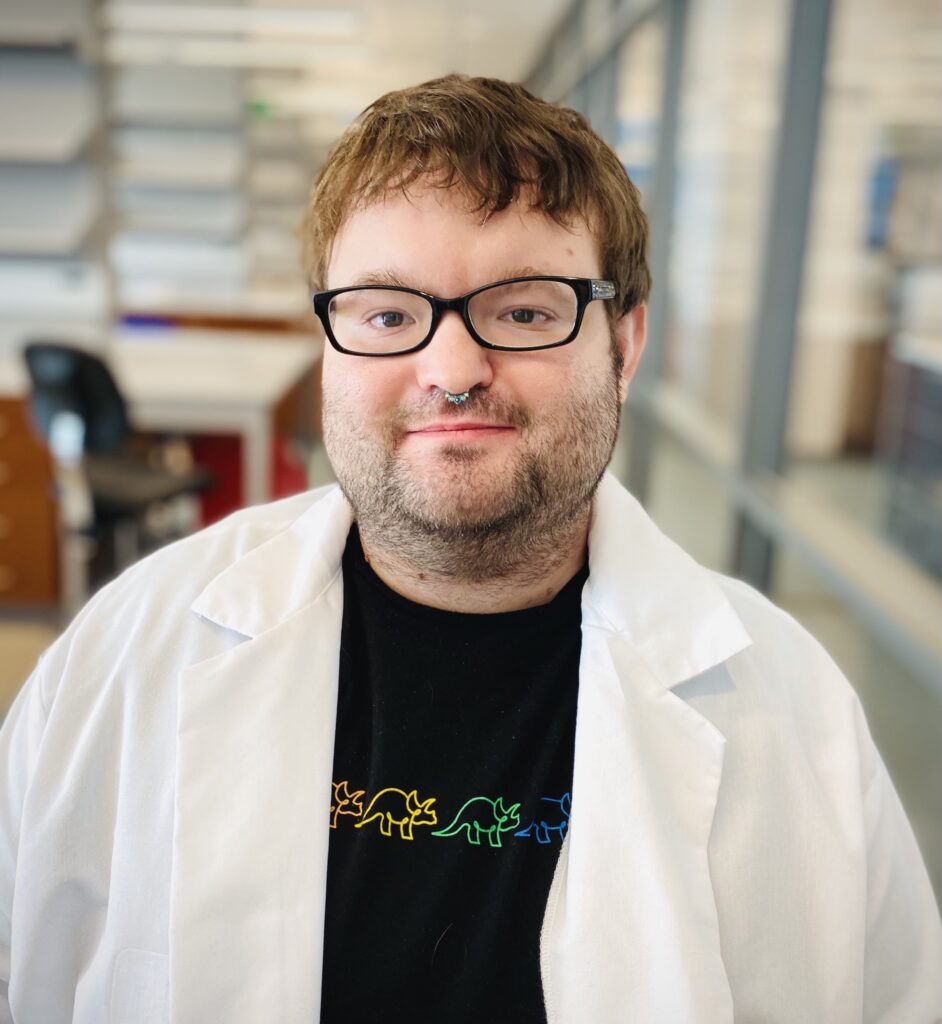
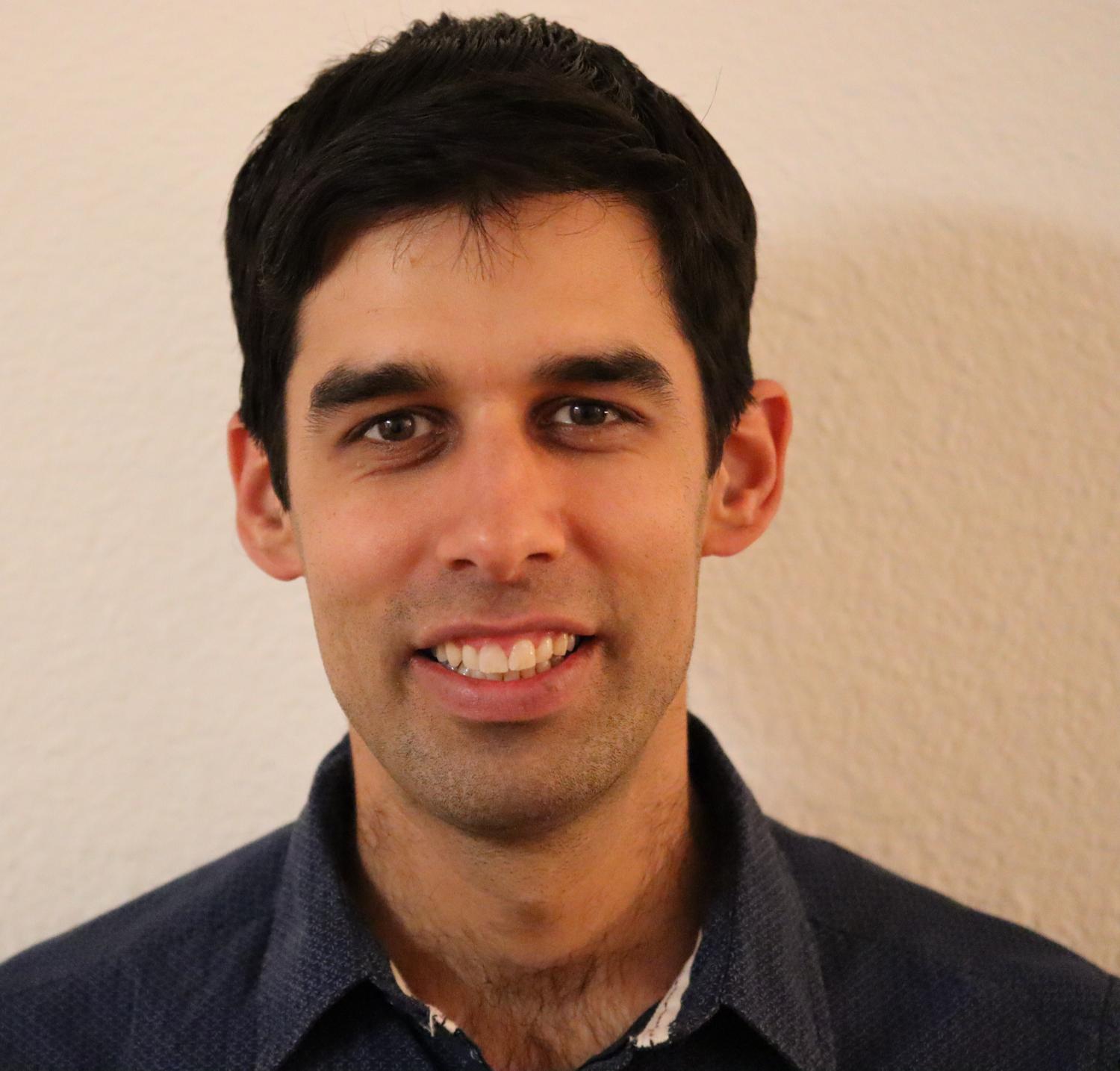
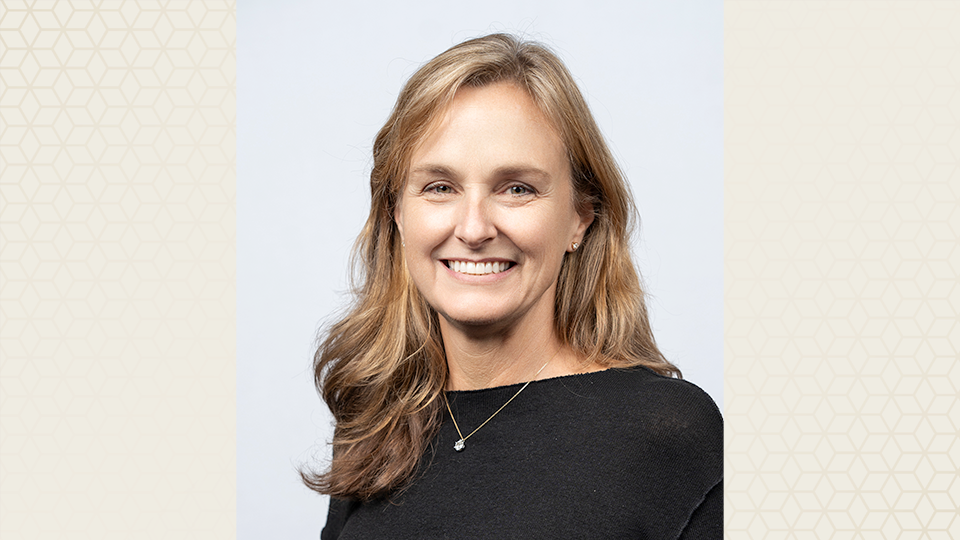
Since 2010, competitive peer-reviewed seed grants have been awarded annually to interdisciplinary teams with representation from at least two of the three institutions, leading to clinical trials, licensed technologies, start-up companies, and external funding for additional research. The Parker H. Petit Institute for Bioengineering and Bioscience (IBB) is excited to announce the 2026 REM Collaborative Seed Grant awardees: Melissa Kemp (Georgia Tech) and Rabindra Tirouvanziam (Emory); Yang Liu (UGA) and Yong Teng (Emory); and Steven Stice (UGA) and Zhexing Wen (Emory). 

Kemp and Tirouvanziam were awarded funding for their proposal, “Predicting Personalized Extracellular Vesicle (EV) Responses for Directed Myeloid‑Targeted Immunotherapy.” Their project combines computer modeling and lab‑grown lung tissue to better understand how immune cells communicate during lung infections and inflammation in different people. This research could help scientists design more precise, patient‑specific therapies for respiratory diseases, potentially improving treatments for conditions ranging from viral infections to chronic inflammation. 

"We are grateful for the support from REM that allows us to extend our labs into new, interdisciplinary research,” Kemp said. “This pilot project will allow us to develop and experimentally validate multicellular models of the lung environment. Our goal is to use our platforms to test potential therapeutics that operate by controlling communication between cell types." 

“It is wonderful to be supported by REM for this collaboration between Georgia Tech and Emory labs,” Tirouvanziam agreed. “We hope to turn this pilot into a large extramural project with a focus on novel immunotherapy.” 

Liu and Teng were awarded funding for their proposal, “AI‑Guided Profiling of Migratory Cancer Stem Cell Communication in Head and Neck Cancer.”  Their project aims to uncover how the most aggressive cancer stem cells move and “talk” to nearby immune and tissue cells, using advanced microfluidic tools and artificial intelligence to study how these cells help cancer spread and resist treatment.  Understanding these hidden communication pathways could lead to earlier detection of dangerous cancer cell types and inspire new therapies that prevent recurrence and improve survival for patients with head and neck cancer. 

“We combine microfluidic tools with artificial intelligence to monitor individual cancer cells in action and study how they interact with the immune microenvironment — capturing behaviors that are missed in bulk experiments and shedding light on how aggressive cancer cells escape therapy,” Liu said of the project.  

Stice and Wen were awarded funding for their application, “Use of Alzheimer’s Disease Organoids to Assess Mesenchymal Stromal Cell–Derived Extracellular Vesicles Mechanism of Action.”  Their project uses lab‑grown human brain organoids to study how tiny therapeutic particles called extracellular vesicles that are released by stem cells might reduce brain inflammation and protect neurons affected by Alzheimer’s disease.  Revealing how these vesicles work at a molecular level could help advance new treatments that go beyond symptom management and move toward slowing or preventing Alzheimer’s progression. 

“Extracellular vesicles (EVs) are used in the body to communicate with cells around an injury and are known to repair brain tissue in Alzheimer’s animal models,” Stice said.  “Understanding the signaling mechanisms used by EVs in Alzheimer’s brain organoids will directly lead to better EV manufacturing processes and potency for neurodegenerative diseases, and ultimately better therapies.” 

This year’s funded work illustrates how collaboration across institutions accelerates discoveries. Together, these teams are pushing healing technologies closer to real‑world impact, where they can make a tangible difference for patients affected by serious illness. 

 
News Contact

Ashlie Bowman | Communications Program Manager

Parker H. Petit Institute for Bioengineering and Bioscience

Wine, Science, and Spectroscopy: Georgia Tech Outreach Produces Published Research

An abstract glass of wine consisting of points, lines, and shapes.

The study underscores the potential of NMR and other powerful technologies as outreach opportunities – from engaging the public, to better teaching undergraduate students.

New work from Georgia Tech is showing how a simple glass of wine can serve as a powerful gateway for understanding advanced research and technologies.

The project, inspired by an Atlanta Science Festival event hosted by School of Chemistry and Biochemistry Assistant Professor Andrew McShan, develops an innovative outreach and teaching module around nuclear magnetic resonance (NMR) techniques, and is designed for easy adoption in introductory chemistry and biochemistry courses. 

Published earlier this year in the Journal of Chemical Education, the study, “Automated Chemical Profiling of Wine by Solution NMR Spectroscopy: A Demonstration for Outreach and Education” was led by a team from the School of Chemistry and Biochemistry including lead author McShan, Ph.D. students Lily CapeciElizabeth A. Corbin, Ruoqing JiaMiriam K. Simma, and F. N. U. Vidya, Academic Professional Mary E. Peek, and Georgia Tech NMR Center Co-Directors Johannes E. Leisen and Hongwei Wu.

“NMR is one of the most widely used analytical tools in chemistry and the life sciences, and Georgia Tech hosts one of the most cutting-edge NMR centers in the world,” McShan says. “Our study shows that you don’t need advanced training to appreciate how powerful tools like NMR work and how those tools are used in research.”

All materials, tutorials, and data are freely available via online tutorials and a YouTube video, enabling educators to replicate or adapt the activity even in settings with limited access to NMR facilities.

Wine sleuthing at the Atlanta Science Festival

From families with K-12 students to undergraduates to adults with no prior chemistry experience, nearly 130 visitors explored wine chemistry at the Georgia Tech NMR Center during the Atlanta Science Festival event. With McShan’s guidance, they identified and quantified more than 70 chemical components that influence wine taste, aroma, and quality by analyzing the chemical composition, structure, and dynamics of molecules.

Taking on the role of wine investigators (a real-world application of NMR), the group investigated examples of wine fraud, learning to identify harmful additives like methanol, antifreeze, and lead acetate – additives that played roles in both historical and modern wine scandals.

“By connecting the science to something familiar like wine, we were able to spark curiosity and excitement across age groups,” says McShan. “This a framework for how complex analytical techniques can be made inclusive, interactive, and inspiring whether in the classroom or at a science festival.”

Science for all

The study underscores the potential of NMR and other powerful technologies as outreach opportunities – from engaging the public to better teaching undergraduate students.

“After the event, adults said they learned how chemical composition affects wine characteristics and how NMR is used in research and industry,” McShan says. “Younger participants learned key concepts about wine composition and found benefits from the sensory elements, like watching the spectrometer in action.”

They aim to use these takeaways to continue developing outreach tools. “My end goal is to develop NMR into a practical teaching tool by grounding the technique in real-world examples,” adds McShan. “Using this approach is a clear avenue to introducing the general public to the world-class instruments used by researchers at Georgia Tech and exposing undergraduate students to the powerful analytical techniques they are likely to encounter throughout their careers.”


Funding: National Science Foundation

Andrew McShan
 
News Contact

Written by Selena Langner

Obstacle or Accelerator? How Imperfections Affect Material Strength

A crack in a building wall.

“Cracks are complex — they interact with the material, change shape, and respond dynamically," says Kolvin. "All of this affects the overall toughness, and that impacts safety.” (Adobe Stock)

Imagine a material cracking — now imagine what happens if there are small inclusions in the material. Do they create an obstacle course for the crack to navigate, slowing it down? Or do they act as weak points, helping the crack spread faster?

Historically, most engineers believed the former, using heterogeneities, or differences, in materials to make materials stronger and more resilient. However, research from Georgia Tech is showing that, in some cases, heterogeneities make materials weaker and can even accelerate cracks. 

Led by School of Physics Assistant Professor Itamar Kolvin, the study, “Dual Role for Heterogeneity in Dynamic Fracture,” was published in Physical Review Letters this fall. 

While Kolvin’s work is theoretical, the results of the research are widely applicable. “Predicting this type of toughening effect helps engineers decide how much reinforcement to add to a material, and the best way to do so,” he says. “Cracks are complex — they interact with the material, change shape, and respond dynamically. All of this affects the overall toughness, which impacts safety.”

Building strong materials

The study found that the key to crack behavior starts at the microscopic level where the material’s microscopic structure influences how it resists cracks running at different speeds.

“Cracks propagate by breaking bonds, and that costs energy,” he explains. “On top of this, materials experience extreme deformations close to where the crack runs, which costs additional energy. In some materials, the amount of this energy cost can depend on the crack’s speed because of microscopic friction between molecules.”

Other materials, like window glass, are mostly indifferent to the crack speed. These materials are made of simple molecules, allowing a crack to propagate slowly or quickly using the same amount of energy. The researchers found that including heterogeneities can help strengthen these materials.

Materials made of more complex molecules, like polymer plastics and gels, on the other hand, are velocity dependent: it takes more energy for a crack to propagate faster. In these materials, heterogeneities are less effective at toughening, and if the crack is fast enough, heterogeneities could help it advance. “That’s something we didn’t expect when we started,” Kolvin says.

Disorder versus design

After discovering which types of materials can benefit from heterogeneities, Kolvin wanted to investigate the best way to add them. “Natural materials like rocks are usually very messy and disordered,” he explains, “but in engineering, heterogenous materials tend to be patterned.” For example, imagine a manufactured material: heterogeneities may be added in a grid-like or other patterned way. Now, contrast that with the irregular freckles and inclusions you might see in a rock found in a streambed.

Kolvin’s question was simple: which material was stronger? The results, again, were surprising. The disordered case — similar to what is found in nature — created the toughest material. 

Among the patterned materials the team tested, only one was as tough as the disordered case — and every other pattern tested made the material weaker.

From lab to landscape

At Georgia Tech, Kolvin’s lab focuses on the mechanics of materials — both solid and fluid. “We are using our expertise in physics to explore questions across different fields,” he says. “A common concept is treating materials as continua — zooming out from molecular detail to look at how materials deform and flow at the large scale.”

This current research follows suit with applications ranging from investigating the smallest material microstructures to predicting earthquake fractures. “Earthquake faults are highly disordered, and simulating these ruptures is a major challenge, usually requiring supercomputers to solve crack propagation in three dimensions,” Kolvin says. “But with the tools our study has developed, we can simulate similar conditions and large systems using just a desktop computer.”

“This opens the doors for scientists, engineers, physicists, and geologists to explore problems right from their own computer, allowing more researchers access to more tools,” he adds. “And new tools often lead to new discoveries.”


DOI: https://doi.org/10.1103/j4vb-y1ng

Itamar Kolvin

Itamar Kolvin

 
News Contact

Written by Selena Langner

Tech Talks Business featuring Maria Elisa Botero Roba, CMO, Nutresa, Jeannine Haas, CMO, Gulfstream Aerospace, and Melody Lee, CMO, Mercedes-Benz USA

In conjunction with the 2026 Marketing Innovation Conference, the Scheller College of Business is hosting a Tech Talks Business session on Friday, February 27. Dean Anuj Mehrotra will be in conversation with Maria Elisa Botero Roba, chief marketing officer at Nutresa; Jeannine Haas, chief marketing officer at Gulfstream Aerospace; and Melody Lee, chief marketing officer at Mercedes-Benz USA, will explore how brands and consumers are co-creating trust, experiences, and cultural relevance in an increasingly connected world.

Leanne West Named 2026 Innovator of the Year in Pediatric Health

Leanne West

Leanne West, chief engineer of pediatric technologies at Georgia Tech and a national leader in pediatric health innovation, has been honored as a 2026 Innovator of the Year in Pediatric Health by the Atlanta Business Chronicle and selected as one of Titan CEO’s 2026 Georgia Titan 100 Honorees. These recognitions celebrate West’s leadership and impact in pediatric health innovation at both the local and national level. In January, West was also named chief research and innovation officer at Shriners Children’s, a role that expands her longstanding commitment to pediatric innovation. 

For more than a decade, West has been instrumental in the partnership between Georgia Tech and Children’s Healthcare of Atlanta, working through the Pediatric Technology Center (PTC) to translate clinical needs into engineered solutions for children. In this role, she has worked alongside Children’s clinicians, nurses, and researchers to identify unmet needs, form multidisciplinary teams, and guide projects from early concepts through prototyping, validation, funding, and regulatory pathways. The Children’s Healthcare of Atlanta PTC established Atlanta as a nationally recognized hub for pediatric technology innovation enabling clinician-driven research, accelerating translational projects, and fostering a culture in which engineering solutions are shaped directly by real clinical experience. 

In 2019, West began building a relationship with Shriners, working to understand their most pressing clinical needs. She then connected clinicians with researchers at Georgia Tech, Emory University, and Kennesaw State University to foster collaborations focused on real-world clinical challenges. She also supported teams with promising prototypes by helping them navigate national funding opportunities and pathways at the Federal Drug Administration (FDA), accelerating the transition from lab discoveries to patient care.  

Over time, this steady engagement evolved into a strong research partnership. In June 2025, Shriners announced they are joining the robust pediatric innovation ecosystem in Atlanta by establishing the Shriners Children’s Research Institute (SCRI). SCRI will be co-located with Georgia Tech as the anchor tenant at Science Square. This investment will be transformational for the future of pediatric research and innovation in the state of Georgia. 

“What excites me most is what we can accomplish together when we combine our strengths to align around a children-first mindset to improve the healthcare of children everywhere,” said West. “Kids will benefit in ways no one organization could achieve alone.” 

West’s leadership in pediatric innovation doesn’t stop there. In November 2025, she consolidated three major gatherings into the first International Pediatric Healthcare Innovation Summit, combining the Pediatric Innovation Day, the International Society for Pediatric Innovation’s (iSPI) biennial PEDS2040 event, and the joint meeting of the FDA-funded Pediatric Device Consortia. The Summit highlighted the work of Children’s Healthcare of Atlanta, bringing together more than 150 representatives from children’s hospitals, startups, venture capitalists, clinicians, patients, and leaders from across the Georgia innovation ecosystem, strengthening the region’s global presence in pediatric health innovation. 

As president of the International Children’s Advisory Network (iCAN), West continues to elevate the voices of young people with chronic and rare conditions and their caregivers. Under her leadership, iCAN partners with industry, regulators, and the FDA to ensure pediatric patients are included in device and drug development, clinical trials, healthcare education, and regulatory conversations. She also champions opportunities that train and inspire youth and early career professionals to pursue roles across healthcare and life sciences — from clinicians and innovators to public health leaders and patient advocates. 

West served as an invited speaker at the 2025 World Health Organization’s World Children’s Health Day on the Importance of Clinical Trials for the Safety of Children, and at the FDA’s meeting on the Implementation of the Best Pharmaceuticals for Children Act and Pediatric Research Equity Act. She continues to contribute nationally through service on the Medical Device Innovation Consortium’s (MDIC) NEST executive committee to advance use of real-world evidence in regulatory submissions, particularly for pediatric devices, and the MDIC Patient Value committee. In addition, she serves on the iSPI executive team, the Patient Focused Medicines Development board, the Pediatric Trials Network steering committee, and as a judge for MedTech Innovator. 

West’s awards and new role reflect the cumulative impact of more than a decade of leadership, partnership-building, and translational work across the worldwide pediatric ecosystem. West and her fellow honorees will be officially recognized at the 2026 Health Care Champion Awards on March 19 and at the Titan 100 Awards on May 7.

 
News Contact

Laurie Haigh
Institute Communications

Grading 2025’s Biggest Predictions and What They Signal for 2026

Businessman holding magnifying glass focusing on year 2026 with digital icons of innovation, AI, analytics, and global strategy. Concept of future planning, technology trends and vision.

At the start of 2025, forecasts were confident: Automation would accelerate, artificial intelligence (AI) adoption would surge, and the economic picture would clarify. A year later, the report card is mixed. Predictions were directionally right but overly optimistic about the speed of change.

Consumer Behavior: Confidence Lagged; Spending Did Not
Grade: C

Consumer forecasts were among the least accurate.

“Consumer confidence started the year at low levels,” says Samuel Bond, associate professor of marketing in the Scheller College of Business. Many analysts expected households to pull back, particularly on discretionary spending. Instead, consumers kept spending — especially on travel, dining, and entertainment.

Bond notes a persistent gap between sentiment and behavior. “People expressed worry, but they did not significantly reduce spending.”

He also points to a major 2025 shift: the rise of AI “shopping assistants.” Rather than using search engines or retailer sites, consumers increasingly turned to tools like ChatGPT, Gemini, and other bots that consolidate search, comparison, and advice.

Automation Expectations: Progress Without the Breakthrough
Grade: B-

Supply chain automation was expected to leap forward in 2025, but progress came in targeted pockets.

“2025 did not deliver a broad, step-change leap in automation performance,” says Chris Gaffney, professor of the practice in the H. Milton Stewart School of Industrial and Systems Engineering (ISyE). “Instead, it delivered selective progress.”

Automation delivered the most value in tightly scoped environments with clear ownership, particularly in new distribution and manufacturing facilities. Semi-automated systems that supported human judgment and stabilized throughput outperformed complex retrofits that promised full automation.

Forecasts missed by assuming technology alone could overcome workforce readiness, data gaps, and organizational complexity. “The gap between expectation and reality was less about technology and more about readiness to operate automated systems day-to-day,” Gaffney says.

Still, Gaffney gives 2025 a B-, calling it “a healthy, if humbling, outcome” that reset expectations and clarified what actually matters heading into 2026.

Artificial Intelligence: Adoption Advanced; Hype Outran Reality
Grade: Hard to define

No trend attracted more hype in 2025 than AI, and predictions routinely overshot reality.

“There’s been so much hype around AI that keeping track of specific forecasts is difficult,” says Jorge Huertas, a researcher in the ISyE. “AI has grown in many different areas and scopes, but not at the pace it was hyped.”

Some applications matured quickly, particularly code generation and AI tools embedded into existing platforms. “Claude has grown very well with code generation, and Gemini has grown by integrating across the Google ecosystem,” Huertas says.

Other highly touted areas lagged. “Agentic AI was hyped, only to see many cases where engineers spent two or three times longer fixing errors from AI-generated code,” he adds.

AI delivered the most value when narrowly applied to the right problems. Looking ahead, Huertas points to accuracy, guardrails, and regulation, rather than model capability, as the key constraints shaping AI’s 2026 trajectory.

Alex Hsu, associate professor in the Scheller College of Business, notes that business adoption is accelerating regardless. “The AI revolution is here to stay,” he says. “Tech companies are investing hundreds of billions in large language models and data centers, while companies outside tech are using models to improve margins. This will heighten competition and put downward pressure on the labor market.”

Economic Outlook: Forecasts Tested by Policy Volatility
Grade: C+

Economic predictions faced unusual turbulence in 2025, driven largely by rapid policy shifts.

“2025 was a difficult year to forecast gross domestic product (GDP) growth given the immense number of changes in policy at the federal level,” says Danny Woodbury, lecturer in the School of Economics.

Early forecasts projected solid growth in the first quarter, but GDP instead contracted slightly as government spending fell and imports surged following tariff announcements. “Forecasters did not foresee the magnitude of the shift in trade policy,” Woodbury says, noting that projections only converged with reality weeks before official data releases.

Later in the year, export growth pushed GDP forecasts sharply higher, again catching analysts off guard.

Hsu adds that inflation and unemployment will be the key indicators to watch in 2026 as the Federal Reserve balances price stability with employment amid rising bond yields and global fiscal pressures complicating the outlook.

What Forecasters Should Adjust Going Forward

Across sectors, 2025 revealed a common blind spot: Predictions assumed smoother execution than reality allowed.

For 2026, experts point to discipline over hype, operational readiness over technology promises, policy risk over static models, and actual behavior over stated intentions.

As Gaffney puts it: “2026 will reward operators who treat automation as a system to be run, not a solution to be bought.”

 
News Contact

Ayana Isles
Senior Media Relations Representative
Institute Communications
 

Georgia Tech Recognizes Excellence with 2026 Institute Research Awards

Banner graphic with a gold star trophy and the text “Institute Research Award Winners 2026.”

Georgia Tech has announced the 2026 Institute Research Award recipients, recognizing faculty and staff whose work has made significant scientific, technological, and societal impact.

Presented by the Office of the Executive Vice President for Research, the awards honor contributions across the full research spectrum — from fundamental discovery to technology commercialization. 

Winners were selected across six award categories highlighting innovation, mentorship, collaboration, and community engagement, including two awards presented to teams for their collective achievements.

“The strength of Georgia Tech’s research enterprise begins with the talented people who push discovery forward every day,” said Tim Lieuwen, executive vice president for Research. “Congratulations to this year’s honorees, who demonstrate what it means to turn bold ideas into real-world impact, advancing knowledge from fundamental science to commercial and community applications. With these awards, we celebrate their leadership, creativity, and dedication to serving the public good.”

Considered among Georgia Tech’s most prestigious internal honors, the awards rely on a peer‑driven nomination process that emphasizes measurable contributions and leadership across disciplines. Recipients include both early‑career researchers making emerging breakthroughs and long‑standing faculty and staff recognized for sustained excellence and mentorship.

Awardees will be celebrated at the Georgia Tech Faculty and Staff Honors Luncheon on April 24 in the Midtown Ballroom Exhibition Hall.

2026 Institute Research Award Winners

Outstanding Achievement in Research Engagement and Outreach — Edward Botchwey
Awarded to a faculty member who demonstrates excellence in research engagement and outreach to other institutions of Higher Education or external partners.

Outstanding Achievement in Research Enterprise Enhancement — Anna Österholm
Awarded to a member of the administrative staff whose exceptional contributions advance the research and scholarly enterprise and exemplify the values of the Institute Focus Areas and/or Big Bets.

Outstanding Achievement in Research Innovation — Lakshmi ‘Prasad’ Dasi
Recognizes a faculty member who excels in research engagement and outreach through meaningful collaboration with higher education institutions and/or external partners, advancing awareness, scholarship, and understanding of research topics and the broader research process, with demonstrated impact on audiences and scholarly work.

Outstanding Doctoral Thesis Advisor — Shimeng Yu
Recognizes a faculty member whose excellence in doctoral advising is reflected in the achievements of their doctoral students who completed all degree requirements between January 1, 2021, and December 31, 2025. This award honors exceptional mentorship demonstrated through advising approach, guidance practices, and meaningful student outcomes.

Outstanding Achievement in Research Program Development — Human Space Exploration Team
Recognizes a faculty‑ and staff‑led research team that has developed a thought‑leadership platform to significantly expand Georgia Tech’s research and scholarship portfolio through impactful engagement, collaboration, and outreach that advances understanding of research and scholarly topics and processes.

Outstanding Achievement in Research Program Impact — Georgia Artificial Intelligence in Manufacturing (GA-AIM)
Recognizes a faculty‑ and staff‑led research team whose innovative program has significantly expanded Georgia Tech’s research portfolio, demonstrating measurable impact, broad influence, and meaningful engagement with external partners across academic, industry, and community sectors.


Media Contact:

Shelley Wunder-Smith
Research Communications


Smaller, Smarter, Speedier, Stacked: Engineering Next-Gen Computing

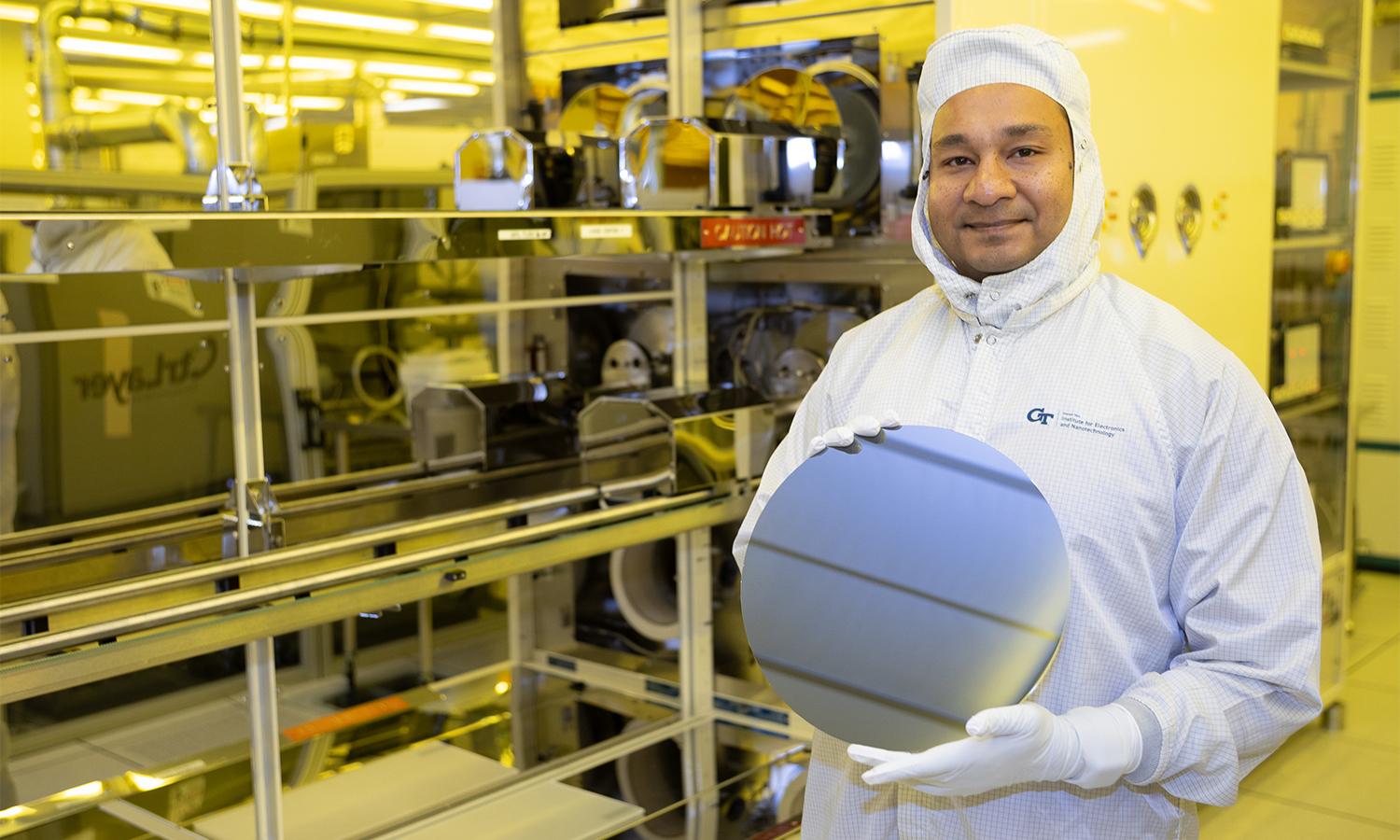
Asif Khan holds a silicon wafer in a cleanroom.

Asif Khan holds a silicon wafer in Georgia Tech’s cleanroom facility. Khan is trying to build new kinds of computer memory using fundamentally different mechanisms to store data. (Photo: Candler Hobbs)

The power of modern computing is hard to overstate.

Your smartphone has more than 100,000 times the power of the computer that guided Apollo 11 to the moon. It’s about 5,000 times faster than 1980s supercomputers. And that’s just processing power.

Apple’s original iPod promised “1,000 songs in your pocket” in 2001. Today’s average smartphone has enough memory to store 25,000, along with thousands more photos, apps, and videos.

This exponential leap in capability traces a prediction made in 1965 by Intel co-founder Gordon Moore. He suggested the number of transistors — tiny electronic switches — on a computer chip would double roughly every two years. Moore’s Law, as it became known, has served as a benchmark and guiding principle for the tech industry, influencing the trajectory of innovation for nearly six decades.

But now miniaturizing transistors has slowed. Headlines regularly declare Moore’s Law dead.

Arijit Raychowdhury sees it differently.

He said Moore’s Law was never just about shrinking transistors. It was about making computing better.

“Moore’s Law is fundamentally economic,” said Raychowdhury, Steve W. Chaddick School Chair of Electrical and Computer Engineering (ECE). “It’s not about the physics of making transistors smaller. It’s about the business imperative to deliver better performance, lower power consumption, smaller form factors, or reduced costs.”

Read the full story in Helluva Engineer magazine.

 
News Contact

Dan Watson
School of Electrical and Computer Engineering

Is the Whole Universe Just a Simulation?

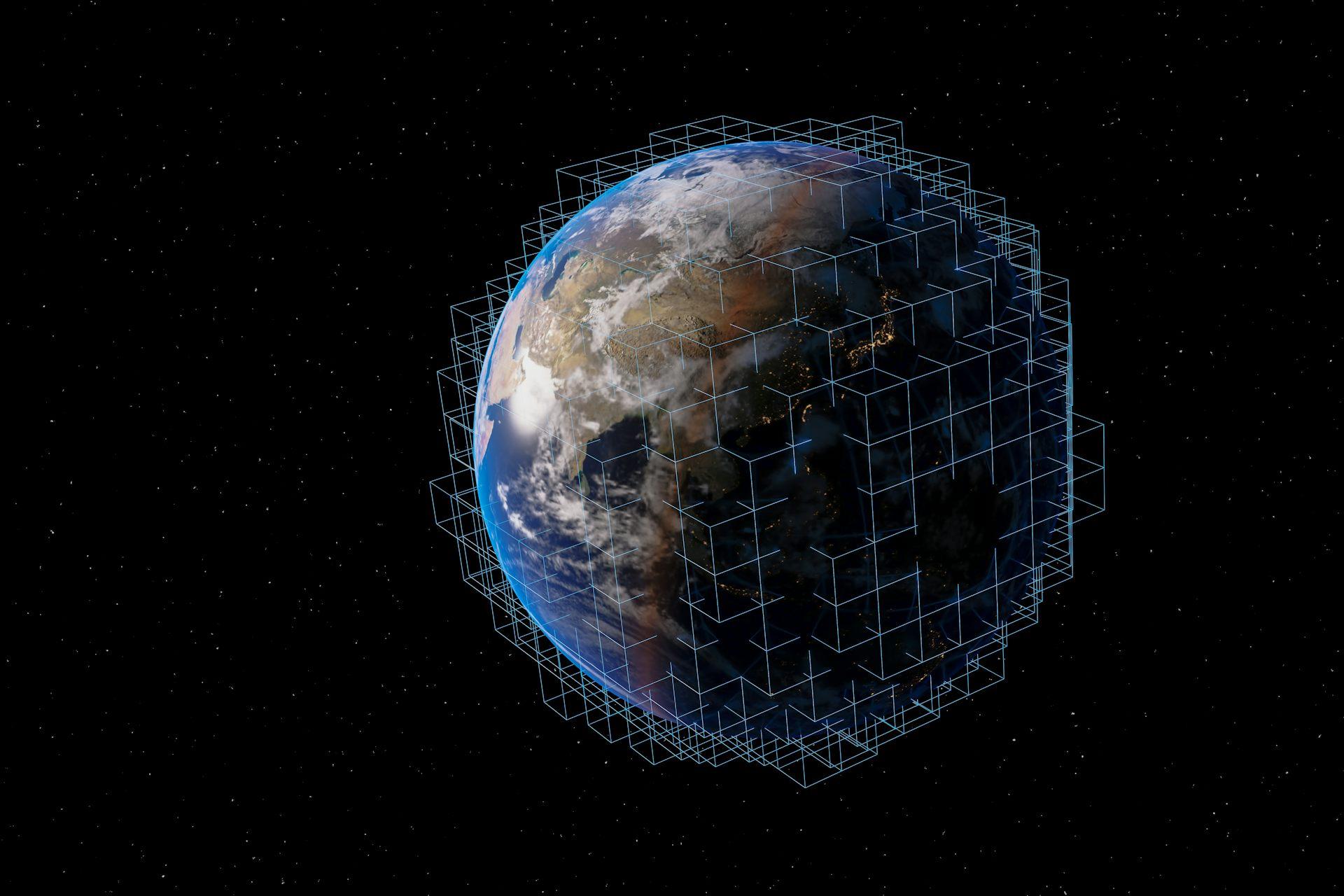
Could the Earth and everything on it – and even the whole universe – be a simulation running on a giant computer? OsakaWayne Studios/Moment via Getty Images

Could the Earth and everything on it – and even the whole universe – be a simulation running on a giant computer? OsakaWayne Studios/Moment via Getty Images

Is the whole universe just a simulation? – Moumita B., age 13, Dhaka, Bangladesh


How do you know anything is real? Some things you can see directly, like your fingers. Other things, like your chin, you need a mirror or a camera to see. Other things can’t be seen, but you believe in them because a parent or a teacher told you, or you read it in a book.

As a physicist, I use sensitive scientific instruments and complicated math to try to figure out what’s real and what’s not. But none of these sources of information is entirely reliable: Scientific measurements can be wrong, my calculations can have errors, even your eyes can deceive you, like the dress that broke the internet because nobody could agree on what colors it was.

Because every source of information – even your teachers – can trick you some of the time, some people have always wondered whether we can ever trust any information.

If you can’t trust anything, are you sure you’re awake? Thousands of years ago, Chinese philosopher Zhuangzi dreamed he was a butterfly and realized that he might actually be a butterfly dreaming he was a human. Plato wondered whether all we see could just be shadows of true objects. Maybe the world we live in our whole lives inside isn’t the real one, maybe it’s more like a big video game, or the movie “The Matrix.”

screenshot of a landscape in a cartoonish video game

Are we living in a very sophisticated version of Minecraft? Tofli IV/Wikimedia Commons, CC BY-SA

The Simulation Hypothesis

The simulation hypothesis is a modern attempt to use logic and observations about technology to finally answer these questions and prove that we’re probably living in something like a giant video game. Twenty years ago, a philosopher named Nick Bostrom made such an argument based on the fact that video games, virtual reality and artificial intelligence were improving rapidly. That trend has continued, so that today people can jump into immersive virtual reality or talk to seemingly conscious artificial beings.

Bostrom projected these technological trends into the future and imagined a world in which we’d be able to realistically simulate trillions of human beings. He also suggested that if someone could create a simulation of you that seemed just like you from the outside, it would feel just like you inside, with all of your thoughts and feelings.

Suppose that’s right. Suppose that sometime in, say, the 31st century, humanity will be able to simulate whatever they want. Some of them will probably be fans of the 21st century and will run many different simulations of our world so that they can learn about us, or just be amused.

Here’s Bostrom’s shocking logical argument: If the 21st century planet Earth only ever existed one time, but it will eventually get simulated trillions of times, and if the simulations are so good that the people in the simulation feel just like real people, then you’re probably living on one of the trillions of simulations of the Earth, not on the one original Earth.

This argument would be even more convincing if you actually could run powerful simulations today, but as long as you believe that people will run those simulations someday, then you logically should believe that you’re probably living in one today.

Scientist Neil deGrasse Tyson explains the simulation hypothesis and why he thinks the odds are about 50-50 we’re part of a virtual reality.

Signs We’re Living in a Simulation …Or Not

If we are living in a simulation, does that explain anything? Maybe the simulation has glitches, and that’s why your phone wasn’t where you were sure you left it, or how you knew something was going to happen before it did, or why that dress on the internet looked so weird.

There are more fundamental ways in which our world resembles a simulation. There is a particular length, much smaller than an atom, beyond which physicists’ theories about the universe break down. And we can’t see anything more than about 50 billion light-years away because the light hasn’t had time to reach us since the Big Bang. That sounds suspiciously like a computer game where you can’t see anything smaller than a pixel or anything beyond the edge of the screen.

Of course, there are other explanations for all of that stuff. Let’s face it: You might have misremembered where you put your phone. But Bostrom’s argument doesn’t require any scientific proof. It’s logically true as long as you really believe that many powerful simulations will exist in the future. That’s why famous scientists like Neil deGrasse Tyson and tech titans like Elon Musk have been convinced of it, though Tyson now puts the odds at 50-50.

Others of us are more skeptical. The technology required to run such large and realistic simulations is so powerful that Bostrom describes such simulators as godlike, and he admits that humanity may never get that good at simulations. Even though it is far from being resolved, the simulation hypothesis is an impressive logical and philosophical argument that has challenged our fundamental notions of reality and captured the imaginations of millions.


Hello, curious kids! Do you have a question you’d like an expert to answer? Ask an adult to send your question to CuriousKidsUS@theconversation.com. Please tell us your name, age and the city where you live.

And since curiosity has no age limit – adults, let us know what you’re wondering, too. We won’t be able to answer every question, but we will do our best.The Conversation


This article is republished from The Conversation under a Creative Commons license. Read the original article.

 
News Contact
Author:

Zeb Rocklin, Associate Professor of Physics, Georgia Institute of Technology

Media Contact:

Shelley Wunder-Smith
shelley.wunder-smith@research.gatech.edu