
Nuclear Public Webinar Series 3: Fuel, Safety, and the Geopolitics of Nuclear Power
Hosted virtually and open to the public by the Georgia Tech Energy Policy and Innovation Center, Fuel, Safety, and the Geopolitics of Nuclear Power will offer an accessible overview of the systems and policies needed to safeguard the global nuclear energy supply chain, from fuel production and distribution to containment and storage.
Nuclear Public Webinar Series 2: The Economics and Policy of Nuclear Power: From National Policy to Local Opportunity
Hosted virtually and open to the public by the Georgia Tech Energy Policy and Innovation Center, The Economics and Policy of Nuclear Power: From National Policy to Local Opportunity will provide an accessible overview of the federal and state policies affecting nuclear development.
Georgia Tech to Lead National Cloud Laboratory for Advanced Manufacturing and Materials
Aug 03, 2026 —
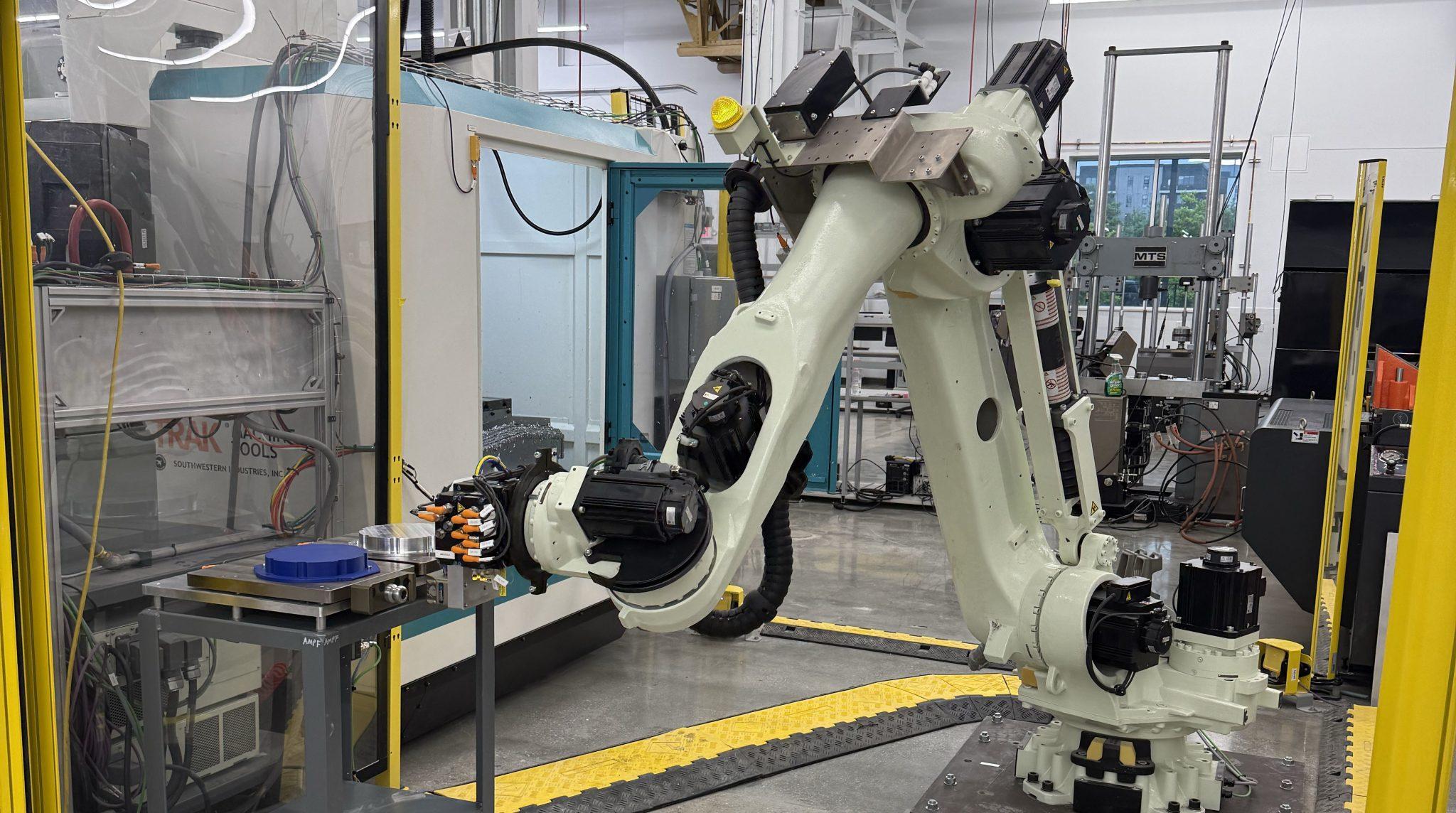
The cloud laboratory will enable researchers nationwide to conduct AI-driven experiments using the Advanced Manufacturing Pilot Facility's materials and manufacturing equipment. (Credit: Georgia AIM)
Advancements in technology are key to a nation’s ability to innovate and compete. Next-generation infrastructure, manufacturing, energy systems, electronics, and even medicine require new materials with capabilities that existing materials can’t provide.
But discovering and vetting those materials can be slow, expensive, and hands-on, requiring researchers to prepare samples, run experiments on specialized equipment, and repeat the cycle through trial and error.
Now, Georgia Tech aims to deliver a paradigm shift in materials and manufacturing research with a new Programmable Cloud Laboratory that will leverage artificial intelligence (AI), simulation, and autonomous experimentation to accelerate that process dramatically.
Built upon Georgia Tech’s Advanced Manufacturing Pilot Facility (AMPF), a core facility of the Georgia Tech Manufacturing Institute (GTMI), the cloud lab will allow researchers across the country to direct work remotely, refine experiments based on results and AI recommendations, and tap into advanced manufacturing capabilities without spending weeks on-site. In effect, the cloud lab will bring the facility to the researcher.
“By making advanced manufacturing and AI-driven experimentation accessible from anywhere, we are accelerating the discovery of critical new materials and shaping the future of U.S. innovation,” said Tim Lieuwen, executive vice president for Research. “Georgia Tech is proud to provide the world-class infrastructure to help meet this national need and strengthen our research partnerships.”
The cloud lab is supported by $18.1 million from the National Science Foundation (NSF) and is part of a broader effort to build a national network of 20 AI-enabled cloud laboratories. The labs are designed to work together, eventually allowing researchers to combine capabilities and workflows across the network. The new research ecosystem will connect advanced scientific infrastructure with expertise across the country.
“Researchers can ask a question, have work recommended by AI agents, have experiments carried out at the facility using robotics, and get the results back,” said Aaron Stebner, Eugene C. Gwaltney, Jr. Chair, GTMI associate director, and professor in the School of Materials Science and Engineering and the George W. Woodruff School of Mechanical Engineering (ME). “They can use AMPF resources to advance their own research without having to be experts in each piece of equipment or send students to AMPF for weeks at a time.”
By lowering costs and barriers to conducting that research, Stebner said, the cloud lab will dramatically expand who can take advantage of AMPF’s capabilities.
A Self-Driving Research Lab
AMPF is a mixed-use facility where both industry and academic partners can discover new materials and do manufacturing research. Today, the facility is approaching autonomous workflow capabilities across about 38 pieces of equipment. Through the cloud lab, the team aims to expand automated and autonomous workflows to more than 100 of AMPF’s 160 pieces of equipment.
The cloud lab will also bring together stages of materials development that have traditionally happened separately, allowing researchers to explore materials discovery, manufacturing, testing, and scale-up within the same research environment.
Pascal Van Hentenryck, director of the NSF AI Institute for Advances in Optimization and A. Russell Chandler III Chair in the H. Milton Stewart School of Industrial and Systems Engineering, said the automation extends beyond individual pieces of equipment. Robots can operate machines and move materials from one station to another, physically carrying out workflows requested by researchers from afar. AI will help determine which machines and robots are needed for each task and manage their movements across the facility.
Van Hentenryck compared the process to following a recipe.
“When you cook, you have a recipe, and the recipe tells you what you have to do,” Van Hentenryck said. “You don’t need to understand exactly how the stove is working. You just need to know what you need to accomplish with it.”
AI agents will take those high-level “recipes” from researchers, translate them into detailed workflows, and coordinate experiments, simulations, and data flows across the facility.
The system will rely in part on digital twins — virtual models of the facility that can help plan, monitor, and improve experiments before and during execution. Van Hentenryck said the system is also designed to learn from each run, improving how machines are tuned and how future workflows are scheduled.
The project will integrate Duke University’s Automatic FLOW for Materials Discovery software platform, led by professor Stefano Curtarolo, to connect computational discovery with physical experimentation and help researchers more rapidly identify and evaluate promising new materials. Contextualize, led by founder and CEO Branden Kappes, will provide the data platform that seamlessly connects researchers, instruments, data, and IT systems across the distributed network. Tech AI will also contribute to the project as part of the broader research team.
The cloud lab will help bridge a longstanding gap between research and industrial adoption. Companies can be reluctant to interrupt working production lines to test unproven technologies, while startups and academic researchers often lack access to industrial-scale facilities where they can demonstrate that their ideas work. AMPF provides an environment where emerging technologies can be tested and de-risked without disrupting commercial production.
“The cloud lab will give industry partners and manufacturers the ability to evaluate new ideas before they commit to large-scale deployment,” said Tom Kurfess, executive director of GTMI and Agustin A. Ramirez/HUSCO International Distinguished Chair in Fluid Power Systems in ME. “This initiative will shorten development cycles and make it easier to bring promising technologies into production, enabling our partners and us to innovate at the speed of thought.”
Expanding Access to Advanced Research
The project aims to serve more than 400 users from 150 academic, industry, and government institutions, with more than half participating remotely.
“Making these autonomous labs available to a very wide community is key to innovation,” Van Hentenryck said. “You just give a lot of people the opportunity to try things out.”
The cloud lab builds on a larger effort Georgia Tech has pursued through AMPF for years: integrating AI, automation, and advanced manufacturing to create a flexible research environment that can evolve with technology, expand access, and strengthen U.S. leadership in materials and manufacturing.
For Stebner, the cloud lab represents a critical next step in bringing that vision to life.
“We are six years into this effort, and we’re already at a place I thought would take us 20 years to reach,” Stebner said. “This cloud lab is going to take us to a level of technology, research, leadership, and access that I didn’t know if we would reach by the end of my career.”
Catherine Barzler, Senior Research Writer/Editor
Yuanzhi Tang Named Fellow of the American Chemical Society
Jul 27, 2026 —
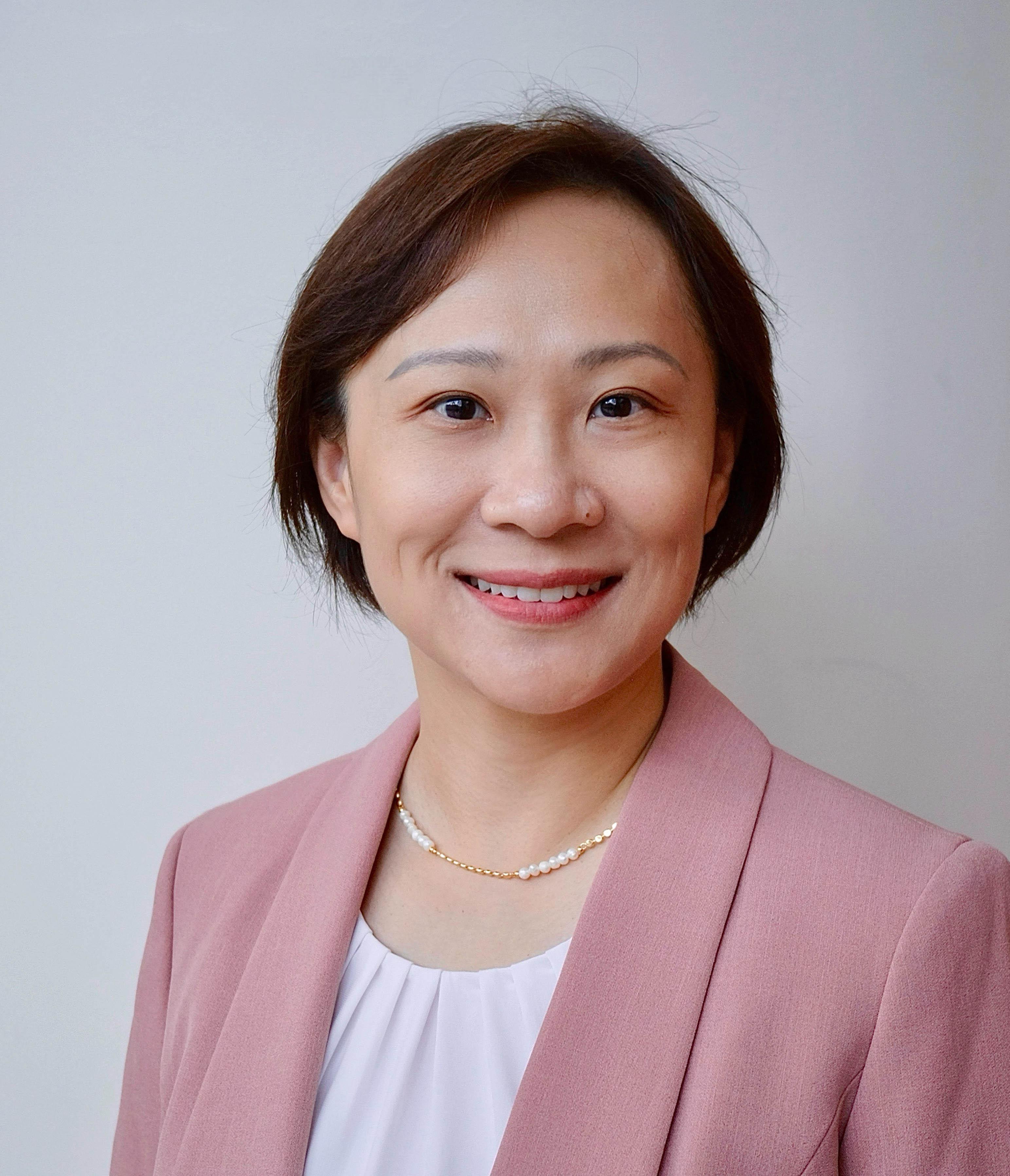
Yuanzhi Tang
Yuanzhi Tang, executive director of the Strategic Energy Institute (SEI) and Georgia Power Professor in the School of Earth and Atmospheric Sciences, has been named an American Chemical Society (ACS) Fellow.
The ACS is one of the world’s largest scientific societies, and its Fellows Program recognizes outstanding achievements in scientific research, education, leadership, and service to the chemical profession and honors a select group of members each year.
"Election as an ACS Fellow is a significant honor that recognizes not only scientific excellence but also leadership and service to the profession," said Julia Kubanek, Georgia Tech's vice president for Interdisciplinary Research. "Yuanzhi's pioneering research, her leadership within ACS and the Strategic Energy Institute, and her commitment to advancing interdisciplinary collaboration have strengthened Georgia Tech's impact in chemistry, energy, and environmental research. We are proud to celebrate this well-deserved recognition."
Tang was recognized for her contributions to environmental chemistry, biogeochemistry, and energy-related research, as well as for her leadership and service to the chemical sciences.
"Given her exceptionally energetic research program, which spans topics ranging from the basic understanding of chemical cycling on Earth to creative solutions to recover rare elements from wastes, this honor is richly deserved and completely unsurprising," said Jean Lynch-Stieglitz, chair of the School of Earth and Atmospheric Sciences. "We are lucky to have Yuanzhi as part of EAS."
As SEI executive director, Tang leads Institute-wide efforts to strengthen Georgia Tech's energy research enterprise by connecting expertise across disciplines and fostering partnerships with industry, government, and national laboratories. She also maintains an internationally recognized research program focused on understanding the chemical and biological processes that shape natural and engineered environments.
Established in 2008, the ACS Fellows Program honors a distinguished group of scientists who have made exceptional contributions to chemistry and related fields while also demonstrating dedicated service to the society. With this election, Tang joins 17 Georgia Tech ACS Fellows.
"I’m deeply honored," Tang said. "This recognition reflects the contributions of many outstanding students, postdoctoral researchers, colleagues, collaborators, and mentors throughout my career. I am grateful for the opportunity to work alongside such talented people to advance scientific discovery and build interdisciplinary partnerships that address critical energy and environmental challenges."
Founded in 1876, the American Chemical Society represents more than 170,000 members worldwide and is a leading source of scientific information through its journals, conferences, and educational programs.
Priya Devarajan || SEI Communications Program Manager
Richard Simmons Named Interim Director of Student Competition Center
Jul 20, 2026 —
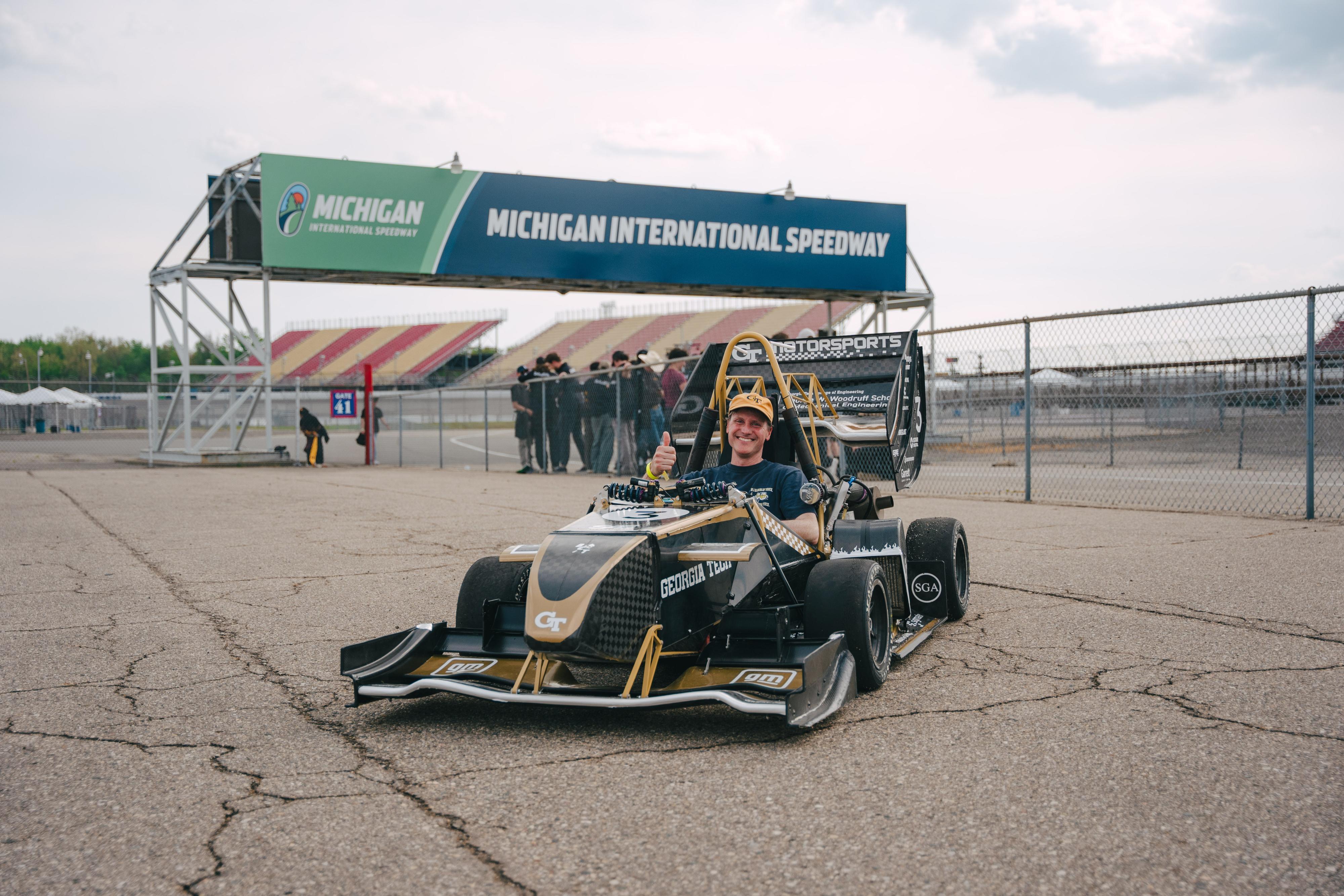
Rich Simmons on a F1-style race car designed by the GT-Motorsports team at the Michigan International Speedway
Richard Simmons, principal research engineer in the George W. Woodruff School of Mechanical Engineering, has been named interim director of the Student Competition Center (SCC), where he will lead efforts to strengthen experiential learning and support the Institute’s student competition teams.
The SCC is home to seven student engineering competition teams and provides workspace, tools, and resources to help students apply classroom learning to real-world engineering challenges.
In his new role, Simmons will provide strategic leadership and operational oversight for student competition teams, facilities, staff, budgets, sponsorships, and safety programs. He also will teach and mentor students through engineering design and experiential learning courses, helping connect classroom instruction with project-based experiences.
“Richard brings a unique combination of industry experience, research leadership, and deep commitment to student success,” said Carolyn Seepersad, Eugene C. Gwaltney, Jr. School Chair. “As an accomplished engineer and a Georgia Tech alumnus, he understands the value of experiential learning and is well-positioned to lead the Student Competition Center.”
Simmons, ME 1993, joined Georgia Tech in 2016 after spending the first 20 years of his career leading research, technology, and business development initiatives in the automotive industry, energy sector, and federal government. After graduating from Tech, he earned his master’s and doctoral degrees from Purdue University and later became a licensed professional engineer.
Over the past decade, Simmons has held several leadership and research positions within Georgia Tech’s Strategic Energy Institute, including founding director of the Energy Policy and Innovation Center and, most recently, director of Research and Studies. He has also taught a variety of courses at the Woodruff School, including ME 2110, Capstone Design, Energy Systems, and Renewable Energy.
Traci Troha, ME Communications.
Building the Energy Workforce of Tomorrow Through Energy Unplugged at Georgia Tech
Jul 20, 2026 —
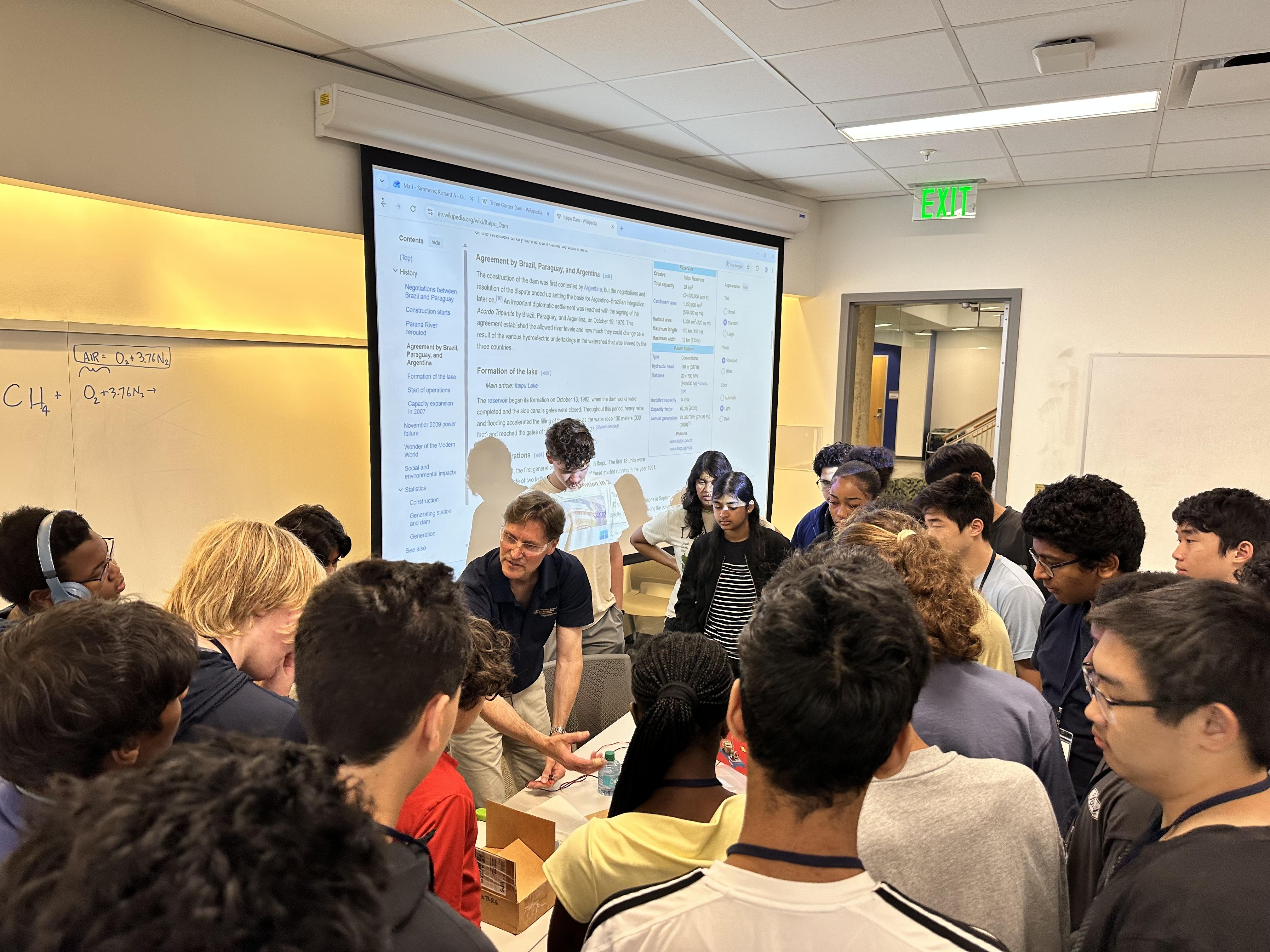
Rich Simmons, SEI Director of Research and Studies Teaches at the Energy Unplugged Camp
Each summer, Georgia Tech’s campus becomes a destination for eager high school students interested in exploring the future of energy. This year, the highly sought-after Energy Unplugged camp, a collaboration between the Strategic Energy Institute (SEI), the Energy Policy and Innovation Center, and CEISMC, attracted students from across the country, including California and Texas, for an immersive, hands-on experience in real-world energy systems.
Blending engineering challenges, field experiences, and team-based design projects, the weeklong program in June gave students a dynamic introduction to energy, sustainability, and engineering innovation and a rare opportunity to engage directly with the technologies, infrastructure, people, and ideas that help power the world.
“Our goal is to get outside of the classroom, have fun, and demonstrate how a STEM education can literally help turn on lightbulbs,” said SEI’s director of Research and Studies, Rich Simmons, who also directs Energy Unplugged. “Through hands-on learning, field trips, and real-world experiences, these creative students are learning that everyone can play a role in our energy future. Along the way, they are gaining a deeper understanding of the tradeoffs and challenges engineers face and learning from experts about pathways to an energy career.”
Mousetrap-Powered Cars
Putting those ideas into practice from day one, the camp began with an engineering challenge in which students designed and constructed mousetrap-powered cars. Using the stored potential energy of a mousetrap spring to propel their vehicles, participants explored how energy is converted from one form to another and identified sources of friction and inefficiency that affect the distance traveled. The activity encouraged students to think like engineers, iteratively testing and refining their designs to improve results.
Engineering Optimization and Tradeoffs
Similar problem-solving skills were put to the test during an RC car optimization challenge. Equipped with a battery-powered vehicle and energy-monitoring systems, students were tasked with completing a driving course while maximizing their score by balancing speed, energy consumption, safety, and cargo capacity. Participants had the option to add weights and tennis balls to increase potential points, but doing so increased the risk of penalties from dropped cargo, missed obstacles, or vehicle rollovers. The exercise highlighted the tradeoffs engineers routinely face when optimizing systems under competing constraints.
“The overall interest in green energy among youth is increasing, so having demonstrations and experiments as well as some high-level lectures on the actual science was a great way to engage the students,” said student assistant William Nudd, a senior in mechanical engineering who assisted with the camp. “When I was in their shoes, I had never attended a physics class, so the camp was definitely getting them a step ahead and did a great job introducing and showcasing key concepts related to energy: How does my home get electricity? Where does energy come from? How do power plants operate?”
Trivia, Demos, and Scavenger Hunts
Additional activities throughout the week included energy-themed trivia competitions, a steam engine demonstration, a solar microgrid exercise, and a campus scavenger hunt. Together, they reinforced classroom concepts through interactive learning and encouraged students to connect technical principles with practical applications.
Field Trips to Power Plants
While these activities taught foundational concepts, a highlight of the camp was a series of field trips that allowed students to observe large-scale energy infrastructure in operation. Participants toured the Georgia Power McDonough-Atkinson Plant, where they learned how combined-cycle power plants generate electricity using both gas and steam turbines to improve efficiency. Students also visited the Morgan Falls hydroelectric facility, getting an up-close view of the massive generators and equipment used to convert the energy of flowing water into electricity.
Campus Tours
In addition to exploring regional energy infrastructure, students were introduced to Georgia Tech’s innovation ecosystem through visits to campus makerspaces and research facilities, including the Flowers Invention Studio and The Kendeda Building for Innovative Sustainable Design. Students explored one of the nation’s most advanced examples of sustainable building design during a guided tour of The Kendeda Building, which generates 200% of the energy it consumes. Here they learned how energy efficiency, renewable generation, and resource conservation can be integrated into the built environment.
Final Projects
To bring together the concepts explored throughout the week, students worked in teams on a final design challenge centered around a solar-powered disaster relief trailer on loan from the Footprint Project. Equipped with photovoltaic panels and battery storage, the trailer was originally designed to provide off-grid power during emergencies. Students were challenged to identify additional uses for the system during periods when disaster response was not required. Many teams proposed sustainable food truck businesses powered by the trailer’s solar energy system.
Teams also evaluated cooking technologies such as pressure cookers and slow cookers, comparing energy consumption, power requirements, efficiency, and operating costs. Students examined how energy demand aligned with available solar generation and battery storage while conducting economic analyses to determine business viability and profitability. The project integrated engineering, economics, and sustainability principles while encouraging creative thinking and collaborative problem-solving.
“Energy Unplugged is an inspiring demonstration of how hands-on engineering experiences can spark curiosity and passion in the next generation of STEM leaders,” said student assistant Alvaro Hucker, a senior mechanical engineering student. “Working with this group and seeing the fun they were having brought back fond memories of my own childhood. It was an amazing experience.”
Student Contributors: Alvaro Hucker, Senior, Mechanical Engineering and William Nudd, Senior, Mechanical Engineering.
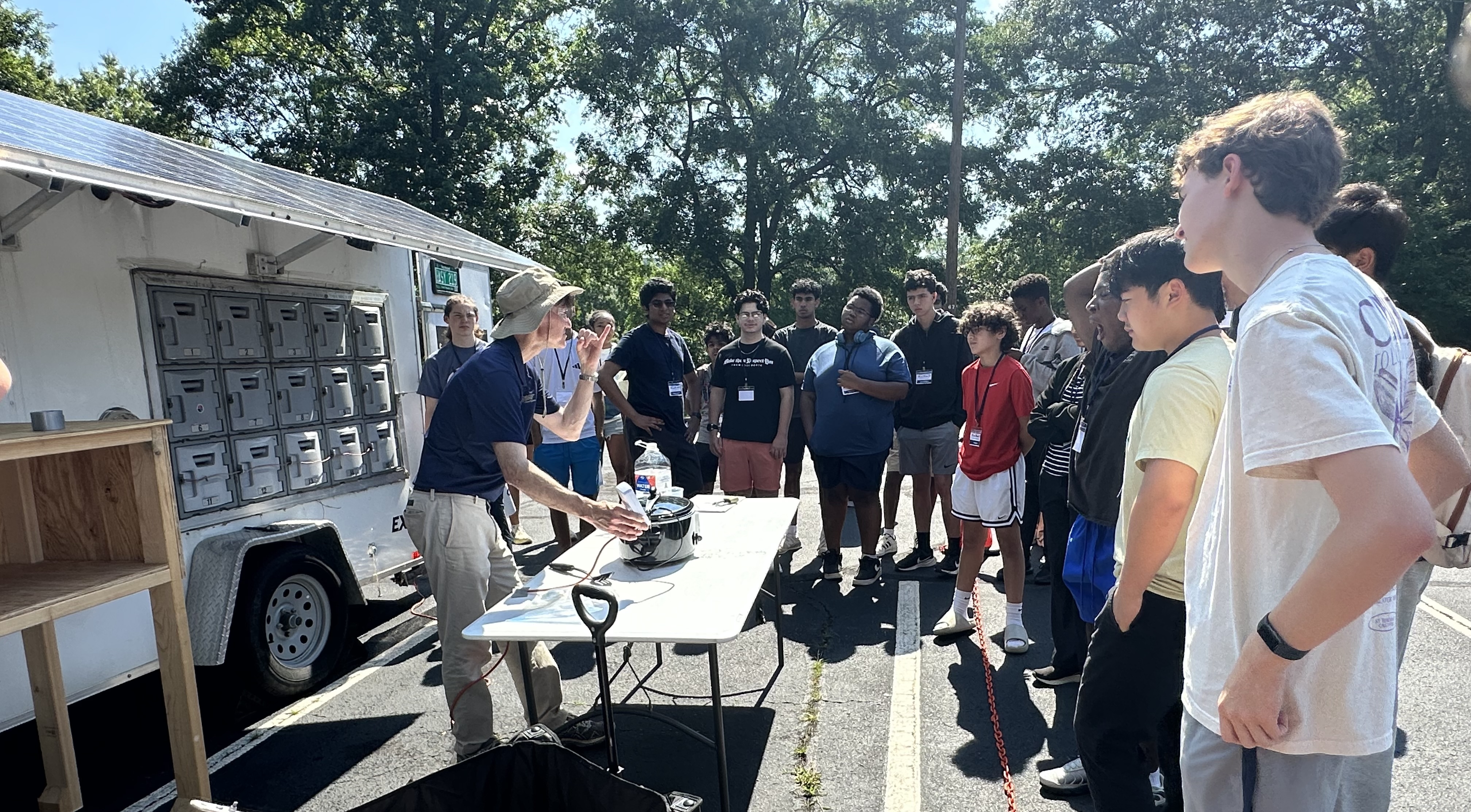
Rich Simmons, teaches energy production and consumption with The Footprint Project's Solar Trailor
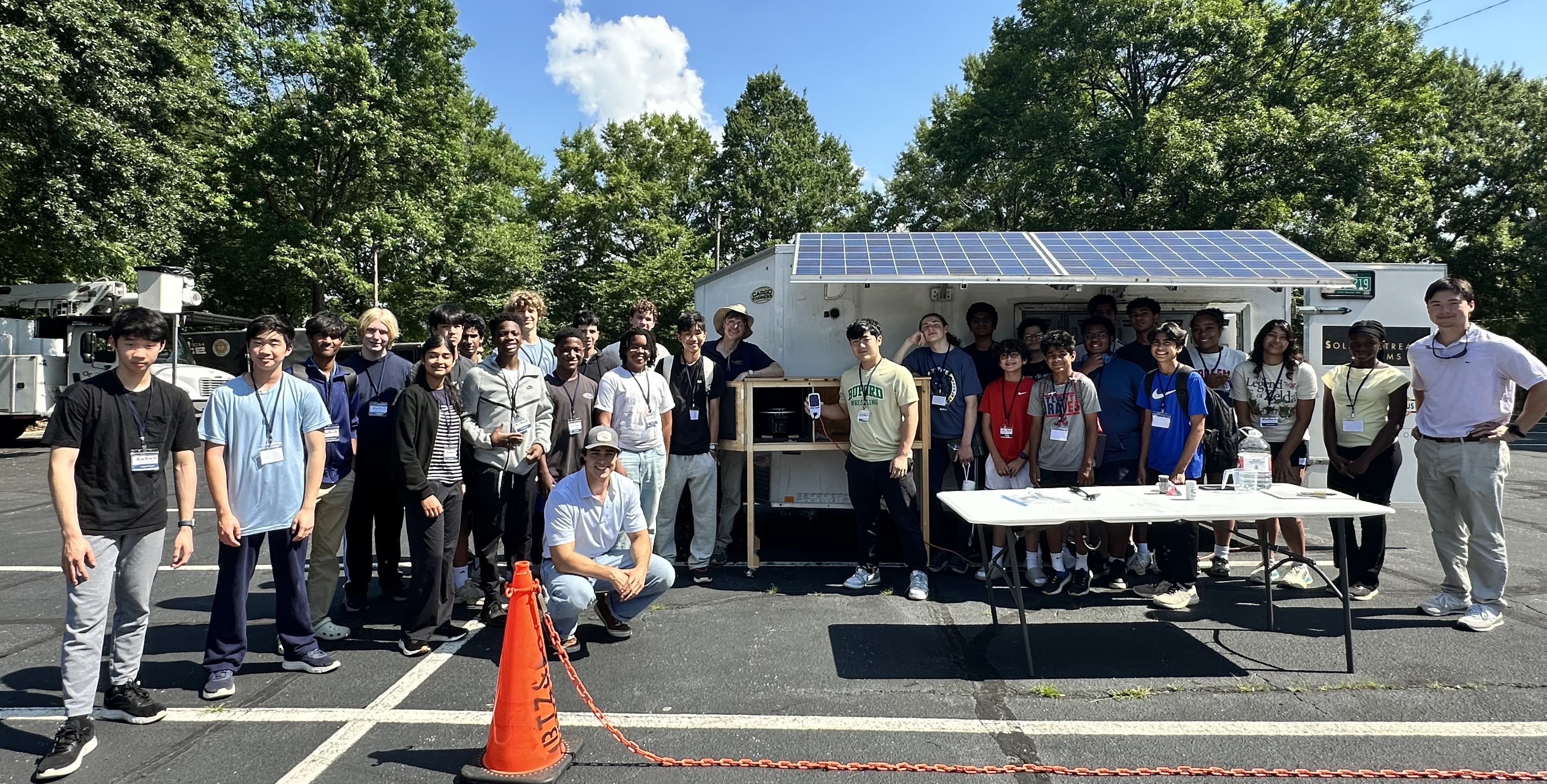
Group Picture of the 2026 Energy Unplugged Camp Participants with Rich Simmons, Camp Director and Student Assistants William Nudd and Alvaro Hucker
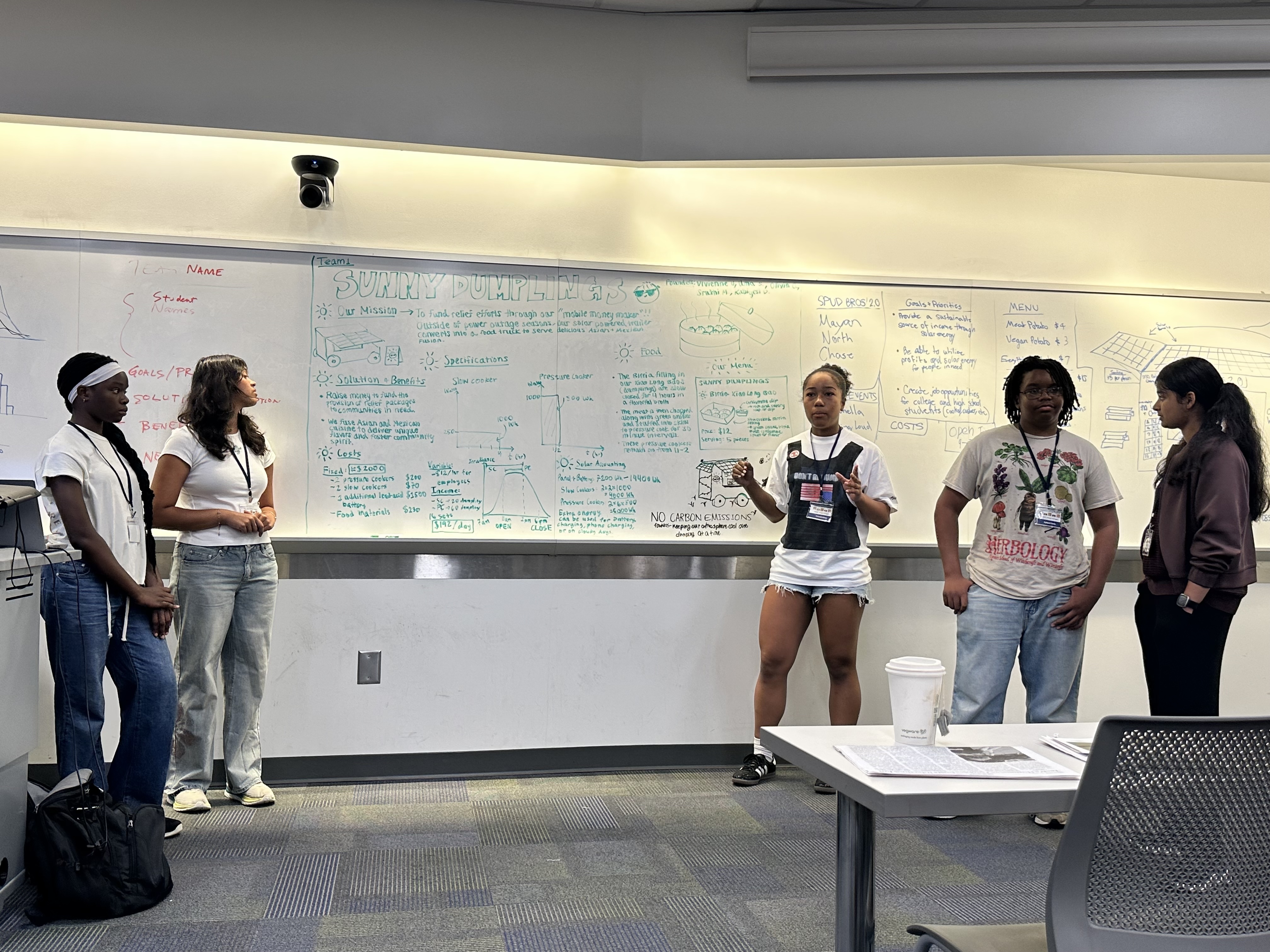
Energy Unplugged Camp participants presenting their group project
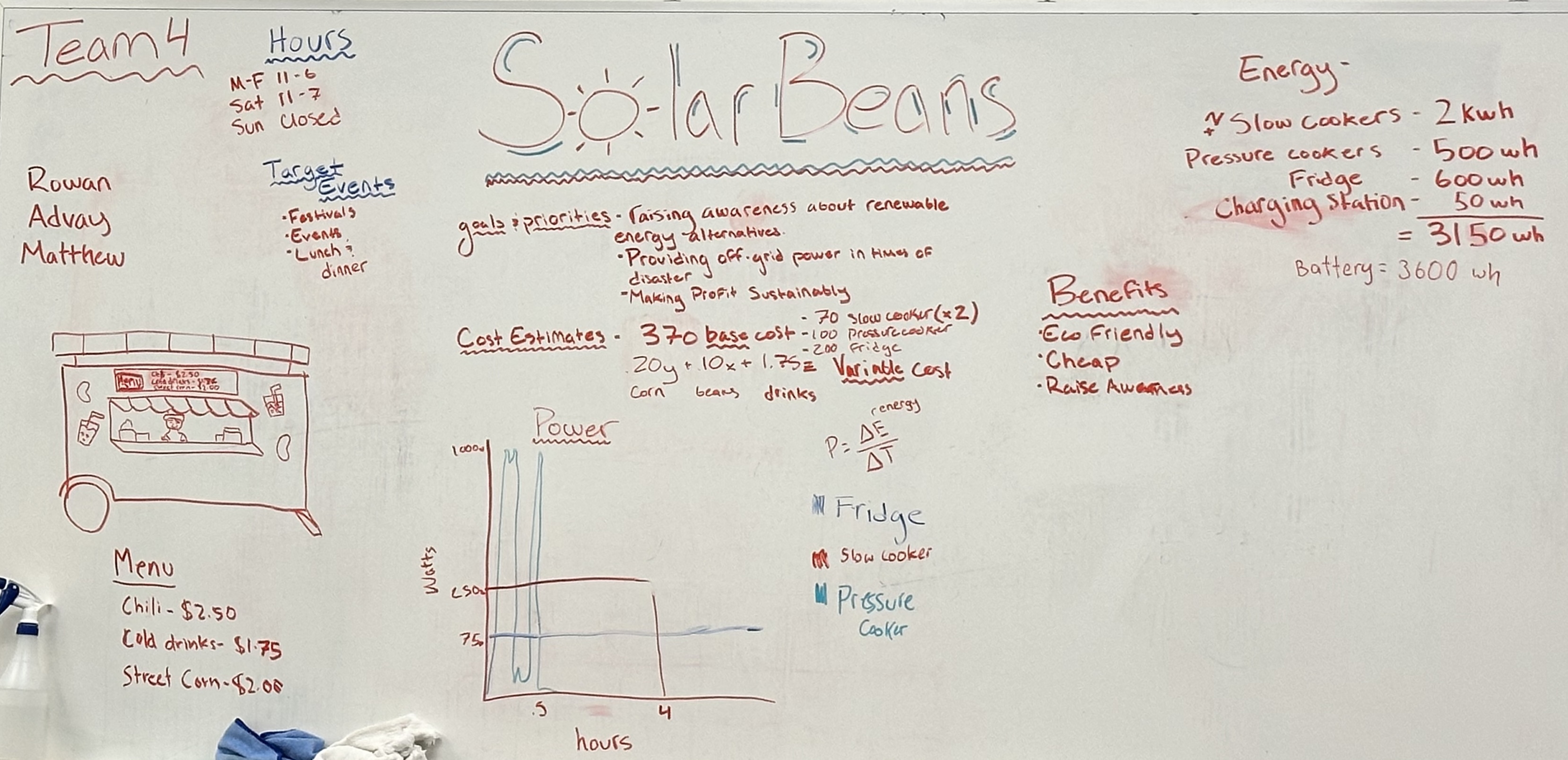
A group project from the Energy Unplugged Camp
Priya Devarajan | SEI Communicatios Program Manager
Student Contributors: Alvaro Hucker, Senior, Mechanical Engineering and William Nudd, Senior, Mechanical Engineering.
In Memoriam: Sam Shelton, Founding Director of the Strategic Energy Institute
Jul 07, 2026 —
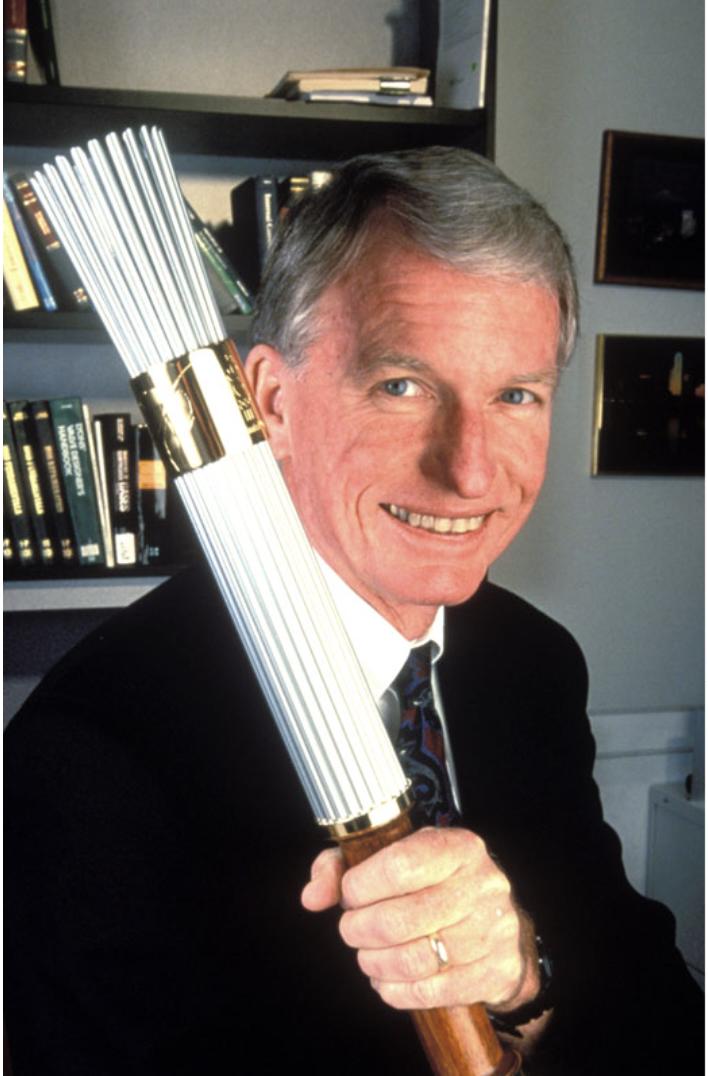
Sam Shelton, founding director of the Strategic Energy Institute (SEI), longtime professor in the George W. Woodruff School of Mechanical Engineering, and designer of the torch for the 1996 Atlanta Olympic Games, passed away on June 20, 2026.
Colleagues and friends remember Shelton as a dedicated mentor, collaborator, and educator, whose curiosity, generosity, and sense of humor left a lasting impression on students and peers.
“Sam exemplified the very best of Georgia Tech, and his legacy will continue to inspire generations of engineers and educators,” said Tim Lieuwen, executive vice president for Research at Georgia Tech. “I am deeply grateful for his friendship, mentorship, and leadership. My heartfelt condolences go to his family, and to the many students, colleagues, and friends whose lives he touched.”
A nationally recognized leader in energy systems, Shelton founded SEI as an interdisciplinary organization that brought together engineers, researchers, policy experts, and industry leaders to advance high-impact energy solutions. That vision remains central to SEI’s mission and continues to guide its work today.
“Sam was the quintessential engineer and innovator, whose vision was always accompanied by the development and demonstration of actual products instead of leaving them as promising concepts,” said Srinivas Garimella, Hightower Chair in the College of Engineering and professor in the George W. Woodruff School of Mechanical Engineering. “He had the rare ability to see through nebulous ideas and claims and get to the fundamental engineering truths. I am fortunate to have had the opportunity to seek his advice, which he freely gave. I will miss his friendship and counsel very much.”
During a career of more than 35 years, Shelton made lasting contributions to sustainable energy and engineering innovation. His work spanned combustion research, solar energy technologies, and offshore wind systems. He secured more than $30 million in research funding, held eight patents, founded two energy-focused companies, and helped translate research into real-world energy solutions.
In addition to his research, Shelton was deeply committed to education. During his academic career, he developed undergraduate and graduate courses in energy technology, teaching both in person and online. His Energy 101 course reached tens of thousands of learners through a massive open online course platform, covering topics such as energy supply, independence, economics, and society’s energy demands.
“When I first started at SEI in 2016, Sam and I would meet for lunch to discuss the latest research, consider how far we've come since the Carter administration, and grapple over the world’s energy problems,” said Rich Simmons, SEI’s director of Research and Studies. “Sam was genuine and objective, not working backward from a preconceived notion, but working forward with an open mind to understand, appreciate, and apply the first and second law. He was also colorful and witty! We are all privileged to pay these lessons forward to future energy students.”
Beyond academia, Shelton’s engineering expertise reached a global stage as the designer of the Olympic torch for the 1996 Atlanta Games, an enduring symbol of innovation recognized worldwide. “The Olympics represented world peace, mankind coming together, and overcoming adversity. It was an amazing event to think about, to witness, to live through, and be a part of helping to create it,” Shelton said in a 2016 interview.
Shelton is survived by his daughters, Suzie and Stacy, three granddaughters, and a wide network of students, colleagues, and collaborators. His legacy continues through the programs he built, partnerships he fostered, and the people he helped.
A memorial service celebrating Shelton’s life will be held Aug. 1 at 1 p.m. at The 57th Fighter Group Restaurant in Atlanta. The family asks that, in lieu of flowers, memorial gifts be directed to Roll Call, Georgia Tech’s Fund for Excellence. Donations may be made at gtalumni.org/SamShelton.

Priya Devarajan || SEI Communications Program Manager
Meet the Expert: Brian An
Jun 30, 2026 —
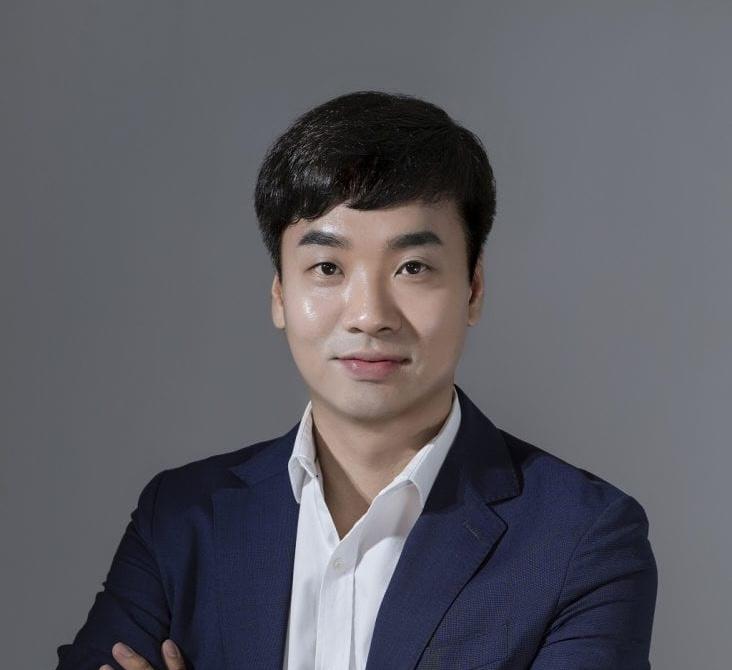
Brian An, EPIcenter Faculty Affiliate and Assistant Professor in Georgia Tech’s Jimmy and Rosalynn Carter School of Public Policy
Energy resilience broadens the scope of urban policy
Housing and transportation are top priorities for many city mayors, policymakers and public policy researchers—including Brian An, an assistant professor at Georgia Tech’s Jimmy and Rosalynn Carter School of Public Policy. But in February 2021, soon after Winter Storm Uri wreaked havoc in Texas, an eight-hour power outage at his Atlanta home became an epiphany.
“While housing stability had long been on my mind, losing power drove home the importance of another piece of urban infrastructure: reliable access to electricity,” says An, an EPIcenter faculty affiliate and co-director of the Center for Urban Research. “It sparked my interest in studying the intersection of energy and urban policy to help make cities and communities not only socially equitable but also resilient to extreme weather.”
Story Written by: Silke Schmidt
News Contact: Priya Devarajan, Research Communications Program Manager
EPIcenter Experts in the News: AI, Prices, and the War
Jul 01, 2026 —
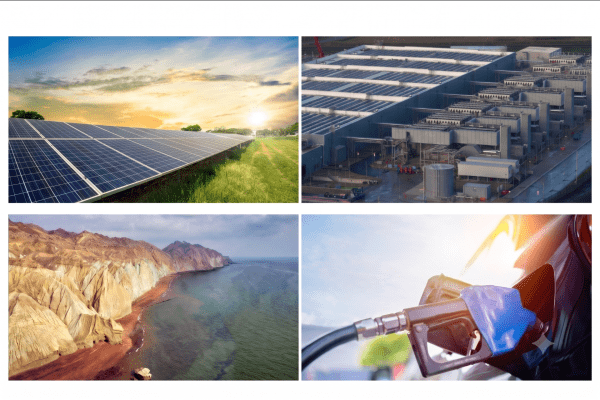
EPIcenter Faculty Affiliates have recently contributed to more than a dozen news broadcasts, public radio interviews, and national media conversations on energy price trends, the war in Iran, and what these mean for everyday Americans.
Communities across Georgia and the nation are navigating a range of economic and energy-related pressures. Gas prices, inflation, and the rapid growth of data centers are shaping the cost of goods and services, influencing everyday household financial decisions.
At the same time, ongoing geopolitical tensions are driving fluctuations in global oil markets and fuel prices. The expansion of AI data centers is also increasing demand for land, power, and water resources. And conflicts involving energy infrastructure in parts of the Middle East and Europe have affected supply stability.
Responding to these challenges requires careful analysis of emerging trends, supported by strong research in policy and economics. Faculty Affiliates of Georgia Tech’s Energy Policy and Innovation Center study these complex, interconnected issues affecting energy systems, costs, and access. They analyze emerging trends, evaluate policy options, and identify practical pathways forward.
Priya Devarajan | SEI Communications Program Manager
What It Takes to Deliver a Tech‑Heavy World Cup
Jun 24, 2026 —

With an estimated 500,000 visitors coming to the eight games in Atlanta over the next two months, the 2026 World Cup will be one of the biggest sporting events to come to the city since the 1996 Summer Olympic Games.
FIFA President Gianni Infantino likened the scale of each game to that of a Super Bowl. The success of a tournament that large will rely heavily on technology, affecting everything from the players on the pitch, all the way to viewers at home.
On top of the state-of-the-art technology used at many large events, this World Cup will also see the debut of new technology. At the center of much of it will be electrical and computer engineering.
Experts from the Georgia Tech School of Electrical and Computer Engineering (ECE) weigh in on how the field is enabling the technology behind the world’s largest sporting event.