Unearthing Climate Solutions
From new farming practices to paleontology, meet four Georgia Tech researchers who improve the climate and predict its future.

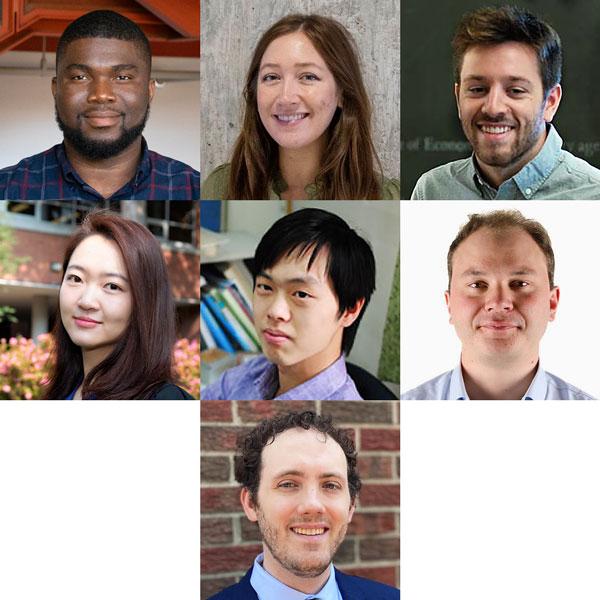
L to R, Top to Bottom: Ebenezer Fanijo, Katherine Graham, Anthony Harding, Yiyi He, Pengfei Liu, Johannes Milz, Micah Ziegler
Seven new Faculty Fellows were appointed to the Brook Byers Institute for Sustainable Systems (BBISS). In addition to their own work, BBISS Fellows serve as a board of advisors to the BBISS; foster the culture and community of sustainability researchers, educators, and students at Georgia Tech; and communicate broadly the vision, mission, values, and objectives of the BBISS. Fellows will work with the BBISS for three years, with the potential for a renewed term.
The BBISS Faculty Fellows program has been in place since 2014. Fellows are drawn from across all seven Georgia Tech Colleges and the Georgia Tech Research Institute (GTRI). BBISS Interim Executive Director Beril Toktay says, "The Fellows' wide-ranging expertise and varied academic paths create exciting opportunities for new partnerships and deeper connections across our sustainability network." The new BBISS Faculty Fellows are:
These faculty members will join the current roster of BBISS Faculty Fellows.
Brent Verrill, Research Communications Program Manager, BBISS
Learn how to use Dimensions AI to further your research and develop impactful literature reviews.
Presented by:
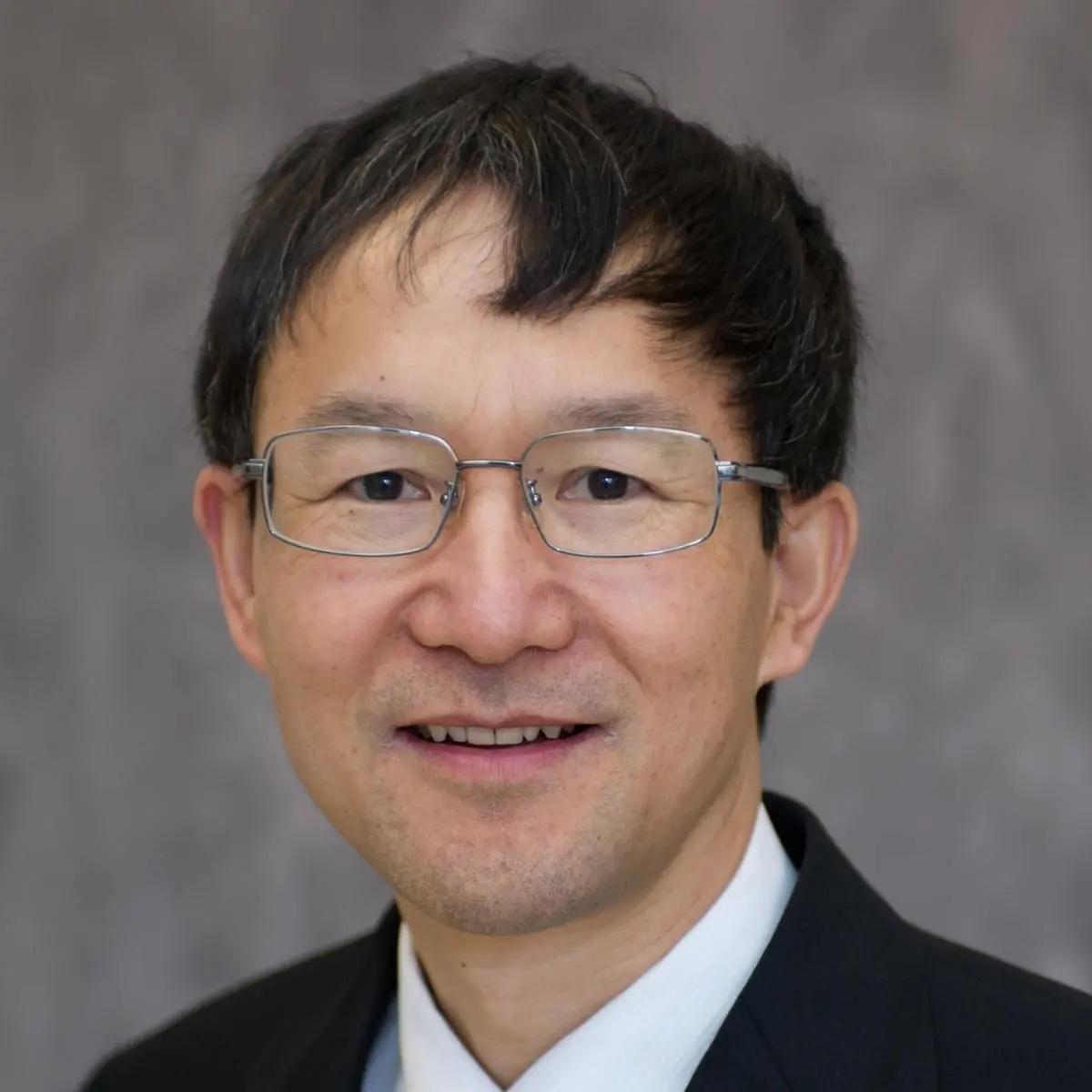
Yongsheng Chen, Bonnie W. and Charles W. Moorman IV Professor in environmental engineering at Georgia Tech
Someday, your drinking water could be completely free of toxic “forever chemicals.”
These chemicals, called PFAS (per- and polyfluoroalkyl substances), are found in common household items like makeup, nonstick cookware, dental floss, batteries, and food packaging. PFAS permeate the soil, water, food, and air, and they can remain in the environment for millennia. Once inside the human body, PFAS can persist for years, suppressing the immune system and increasing cancer risk.
Georgia Tech researchers, armed with a cutting-edge machine learning (ML) model, are spearheading a multi-university initiative. Their goal? To design a better membrane that efficiently removes PFAS from drinking water, a significant source of human exposure.
“More than 200 million Americans in all 50 states are affected by PFAS in drinking water, with 1,400 communities having levels above health experts’ safety thresholds,” noted the study’s principal investigator Yongsheng Chen, Bonnie W. and Charles W. Moorman IV Professor in Georgia Tech’s School of Civil and Environmental Engineering. Chen also directs the Nutrients, Energy, and Water Center for Agriculture Technology, or NEW Center. “Our research aims to provide a scalable, efficient, and sustainable solution for mitigating these toxic chemicals’ impact on human health and the environment.”
The resulting work, funded with over $10 million in multiyear grants from the U.S. Department of Agriculture (USDA), the National Science Foundation, and the Environmental Protection Agency (EPA), was recently published in Nature Communications.
Sewage Treatment Limitations
Conventional water treatment processes are ineffective at removing PFAS. Too often, traditional cleansing methods, such as using chlorine to kill pathogens in water, create harmful byproducts.
“Solving one problem creates another problem,” said Chen.
He has already used ML and artificial intelligence in precision agriculture to monitor nutrient levels in plants and insists that tackling PFAS removal similarly requires new approaches. Rather than treating an entire body of water, Chen’s team first separated PFAS from the water stream. Success depended on finding the right membrane material to isolate the chemicals in the water.
Chen relied on a team of 10 Ph.D. students and nine research scientists to perform the ML modeling. In addition to Georgia Tech, two other schools contributed people and laboratory expertise. The University of Wisconsin-Madison (UWM) validated the model with molecular simulations, while Arizona State University (ASU) trained it using data from scientific literature and their lab.
“Applying machine learning to membrane separation represents an exciting frontier for environmental engineering,” said Tiezheng Tong, an associate professor of environmental engineering in ASU’s School of Sustainable Engineering and the Built Environment.
This is another step in tackling PFAS pollution, a widespread problem that has recently received significant public attention due to PFAS’ toxic nature and the recent EPA ruling on PFAS in drinking water, he said.
“By integrating with molecular simulation tools, we can better understand PFAS transport across nanofiltration and reverse osmosis membranes, pushing the boundary of fundamental science relating to membrane separation,” Tong said.
ML Accelerates Membrane-Material Discoveries
Using ML modeling significantly sped up the discovery process. For instance, one Ph.D. student in Chen’s lab used trial and error over two years to pinpoint one promising membrane. Machine learning modeling allowed the team to find eight membrane candidates 10 to 20 times faster, reducing discovery time from years to a few months.
“Our molecular dynamics simulations reveal that electrostatic interactions, size exclusion, and dehydration play critical roles in governing the transport of PFAS molecules across polyamide membranes,” Ying Li explained. Li is an associate professor of mechanical engineering at UWM. “These calculations indicate that electrostatic interactions dominate PFAS rejection, with charged functional groups significantly influencing transport behavior. The simulation results provide fundamental insights that align with ML predictions, highlighting the key molecular determinants of PFAS removal efficiency.”
Addressing PFAS Exposure in Agriculture
By addressing PFAS contamination, this research could also benefit the agriculture industry, which depends on fertilizer sourced from water treatment plants. Wastewater biosolids are processed into fertilizer, offering farmers and ranchers a cheaper alternative to chemical fertilizers. Unfortunately, PFAS-tainted fertilizers from sewage sludge have contaminated significant amounts of land and livestock. Industry groups estimate that almost 70 million acres of U.S. farmland could be contaminated by these forever chemicals.
By funding this research, the USDA hopes that an effective membrane will help the United States reclaim this crucial resource.
“Synthesizing a very smart membrane to get rid of PFAS also allows us to recover the fertilizer from municipal wastewater treatment plants,” Chen said. “Such a membrane could enable us to get rid of things we don’t want and keep the things we need, so we can keep the water for irrigation or other applications.”
Eliminating PFAS in fertilizers also could help address the mismatch of food and water demand in urban versus rural areas since 80% of the demand resides in cities. PFAS removal could directly support urban area resource recovery and food production.
“Our goal is achieving a circular economy where materials never become waste, and nature is regenerated,” Chen said.
What’s Next
The team will fine-tune the model and add more data to improve its training features. Chen will synthesize membranes in his lab to further test the model's PFAS removal predictions.
Today, scientists have found ways to remove long chains of PFAS, but the shorter chains of these chemicals persist, explained Chen.
“If we can better understand the mechanism, we’ll be able to design a good material membrane to get rid of all PFAS. That could be game-changing.”
— By Anne Wainscott-Sargent
Funding
This work is partially supported by the NSF (Award Nos. 2112533, 2427299, 2345543, Y.C.; 2448130, T.T.; and 2345542, Y.L.).
Y.C. acknowledges the financial support by the USDA (Award No.2018−68011-28371), NSF-USDA (Award No. 2020-67021-31526), and EPA (Award No. 840080010).
T.T. acknowledges the support of the USDA National Institute of Food and Agriculture (Hatch Project COL00799, accession 1022591).
Y.L. acknowledges the financial support by the National Alliance for Water Innovation (NAWI), funded by the US DOE, Office of Energy Efficiency and Renewable Energy (EERE), Advanced Manufacturing Office, under Funding Opportunity announcement Number DE-FOA-0001905, through a subcontract to the University of Wisconsin-Madison.
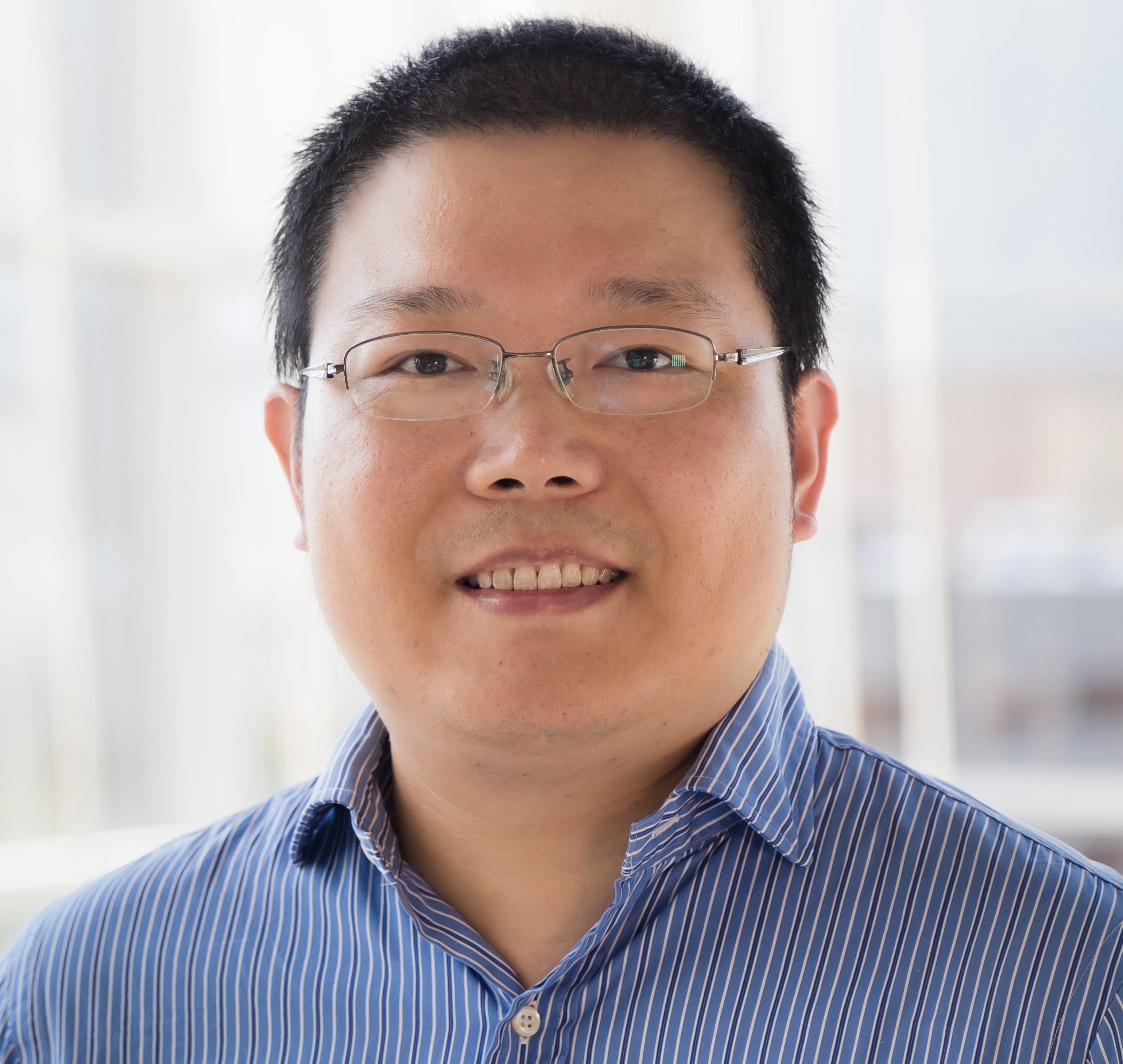
Ying Li, associate professor of mechanical engineering at University of Wisconsin-Madison
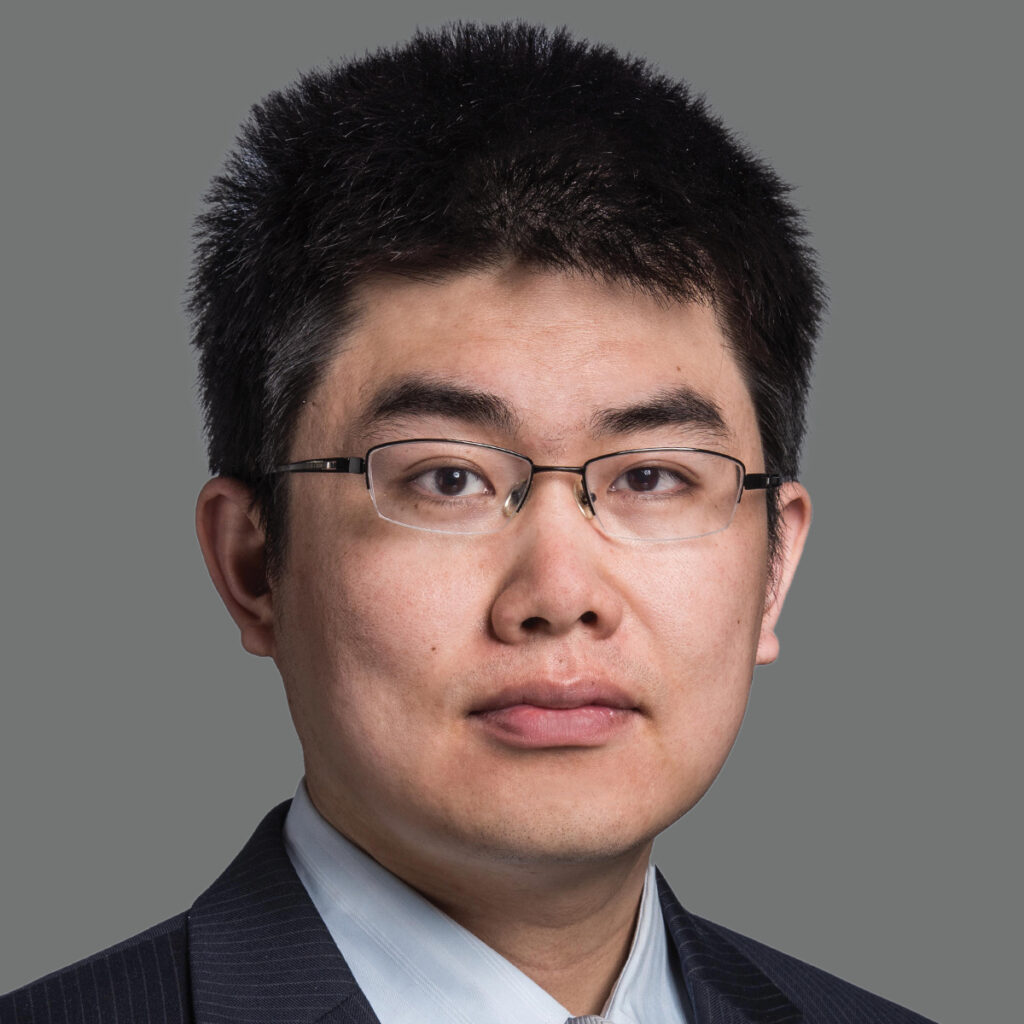
Tiezheng Tong, associate professor of environmental engineering at Arizona State University
Shelley Wunder-Smith | Director of Research Communications
shelley.wunder-smith@research.gatech.edu
Join us for a special screening of "Navigating Autism in Communities of Color," followed by an exclusive panel discussion with Producer Jennifer Singh, Director John Thornton, and members of the cast.
Join us for a panel and conversation (with a reception to follow) as we celebrate Earth Day 2025. Registration is free.
Members of the Georgia Tech community are excited to welcome the community back to campus for the kickoff event of the 12th annual Atlanta Science Festival. Formerly known as Georgia Tech Science and Engineering Day, Celebrate STEAM will feature hands on activities for participants of all ages. Whether your interests lie in robotics, brains, biology, space, art, nanotechnology, paper, computer science, wearables, bioengineering, chemical engineering, or systems engineering, we have something for everyone.
- by Benjamin Wright -
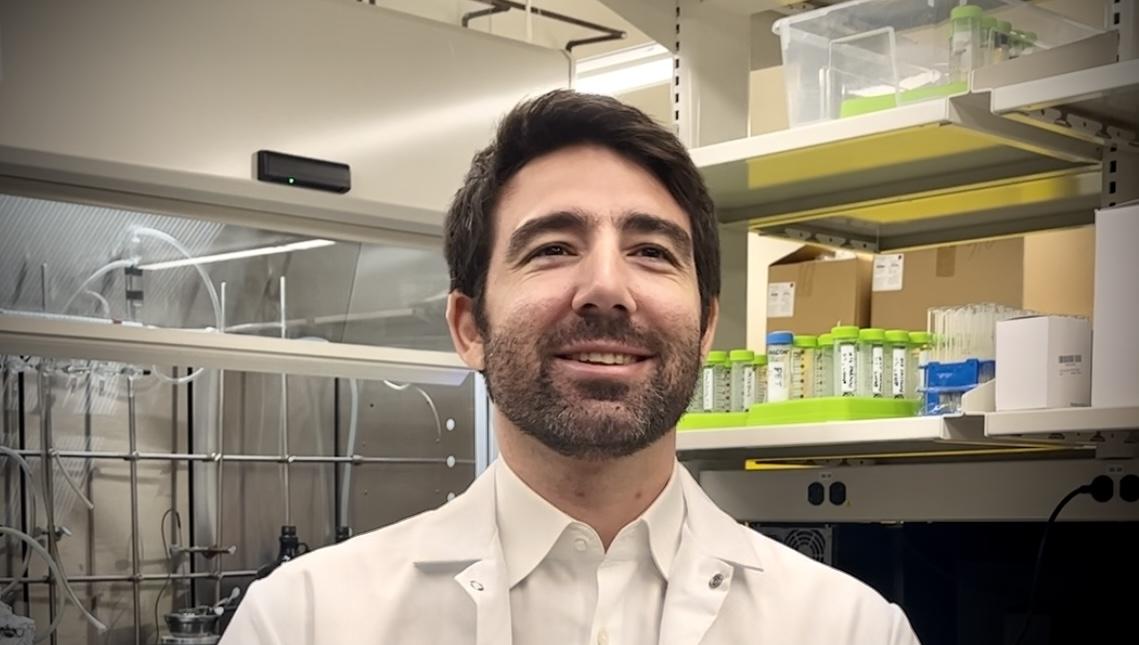
Christos Athanasiou is determined to make life in space as sustainable as possible. After all, getting new materials into space is difficult, energy-intensive, and expensive, so it makes sense to reuse and repurpose as much as possible. Applying the principles of a circular economy in space makes a great deal of sense. But Athanasiou doesn’t want to stop there. If you accept the premise that life in space can be sustainable, why wouldn’t you aim for the same goal on Earth?
Athanasiou, an assistant professor in Georgia Tech’s Daniel Guggenheim School of Aerospace Engineering as well as a faculty fellow at the Brook Byers Institute for Sustainable Systems (BBISS), is calling for the development of a circular, sustainable economy that can be implemented both in space and on Earth in alignment with the United Nations sustainable development goals, particularly goal 12: Ensure sustainable consumption and production patterns.
Athanasiou and his students are developing a framework to revolutionize the testing and evaluation of the mechanical behaviors of sustainable materials. By replacing complex finite element simulations with user-friendly analytical formulas, their approach enables faster, cheaper, and more accessible fracture and fatigue testing. This innovation, just published in the Journal of the Mechanics and Physics of Solids, is particularly crucial for sustainable materials, which often have unique and unconventional properties. By extracting reliable insights from minimal data, the framework allows researchers to directly extract physical laws from datasets, opening the door for the broader adoption of greener composites in construction and manufacturing. His efforts in this area have earned him a National Science Foundation Faculty Early Career Development Award.
Building on this work, Athanasiou and his team are advocating for the democratization of mechanical testing and engineering standards with the help of AI. As he and his colleagues point out in a recent article in the Journal of Applied Mechanics, making low-cost testing available to a wider range of manufacturers and material suppliers is a key step in decentralizing the supply chain for recycled and repurposed plastics and other materials used as feedstock in a circular economy. By addressing the regional nature of supply chains for recycled materials, decentralized standardized testing can accelerate the adoption of these sustainable feedstocks, ultimately reducing the carbon footprint of the entire manufacturing process. Part of these efforts are supported by a Federal Aviation Administration grant that Athanasiou and colleagues were awarded together with the City of Atlanta’s Department of Aviation.
As an educator and engineer, Athanasiou wants to see more of his colleagues step up and make sustainability part of their curriculum and research.
“As engineers, how can we use our expertise to meet sustainability goals, and how can we use our positions to incorporate sustainability-centered thinking into all that we do in our research and our classrooms?” he asks. “It is important for us to find a way to do this, as sustainability will be one of the biggest challenges for young engineers of the future.”
Athanasiou sees a lot of promise in this area, especially at Georgia Tech.
“I think that BBISS will have a very critical role in this area, working across disciplines to instill a sustainability focus in all of our engineering curricula. We need to design processes, systems, and materials to be resilient and design for the long term in a society that does not think that way.”
Athanasiou sees many barriers to adoption standing in the way of establishing a sustainable circular economy — a lack of engineering understanding by policymakers, a culturally ingrained resistance to change, and a general societal skepticism of sustainability efforts.
“We need to properly educate the public on what is possible and how it can help them as individuals.”
Financial motivations are also a major barrier. With so many products designed to become obsolete and replaced, convincing corporations to give up future sales in the interest of making a better world is a challenge.
“There have to be financial incentives for this to happen,” says Athanasiou. “New markets will develop, but they have to make economic sense or change will not happen.” He would like to see companies shift to products with easily swappable parts, low-cost testing, and green construction approaches in everything from electronics to building construction.
“Sustainability and enabling circular economies are not the responsibility of a single actor. It's a coordinated effort between scientists, engineers, policymakers, businesses, and community members of all backgrounds working together.”
One of the challenges, as Athanasiou sees it, is making sure the policies and science are ready at the same time so policymakers don’t overpromise on what is scientifically possible and researchers don’t waste time and resources on solutions that policymakers don’t have the mandate to implement.
“All of these communities need to be talking to each other all of the time. That is the only way for us to move forward to a circular economy.”
Brent Verrill, Research Communications Program Manager, BBISS
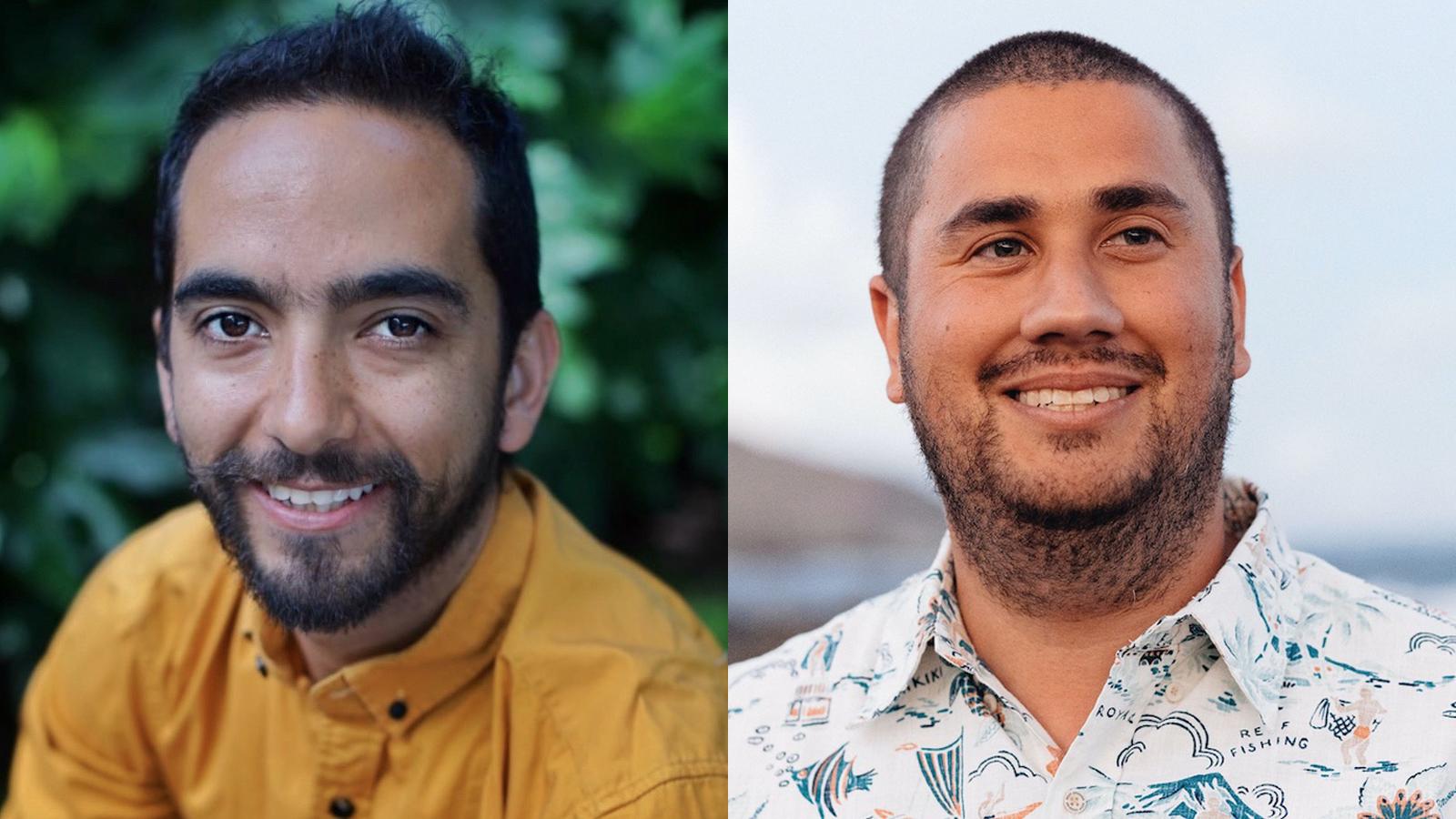
Juan-Pablo Correa-Baena and Josiah Hester
Two Georgia Tech professors have earned the Presidential Early Career Award for Scientists and Engineers, the highest honor bestowed by the U.S. government on early-career engineers and scientists.
Juan-Pablo Correa-Baena, associate professor and Goizueta Early Career Faculty Chair in the School of Materials Science and Engineering, and Josiah Hester, associate professor in the School of Interactive Computing, are among this year's nearly 400 honorees.
Correa-Baena is recognized for his solar cell and semiconductor research with the U.S. Department of Energy. His research group focuses on understanding the relationship between chemistry, crystallographic structure, and properties of new, low-cost semiconducting materials used for optical and electronic applications. His team also works on advanced techniques for characterizing these very small materials and their interactions.
“I wanted to research something that would benefit society while also using chemistry, physics, and involved materials discovery to inform that. That is why I work on solar cells — because this area of research is so important,” said Correa-Baena.
Correa-Baena leads a solar energy materials research initiative for Georgia Tech’s Institute for Matter and Systems and the Strategic Energy Institute. He also has a secondary appointment in the School of Chemistry and Biochemistry.
“My career goal has always been to execute high-quality research,” he said. “Receiving this award is a testament to the work our lab is doing, my student and faculty collaborators at Georgia Tech, and simply being in the right place at the right time.”
Read more about Correa-Baena’s work.
Hester said his nomination was based on the National Science Foundation Faculty Early Career Development Program award he received in 2022 as an assistant professor at Northwestern University.
“For me, I always thought this was an unachievable, unassailable type of thing because of the reputation of the folks in computing who’ve won previously,” Hester said. “It was always a far-reaching goal. I was shocked. It’s something you would never in a million years think you would win.”
Hester is known for pioneering research in a new subfield of sustainable computing dedicated to creating battery-free devices powered by solar energy, kinetic energy, and radio waves. He co-led a team that developed the first battery-free handheld gaming device.
Last year, he co-authored an article published in the Association of Computing Machinery’s in-house journal, the Communications of the ACM, in which he coined the term “Internet of Batteryless Things.”
The Presidential Early Career Award for Scientists and Engineers was established by President Bill Clinton in 1996. It honors individuals for their contributions to science and technology and promotes awareness of STEM careers. The award also supports the missions of participating agencies and strengthens the link between research and societal impact. This year’s winners will be invited to visit the White House later this year.