Georgia Tech Startup Targets Building Energy Inefficiencies With AI and Drones
Lamarr.AI uses drones, AI, and thermal imaging to identify energy inefficiencies in buildings, offering a faster, safer, and more accurate solution.

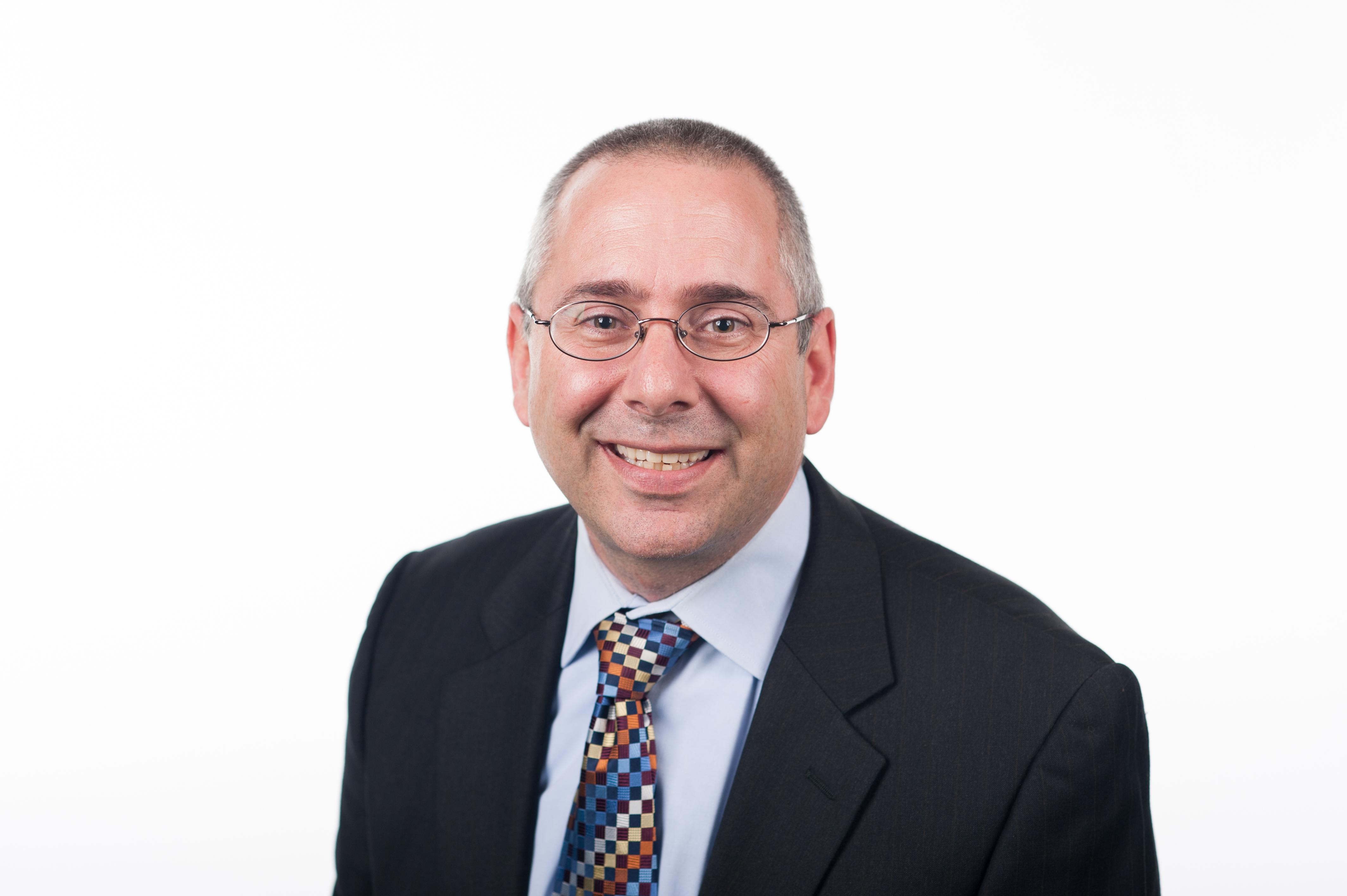
Celebrating the Remarkable Career of Robert Butera
Bill Dracos Appointed Interim Chief Research Operations Officer as Rob Butera Announces His Retirement
It is with immense gratitude and admiration that we announce the retirement of Robert Butera, who has served Georgia Tech with the highest dedication and excellence. As the chief research operations officer (CROO), Butera has facilitated the Institute’s research activities, overseeing research integrity assurance, research administration, research operations/infrastructure, and research development. His leadership and vision have left an indelible mark on Georgia Tech's research enterprise.
Butera’s journey at Georgia Tech began long before his role as CROO. He received his undergraduate degree in electrical engineering from Georgia Tech in 1991. He joined the Institute’s faculty in 1999, after earning his Ph.D. from Rice University and spending several years as a postdoctoral researcher at the National Institutes of Health. Over the years, Butera has held numerous pivotal roles, including vice president for research development and operations, associate dean for research in the College of Engineering, and director of the Neural Engineering Center. Prior to joining Georgia Tech’s research leadership, Butera directed the interdisciplinary bioengineering graduate program, then co-founded the Grand Challenges Living Learning Community.
As a professor, Butera graduated 15 Ph.D. students and mentored over 100 undergraduates, for which he received Georgia Tech’s Senior Faculty Outstanding Undergraduate Research Mentor Award in 2016. He also mentored several postdocs and master’s students.
Butera’s accolades are numerous, including the prestigious Georgia Tech ANAK award and election as a Fellow to both the American Association for the Advancement of Science and the American Institute of Medical and Biological Engineering. He held significant leadership roles within the IEEE Engineering in Medicine and Biology Society. These honors reflect his impact on the field of biomedical engineering and his dedication to advancing scientific knowledge.
Beyond his professional achievements, Butera’s personal passions have also enriched the larger Georgia Tech community. His love for whitewater kayaking, which he discovered through Outdoor Recreation Georgia Tech (ORGT), led to a decade of volunteering as an instructor and trip leader. This commitment to adventure and leadership development has inspired many students and colleagues alike.
"Rob's unwavering commitment to excellence and his visionary leadership have been instrumental in advancing Georgia Tech's research mission. His contributions have not only elevated our institution but have also profoundly impacted the broader scientific community. We are deeply grateful for his service and wish him all the best in his well-deserved retirement,” said Tim Lieuwen, executive vice president for Research.
Andrés J. García, executive director of the Parker H. Petit Institute for Bioengineering and Bioscience, shared these heartfelt words: "Rob, the ultimate Yellow Jacket, has been a tireless champion to improve research, educational, and operational processes at Georgia Tech. He has had tremendous positive impact in Georgia Tech, the state, and the nation. We will miss his deep knowledge and expertise, exceptional problem solving, practical perspective, and genuine care for faculty, staff, and students, and we wish him continued success in his next chapter."
Lena Ting, McCamish Foundation Distinguished Chair in Biomedical Engineering in the Walter H. Coulter Department of Biomedical Engineering, said, “Rob’s heart has a huge ‘GT’ stamped on it: He has always been engaged in all aspects of Georgia Tech life. I’m always amazed to hear about his undergrad teaching and mentoring, kayaking with ORGT, and advising his fraternity. At the same time, he worked tirelessly to enhance interdisciplinary research and solve challenges affecting faculty research, all while conducting his own innovative research. Rob is a GT nexus, always in the know about what is going on around campus and – more importantly – how and why it got to be that way. He is a great friend and colleague who is always available for a beer, and I’ll miss him dearly.”
As we bid farewell to Rob, we also extend a warm welcome to Bill Dracos, who will serve as the interim chief research operations officer, effective immediately. Bill brings a wealth of experience from his role as Deputy Chief Operating Officer at the Georgia Tech Research Institute and his previous leadership positions at George Mason University, Emory University, and PricewaterhouseCoopers. We are confident Bill will continue to build on Rob's legacy of excellence and innovation.
Thank you, Rob, for your years of service, your unwavering commitment to Georgia Tech, and your inspiring leadership. We wish you all the best in your retirement and look forward to seeing the new adventures you will undoubtedly embark upon.
Georgia Tech is conducting a national search for the next Chief Research Operations Officer. Learn more about the open position.
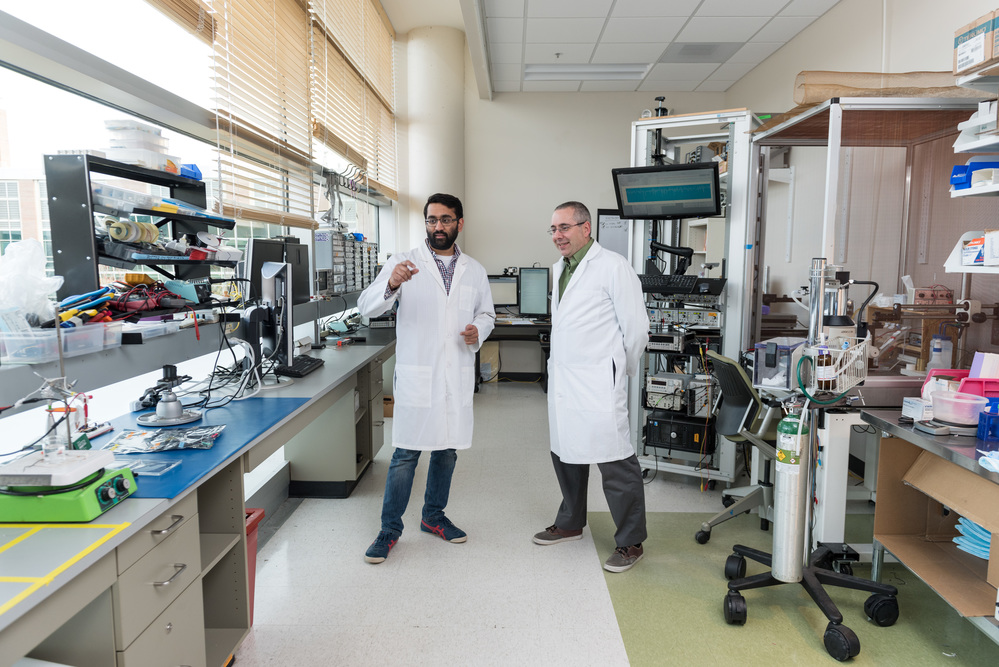
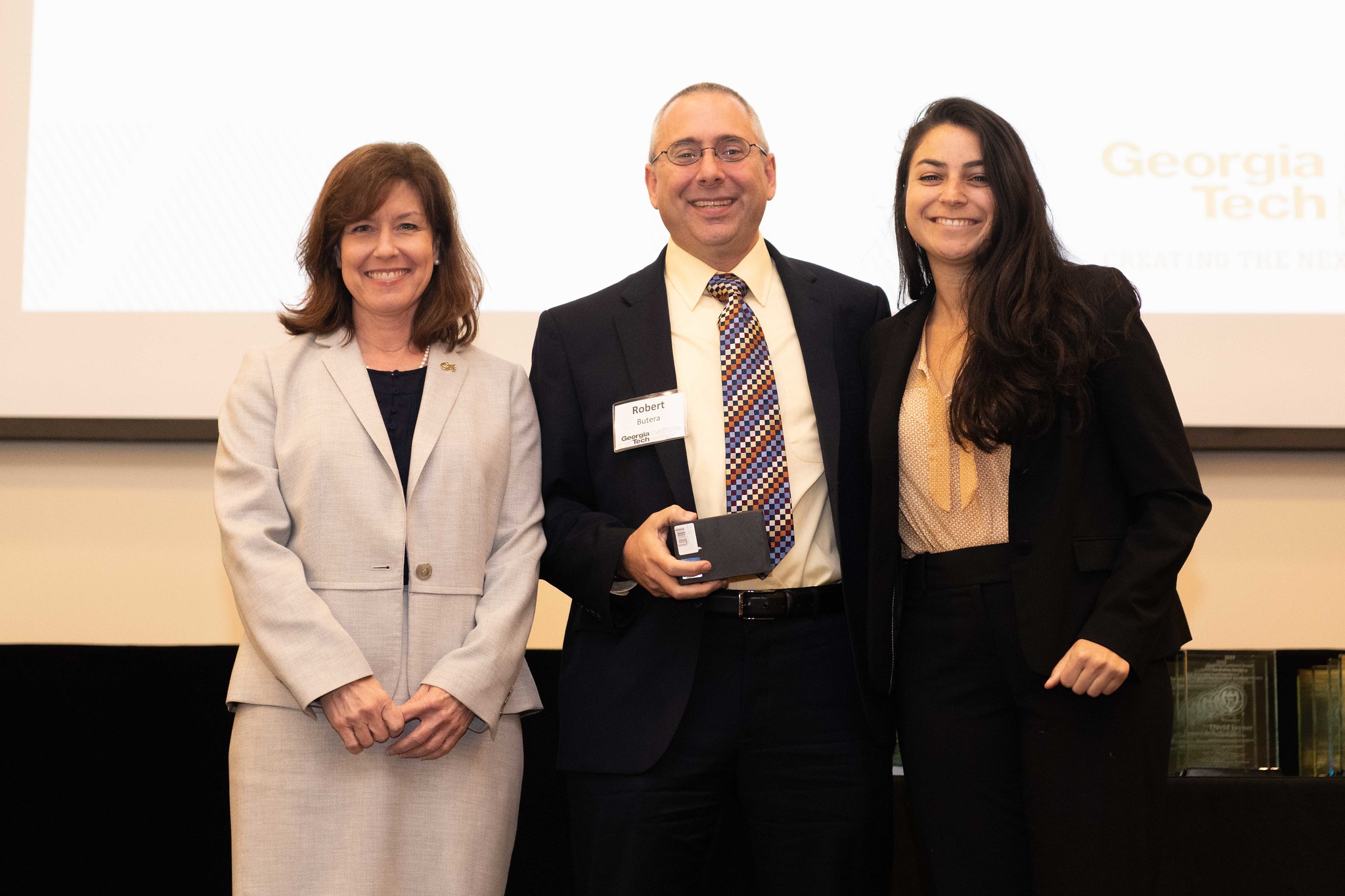

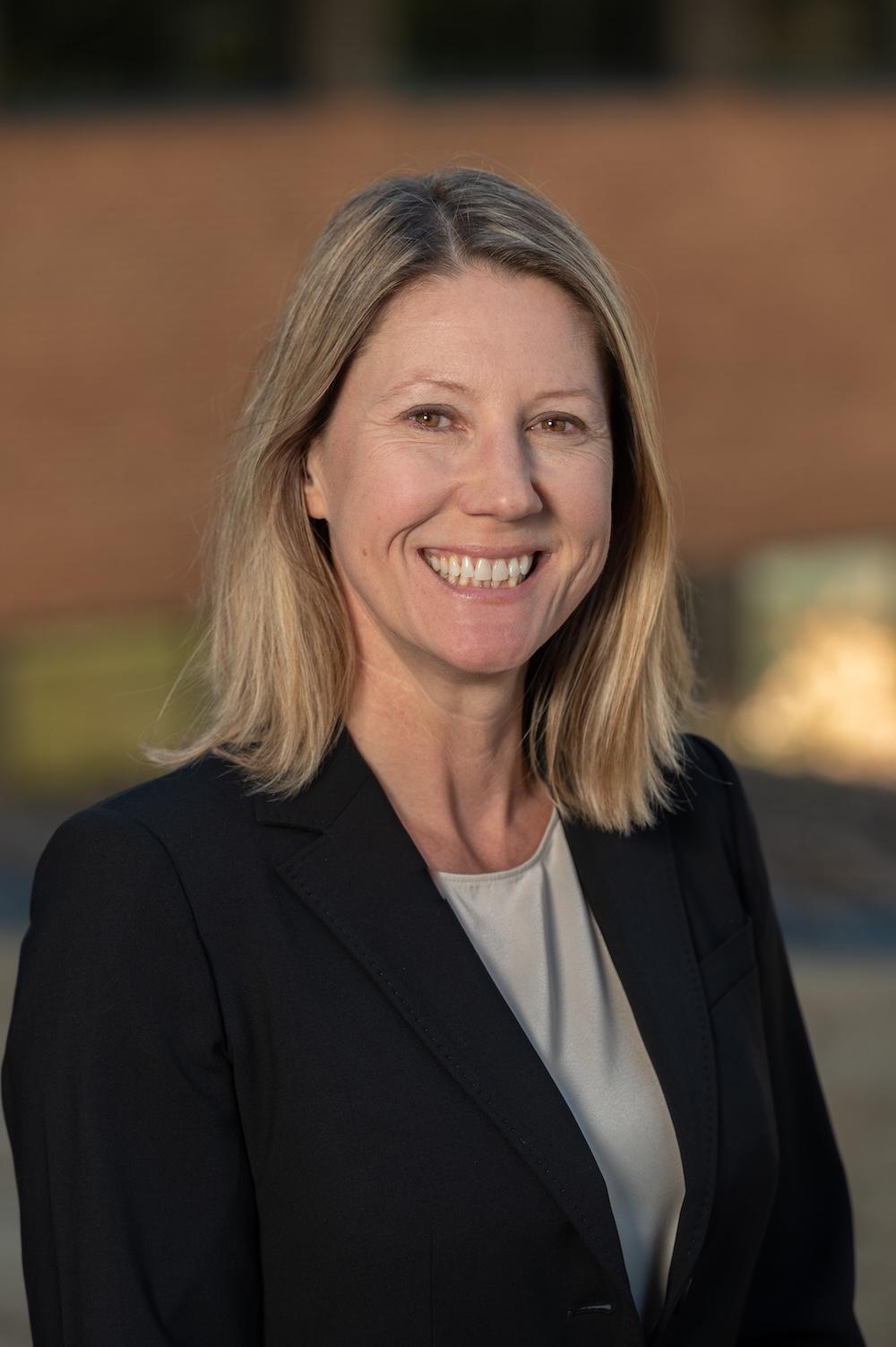
Photo by Allison Carter
Georgia Tech chemical engineer Krista Walton has been named vice chancellor for research and innovation at North Carolina State. The role puts her in charge of NC State’s $517 million research enterprise.
Walton has served as Georgia Tech’s associate vice president for research operations and infrastructure since 2023. The role oversees research space and core facilities. She also manages research computing and data, while contributing to policies related to research administration and operations.
Walton is a professor and the Robert "Bud" Moeller Faculty Fellow in the School of Chemical and Biomolecular Engineering, where she’s served on the faculty since 2009.
“Georgia Tech has helped make me the scholar, researcher, and leader that I am today,” said Walton, who previously served as the College of Engineering’s associate dean for research and innovation. “As I prepare to take on this exciting new role at NC State, I will always be grateful for the mentorship and opportunities for growth that I received during my 16 wonderful years here.”
Walton’s research focuses on the design, synthesis, and characterization of functional porous materials for use in adsorption applications, including carbon dioxide capture and atmospheric water harvesting. She has co-founded three spin-off companies from her research over the past decade and currently serves as an associate editor for AIChE Journal.
Walton was the founding director and lead principal investigator (PI) on Georgia Tech’s first Department of Energy (DOE) Energy Frontier Research Center in 2014. That center, named UNCAGE-ME, advances the understanding of how porous and electrochemical materials used for hydrogen production and carbon dioxide capture and conversion evolve and degrade when exposed to emerging contaminants. DOE has renewed the center twice for a total of $25 million.
Walton begins her new role at NC State on June 30.
Jason Maderer
maderer@gatech.edu
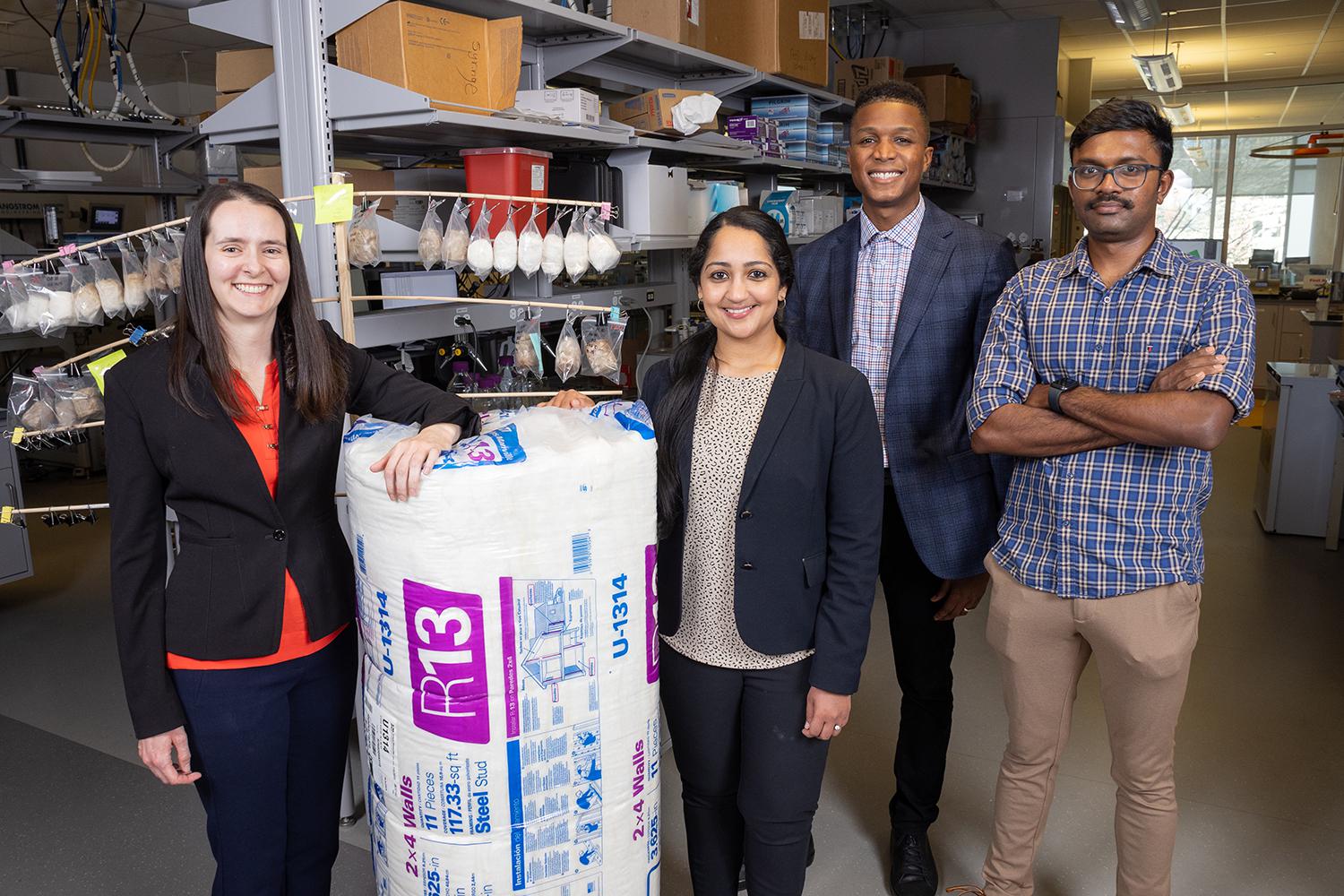
From left, Kelly Farmer, Akanksha Menon, Joe Bozeman, and Arjun Ramshankar with a package of traditional fiberglass insulation and a rack holding samples of potential hemp-based insulation materials created by graduate student Elyssa Ferguson in Menon's lab. The team has published an analysis outlining a path toward a viable hemp-based building insulation market in the U.S. Hemp insulation can be used in place of traditional fiberglass batt insulation and reduce the carbon footprint of buildings, but hemp materials currently cost twice as much. (Photo: Candler Hobbs)
It’s a fairly niche product now, but a new study from Georgia Tech engineers suggests insulation made from hemp fibers could be a viable industry in the U.S., creating jobs, a manufacturing base, and greener homes and buildings at the same time.
Making the switch could slash the impact of one of the biggest sources of greenhouse gas emissions: Buildings account for roughly 1/5 of emissions globally. By some estimates, using hemp-based products would reduce the environmental impact of insulation by 90% or more.
The Georgia Tech researchers’ work, reported this month in the Journal of Cleaner Production, is one of the first studies to evaluate the potential for scaling up U.S. production and availability of hemp-based insulation products.
Read about their findings on the College of Engineering website.
Joshua Stewart
College of Engineering
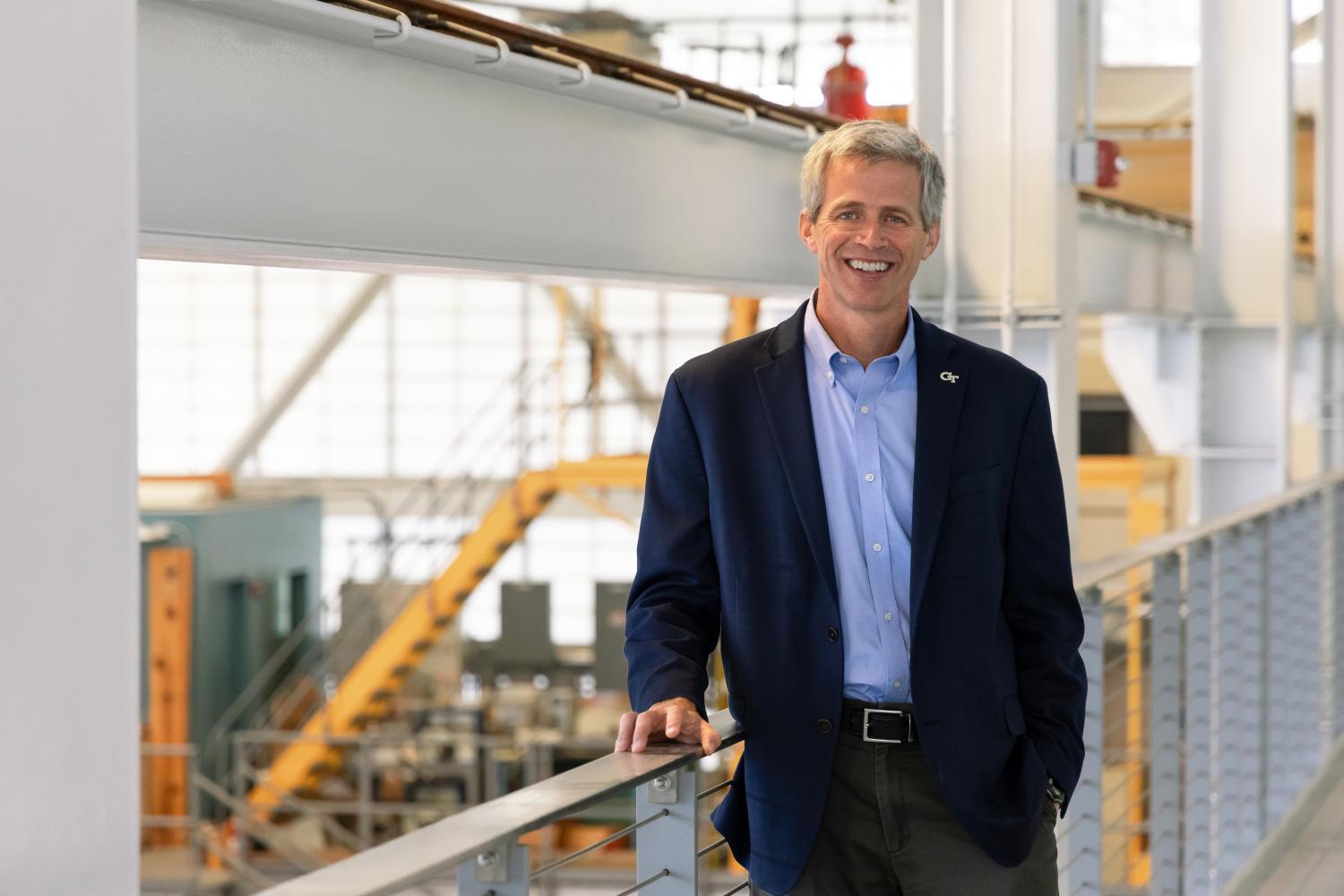
Tim Lieuwen, Executive Vice President for Research
Following a nationwide search, Georgia Tech President Ángel Cabrera has named Timothy Lieuwen the Executive Vice President for Research (EVPR). Lieuwen has served as interim EVPR since September 10, 2024.
“Tim’s ability to bridge academia, industry, and government has been instrumental in driving innovation and positioning Georgia Tech as a critical partner in tackling complex global challenges,” said Cabrera. “With his leadership, I am confident Georgia Tech will continue to expand its impact, strengthen its strategic collaborations, and further solidify its reputation as a world leader in research and innovation.”
A proud Georgia Tech alumnus (M.S. ME 1997, Ph.D. ME 1999), Lieuwen has spent more than 25 years at the Institute. He is a Regents’ Professor and holds the David S. Lewis, Jr. Chair in the Daniel Guggenheim School of Aerospace Engineering. Prior to the interim EVPR role, Lieuwen served as executive director of the Strategic Energy Institute for 12 years. His expertise spans energy, propulsion, energy policy, and national security, and he has worked closely with industry and government to develop new knowledge and see its implementation in the field.
Lieuwen has been widely recognized for his contributions to research and innovation. He is a member of the National Academy of Engineering, as well as a fellow of multiple other professional organizations. Recently, he was elected an International Fellow of the U.K.’s Royal Academy of Engineering, one of only three U.S. engineers in 2024 to receive this prestigious commendation. The honor acknowledges Lieuwen’s contributions to engineering and his efforts to advance research, education initiatives, and industry collaborations.
He has authored or edited four books, published over 400 scientific articles, and holds nine patents — several of which are licensed to industry. He also founded TurbineLogic, an analytics firm working in the energy industry. Additionally, Lieuwen serves on governing and advisory boards for three Department of Energy national labs and was appointed by the U.S. Secretary of Energy to the National Petroleum Council.
The EVPR is the Institute’s chief research officer and directs Georgia Tech’s $1.37 billion portfolio of research, development, and sponsored activities. This includes leadership of the Georgia Tech Research Institute, the Enterprise Innovation Institute, nine Interdisciplinary Research Institutes and numerous associated research centers, and related research administrative support units: commercialization, corporate engagement, research development and operations, and research administration.
“I am honored to step into this role at a time when research and innovation have never been more critical,” Lieuwen said. “Georgia Tech’s research enterprise is built on collaboration — across disciplines, across industries, and across communities. Our strength lies not just in the breakthroughs we achieve, but in how we translate them into real-world impact.
“My priority is to put people first — empowering our researchers, students, and partners to push boundaries, scale our efforts, and deepen our engagement across Georgia and beyond. Together, we will expand our reach, accelerate discovery, and ensure that Georgia Tech remains a driving force for progress and service.”
Shelley Wunder-Smith | Director of Research Communications
shelley.wunder-smith@research.gatech.edu
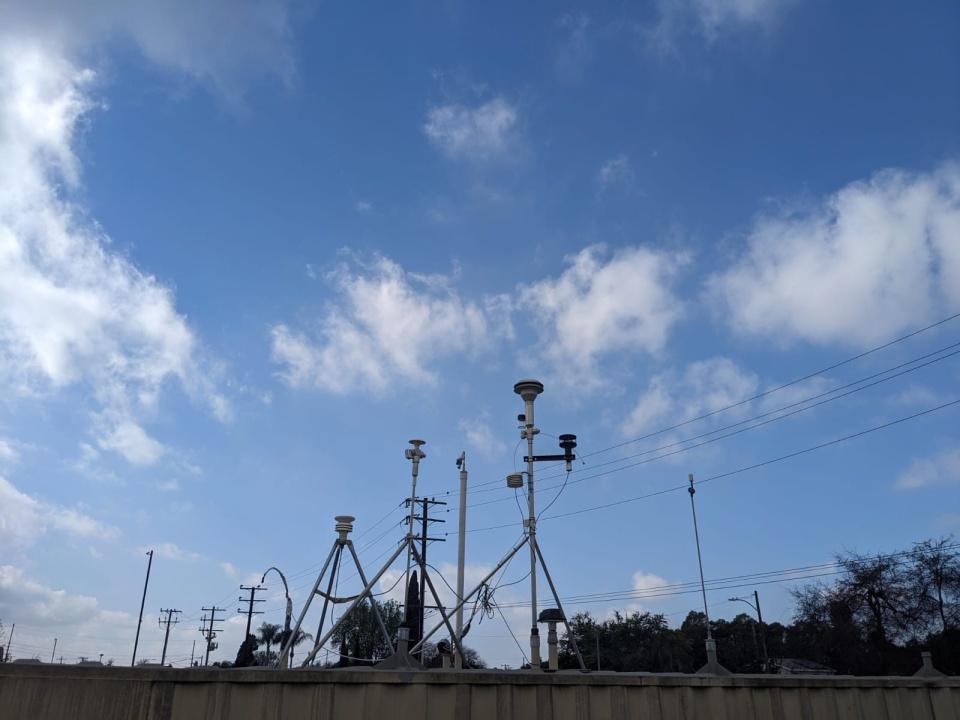
The Atmospheric Science and Chemistry mEasurement NeTwork (ASCENT) site collects real-time data during the Los Angeles wildfires. Courtesy: Haroula Baliaka
As the Los Angeles fires quickly spread starting Jan. 7, with wind gusts approaching 100 mph, scientists observed a 110-fold rise in airborne lead levels. This spike had receded by Jan. 11.
The fires enabled the first real-time data on airborne lead, thanks to a pioneering air quality measurement network known as Atmospheric Science and Chemistry (ASCENT), a nationwide initiative funded by the National Science Foundation, operating in 12 sites across the U.S.
ASCENT measured tiny particles smaller than 2.5 micrometers in diameter (PM2.5) — small enough to enter the lungs and bloodstream. Unlike typical wildfires that burn natural materials such as grass and trees, the Eaton Canyon and Palisades fires burned through infrastructures like homes, including painted surfaces, pipes, vehicles, plastics, and electronic equipment. This raised concerns about the toxicity of these particles in the air, especially since many of the buildings were constructed before 1978, when lead paint was still commonly used.
Lead is a toxic air contaminant that poses significant health risks, particularly for children, who are more vulnerable to its neurodevelopmental effects. While chronic lead exposure is well-documented, the effects of short-term spikes, like those recorded during these fires, are less understood.
“Our work through ASCENT,” said Sally Ng, Georgia Tech’s Love Family Professor of Chemical and Biomolecular Engineering and Earth and Atmospheric Sciences and the network’s principal investigator, “has provided us with new insights into the air we breathe, with unprecedented levels of detail and time resolution. Beyond the mass concentration of PM2.5 that is typically measured, we are now able to detect a wide range of chemical components in the aerosols in real time, to better understand and evaluate to what extent one is exposed to harmful pollutants.”
Investigators used several instruments to obtain hourly measurements at the ASCENT monitoring site in Pico Rivera, approximately 14 miles south of the Eaton Canyon fire, to assess atmospheric lead during the wildfires.
“Our findings showcased the importance of having real-time measurements of the chemical species that comprise particulate matter,” said California Institute of Technology Ph.D. candidate in atmospheric chemistry and ASPIRE researcher Haroula Baliaka. “During the LA fires, we provided the public with timely information about what they were breathing and how air quality evolved in the days that followed.”
This research has been published in the CDC’s Morbidity and Mortality Weekly Report.
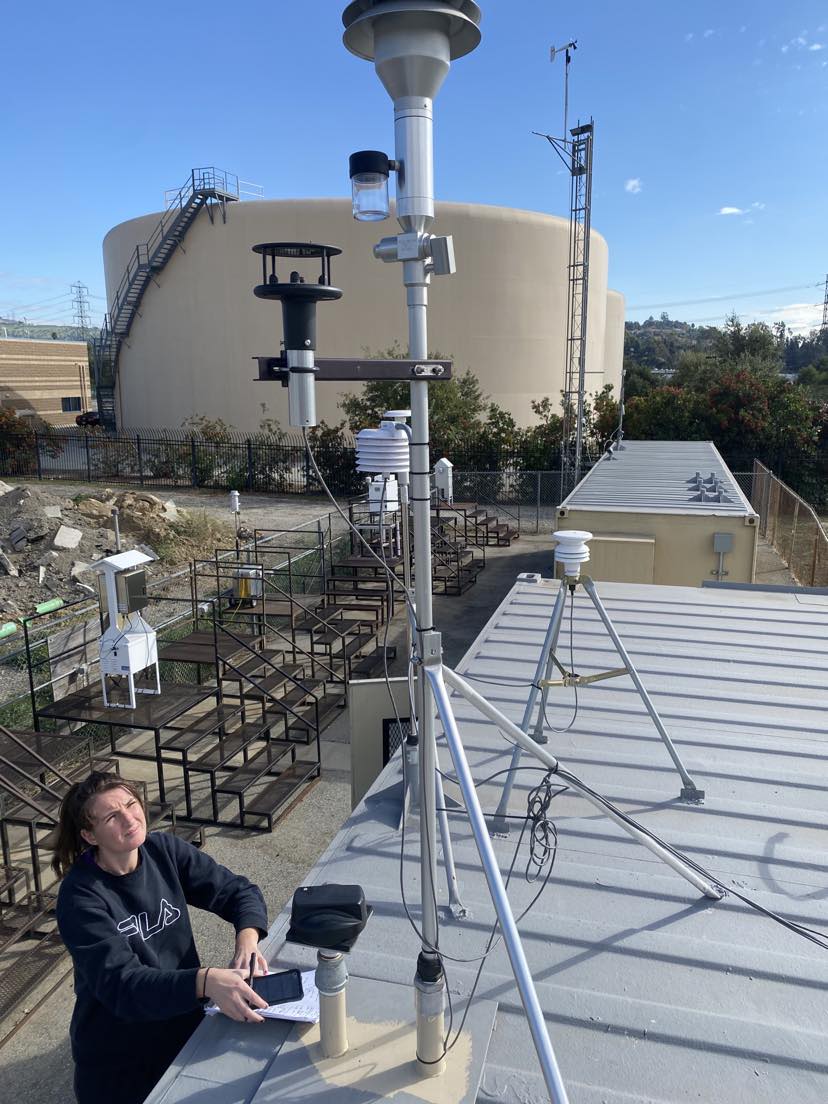
Investigators used measurements recorded hourly at the ASCENT monitoring site in Pico Rivera, approximately 14 miles south of the Eaton Canyon fire, to assess atmospheric lead during the Eaton Canyon and Palisades fires. Courtesy: Haroula Baliaka
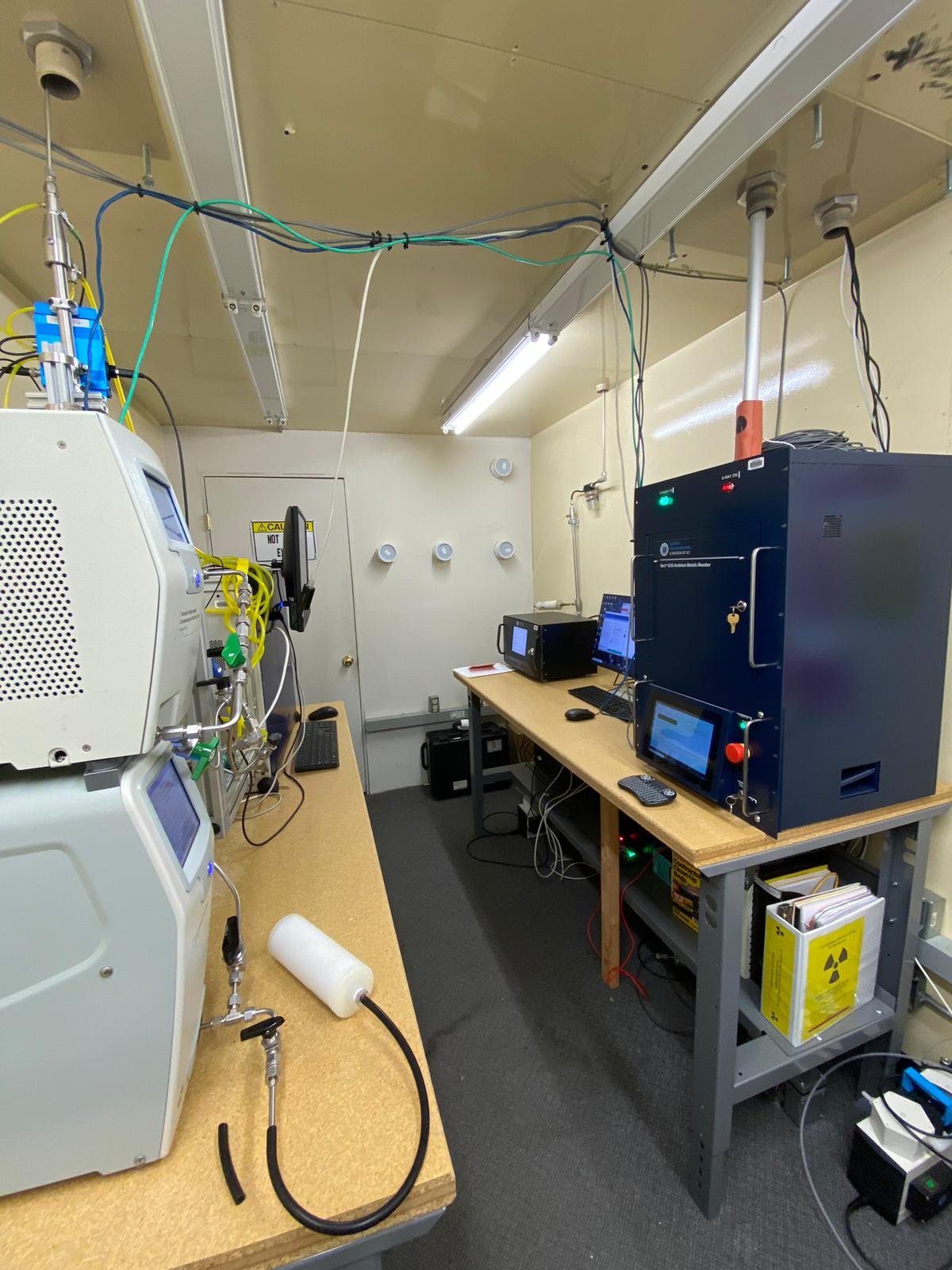
The ASCENT facility in Pico Rivera is equipped with a range of aerosol measurement instruments, including the Aerosol Chemical Speciation Monitor (ACSM) for non-refractory aerosols, Xact for detecting trace metals, Aethalometer for assessing black/brown carbon, and the Scanning Mobility Particle Sizer (SMPS) to analyze aerosol size distribution and concentration. Courtesy: Haroula Baliaka
Angela Barajas Prendiville
Director, Media Relations
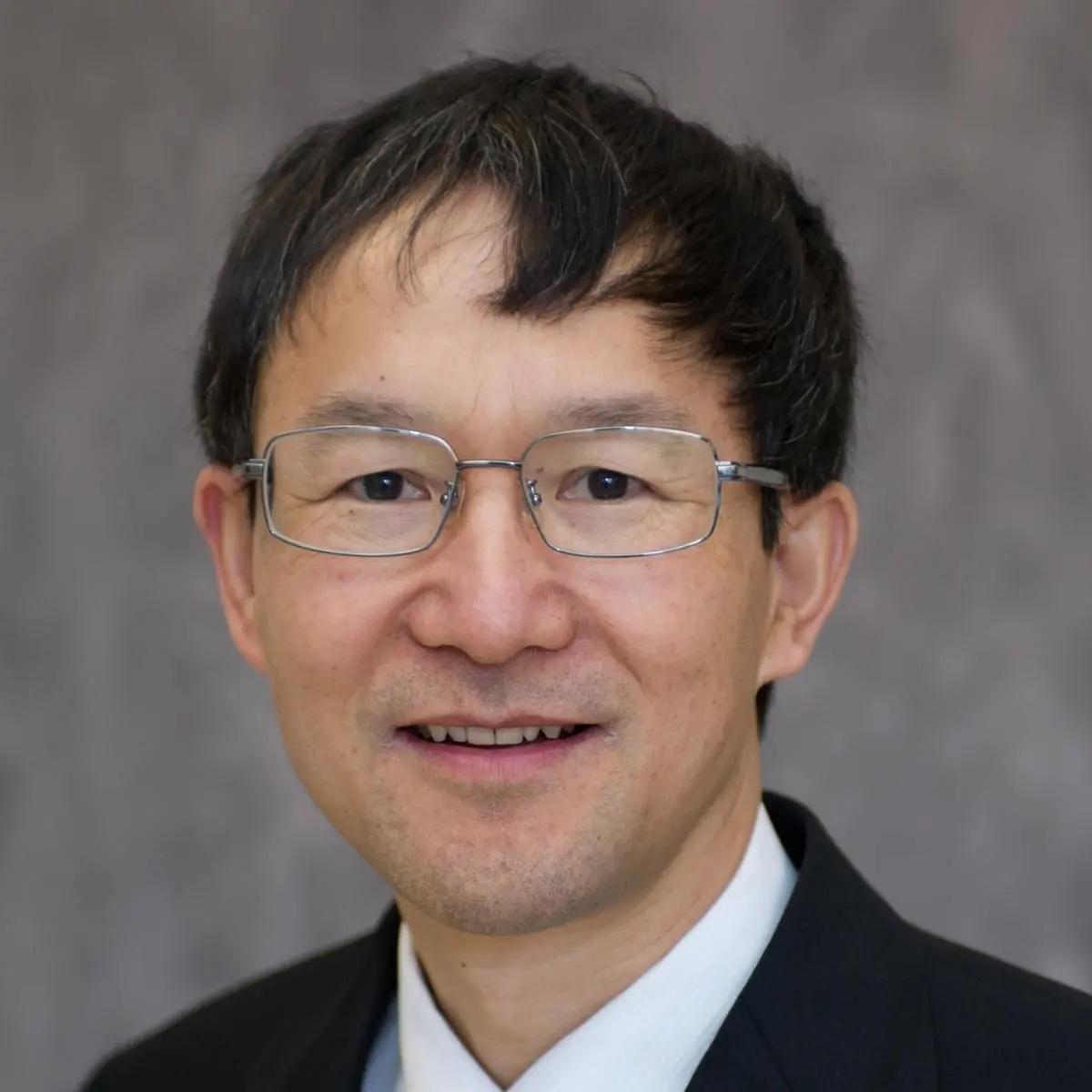
Yongsheng Chen, Bonnie W. and Charles W. Moorman IV Professor in environmental engineering at Georgia Tech
Someday, your drinking water could be completely free of toxic “forever chemicals.”
These chemicals, called PFAS (per- and polyfluoroalkyl substances), are found in common household items like makeup, nonstick cookware, dental floss, batteries, and food packaging. PFAS permeate the soil, water, food, and air, and they can remain in the environment for millennia. Once inside the human body, PFAS can persist for years, suppressing the immune system and increasing cancer risk.
Georgia Tech researchers, armed with a cutting-edge machine learning (ML) model, are spearheading a multi-university initiative. Their goal? To design a better membrane that efficiently removes PFAS from drinking water, a significant source of human exposure.
“More than 200 million Americans in all 50 states are affected by PFAS in drinking water, with 1,400 communities having levels above health experts’ safety thresholds,” noted the study’s principal investigator Yongsheng Chen, Bonnie W. and Charles W. Moorman IV Professor in Georgia Tech’s School of Civil and Environmental Engineering. Chen also directs the Nutrients, Energy, and Water Center for Agriculture Technology, or NEW Center. “Our research aims to provide a scalable, efficient, and sustainable solution for mitigating these toxic chemicals’ impact on human health and the environment.”
The resulting work, funded with over $10 million in multiyear grants from the U.S. Department of Agriculture (USDA), the National Science Foundation, and the Environmental Protection Agency (EPA), was recently published in Nature Communications.
Sewage Treatment Limitations
Conventional water treatment processes are ineffective at removing PFAS. Too often, traditional cleansing methods, such as using chlorine to kill pathogens in water, create harmful byproducts.
“Solving one problem creates another problem,” said Chen.
He has already used ML and artificial intelligence in precision agriculture to monitor nutrient levels in plants and insists that tackling PFAS removal similarly requires new approaches. Rather than treating an entire body of water, Chen’s team first separated PFAS from the water stream. Success depended on finding the right membrane material to isolate the chemicals in the water.
Chen relied on a team of 10 Ph.D. students and nine research scientists to perform the ML modeling. In addition to Georgia Tech, two other schools contributed people and laboratory expertise. The University of Wisconsin-Madison (UWM) validated the model with molecular simulations, while Arizona State University (ASU) trained it using data from scientific literature and their lab.
“Applying machine learning to membrane separation represents an exciting frontier for environmental engineering,” said Tiezheng Tong, an associate professor of environmental engineering in ASU’s School of Sustainable Engineering and the Built Environment.
This is another step in tackling PFAS pollution, a widespread problem that has recently received significant public attention due to PFAS’ toxic nature and the recent EPA ruling on PFAS in drinking water, he said.
“By integrating with molecular simulation tools, we can better understand PFAS transport across nanofiltration and reverse osmosis membranes, pushing the boundary of fundamental science relating to membrane separation,” Tong said.
ML Accelerates Membrane-Material Discoveries
Using ML modeling significantly sped up the discovery process. For instance, one Ph.D. student in Chen’s lab used trial and error over two years to pinpoint one promising membrane. Machine learning modeling allowed the team to find eight membrane candidates 10 to 20 times faster, reducing discovery time from years to a few months.
“Our molecular dynamics simulations reveal that electrostatic interactions, size exclusion, and dehydration play critical roles in governing the transport of PFAS molecules across polyamide membranes,” Ying Li explained. Li is an associate professor of mechanical engineering at UWM. “These calculations indicate that electrostatic interactions dominate PFAS rejection, with charged functional groups significantly influencing transport behavior. The simulation results provide fundamental insights that align with ML predictions, highlighting the key molecular determinants of PFAS removal efficiency.”
Addressing PFAS Exposure in Agriculture
By addressing PFAS contamination, this research could also benefit the agriculture industry, which depends on fertilizer sourced from water treatment plants. Wastewater biosolids are processed into fertilizer, offering farmers and ranchers a cheaper alternative to chemical fertilizers. Unfortunately, PFAS-tainted fertilizers from sewage sludge have contaminated significant amounts of land and livestock. Industry groups estimate that almost 70 million acres of U.S. farmland could be contaminated by these forever chemicals.
By funding this research, the USDA hopes that an effective membrane will help the United States reclaim this crucial resource.
“Synthesizing a very smart membrane to get rid of PFAS also allows us to recover the fertilizer from municipal wastewater treatment plants,” Chen said. “Such a membrane could enable us to get rid of things we don’t want and keep the things we need, so we can keep the water for irrigation or other applications.”
Eliminating PFAS in fertilizers also could help address the mismatch of food and water demand in urban versus rural areas since 80% of the demand resides in cities. PFAS removal could directly support urban area resource recovery and food production.
“Our goal is achieving a circular economy where materials never become waste, and nature is regenerated,” Chen said.
What’s Next
The team will fine-tune the model and add more data to improve its training features. Chen will synthesize membranes in his lab to further test the model's PFAS removal predictions.
Today, scientists have found ways to remove long chains of PFAS, but the shorter chains of these chemicals persist, explained Chen.
“If we can better understand the mechanism, we’ll be able to design a good material membrane to get rid of all PFAS. That could be game-changing.”
— By Anne Wainscott-Sargent
Funding
This work is partially supported by the NSF (Award Nos. 2112533, 2427299, 2345543, Y.C.; 2448130, T.T.; and 2345542, Y.L.).
Y.C. acknowledges the financial support by the USDA (Award No.2018−68011-28371), NSF-USDA (Award No. 2020-67021-31526), and EPA (Award No. 840080010).
T.T. acknowledges the support of the USDA National Institute of Food and Agriculture (Hatch Project COL00799, accession 1022591).
Y.L. acknowledges the financial support by the National Alliance for Water Innovation (NAWI), funded by the US DOE, Office of Energy Efficiency and Renewable Energy (EERE), Advanced Manufacturing Office, under Funding Opportunity announcement Number DE-FOA-0001905, through a subcontract to the University of Wisconsin-Madison.
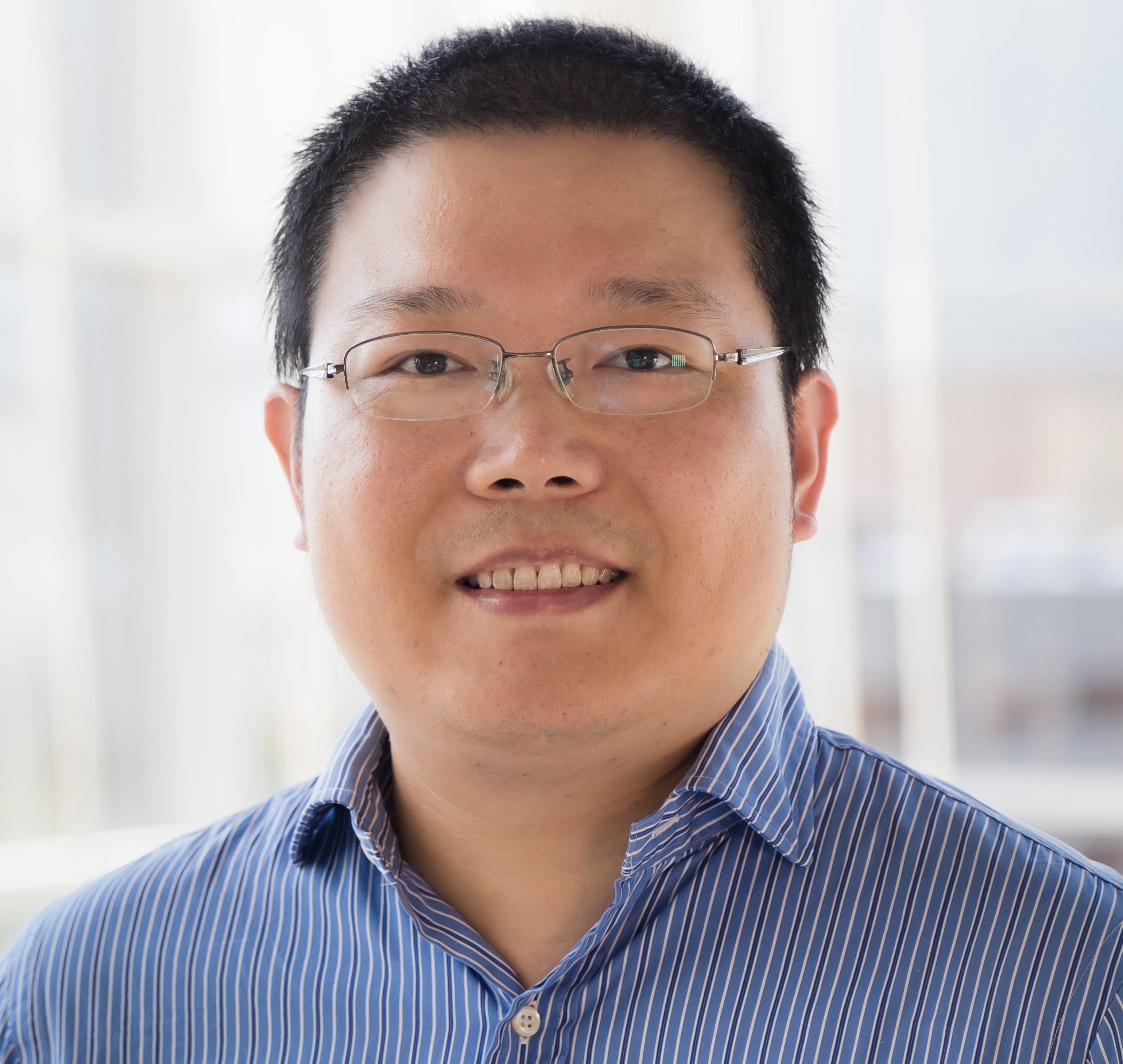
Ying Li, associate professor of mechanical engineering at University of Wisconsin-Madison

Tiezheng Tong, associate professor of environmental engineering at Arizona State University
Shelley Wunder-Smith | Director of Research Communications
shelley.wunder-smith@research.gatech.edu
Join us for a panel and conversation (with a reception to follow) as we celebrate Earth Day 2025. Registration is free.
The Georgia Tech research community is invited to the virtual Research Town Hall hosted by interim EVPR Tim Lieuwen on Thursday, February 27, 2025 at 11 a.m.
Agenda includes a discussion led by Tim Lieuwen and Tanta Myles on how to conduct research collaboratively and securely given the continual shifts in the regulatory landscape for research.
There will be time for Q&A as well.
Zoom link: https://gatech.zoom.us/j/97247122372