Atlanta Science Festival Launches With Celebrate STEAM at Georgia Tech
Over 5,000 people attended Georgia Tech's Celebrate STEAM event on March 8, which showcased more than 60 demonstrations in science, technology, engineering, art, and mathematics.

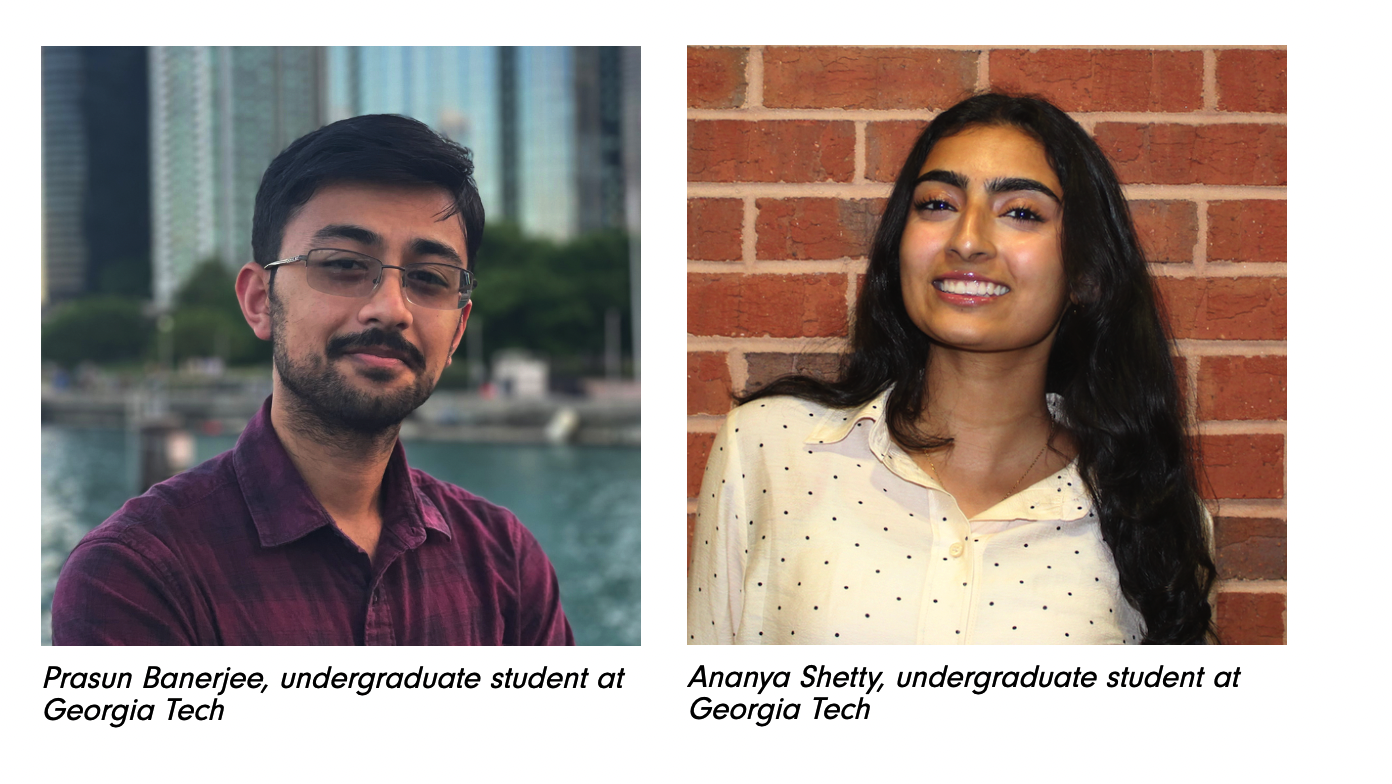
Prasun Banerjee and Ananya Shetty
CEAR Hub undergraduate students Prasun Banerjee and Ananya Shetty have been announced as winners of the 2024 SECOORA Data Challenge. Their project, "Predicting Financial Risk From Flood Damages: A Quantitative Approach Incorporating Urban Infrastructural Measures," aims to build a flood risk management model for the city of Tybee Island, Georgia. The work integrates economic, infrastructure, climate, and water level data with advanced statistical models to improve economic risk prediction from flood-related damages.
Both Banerjee and Shetty are studying computer science at Georgia Tech. Since August 2024, they have been working with Russell Clark, senior research scientist and CEAR Hub project lead, and Kait Morano, CEAR’s resilience planning director, as part of an undergraduate research team implementing processes to ensure the quality and reliability of data from our network of water level sensors.
Read the full article here: https://secoora.org/winners-of-2024-secoora-data-challenge/
Speaker: Bruce N. Walker, professor in the School of Psychology and the School of Interactive Computing at Georgia Tech
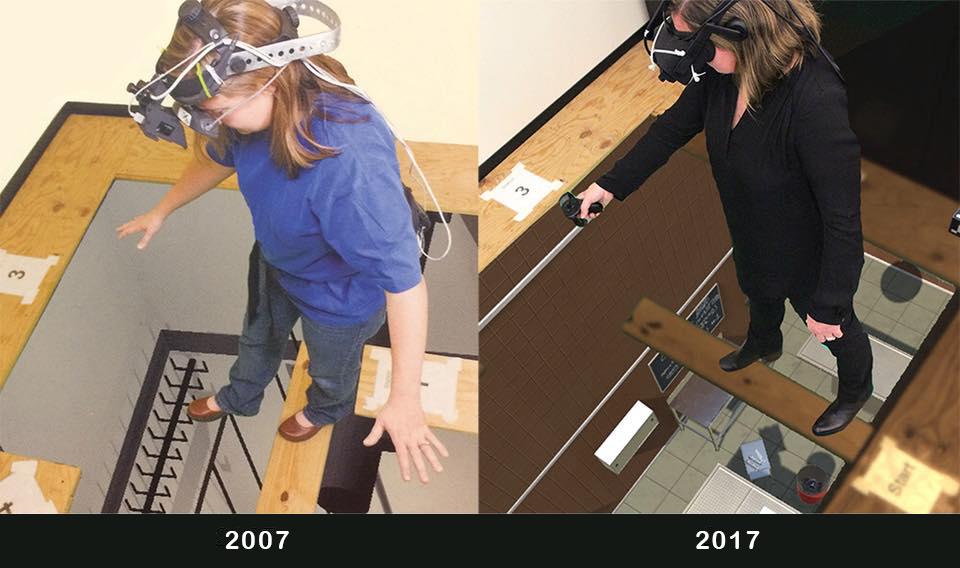
Maribeth Gandy Coleman is a Regent's Researcher and director of research for the Institute of People and Technology at Georgia Tech.
Maribeth Gandy's journey at Georgia Tech began in 1993 when she enrolled as a computer engineering major. At that time, the concept of human-computer interaction was still in its infancy, and computers were not as integrated into daily life as they are today. Gandy's initial interest in computing was sparked by her love for creating user-facing applications such as games and interactive programs.
During her undergraduate years, Gandy had the opportunity to work as a research assistant on virtual reality projects with Larry Hodges. This experience was transformative as it coincided with a period of significant growth and innovation in computing. The late 1990s saw the emergence of human-computer interaction as a mainstream field with researchers exploring the potential of computers to enhance various aspects of life including entertainment and therapy.
Gandy's work with Hodges involved using virtual reality for immersion therapy to help individuals with PTSD. This groundbreaking research highlighted the potential of computers to provide therapeutic benefits, a concept that was revolutionary at the time. The College of Computing at Georgia Tech attracted numerous influential faculty members during this period including Beth Mynatt, Blair MacIntyre, and Thad Starner who were pioneers in areas such as augmented reality and wearable computing.
Inspired by her experiences, Gandy decided to pursue graduate studies and joined a research lab focused on interactive media. This lab was at the forefront of developing rich, interactive educational and entertainment experiences. Gandy's early career involved building systems and gaining expertise in areas like augmented reality, virtual reality, computer audio, and multimodal interfaces.
In the early 2000s, Gandy worked on augmented reality and wearable computing projects, often using expensive and custom-built hardware. Despite the challenges, she believed in the potential of these technologies to become mainstream. Her work involved demonstrating these concepts to industry sponsors who were initially skeptical about their feasibility as consumer products.
One of the significant projects Gandy worked on was the Designers Augmented Reality Toolkit (DART). The goal of DART was to create an augmented reality authoring tool that non-technologists such as designers, artists, and subject matter experts could use. This tool was built within Macromedia Director, an early software platform that allowed a broader range of people to create interactive computing experiences. By integrating augmented reality capabilities into this platform, Gandy and her team aimed to democratize the creation of AR experiences.
As technology advanced, wearable computing and augmented reality became more accessible to the general public. Innovations in industry led to the development of head-mounted displays and mobile devices with cameras making it easier to deliver augmented reality experiences. This shift made Gandy's work increasingly relevant as companies and startups sought her expertise to develop AR applications and leverage new technologies.
Her growth as a researcher was marked by her transition from a team member to a leader in her field. She gained a deep understanding of the technical aspects of wearable computing and augmented reality, which were still considered futuristic at the time. Her collaboration with Blair MacIntyre, a pioneer in augmented reality, further solidified her expertise and passion for exploring innovative computing solutions.
Throughout her career, she has been driven by the belief that computing can be used for social good and to improve access and experiences for people. Her work has laid the foundation for many of the technologies that are now commonplace and she continues to provide valuable insight in the field of human-computer interaction.
In 2010, the Interactive Media Technology Center (IMTC) where Gandy worked became part of the Institute for People and Technology (IPaT) at Georgia Tech. This transition aimed to create more substantial interdisciplinary research initiatives.
According to Gandy, “IPaT focuses on advocating for the consideration of societal impacts in technology development and fostering collaboration with communities to ensure that research has a positive and widespread impact.”
Gandy now holds two significant roles at Georgia Tech. As the director of research for IPaT, she helps catalyze cross-disciplinary teams to solve real-world problems and open new opportunities with technology. She collaborates with external stakeholders, including community organizations, government agencies, and companies to leverage Georgia Tech's capabilities in addressing various needs.
Additionally, as the assistant vice provost for research faculty, Gandy advocates for and supports research faculty across campus. She works to recruit, mentor, advance, and retain Georgia Tech’s world class research faculty community, ensuring that their work has a meaningful impact on society. Her efforts help bridge the gap between academic research and real-world applications, amplifying the impact of Georgia Tech's research on the world.
Gandy's career is a testament to the evolving landscape of computing and its increasing relevance in everyday life. Her contributions to augmented reality, wearable computing, and human-computer interaction have not only advanced the field, but also demonstrated the importance of interdisciplinary collaboration. By bringing together experts from various domains, Gandy has helped create technologies that are not only innovative but also socially impactful.
Her journey from a computer engineering student to a leader in human-computer interaction research reflects the broader trends in computing where the focus has shifted from purely technical advancements to considering the societal implications and benefits of technology.
Walter Rich
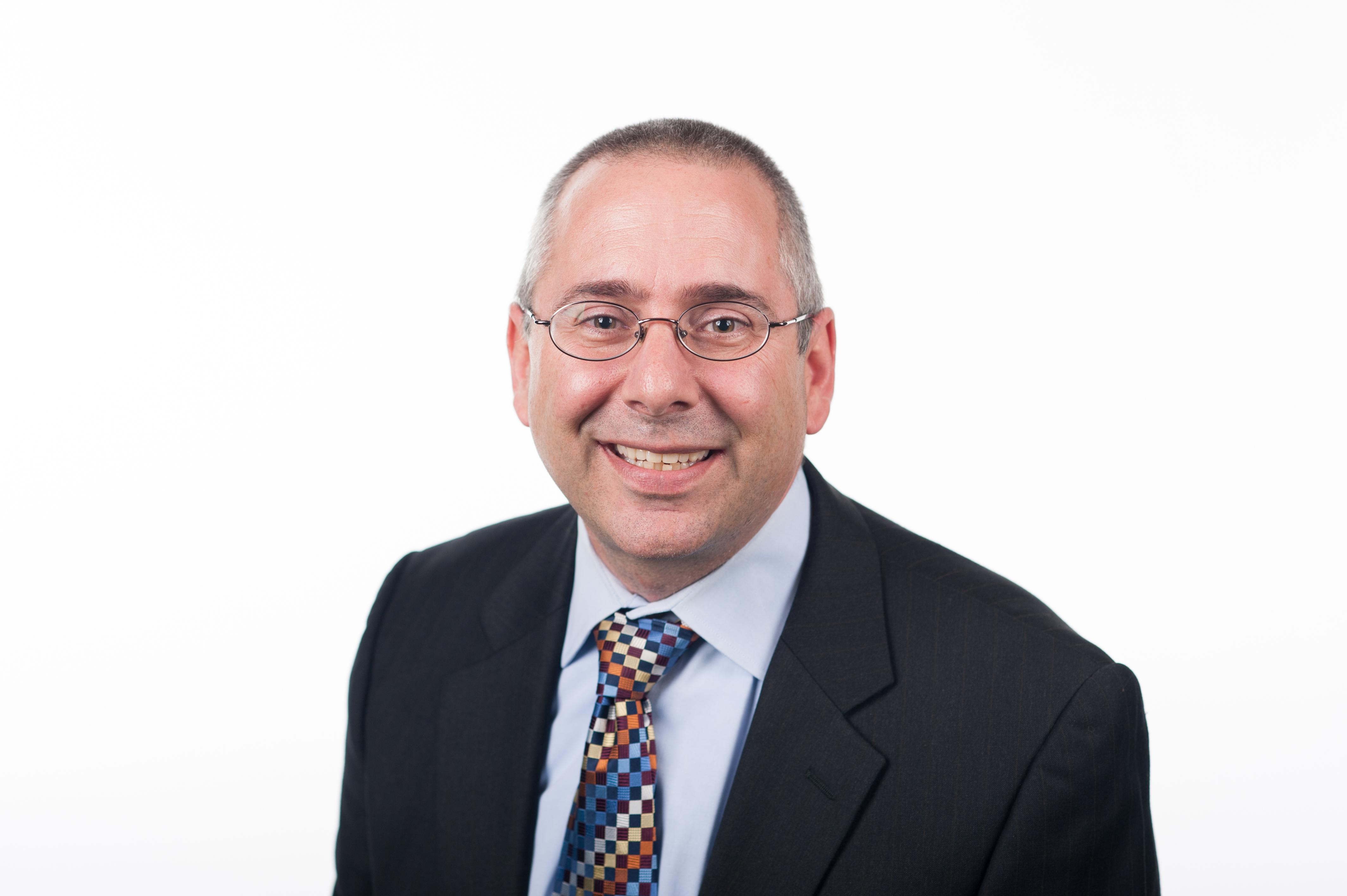
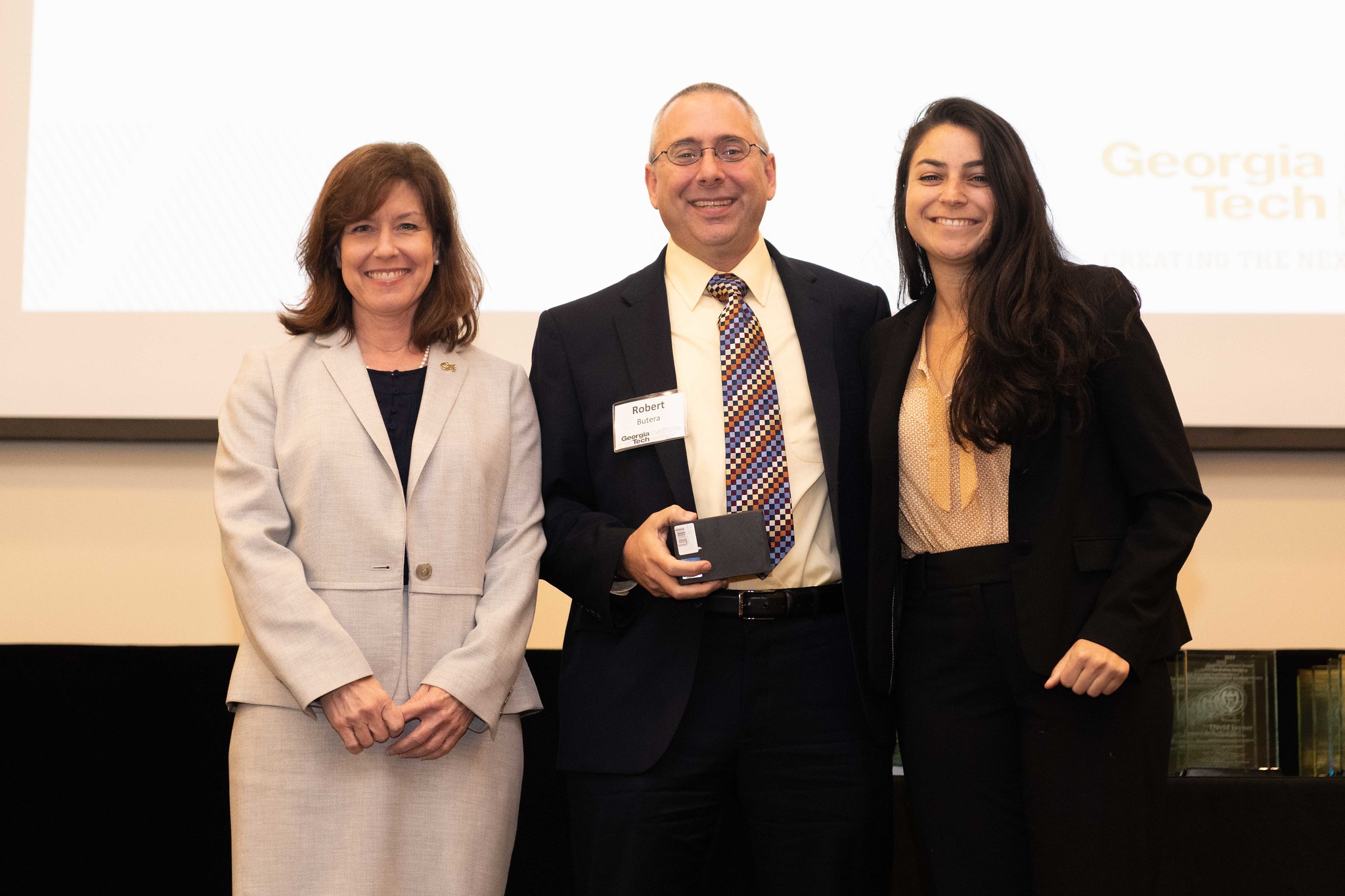
Celebrating the Remarkable Career of Robert Butera
Bill Dracos Appointed Interim Chief Research Operations Officer as Rob Butera Announces His Retirement
It is with immense gratitude and admiration that we announce the retirement of Robert Butera, who has served Georgia Tech with the highest dedication and excellence. As the chief research operations officer (CROO), Butera has facilitated the Institute’s research activities, overseeing research integrity assurance, research administration, research operations/infrastructure, and research development. His leadership and vision have left an indelible mark on Georgia Tech's research enterprise.
Butera’s journey at Georgia Tech began long before his role as CROO. He received his undergraduate degree in electrical engineering from Georgia Tech in 1991. He joined the Institute’s faculty in 1999, after earning his Ph.D. from Rice University and spending several years as a postdoctoral researcher at the National Institutes of Health. Over the years, Butera has held numerous pivotal roles, including vice president for research development and operations, associate dean for research in the College of Engineering, and director of the Neural Engineering Center. Prior to joining Georgia Tech’s research leadership, Butera directed the interdisciplinary bioengineering graduate program, then co-founded the Grand Challenges Living Learning Community.
As a professor, Butera graduated 15 Ph.D. students and mentored over 100 undergraduates, for which he received Georgia Tech’s Senior Faculty Outstanding Undergraduate Research Mentor Award in 2016. He also mentored several postdocs and master’s students.
Butera’s accolades are numerous, including the prestigious Georgia Tech ANAK award and election as a Fellow to both the American Association for the Advancement of Science and the American Institute of Medical and Biological Engineering. He held significant leadership roles within the IEEE Engineering in Medicine and Biology Society. These honors reflect his impact on the field of biomedical engineering and his dedication to advancing scientific knowledge.
Beyond his professional achievements, Butera’s personal passions have also enriched the larger Georgia Tech community. His love for whitewater kayaking, which he discovered through Outdoor Recreation Georgia Tech (ORGT), led to a decade of volunteering as an instructor and trip leader. This commitment to adventure and leadership development has inspired many students and colleagues alike.
"Rob's unwavering commitment to excellence and his visionary leadership have been instrumental in advancing Georgia Tech's research mission. His contributions have not only elevated our institution but have also profoundly impacted the broader scientific community. We are deeply grateful for his service and wish him all the best in his well-deserved retirement,” said Tim Lieuwen, executive vice president for Research.
Andrés J. García, executive director of the Parker H. Petit Institute for Bioengineering and Bioscience, shared these heartfelt words: "Rob, the ultimate Yellow Jacket, has been a tireless champion to improve research, educational, and operational processes at Georgia Tech. He has had tremendous positive impact in Georgia Tech, the state, and the nation. We will miss his deep knowledge and expertise, exceptional problem solving, practical perspective, and genuine care for faculty, staff, and students, and we wish him continued success in his next chapter."
Lena Ting, McCamish Foundation Distinguished Chair in Biomedical Engineering in the Walter H. Coulter Department of Biomedical Engineering, said, “Rob’s heart has a huge ‘GT’ stamped on it: He has always been engaged in all aspects of Georgia Tech life. I’m always amazed to hear about his undergrad teaching and mentoring, kayaking with ORGT, and advising his fraternity. At the same time, he worked tirelessly to enhance interdisciplinary research and solve challenges affecting faculty research, all while conducting his own innovative research. Rob is a GT nexus, always in the know about what is going on around campus and – more importantly – how and why it got to be that way. He is a great friend and colleague who is always available for a beer, and I’ll miss him dearly.”
As we bid farewell to Rob, we also extend a warm welcome to Bill Dracos, who will serve as the interim chief research operations officer, effective immediately. Bill brings a wealth of experience from his role as Deputy Chief Operating Officer at the Georgia Tech Research Institute and his previous leadership positions at George Mason University, Emory University, and PricewaterhouseCoopers. We are confident Bill will continue to build on Rob's legacy of excellence and innovation.
Thank you, Rob, for your years of service, your unwavering commitment to Georgia Tech, and your inspiring leadership. We wish you all the best in your retirement and look forward to seeing the new adventures you will undoubtedly embark upon.
Georgia Tech is conducting a national search for the next Chief Research Operations Officer. Learn more about the open position.


Corian Ellisor pictured.
Corian Ellisor, an Atlanta-based performance artist with a focus on dance theater, was selected as the Institute for People and Technology’s (IPaT) 2025 artist-in-residence. Ellisor will engage with IPaT academics through a structured program to translate, highlight, incorporate, and interpret ongoing research through artistic endeavors utilizing the IPaT Craft Lab.
The Craft Lab is a makerspace supported by IPaT which is designed to promote craft and algorithmic making. The equipment in the lab is particularly well-suited for wearable and flexible electronics systems and can help anyone interested in making soft objects. The lab includes equipment like sewing machines, industrial-grade CNC knitting and embroidery machines, fiber twisting, wire bending, soldering irons, and 3D printers making it unique among Georgia Tech labs to make soft and flexible materials embedded with technology.
Ellisor has worked with arts communities locally and internationally including Georgia, Texas, Florida, Massachusetts, Washington DC, New York, Guatemala, Sweden, The Netherlands, Germany and The United Kingdom.
He has been awarded the choreography award at the University of Houston, The Walthall Fellowship through Wonderroot, “Top 20 people to watch in 2013" by Atlanta’s Creative loafing, an Atlanta Beltline Grant in 2014, an artist in residency award with the Lucky Penny in 2015, and the “Best Choreography Award” at the Houston Fringe Festival in 2019 – a festival that highlights dance, theater and visual art.
Ellisor welcomes the opportunity to engage with students in the classroom as mentor, guest lecturer with respect to choreography and body mechanics, or in leading a movement exercise. If you are faculty or a student interested in having Ellisor speak or collaborate, please contact clintzeagler@gatech.edu.
“IPaT is very excited to be working with Corian Ellisor this year as our first artist-in-residence. We expect that in collaborating with Corian, Georgia Tech faculty, students and researchers will be able to augment and enhance his work with innovative interactive technological elements, said Clint Zeagler, IPaT’s director of strategic partnerships and principal research scientist.
“Our work will be culminating in an artistic interactive performance in the fall of 2025. The goal of this engagement is to both share Georgia Tech’s engineering and technological expertise with the local arts community and also learn from creatives and artists to build bridges back to campus through collaboration with the arts community with Corian Ellisor as our conduit.”
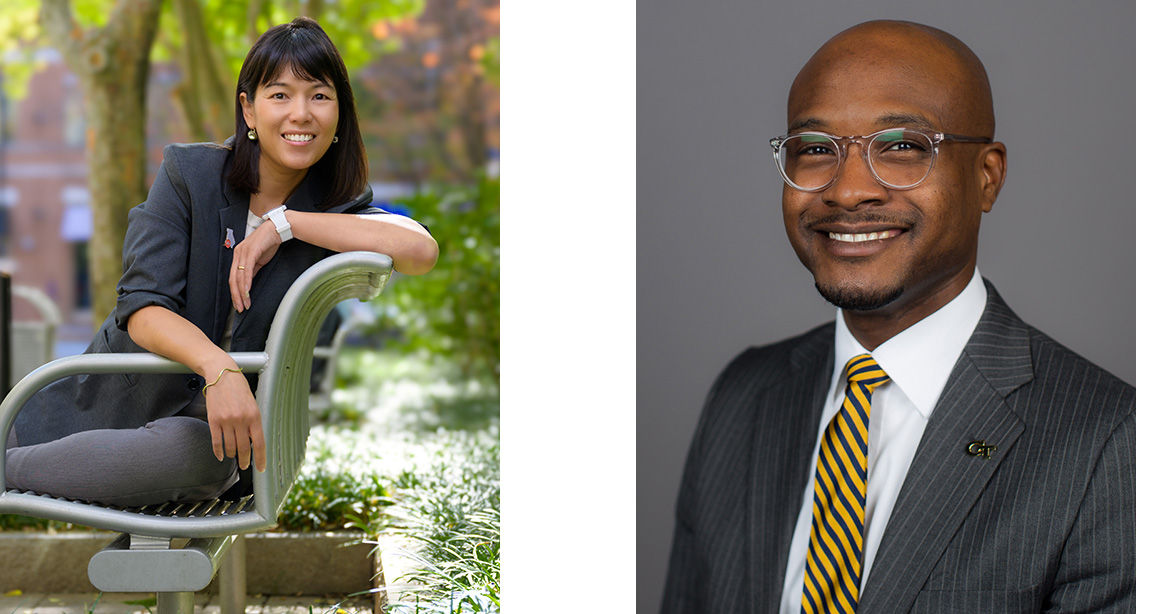
Speakers: Debra Lam, Founding Director of the Partnership for Inclusive Innovation, and Clarence Anthony, the inaugural Workforce Development Program Manager for the Partnership for Inclusive Innovation.
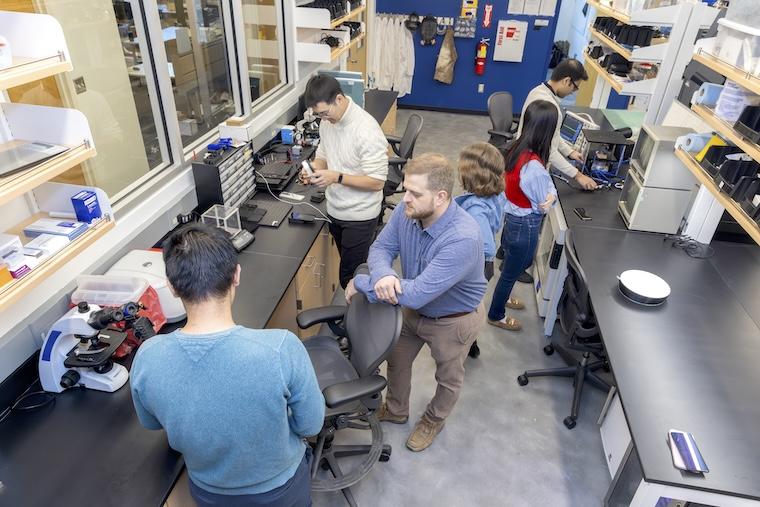
A new lab is working to expand access to practical sensing systems. These systems could benefit people struggling with addiction and alert people with limited healthcare access to potentially life-threatening medical issues.
Device prototypes like these usually require massive amounts of time and external resources to build, but thanks to the Uncommon Sense Lab, they can now be conveniently developed on Georgia Tech’s campus.
The lab is housed in Georgia Tech’s School of Interactive Computing and is managed by Assistant Professor Alexander Adams.
“Our overall goal is to give better access to healthcare,” Adams said. “We’re always looking at who we’re doing this for, how we’re getting it to them, how it addresses specific needs, and how to make it as financially accessible as possible.
“There’s always a space for high-end, high-precision equipment, but not everyone has access, and people are often afraid to get checked out because of the cost. If we can build something that doesn’t necessarily give someone a perfect measurement of a condition, but it can tell them they should go to the doctor, that might be enough to save a life.”
The lab provides resources to interdisciplinary researchers with backgrounds in computing, robotics, mechanical engineering, electrical engineering, and biomedical engineering to develop novel sensing and feedback system prototypes.
“We render physical prototypes that would be difficult to build without a centralized location for these resources,” said Adams, who is affiliated with the Institute for Robotics and Intelligent Machines and the Institute for Bioengineering and Bioscience. “We give students access to the tools and knowledge to build things that would typically seem unreachable.
“There’s nowhere else on campus with this collective that can go end-to-end from mechanical engineering to biomedical engineering to electrical engineering to usability.”
Examples of current prototypes being developed in the lab include a device that trains people with post-traumatic stress disorder to breathe in more regular patterns, and another that measures a person’s heart rate when they vape.
“We want to learn more about that behavior through these sensing devices, and then we’ll look at figuring out how we can help people correct their breathing patterns or quit their addiction,” Adams said.
The Uncommon Sense Lab offers numerous high-tech, state-of-the-art machinery, including:
Since he started at the School of Interactive Computing in 2022, Adams has envisioned the lab. The lab space in the Technology Square Research Building in Midtown was thoroughly renovated, including access control, a new ceiling grid, environmental controls, pressurized air, plumbing, and vacuum and air filtration systems.
“This is the result of having built two labs at previous institutions, what I’ve learned about my type of work and my field, and what the most useful things are to handle our diverse projects,” he said.
“One of the reasons I came to Georgia Tech was because they saw the value of being interdisciplinary in a computing world and having a full lab space instead of just an office.”
Adams said the lab will accelerate the timelines of current projects for the researchers who use it and create more bandwidth for them to take on more projects.
“I want my students to have everything at hand instead of waiting every time we need to do something,” he said. “This space is for someone who might have an idea for a remote diagnostic tool, but they’re wondering how to build it, add computation, and test it. This is the solution for those wondering how they can do that without spending a year finding and organizing access to facilities or ordering various parts.”
Adams said the lab is not a public space, but anyone interested in using it can make a written request for access. The work must be part of a collaboration, and faculty must provide funds to use resources. Access is contingent upon passing several safety courses and in-person training.
Ben Snedeker, Communications Mgr.
Georgia Tech College of Computing
albert.snedeker@cc.gatech.edu