
Looking Backwards to Surge Forwards: What 40 years as a researcher has taught me.
Conversations@TechSquare: Convergence of Data and Power
Arturo Núñez is the Domain Expert Director of Convergence of Data and Power for Southwire. Before joining Southwire, he was the Senior Manager of Asset Monitoring and Substation Reliability Center of Excellence (COE) Manager for MISTRAS Group where he managed hundreds of projects for testing and monitoring HV assets in 20+ countries.
Georgia Tech Opens Trash Lab to Turn Campus Waste Into New Possibilities
Sep 01, 2026 —
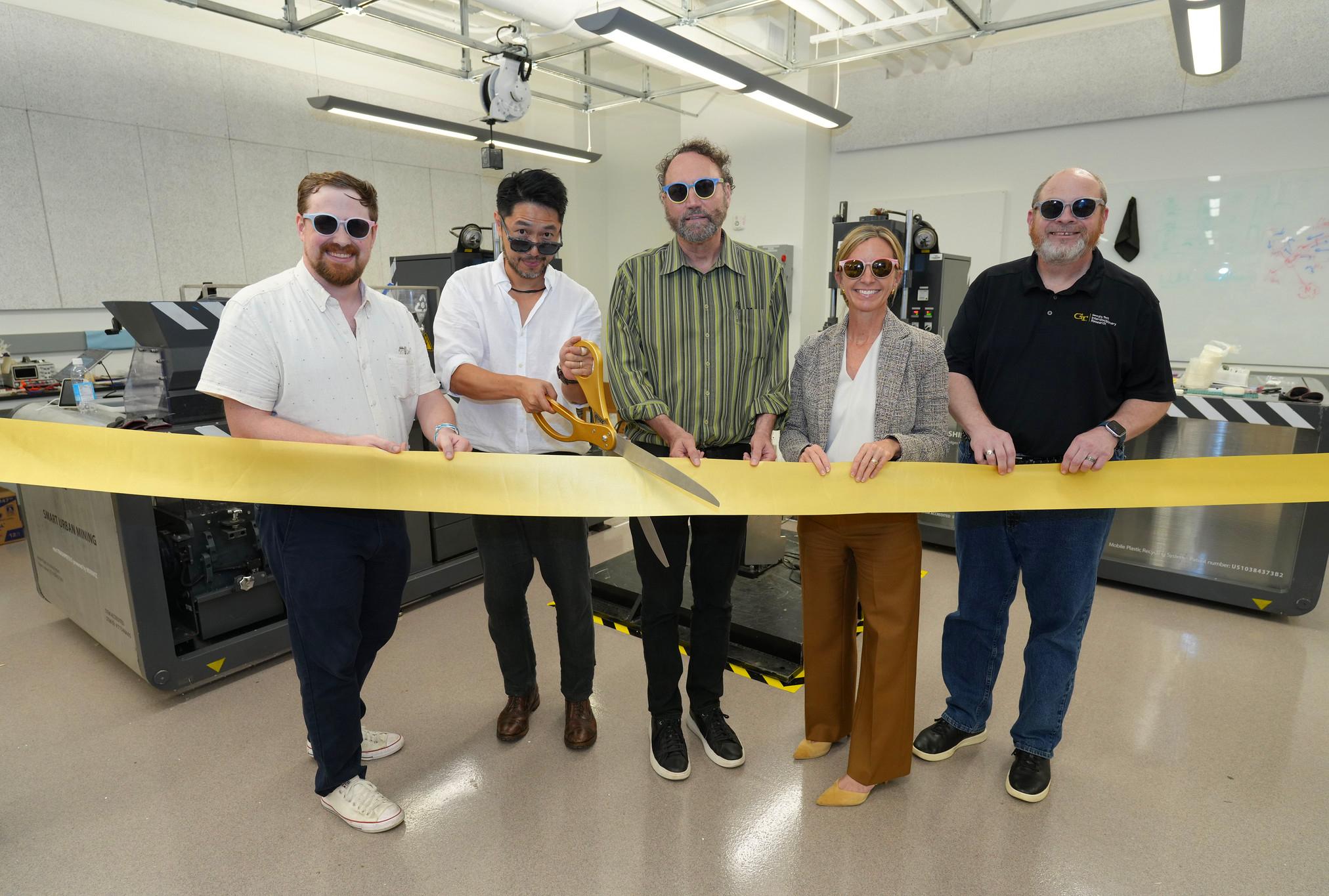
Celebrating the opening of Georgia Tech's Trash Lab - the newest makerspace on campus which is located in the basement of TSRB. Pictured left-to-right: Tim Trent, director of IPaT's Trash Lab; Arthur Huang, CEO of Miniwiz; Michael Best, executive director of IPaT; Jennifer Chirico, associate vice president of Sustainability; and Rob Kadel, executive director of research program administration.
New IPaT makerspace combines advanced recycling technology, hands-on learning, and sustainability innovation.
Beginning this fall, Georgia Tech students, faculty, and staff will have a new way to rethink waste. The Institute for People and Technology (IPaT) is opening the Trash Lab, a makerspace in Room S27 of the Technology Square Research Building dedicated to plastic recycling, upcycling, and circular-economy innovation.
At the heart of the new lab is the miniTrashpresso, a compact recycling and manufacturing system developed by the sustainability technology company Miniwiz. The machine can take used plastics and other waste materials, process them locally, and transform them into new products in less than five minutes. By bringing manufacturing and recycling together in a single system, the Trash Lab aims to give the Georgia Tech community a way to explore sustainable design, material reuse, and the future of circular manufacturing.
“The launch of IPaT’s new Trash Lab represents an exciting step forward for sustainability at Georgia Tech,” said Jennifer Chirico, associate vice president of Sustainability. “As a living-learning lab, it provides students and researchers with hands-on opportunities to work alongside campus operations, turning used plastics into valuable new products and creating innovative solutions that support a more circular campus.”
A Makerspace Focused on Circular Innovation
The Trash Lab expands Georgia Tech’s growing network of makerspaces and innovation environments by focusing specifically on waste recovery and reuse. Instead of treating used plastics as disposable materials, the lab encourages users to view them as valuable resources that can be transformed into new products.
The miniTrashpresso represents the latest generation of recycling technology developed by Miniwiz. The company originally launched the world’s first mobile recycling line, known as the Trashpresso, to support communities that lacked access to traditional recycling infrastructure. The newer miniTrashpresso is smaller, more energy-efficient, and more portable, making it suitable for campuses and community-based applications.
The modular system uses industrial equipment, including shredders, presses, and heating technologies, to process materials on-site. Advanced heat-induction presses and specialized molds can quickly transform recovered plastics into new objects and components. The system can also be integrated with AI-powered waste-tracking tools and robotic automation technologies that help identify, sort, and process materials more efficiently.
For IPaT leaders, the Trash Lab represents more than the addition of specialized equipment.
“Community resilience and people-centered sustainability are core research areas within IPaT,” said Michael Best, executive director. “Our new Trash Lab will allow the entire Georgia Tech community to not only think about upcycling and plastic reuse but to make and do innovative projects that directly demonstrate sustainable futures.”
Turning Trash Into a Resource
Miniwiz founder Arthur Huang, who developed the miniTrashpresso system, describes upcycling as a practice rooted in centuries of human ingenuity.
“Upcycling is actually recycling old material and turning that into something new,” Huang said.
Throughout history, societies have reused existing materials in construction, manufacturing, and everyday life. According to Huang, modern waste streams, particularly plastic packaging and electronic waste, represent an enormous and often untapped source of raw materials.
The miniTrashpresso was designed around that idea. Rather than transporting waste long distances to centralized facilities, the system enables materials to be processed where they are collected. By reducing transportation needs and creating opportunities for local manufacturing, decentralized recycling systems can help lower the environmental footprint associated with traditional waste management.
Miniwiz estimates that using recycled materials can reduce embedded energy consumption by 60% to 80% compared with using raw materials. The company has developed more than 1,200 upcycled materials and products from everyday waste streams, including plastics, food packaging, coffee cups, and electronic waste.
Since its introduction, Miniwiz technology has been deployed in communities, campuses, and organizations worldwide, including projects in Taiwan, Italy, Singapore, Sweden, Saudi Arabia, Thailand, the United Kingdom, and the United Arab Emirates. According to Huang, Georgia Tech is installing and operating North America’s first miniTrashpresso recycling machine from Miniwiz.
Building a Community Around Sustainability
The new facility is also intended to serve as a gathering place for interdisciplinary collaboration. Students interested in sustainability, materials science, engineering, design, manufacturing, and public policy will have opportunities to experiment with new ideas while working with researchers and campus partners.
“When Michael Best first pitched the idea of the Trash Lab, I expected there to be interest in a space like this given the general momentum toward sustainable practices on campus, but the level of excitement from students, staff, and faculty has been outstanding,” said Tim Trent, IPaT’s lab director for the Trash, Craft, Prototyping, and Usability Labs.
“This is an opportunity to create a gathering point for sustainability initiatives, act as a catalyst for partnerships, and help strengthen the many amazing networks and projects already present on campus,” he said. “The IPaT Innovation Labs have a continuous focus on supporting the overall Georgia Tech research enterprise, and I’m happy we are adding another piece to the portfolio.”
As the Trash Lab opens its doors, members of the Georgia Tech community will be invited to explore how waste materials can be reimagined as resources, prototypes, and products. By combining makerspace culture, advanced recycling technology, and sustainability research, the lab offers a tangible demonstration of how circular economy principles can move from theory into practice.
For Georgia Tech, the Trash Lab is not simply a place to recycle plastic. It is a space where innovation, design, and sustainability intersect, helping transform discarded materials into opportunities for learning, discovery, and impact.
---
For more information about the Trash Lab, contact the IPaT Innovation Labs at ipat-labs@groups.gatech.edu.
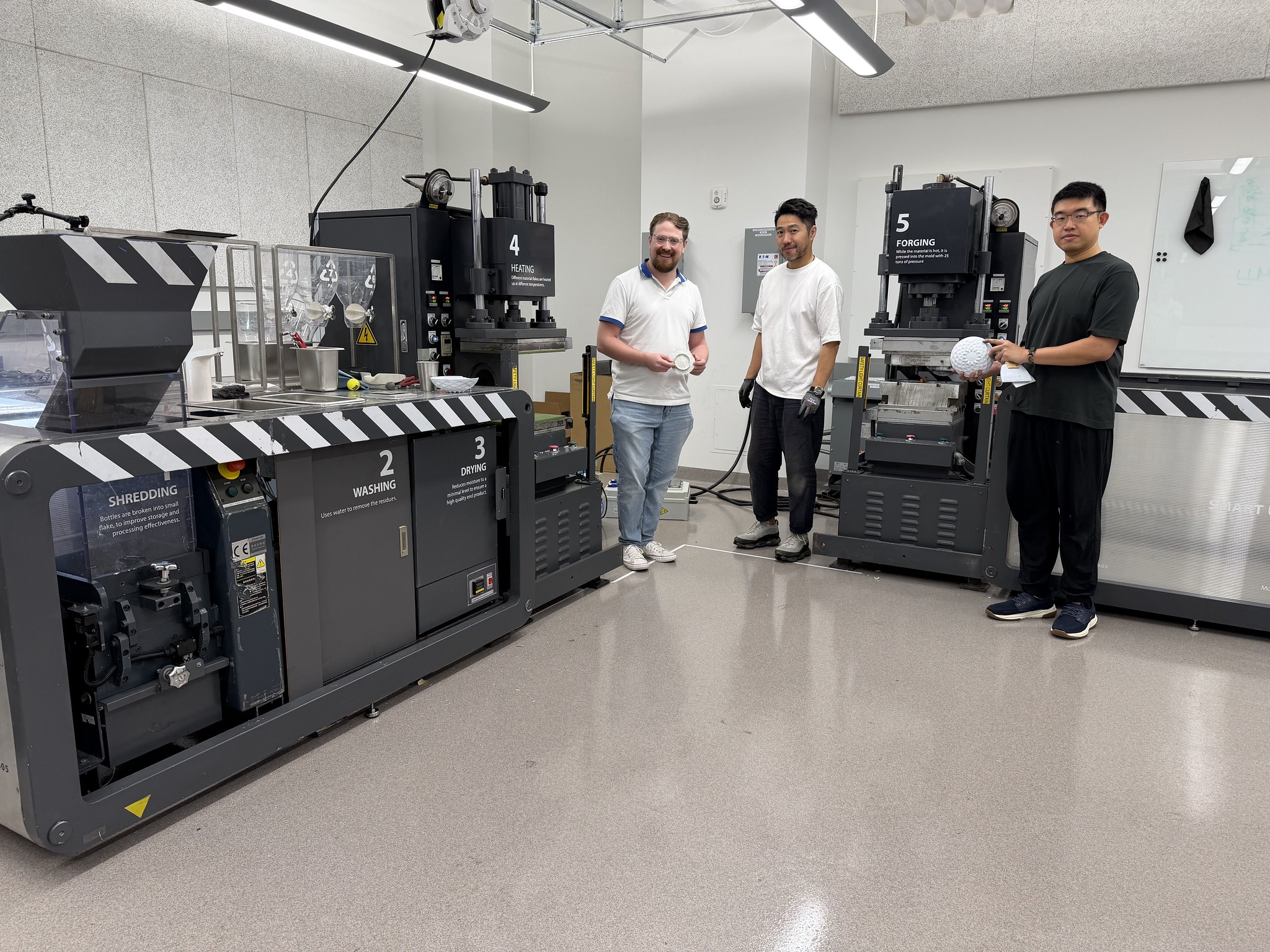
Pictured left to right: Tim Trent, IPaT’s lab director for the Trash Lab; Arthur Huang, CEO of Miniwiz; and Tai Liu, mechanical engineer with Miniwiz. In this picture, they are installing the miniTrashpresso system in the TSRB building and showing the test plastic bowl made using recycled plastic.
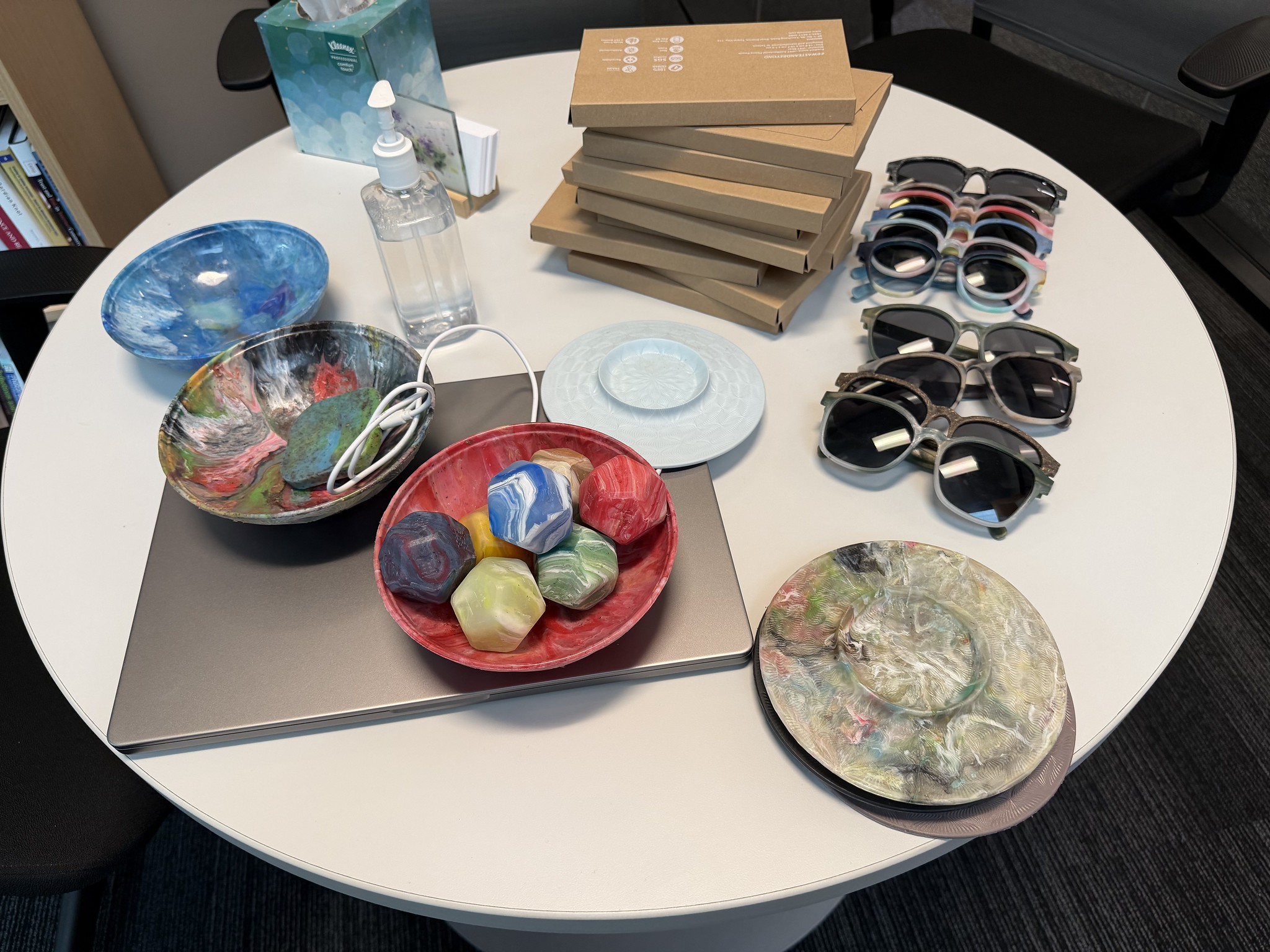
Recycled plastic items you can make using the Trash Lab.
Walter Rich
Research Communications Manager
Institute for People and Technology
Beyond Words: Building Shared Understanding through Bidirectional Human-Robot Communication
SPEAKER: Na Du, Assistant Professor, Department of Informatics and Networked Systems, University of Pittsburgh
Your Trash Is a National Asset. The Engineering Challenge Hiding in Every Waste Stream
SPEAKER: ARTHUR HUANG, CEO and Co-founder of MINIWIZ
Essie Knows Best
Aug 17, 2026 —
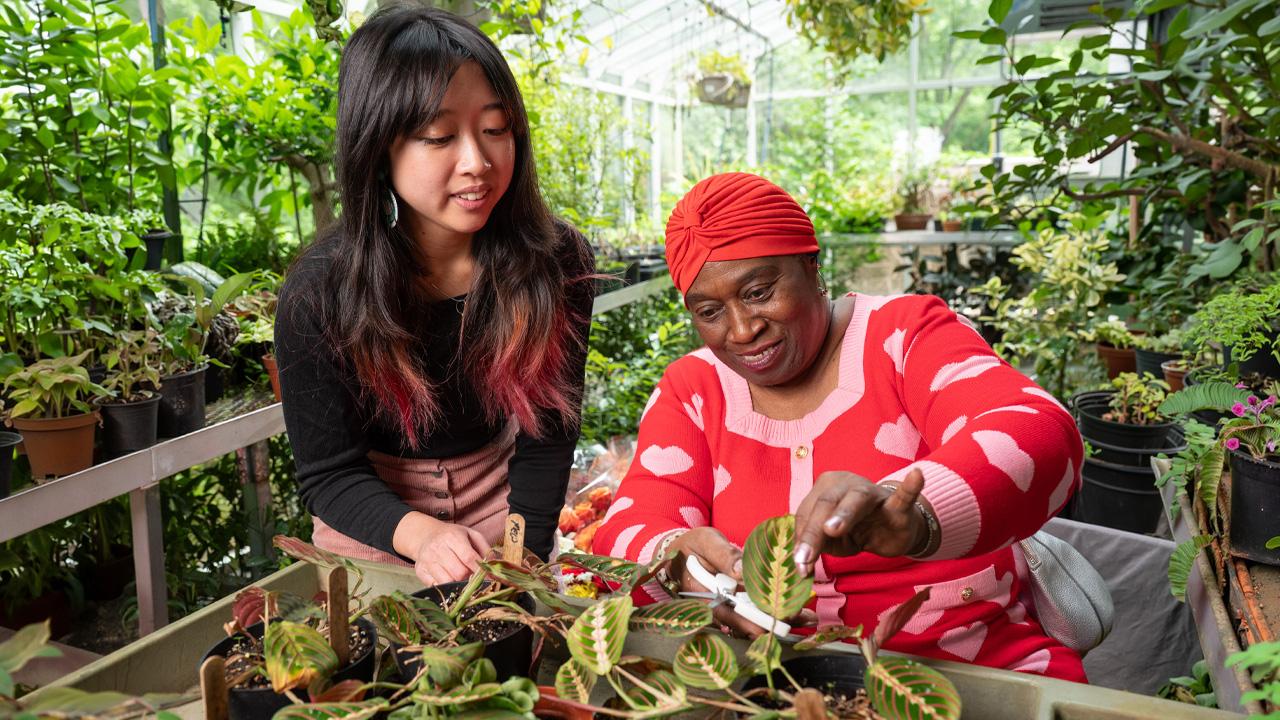
LEARNING FROM EXPERIENCE: Georgia Tech industrial design student Olivia Chan (left) works alongside A.G. Rhodes resident Essie Bailey-Demic during a horticultural therapy session. By observing and designing with residents rather than for them, students developed tools that help restore independence.
Georgia Tech industrial design students traveled to an Atlanta nursing home expecting to redesign gardening tools for older adults. Instead, they discovered that the residents themselves were their most important teachers. Working alongside horticultural therapy participants at A.G. Rhodes, the students observed how aging changes the way people interact with everyday objects and learned that good design begins with listening, not assumptions. Together, they developed practical solutions that restored small but meaningful moments of independence, proving that the people living with a problem are indispensable partners in solving it.
Trash Lab Grand Opening
The Institute for People and Technology (IPaT) is proud to announce the opening of our Trash Lab, a new innovation space linking hands-on making with campus sustainability. Open to the entire Georgia Tech community, IPaT will be hosting Miniwiz’s renowned CEO, Arthur Huang, for a public lecture on upcycling, followed by an open house demo of our newly installed Trashpresso plastic recycling system.
Faculty interested in scheduling tours/demos for classes may contact Tim Trent for openings from 8/31 - 9/2.
The Neuro Revolution Is Dawning. Are We Ready?
Jul 22, 2026 —
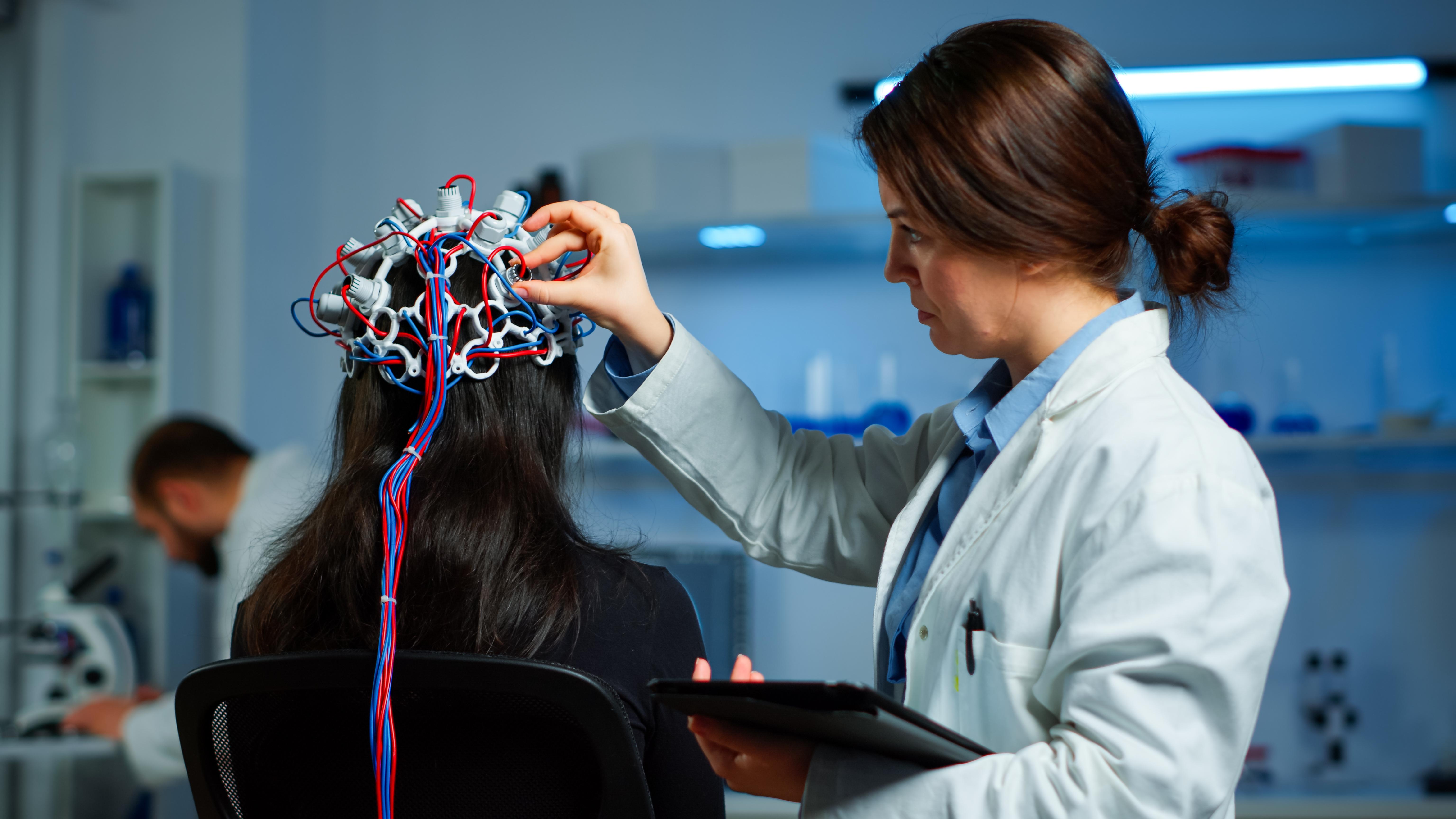
As neuroscience and neurotechnology accelerate, Georgia Tech researchers are examining what a neuro-connected future could mean for society and for humanity itself.
As neuroscience and neurotechnology accelerate, possibilities once confined to science fiction are moving closer to reality. Georgia Tech researchers are examining what these advances mean for autonomy, privacy, ethics, health, creativity, and human flourishing in a neuro-connected future.
Hot Enough For Ya? Georgia Tech Has an App for That, and It’s More Useful Than You Might Think
Jul 09, 2026 —
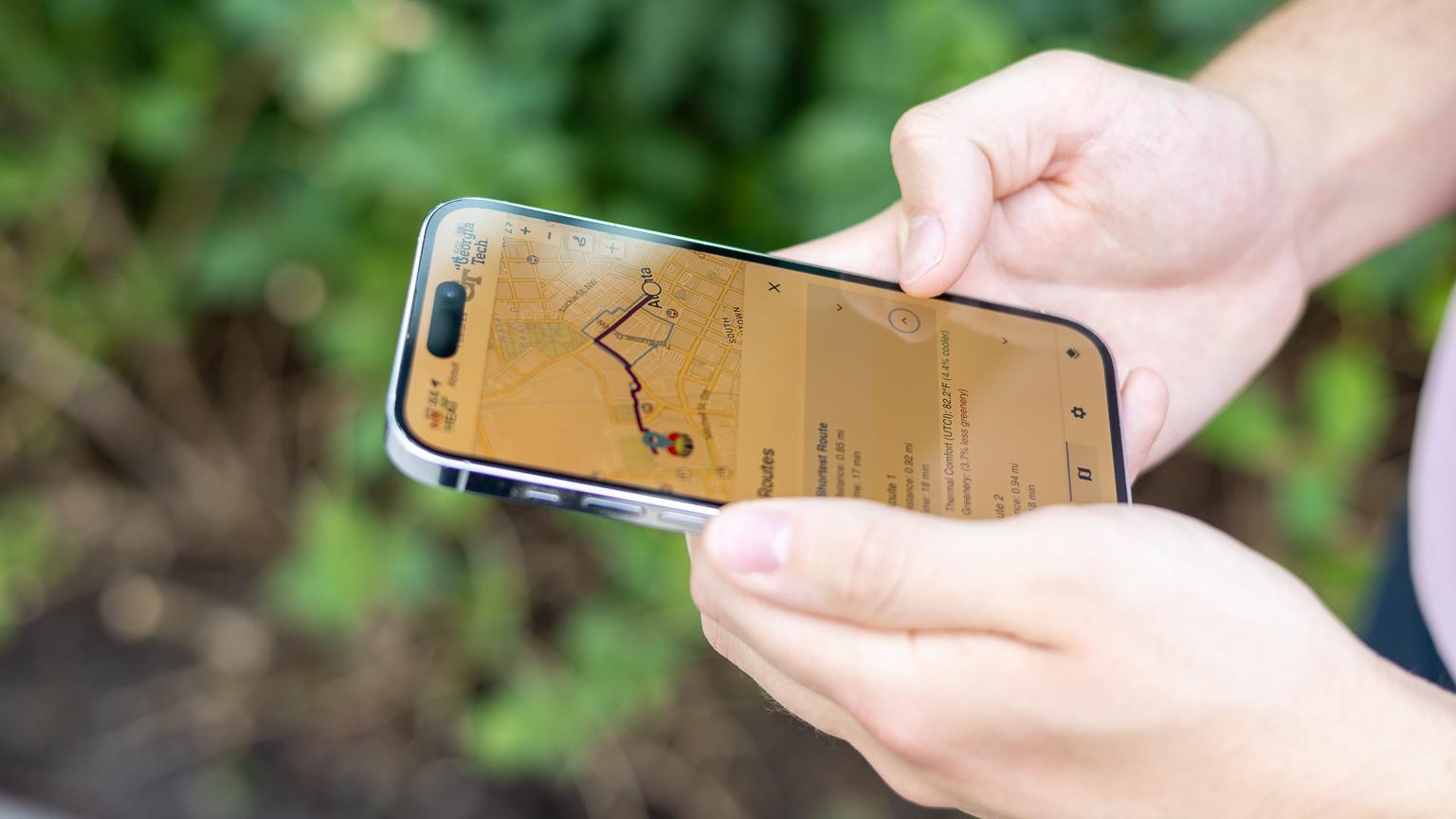
Cool Routes App. Photo: Wes McRae/College of Design
“They say Atlanta is the city in a forest,” Clayton Patterson, Georgia Tech’s operations manager for horticulture, said, “but there’s a lot of asphalt here, a lot of concrete, and it gets really hot around it. This place turns into an oven, real quick.”
School of City and Regional Planning Assistant Professor Rounaq Basu knows it, too. So he and his students (supported by the Center for Urban Resilience and Analytics) created the Cool Routes app to help people in Atlanta find the most shaded — and most importantly, the coolest — paths if they have to walk or bike outside.
Describing Atlanta’s latest heatwave, “This is great for research, but not so great for residents,” Basu said. “I like to walk and bike everywhere, and it’s too hot. I need to know where the shaded paths are!”
The Cool Routes app currently covers 10 cities in the U.S., including Atlanta. Users choose a city from a dropdown menu, provide a trip start and destination, tell the app whether they’re walking or biking, and select route preferences. The app then generates up to three routes to the user’s destination, allowing them to compare how much cooler one route is from another. Further refinement of routes is offered after that.
Georgia’s First Superfund Research Center to Study Hazardous Industrial Pollution, Remediation
Jul 06, 2026 —
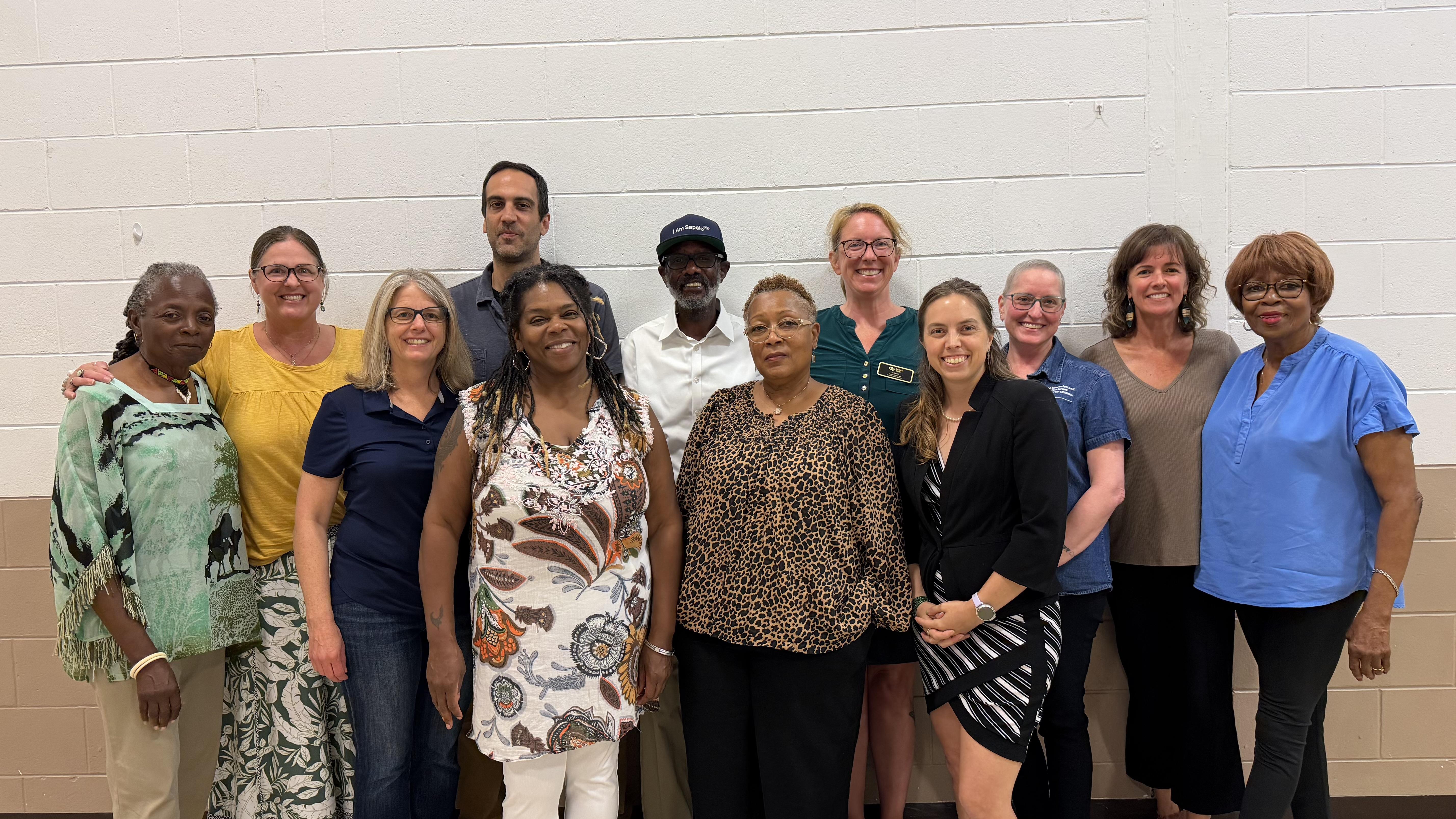
A coalition of scientists from six universities and community partners has received a National Institute of Environmental Health Sciences (NIEHS) grant to establish Georgia’s first Superfund Research Center. The center will study the health effects and potential remediation of harmful contaminants in Glynn County, a Georgia coastal community with a long history of industrial pollution.
Superfund sites are highly contaminated areas designated by the U.S. Environmental Protection Agency (EPA) for hazardous waste cleanup. Superfund Research Centers are coordinated research programs — not physical buildings — designed to address complex environmental health problems, reduce exposure to contaminants, and improve public health. Fewer than 24 exist nationwide.
A Community Asking Questions for Decades
For generations, residents of the city of Brunswick and Glynn County have lived near former industrial facilities that produced or used chemicals such as toxaphene, PCBs, and mercury. Many have long suspected that these contaminants were affecting their health, yet lacked scientific evidence to validate their concerns.
That began to change in 2023, when Emory University researchers launched the Glynn County human exposure study at the invitation of residents. The study found elevated levels of legacy pollutants in the blood of many participants, confirming what community members had feared.
“I want more neighbors to have the opportunity to be tested and to learn about the project,” said resident Semona Holmes. “Because now more folks are saying, ‘I want to be tested.’”
Others on the coast echoed the need for continued investigation. “Exposure isn’t always uniform,” said Brunswick resident Michael Staley. “Some residents may have higher levels depending on their proximity, diet, or occupation. I hope this gives our neighbors a clearer understanding of how our communities are affected, because often regular people feel uncertain and overlooked.”
Residents have repeatedly asked for more testing, more transparency, and more opportunities to understand what is in their soil, water, and bodies. “I would like to see an expansion of the exposure study because the soil needs to be tested,” said Larry Owens, who lives near the Hercules-Pinova site, a former chemical plant that closed in 2023.
Another resident, John Freeman, emphasized the need for broad participation. “They need to make sure everybody in our neighborhood knows they are going to be doing research so that everybody will have the chance to come out and get tested and see what’s in their bodies.”
Building on Community Momentum
The new Superfund Research Center will expand this work significantly. Led by Emory University in collaboration with the Georgia Institute of Technology, the University of Georgia, Morehouse School of Medicine, Spelman College, and Texas Tech University, the center will focus on five major research areas:
- Human health research — evaluating links between chemical exposures and metabolic diseases.
- Toxicity testing — assessing how contaminants harm health.
- Environmental sampling — identifying soil, water, and other exposure pathways.
- Extreme weather modeling — studying how storms and flooding move hazardous chemicals.
- Remediation research — evaluating low‑impact cleanup strategies suitable for sensitive coastal ecosystems.
“By combining cutting-edge exposure science and health research with direct community partnerships, the center will translate complex environmental data into practical information that supports healthier decisions for families, clinicians, and policymakers,” says Dana Barr, professor of environmental health at Emory University and director of the Superfund Research Center.
Barr credited community leadership for the center's existence. “This project is a direct consequence of community support in many forms. We would not be here without your efforts, and we know what that means: We must keep community voices at the forefront of our work, and we need to deliver.”
Community Voices at the Heart of the Work
Residents say the exposure study empowered them to speak up and demand answers.
“After I learned my numbers showed contamination, I started coming to the community meetings,” said Jocelyn Farmer, a fenceline resident. “I wanted to learn more about the study and about my neighborhood.”
Another resident, Eugene Smiley, said that “everyone who lives in this neighborhood should have their blood tested. Yes, I think they should come back and give people a chance to get tested so that we all are aware of what chemicals are in our bodies.”
For many in this coastal Georgia area, the new center represents long-awaited recognition.
“We’ve been living here a long time, and we’ve been exposed to it,” said Victoria Mackey. “If this study had not happened, we would not have known. Now we have chemical awareness. There are generations that have been exposed to these chemicals. The expanded exposure study is needed.”
Community partners also see the center as a turning point.
The research involves working with Healthy Coastal Neighborhoods, a community-driven coalition working at the intersection of environmental quality and public health in Glynn County, Georgia. The coalition brings together community groups, researchers, and residents to address the toxic legacy that has affected coastal Georgia communities for decades. The coalition issued a local news release announcing the new research center on June 10.
“We are honored and truly humbled to be partners in this project,” said Jill Gambill, executive director of the CEAR Hub and senior research associate for the Institute for People and Technology at Georgia Tech-Savannah. “The residents of Glynn County have been asking hard questions about their health and environment for a long time. This center is our opportunity to put Georgia Tech's resources and expertise to work directly for the community.”
Investing in Education, Engagement, and Local Capacity
Funded at approximately $15 million over five years, the center will also support:
- Community engagement programs.
- Youth educational outreach.
- Improvements to the Healthy Coastal Neighborhoods’ Seafood Smart website.
- A community advisory group.
- Training for local healthcare providers.
“The issue of industrial contamination is inherently complex, and this Superfund Research Center offers a rare opportunity to address it from multiple angles,” says Noah Scovronick, deputy director of the center. “Just as important, the center supports community-led efforts to raise awareness and reduce exposures.”
A Model for the Nation
Although the center’s work is focused on Glynn County, its findings will have national relevance. Communities across the country face similar challenges with legacy pollutants, and the center’s research aims to provide actionable insights for reducing exposure and improving public health.
“Even after production stops, these chemicals can continue entering people’s bodies through lingering exposure pathways,” says Melanie Pearson, associate professor in the Rollins School of Public Health at Emory University. “Understanding how that happens is essential to reducing risk. Partnering with affected residents strengthens the science and ensures it leads to meaningful, real-world benefits.”
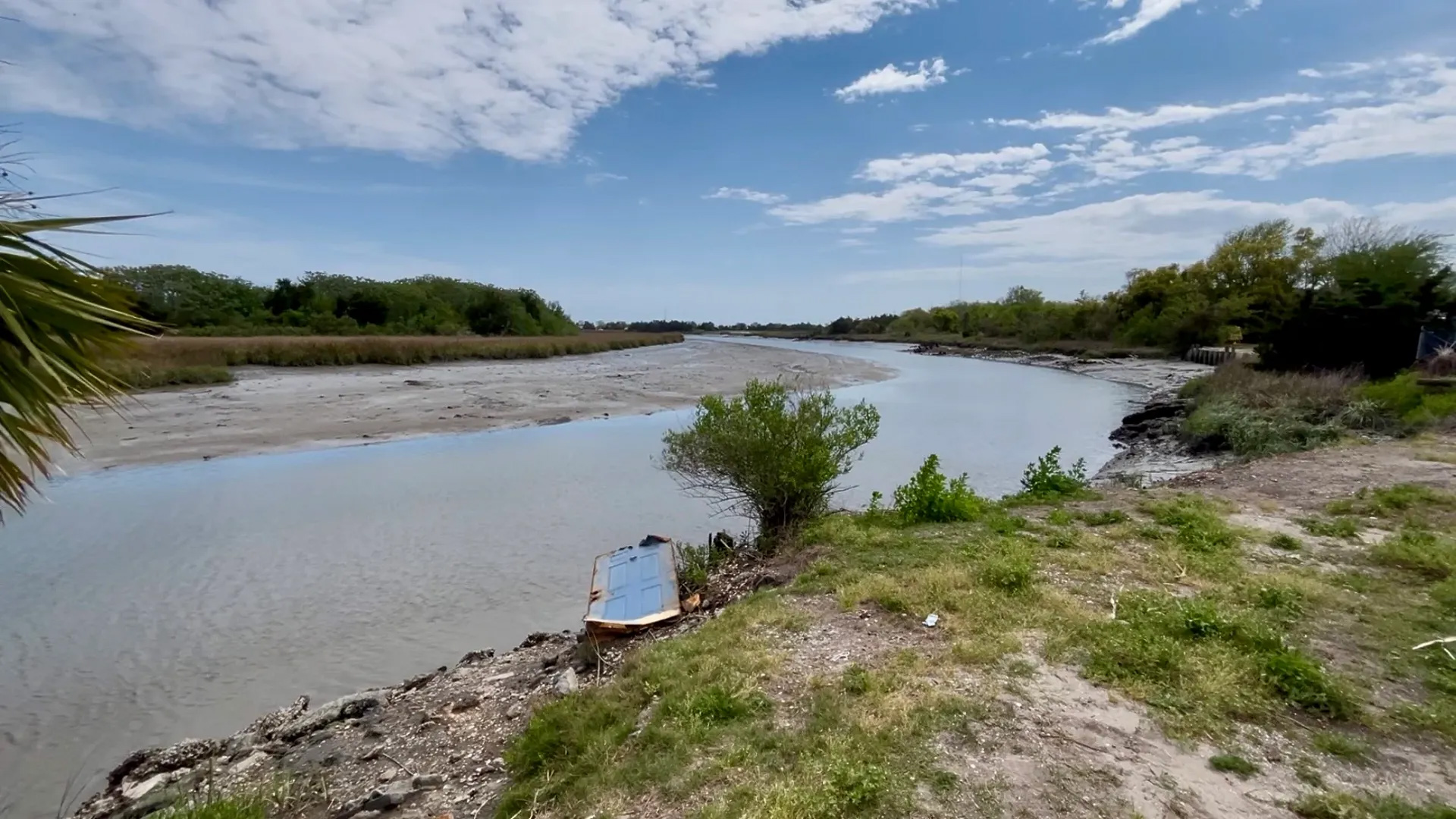
Georgia's first Superfund Research Center will address the human and environmental effects of heavily polluted sites located in coastal areas, including this one, in Glynn County, Georgia. (Emory photo by Rob Spahr)