
Meet the Microbes: What a Warming Wetland Reveals About Earth’s Carbon Future
Sep 16, 2025 —
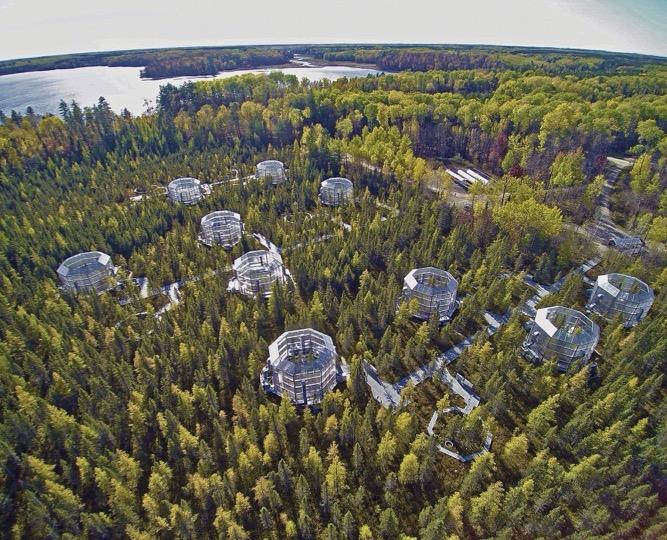
An arial photo of the SPRUCE experiment.
Between a third and half of all soil carbon on Earth is stored in peatlands, says Tom and Marie Patton Distinguished Professor Joel Kostka. These wetlands — formed from layers and layers of decaying plant matter — span from the Arctic to the tropics, supporting biodiversity and regulating global climate.
“Peatlands are essential carbon stores, but as temperatures warm, this carbon is in danger of being released as carbon dioxide and methane,” says Kostka, who is also the associate chair for Research in the School of Biological Sciences and the director of Georgia Tech for Georgia’s Tomorrow. Understanding the ratio of carbon dioxide to methane is critical, he adds, because while both are greenhouse gasses, methane is significantly more potent.
Kostka is the corresponding author of a new study unearthing how and why peatlands are producing carbon dioxide and methane.
The research, “Northern peatland microbial communities exhibit resistance to warming and acquire electron acceptors from soil organic matter,” was published this summer in Nature Communications, and was led by co-first authors Borja Aldeguer-Riquelme, a postdoctoral research associate in the Environmental Microbial Genomics Laboratory, and Katherine Duchesneau, a Ph.D. student in the School of Biological Sciences.
The study builds on a decade of research at the Oak Ridge National Lab’s Spruce and Peatland Responses Under Changing Environments (SPRUCE) experiment, a long-term research project in Minnesota that allows researchers to warm whole sections of wetland from tree top to bog bottom.
“Over the past 10 years, we’ve shown that warming in this large-scale climate experiment increases greenhouse gas production,” Kostka says. “But while warming makes the bog produce more methane, we still observe a lot more CO2 production than methane. In this paper, we take a critical step towards discovering why — and describing the mechanisms that determine which gases are released and in what amounts.”
Methane mystery
The subdued methane production in peatlands has been a long-standing mystery. In water-saturated wetlands, oxygen is scarce, but microbes still need to respire — a type of ‘breathing’ that allows them to produce energy for metabolic function. Without oxygen, microbes use nitrate, sulfate, or metals to respire — still releasing carbon dioxide in the process. However, if these ingredients aren’t present, microbes ‘breathe’ in a way that releases methane.
Since nitrate, sulfate, and metals are relatively rare in peatlands, methane production should be the most likely pathway, but surprisingly, observations show the opposite. “In both fieldwork and lab experiments, peatlands produce much more carbon dioxide than methane,” Kostka explains. “It’s puzzling because the soil conditions should help methane production dominate.”
To solve this mystery, the team leveraged a suite of cutting-edge genetic tools called “omics” — metagenomics (studying DNA), metatranscriptomics (studying RNA), and metabolomics (a technique used to study the “leftovers” of metabolism), providing a detailed look under the hood of the microbial “engine” that cycles organic matter in wetlands. It also gave a new window into the diversity of soil microbes in wetlands: 80 percent of the organisms identified in the study were new at the genus level.
‘Omics’ innovations
Over the course of several years, the team collected samples from a peatland enclosed in an experimental chamber that was slowly warmed, then analyzed the samples using omics to see how they changed. Initially, they hypothesized that warming the soil would cause microbial communities to change quickly. “Microbes can evolve and grow rapidly,” Kostka says. “But that didn’t happen.”
The DNA-based methods showed that while the microbial communities stayed largely stable, the bog did release more greenhouse gasses as it warmed. To assess the metabolic potential of the microbes, Duchesneau and Aldeguer-Riquelme constructed microbial genomes, investigating how they were decomposing the organic matter in peatlands and cycling carbon.
“We found that microbial activity increases with warming, but the growth response of microbial communities lags behind these changes in physiological or metabolic activity,” Kostka says. He cautions that this doesn’t necessarily mean that wetland communities won’t change as climates warm — just that these shifts might come behind metabolic ones.
A diversity of discoveries
And the methane? The team believes that microbes may be breaking down organic matter to access the key ingredients for producing carbon dioxide — nitrate, sulfate, and metals — though more research is currently underway to investigate this.
“Doing this type of integrated omics research in soil systems is still incredibly difficult,” Kostka says. The challenge is multifaceted: the research leverages years of experiments, long-term datasets, advanced laboratory techniques, and fieldwork innovations.
At SPRUCE, experimental chambers are about 1,000 square feet. While it’s an impressive experimental setup, researchers still must be careful: “We need to take soil samples for many years, so if we take too many, there’d be no soil left!” Kostka explains. “Part of our research involves developing better, non-destructive sampling techniques.”
The other challenge lies in what makes these peatlands so unique: it’s very hard to detect small changes because of the sheer diversity of organisms present. “Every time we conduct this type of research, we learn more about these incredible systems,” he says. “There’s always something new.”
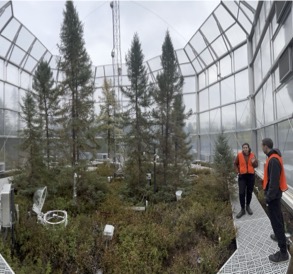
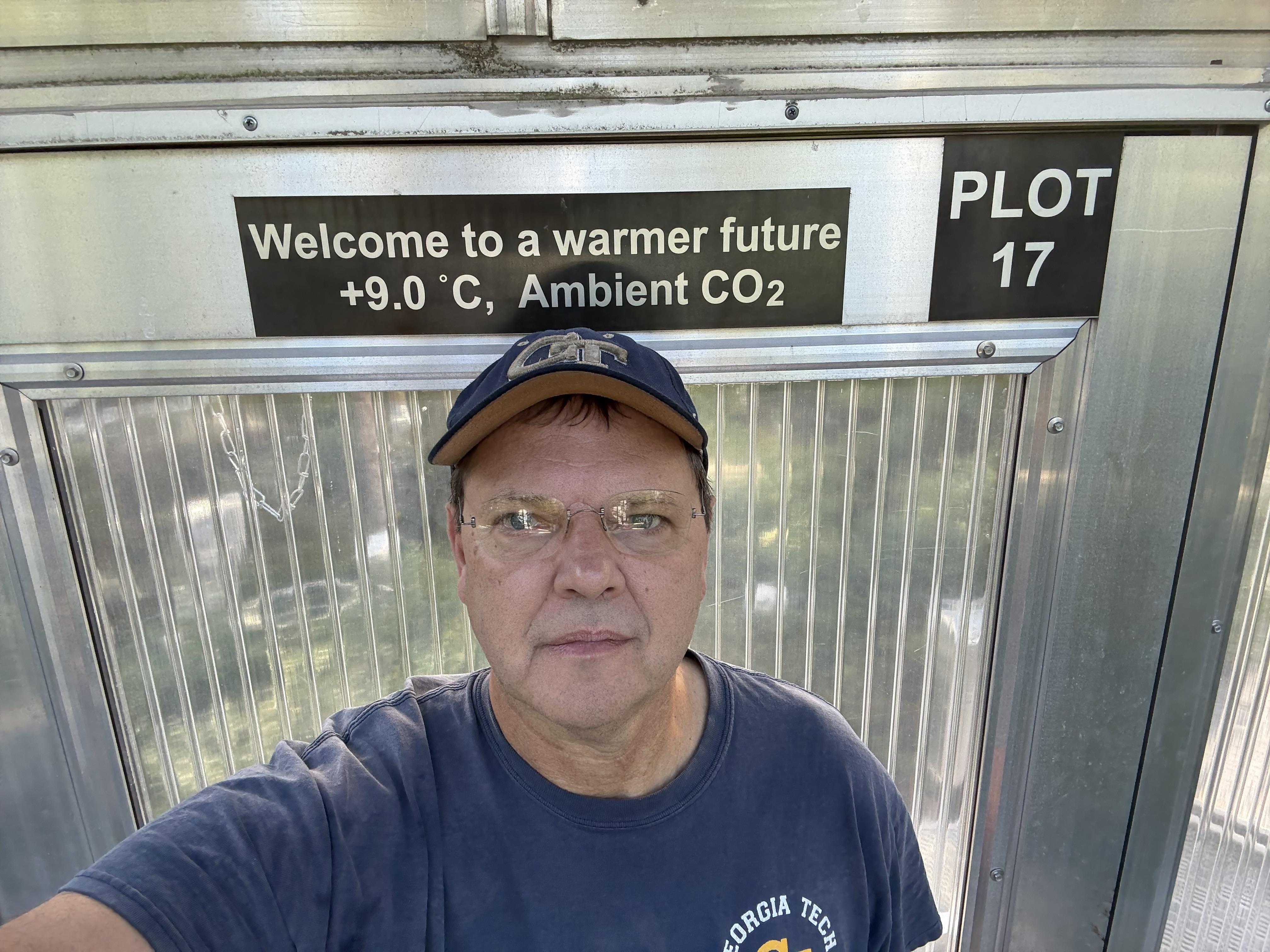
Postdoctoral Researchers Caitlin Petro and Borja Aldeguer-Riquelme inside a SPRUCE chamber in 2023.
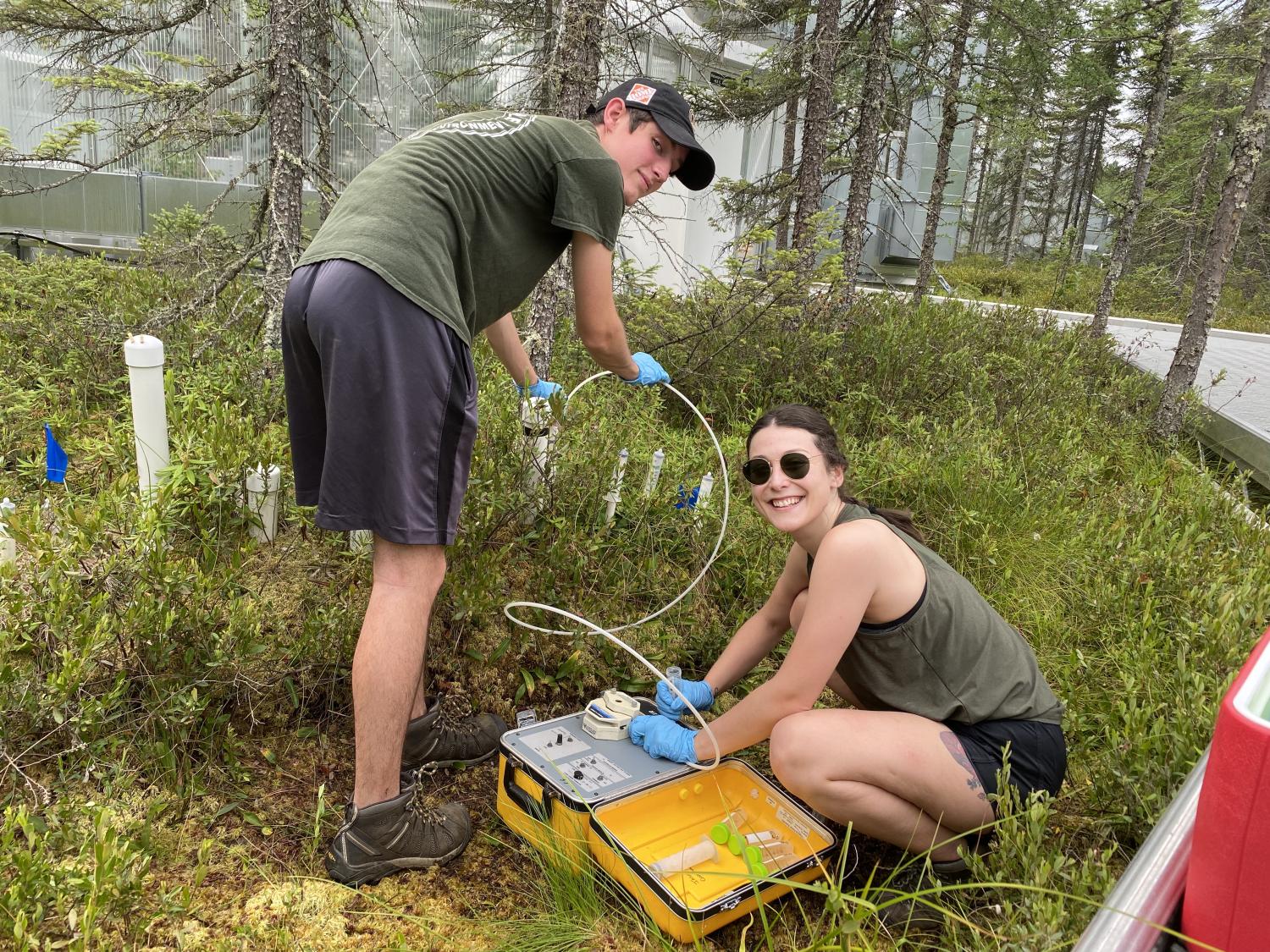
Ph.D. student Katherine Duchesneau sampling porewater inside an experimental SPRUCE chamber.
Postdoctoral Researcher Caitlin Petro, PhD student Katherine Duchesneau, and undergraduate student Sekou Noble-Kuchera in a SPRUCE chamber.
Written by Selena Langner
Third Cohort of the Energy Faculty Fellow Program Attracts Multidisciplinary Researchers
Sep 16, 2025 — Atlanta, GA
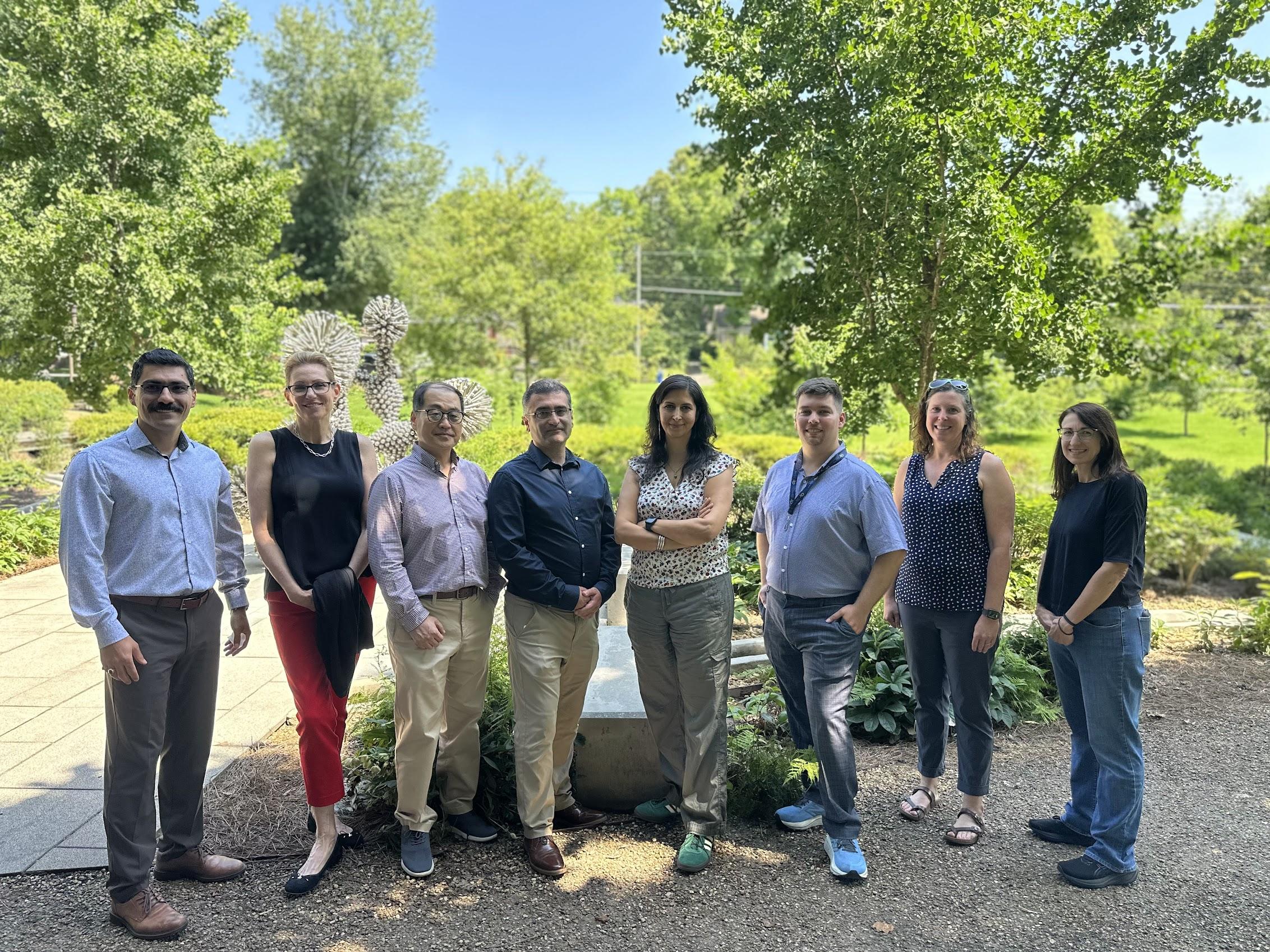
2025 SEI External Faculty Fellows with their Georgia Tech Hosts. From Left to Right: Jamal Mamkhezri, Laura Taylor, Jin-Yeon Kim, Hossein Taheri, Nazanin Bassiri-Gharb, Cody Gonzalez, Erin Ratcliff, Judy Jenkins
The Strategic Energy Institute (SEI) at Georgia Tech concluded its third cohort of Energy Faculty Fellows in August, welcoming a diverse group of researchers for a 10-week summer fellowship. The program is designed to advance energy innovation and collaboration by supporting cross-institutional partnerships and facilitating dialogue on regional, national, and global energy priorities.
The program intends to build research partnerships between Georgia Tech and other academic institutions — specifically, emerging research institutions including R2 universities, minority-serving institutions, historically Black colleges and universities, and primarily undergraduate institutions.
“The Energy Faculty Fellows program is a key part of our five-year strategy to expand collaboration and strengthen workforce development in energy research,” said Christine Conwell, SEI’s interim executive director. “The cross-institutional collaborations foster broader engagement across the energy sector and help connect diverse research communities to meet the demands of the evolving energy landscape.”
During the fellowship, participants engage in joint research with their Georgia Tech hosts and their research teams, gaining hands-on experience and insights. These experiences not only enrich their immediate projects but also contribute to strengthening research systems at their home institutions.
The program continues to advance workforce development in the energy sector by involving undergraduate researchers in its core activities. Students work closely with fellows on applied research, enabling them to explore potential career paths and evaluate their interest in contributing to the future of energy innovation.
Here is the 2025 cohort of SEI’s Energy Faculty Fellows, in their own words.
Fellow: Jamal Mamkhezri, Associate Professor of Economics, New Mexico State University
Host: Laura Taylor, Professor, School of Economics, and Director, Energy Policy and Innovation Center, Georgia Tech
 Jamal Mamkhezri, 2025 SEI Energy Faculty Fellow presents his research work from the 10-week program.
Over the past 10 weeks, I have worked closely with my host, Laura Taylor, and a talented group of students on projects that spanned a wide range of energy topics — from peer-to-peer energy trading and battery storage in wholesale markets to the impacts of energy prices on retail spending, EV charging infrastructure, electricity outages and crime, and the potential of small modular reactors. My own research during this period focused on two key areas: analyzing the impact of data center expansion on wholesale electricity prices and evaluating how utility-scale solar projects influence property and farmland values across the Southeast.
The biggest takeaway from this experience has been the power of interdisciplinary collaboration, combining economics, policy, and engineering perspectives with students and faculty. It sparked richer questions and solutions than what I would have developed on my own.
To my peers back home: Embrace cross-disciplinary hubs like SEI to elevate your research and connections.
********
Fellow: Judy Jenkins, Professor of Chemistry, Eastern Kentucky University
Host: Erin Ratcliff, Professor, School of Chemistry and Biochemistry, School of Materials Science and Engineering, Georgia Tech

Judy Jenkins, 2025 SEI Energy Faculty Fellow presents her research work from the 10-week program.
I started the fellowship with two goals — to collaborate with Erin Ratcliff and her group while at Georgia Tech, and to build the foundation for continued collaboration after I return to Eastern Kentucky University. These goals have been realized, and so much more. The Ratcliff group and the whole SEI team welcomed me into the Georgia Tech energy community and supported this partnership every step of the way.
I particularly enjoyed getting to work alongside graduate students and postdocs in the Ratcliff group. While they were much more familiar with the chemical system of interest, I had more experience in some of the techniques. Together we made a great team! Getting to spend 10 weeks with them helped me move from general ideas for collaboration to a much more specific and nuanced understanding of the ways we can work together going forward.
Outside of the lab, I appreciated the way the SEI team introduced us to their initiatives more broadly. I have a much better understanding of the scope of the Institute and the ways different people are working together.
********
Fellow: Cody Gonzalez, Assistant Professor of Mechanical Engineering, University of Texas at San Antonio
Hosts: Nazanin Bassiri-Gharb, Harris Saunders Jr. Chair and Professor, George W. Woodruff School of Mechanical Engineering; and Hailong Chen, Associate Professor, George W. Woodruff School of Mechanical Engineering, Georgia Tech
Undergraduate Student: Rebecca Lima, University of Texas at San Antonio

Cody Gonzalez, 2025 SEI Energy Faculty Fellow presents his research work from the 10-week program.
During my fellowship, I collaborated with Nazanin Bassiri-Gharb and Hailong Chen on two research fronts: lead zirconate antiferroelectrics and stress-potential coupling in solid-state batteries.
Rebecca Lima, an undergraduate student from my university, was able to join the research through the SURE program and was able to achieve highly oriented lead zirconate films with promising applications in energy storage and actuation, with help from Nazanin’s Ph.D. student, Milan Haddad.
In Chen’s lab, alongside postdoctoral researcher Zhantao Liu, we advanced solid-state cell characterization for improved capacity and self-sensing. Lima also led a battery coating workshop as a knowledge exchange between Georgia Tech and UTSA.
During the 10 weeks, I also began discussions with Tequila Harris on studying how manufacturing methods affect battery anode coatings, with plans to use her pilot-scale, roll-to-roll facility for future testing and collaboration.
Working in the Advanced Research Institute (ARI) in The Kendeda Building with Shannon Yee provided critical support and equipment for electrochemical cell characterization. Through networking within Kendeda, I also got an opportunity to participate in weekly brainstorming sessions on topics like clean water and robotics.
Looking ahead, I plan to integrate Bassiri-Gharb’s expertise in antiferroelectric synthesis and piezo force microscopy with my background in electrochemical cell fabrication to pursue electrochemical strain microscopy. This will enable direct strain measurement from ionic currents, advancing high-capacity batteries and ultra-dense electrochemical actuators for precision applications like telescope mirror alignment.
I'm grateful to my colleagues at UTSA for encouraging me to apply and sharing their positive experiences at Georgia Tech. My time here has been incredibly rewarding — working alongside outstanding collaborators has strengthened my research and expanded both my network and ideas. The Energy Faculty Fellows program has already led to new proposals and co-authored papers, and I’ve encouraged others to apply. Collaborating across disciplines — from materials science and electrochemistry to advanced manufacturing — has opened up exciting opportunities to tackle real-world challenges in energy and beyond.
********
Fellow: Hossein Taheri, Associate Professor of Manufacturing Engineering, Georgia Southern University.
Host: Jin-Yeon Kim, Senior Research Scientist, Georgia Tech Research Institute
 Hossein Taheri, 2025 SEI Energy Faculty Fellow presents his research work from the 10-week program.
Over the past 10 weeks, I collaborated with my Georgia Tech host Jin Yeon Kim on two key research projects. The first evaluated advanced nondestructive testing (NDT) methods — like PAUT and MCT — for assessing quality in metal additive manufacturing. The second explored acoustic-based NDT techniques to assess the operational health of lithium-ion batteries, particularly in electric vehicle applications. As demand for battery-powered technologies grows, ensuring safe and reliable operation through in-situ monitoring is critical. These efforts have laid a strong foundation for future proposals and joint publications.
The biggest takeaway has been the value of cross-institutional collaboration in advancing interdisciplinary research. Working with researchers at Georgia Tech deepened my technical expertise and showed how partnerships can accelerate innovation.
To my peers at Georgia Southern: Seek out collaborations beyond your institution. They can lead to new ideas, stronger research impact, and more opportunities for funding, publication, and student development. Collaboration is not only beneficial but is essential for addressing today’s engineering challenges.
********
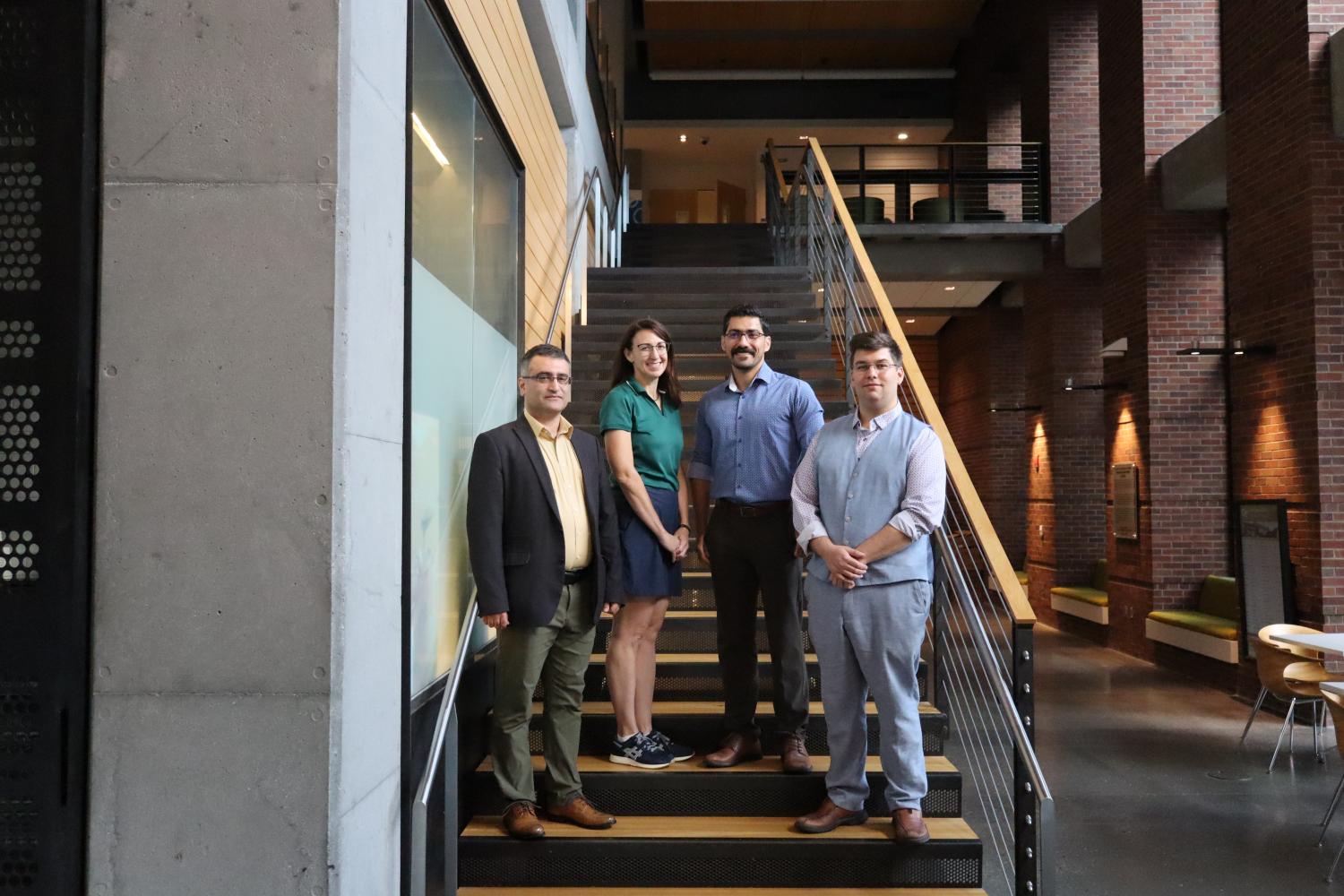
2025 SEI External Faculty Fellows: Hossein Taheri, Judy Jenkins, Jamal Mamkhezri, Cody Gonzalez
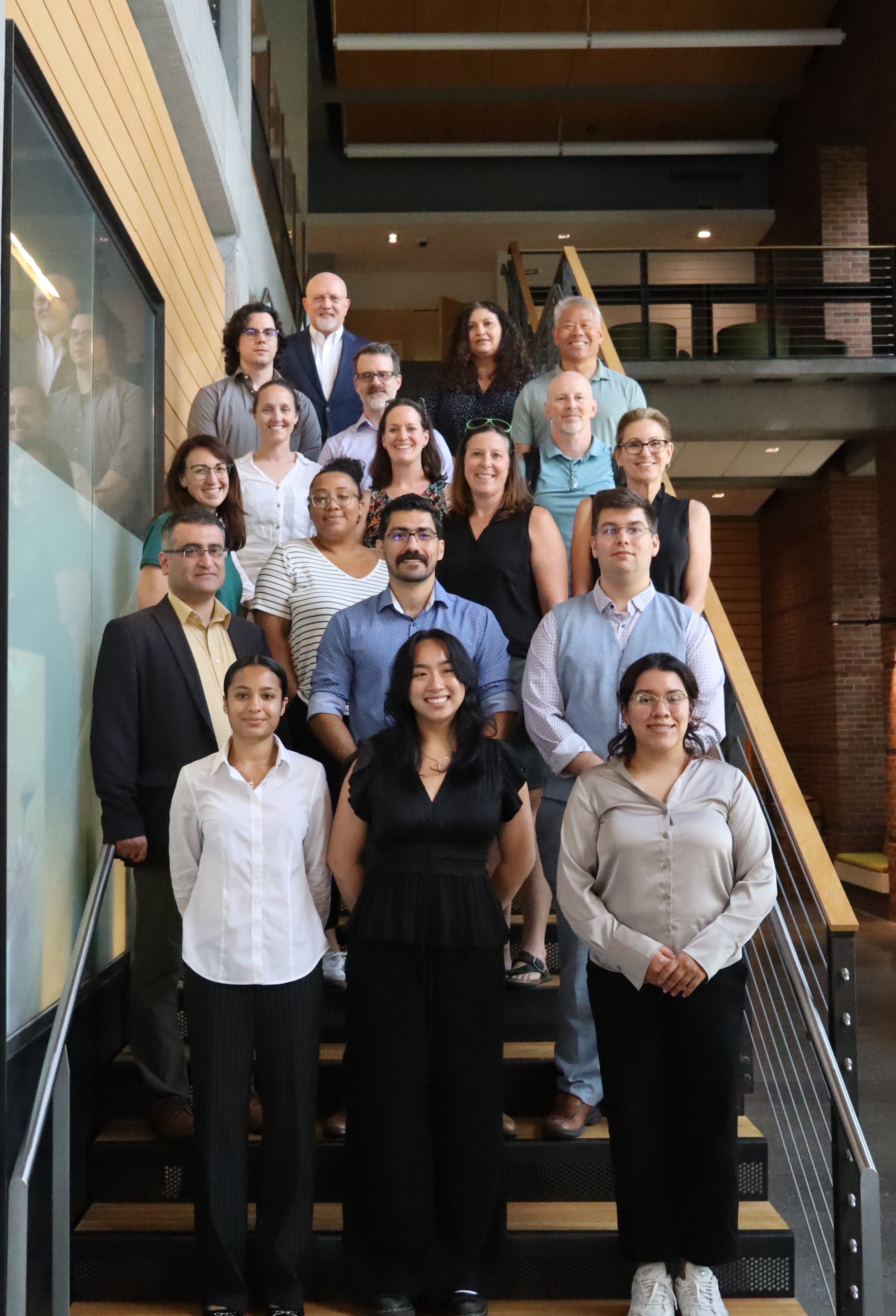
2025 SEI External Faculty Fellows and Students with the SEI Team
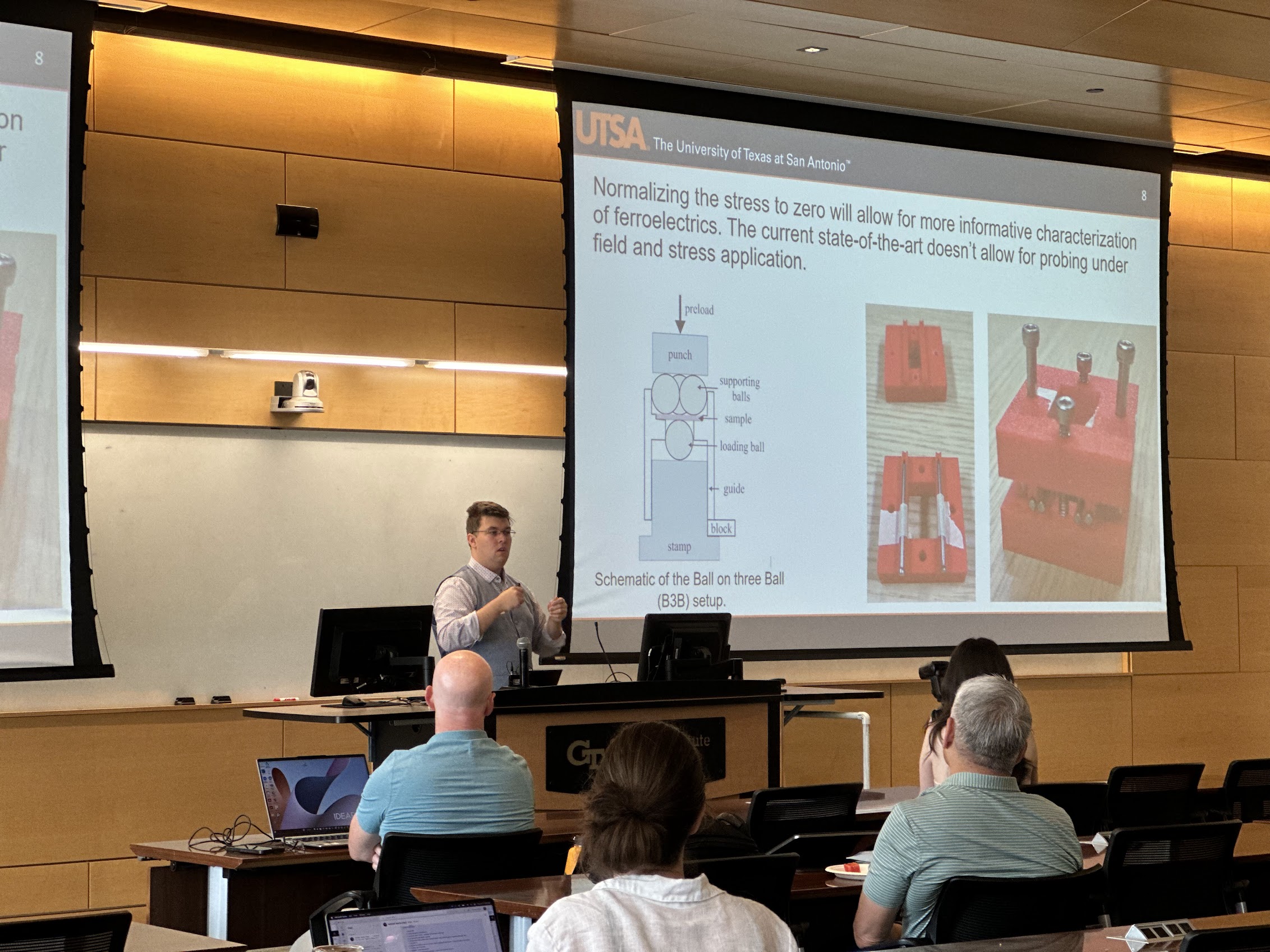
Cody Gonzalez, 2025 SEI Energy Faculty Fellow from the University of Texas San Antonio, presents his research work from the 10-week program.
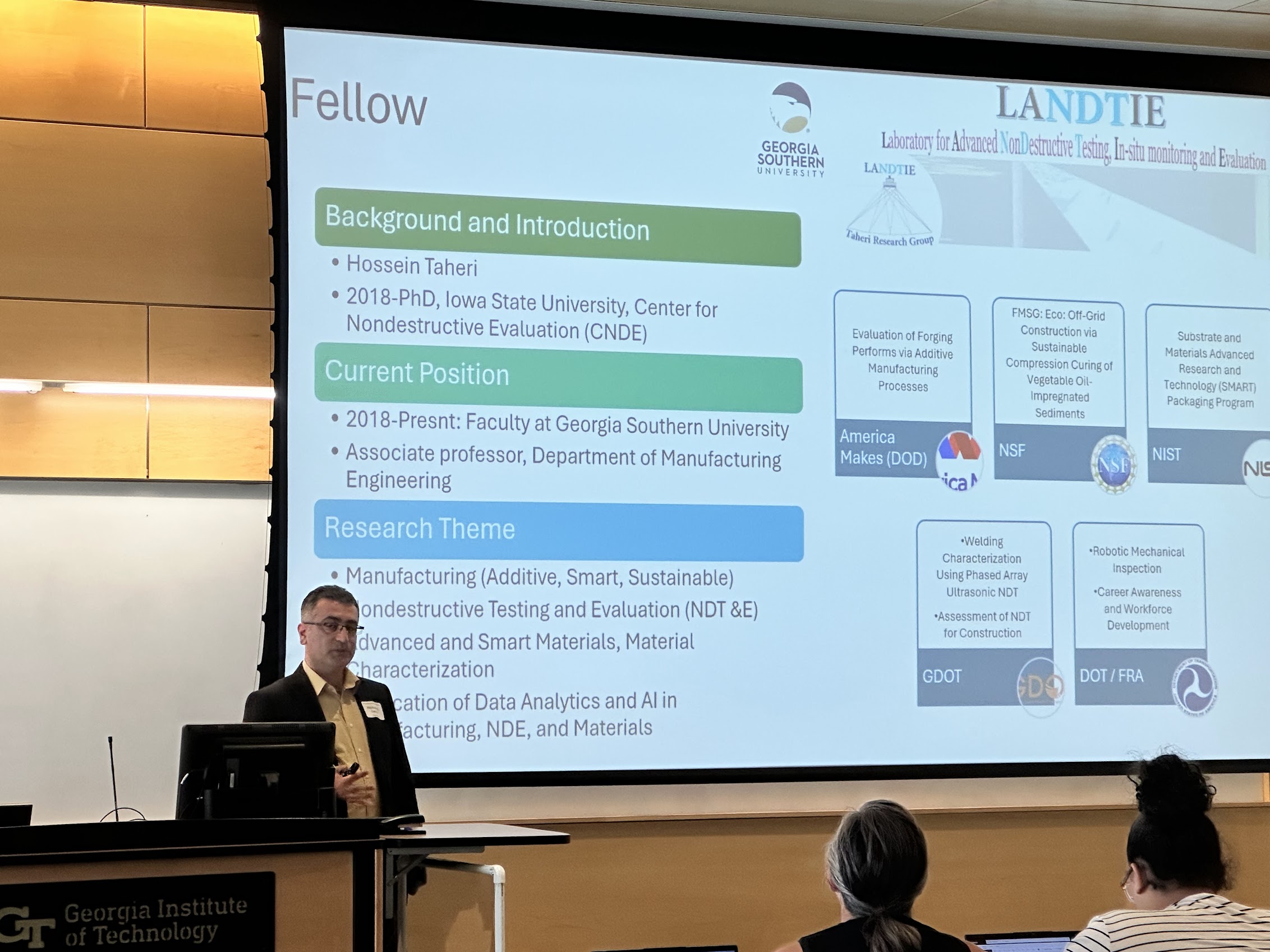
Hossein Taheri, 2025 SEI Energy Faculty Fellow from Georgia Southern University, presents his research work from the 10-week program.
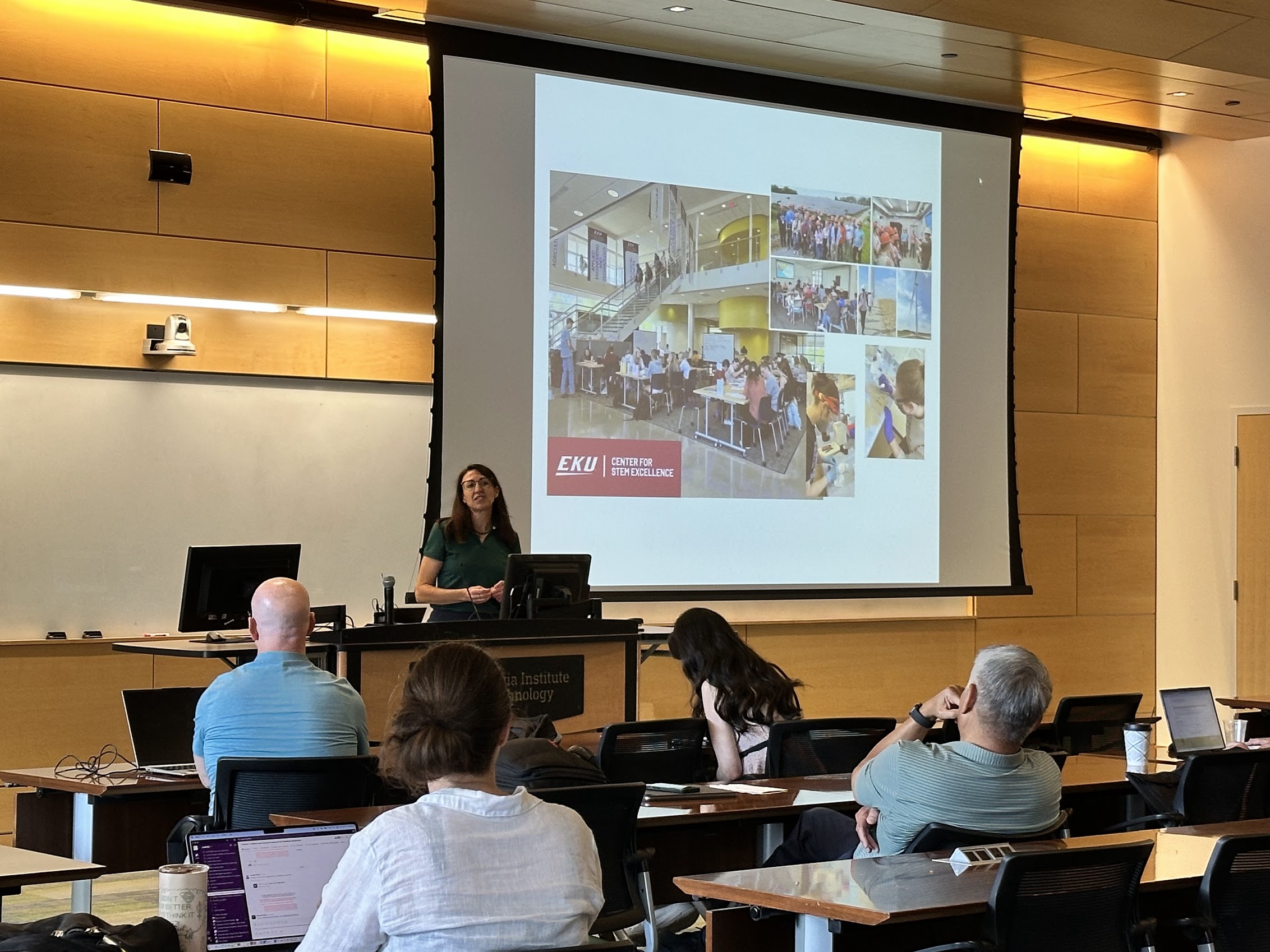
Judy Jenkins, 2025 SEI Energy Faculty Fellow from Eastern Kentucky University, presents her research work from the 10-week program.
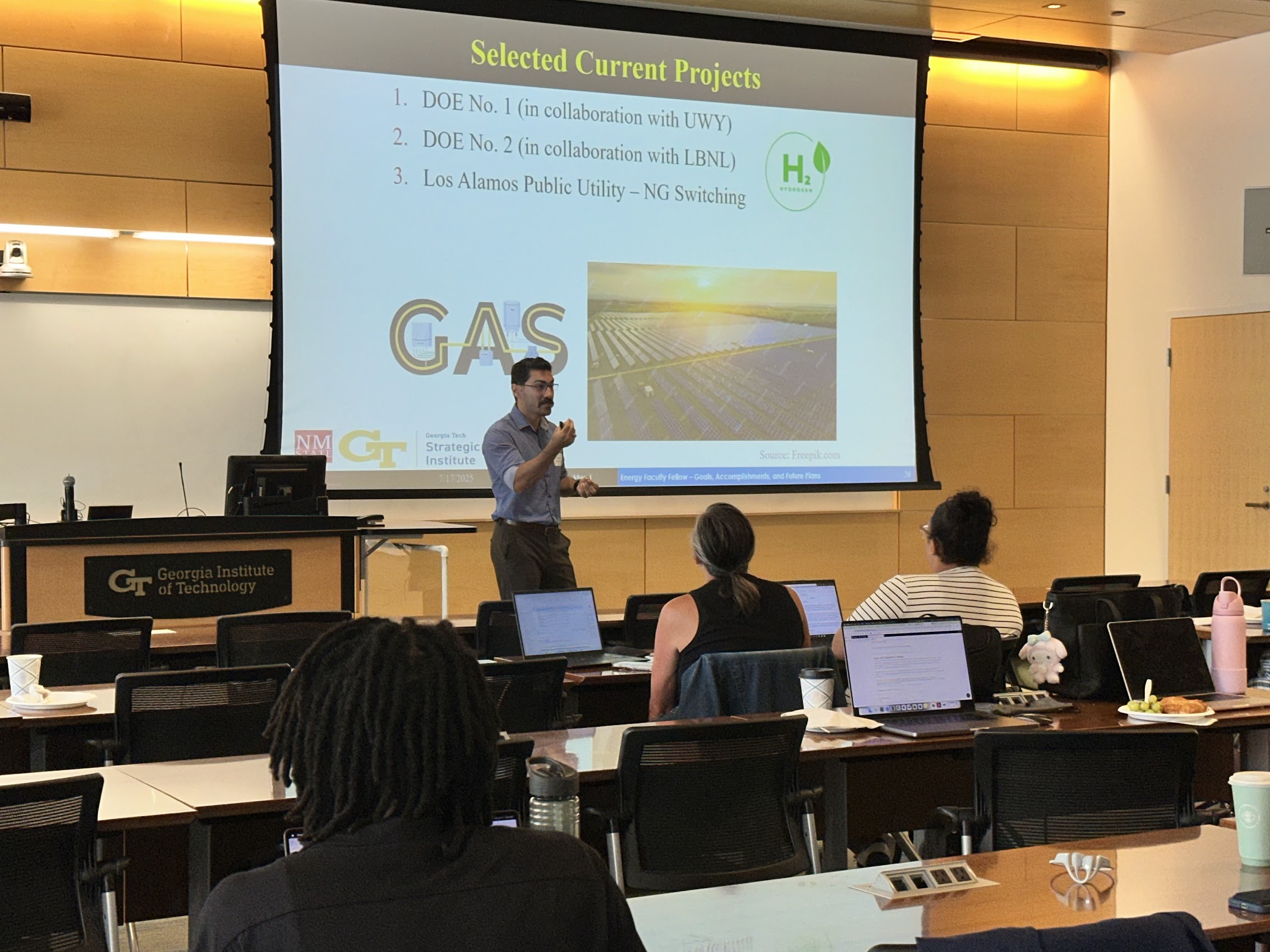
Jamal Mamkhezri, 2025 SEI Energy Faculty Fellow from New Mexico State University, presents his research work from the 10-week program.
Priya Devarajan || SEI Communications Program Manager
Georgia Tech Researchers Named Finalists for Prestigious Blavatnik Science Awards
Sep 09, 2025 — Atlanta, GA

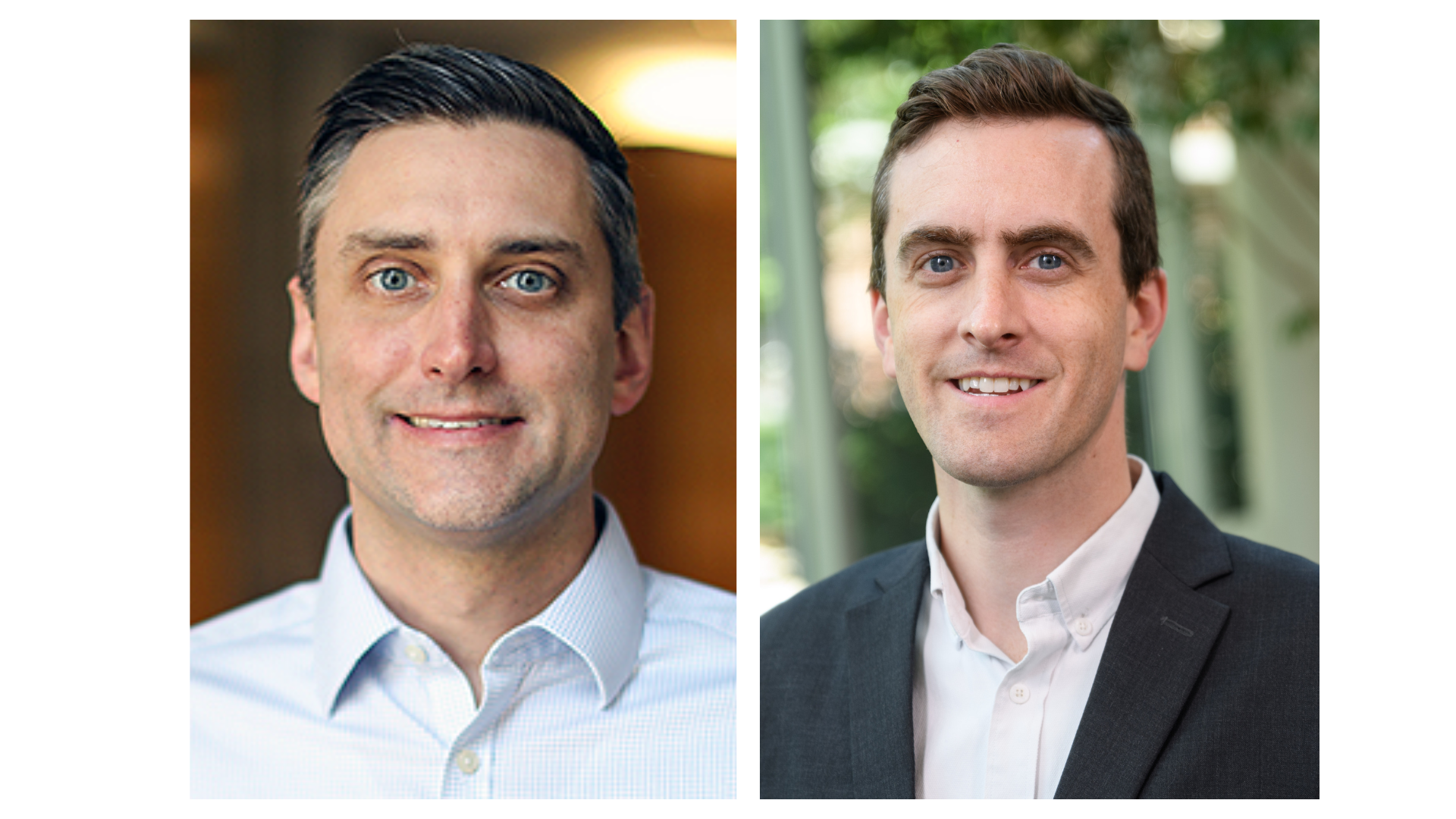
Headshots of Matthew McDowell and Ryan Lively
Two Georgia Tech researchers in the College of Engineering have been named finalists for the 2025 Blavatnik National Awards for Young Scientists. Their discoveries, which could create cleaner industrial processes and safer, more reliable batteries, have important potential impacts for daily life.
The Blavatnik Awards are presented by the Blavatnik Family Foundation and are administered by the New York Academy of Sciences. They honor the most promising early-career researchers in the U.S., across life sciences, chemistry, and physical sciences, and engineering. The awards are among the most prestigious and competitive in science.
This dual recognition underscores Georgia Tech’s growing national leadership in high-impact, interdisciplinary research.
Ryan Lively, Thomas C. DeLoach Jr. Endowed Professor in the School of Chemical and Biomolecular Engineering, is recognized in the Chemical Sciences category for pioneering scalable technologies that will reduce industrial carbon emissions and energy use. He develops new materials that can capture carbon and separate chemicals, using much less energy than conventional methods. His innovations could make industry cleaner and play a key role in addressing climate change.
Matthew McDowell, Carter N. Paden Jr. Distinguished Chair in the George W. Woodruff School of Mechanical Engineering holds a joint appointment in the School of Materials Science and Engineering. Recognized in the Physical Sciences and Engineering category for groundbreaking battery research, he and his team develop new materials to make batteries last longer and store more energy. He has discovered ways to visualize how battery materials change during use — insights that help improve the performance and safety of future energy technologies.
This year’s 18 finalists were selected from 310 nominees. On Oct. 7, 2025, three laureates will be announced at a gala at New York City’s American Museum of Natural History. Each laureate will receive $250,000, the largest unrestricted scientific prize for early-career researchers in the U.S.
Shelley Wunder-Smith
Digital Dashboard Helps Everyone Find Accessible Climate Solutions in Georgia
Sep 04, 2025 —
Electric vehicles. Rooftop solar. Cycling to work. Knowing where to start when reducing your personal carbon footprint can be daunting. But a new tool from Georgia Tech makes it easier for anyone to figure out how they can help address climate change.
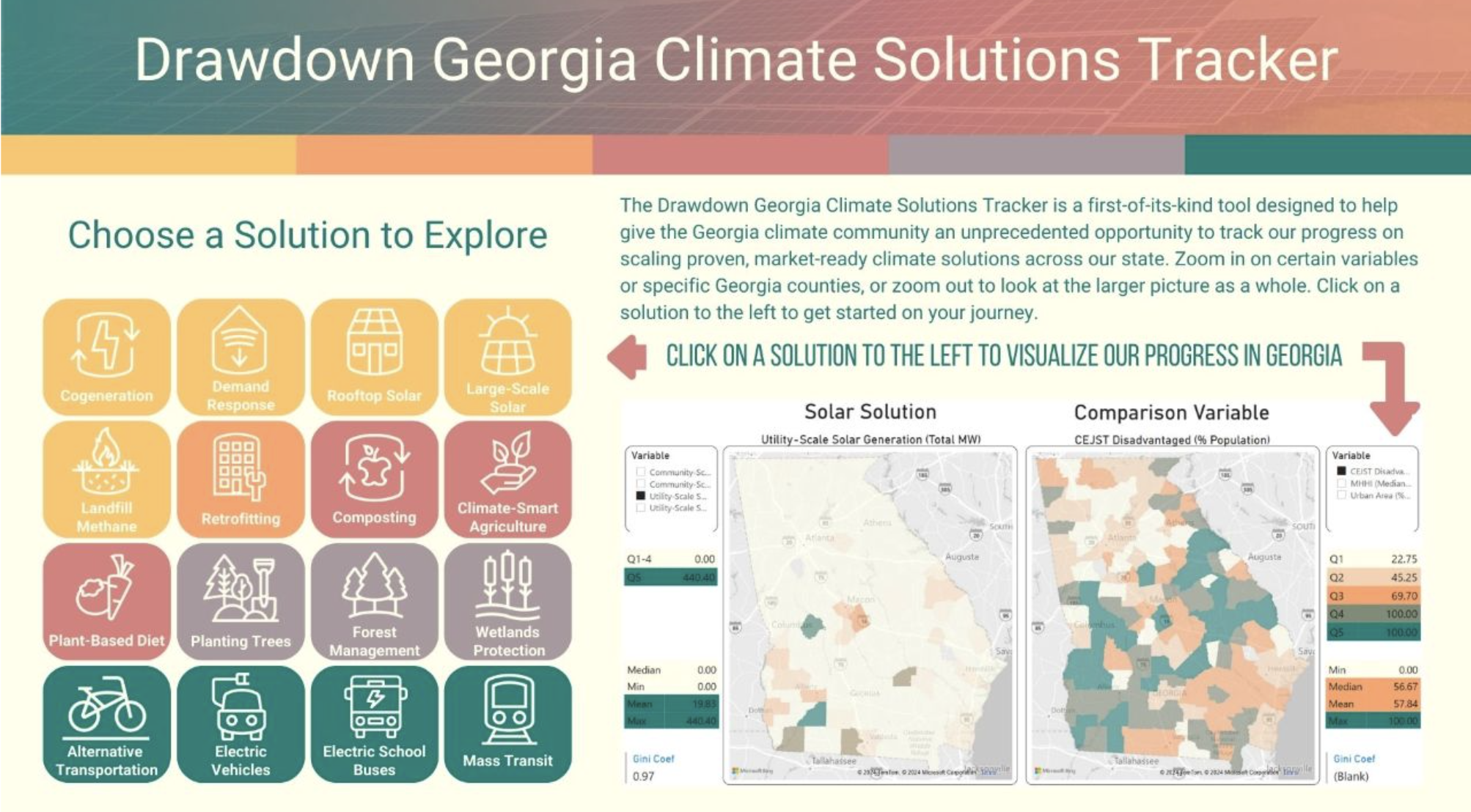
The Drawdown Georgia Solutions Tracker is a digital dashboard that enables everyday Georgians to see how effective various technologies could be for each county. The tracker analyzes public data for 16 solutions — from planting trees to public transit — that can lower greenhouse gas emissions. The tracker is equally essential for policymakers and business leaders, enabling them to identify opportunities to propose legislation or adjust operations to reduce carbon emissions.
To use the tracker, viewers click on a solution to see its impact. Then, they specify a particular county, and the data is tailored to the most relevant metric. For example, if someone picks “plant-based diet” as a solution, they can see how many vegan restaurants are already in their county. The tracker also contrasts the climate solution with a relevant area that might benefit if the solution is implemented. For the plant-based example, the tracker compares it to urban density.
This tracker is one of the many initiatives of Drawdown Georgia, one of the Ray C. Anderson Foundation’s key funding initiatives based on research conducted by Georgia Tech, Georgia State University, the University of Georgia, and Emory University. Drawdown Georgia's goal is to reduce Georgia’s carbon impact by 57% by 2030 and to accelerate Georgia’s progress toward net-zero greenhouse emissions.
Drawdown Georgia also developed a carbon emissions tracker that shows carbon emission levels by county. The dashboard was a success, but the Drawdown Georgia team wanted to create a more proactive tool. The Solutions Tracker was designed so that anyone could make smalldaily changes to improve the climate — not just track it.
“We began the Drawdown Georgia project with the goal of cutting state pollution significantly,” said Marilyn Brown, Regents' Professor and the Brook Byers Professor of Sustainable Systems in the Jimmy and Rosalynn Carter School of Public Policy. "To get Georgians involved, we decided to focus on local and regional opportunities to reduce emissions.”
Drawdown Data
The data combines federal and state sources from the U.S. Energy Information Administration, the National Renewable Energy Laboratory, and the Department of Agriculture. Some solutions may seem obvious, like planting trees, but others are more niche. For example, decomposing trash often produces methane gas, which means that landfills contribute to greenhouse gas emissions — important information for policymakers to consider when developing carbon reduction strategies.
The researchers hope everyone will use the tracker. Politicians and policymakers can find new ideas for legislation or the adoption of these solutions. Business leaders can find opportunities to hit their decarbonization goals. Georgians can use the tracker to figure out which solutions are most sustainable for their lives. Even scientists can learn which methods to home in on for their research. Since the tracker is available via Creative Commons, anyone can use the data to build their own tools or models.
The tracker is already having a real-world impact. Brown and the Drawdown Georgia team have collaborated with the state of Georgia and the 29-county metro Atlanta area on their carbon action plans. They’ve also partnered with 75 businesses on carbon action plans and other solutions through the Drawdown Georgia Business Compact, managed by the Ray C. Anderson Center for Sustainable Business in the Scheller College of Business. As these stakeholders ask questions about different climate solution impacts, the team has expanded the tracker accordingly. They’ve also recently redesigned the user interface to make it even more accessible for everyday users.
From improved public health to business opportunities, the state requires reduced greenhouse gases, and Georgia Tech is not only tracking emissions but helping to fix the problem, too.
Tess Malone, Senior Research Writer/Editor
tess.malone@gatech.edu
Rampi Ramprasad Awarded $2 Million Grant to Pioneer AI-Driven Recyclable Packaging Materials Design
Sep 04, 2025 — Atlanta, GA
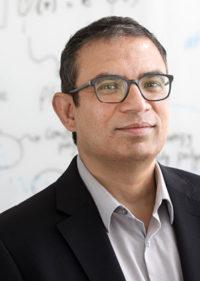
Rampi Ramprasad
The National Science Foundation (NSF) has awarded School of Materials Science and Engineering (MSE) Professor & Regents’ Entrepreneur Rampi Ramprasad a $2 million grant to advance research at the intersection of artificial intelligence (AI) and polymer science. He and a multidisciplinary team of Georgia Tech researchers will design next-generation polymer-based packaging materials that can easily be recycled or biodegraded at the end of their use. The project addresses one of the most pressing challenges in global sustainability: plastic waste.
Read more on the Georgia Tech Materials Science and Engineering Newspage
Energy and National Security - Lunch and Learn 3
Building on the Energy and National Security Initiative launched by the Strategic Energy Institute and GTRI in July 2024, this Lunch and Learn series features three focused sessions designed to spark dialogue around regional, national, and global energy-security priorities. Each session will bring together a diverse mix of internal and external stakeholders.
Energy and National Security - Lunch and Learn 2
Building on the Energy and National Security Initiative launched by the Strategic Energy Institute and GTRI in July 2024, this Lunch and Learn series features three focused sessions designed to spark dialogue around regional, national, and global energy-security priorities. Each session will bring together a diverse mix of internal and external stakeholders.
Energy and National Security - Lunch and Learn 1
Building on the Energy and National Security Initiative launched by the Strategic Energy Institute and GTRI in July 2024, this Lunch and Learn series features three focused sessions designed to spark dialogue around regional, national, and global energy-security priorities. Each session will bring together a diverse mix of internal and external stakeholders.
Strategic Energy Institute and EPIcenter Announce Graduate Student Fellowships
Aug 15, 2025 — Atlanta, GA
The Strategic Energy Institute and the Energy Policy and Innovation Center at Georgia Tech are pleased to announce that applications are now open for two graduate student fellowships this fall.
The James G. Campbell Fellowship is designed to support Georgia Tech graduate students conducting research in the field of renewable energy and provides a $1,500 award.
The annual SPARK award is given to current Georgia Tech graduate students who have demonstrated outstanding leadership in advancing student engagement with energy research and with evidence of broader impacts and service or leadership. The number of SPARK awards is variable, depending on funding.
To be eligible, student applicants must be U.S. citizens or permanent residents and currently writing a thesis or dissertation focused on renewable energy.
The application deadline is Sept. 4, 2025.
Applicants must submit the following materials to the Energy Comments Mailbox of the Strategic Energy Institute:
- A brief cover letter (one to two paragraphs) explaining their motivation for studying their academic discipline and what they hope to accomplish in the field.
- Their full name, GTID number, anticipated graduation date, and field of research.
- A current resume.
- In addition, a one-page letter of nomination from a faculty member must be submitted separately to the same mailbox. Graduate students are strongly encouraged to begin the process of securing this nomination letter as early as possible.
These fellowships offer a valuable opportunity to gain recognition and support for work in renewable energy. All eligible graduate students are encouraged to apply and take the next step in advancing their academic and professional goals.
Priya Devarajan || SEI Communications Program Manager
Wind intermittency and supply-demand imbalance: Evidence from U.S. regional power markets
Aug 14, 2025 — Atlanta, GA
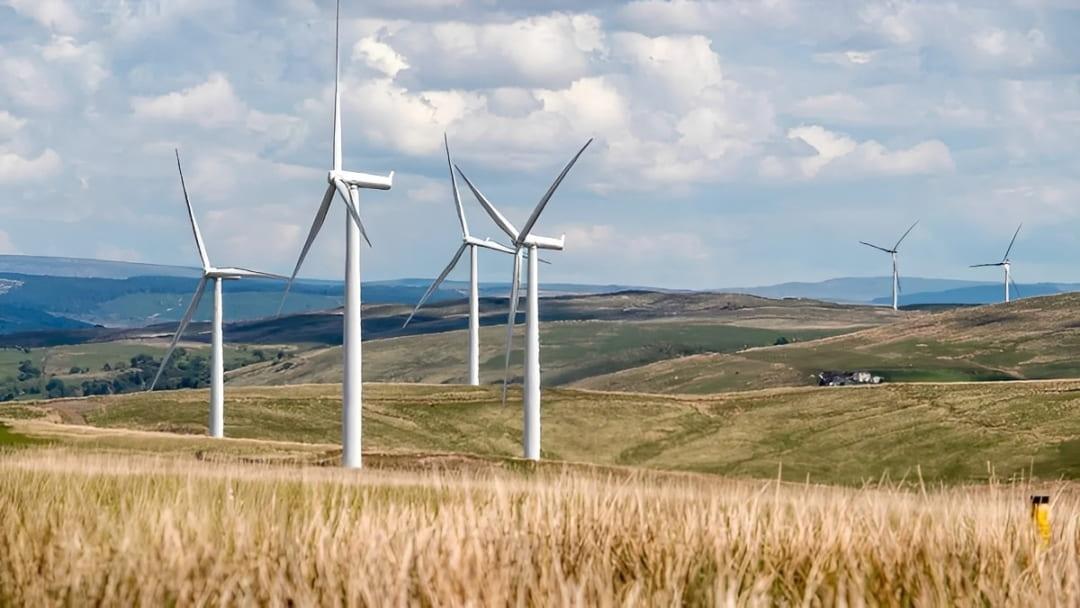
A Georgia Tech study examines how short-term variability in wind power—known as wind intermittency—affects real-time electricity system imbalances in U.S. regional power markets.
This study examines how short-term variability in wind power—known as wind intermittency—affects real-time electricity system imbalances in U.S. regional power markets. The authors, Victoria Godwin and Matthew E. Oliver of the Georgia Institute of Technology and EPIcenter affiliates, analyze data from four major system operators: Bonneville Power Administration (BPA), New York ISO (NYISO), Southwest Power Pool (SPP), and PJM Interconnection. They focus on Area Control Error (ACE), a real-time metric used by grid operators to measure the mismatch between electricity supply and demand, adjusted for frequency deviations. Maintaining ACE near zero is essential for grid stability.
The authors find that a doubling of hourly wind generation variance increases average hourly ACE by 2% in BPA, 3.7% in NYISO, and 11.4% in SPP—equivalent to 1.2 MW, 1.8 MW, and 9.35 MW increases in system imbalance, respectively. PJM shows no significant effect, likely due to less granular data. They also show that sudden increases in wind generation are more likely to cause oversupply (positive ACE), while sudden drops lead to undersupply (negative ACE), confirming asymmetric operational impacts.
Read Full Story on the EPIcenter Website
Priya Devarajan | Strategic Energy Institute