
LG Chem and Georgia Tech Establish Collaboration to Advance Battery Research
Oct 23, 2023 —
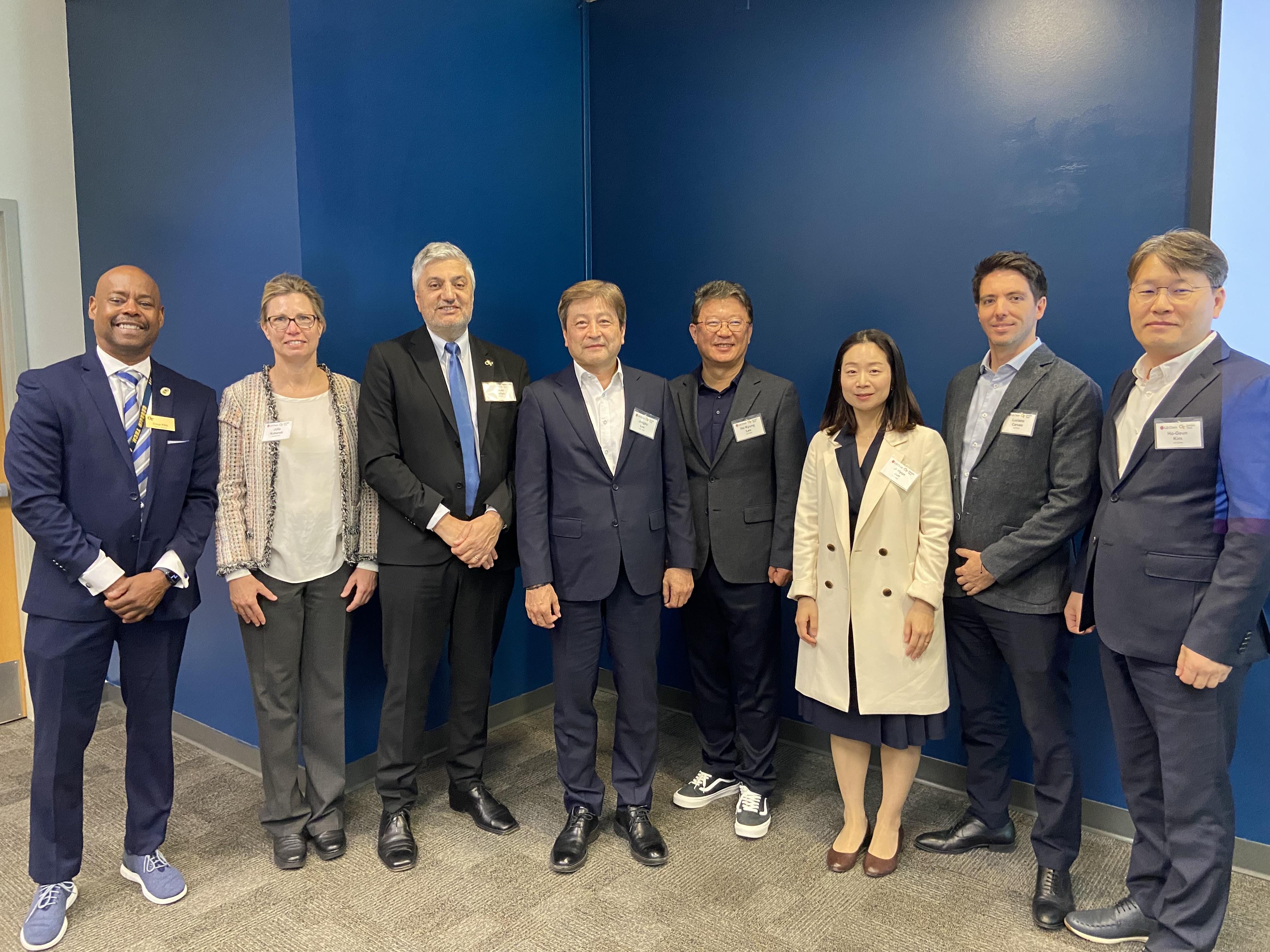
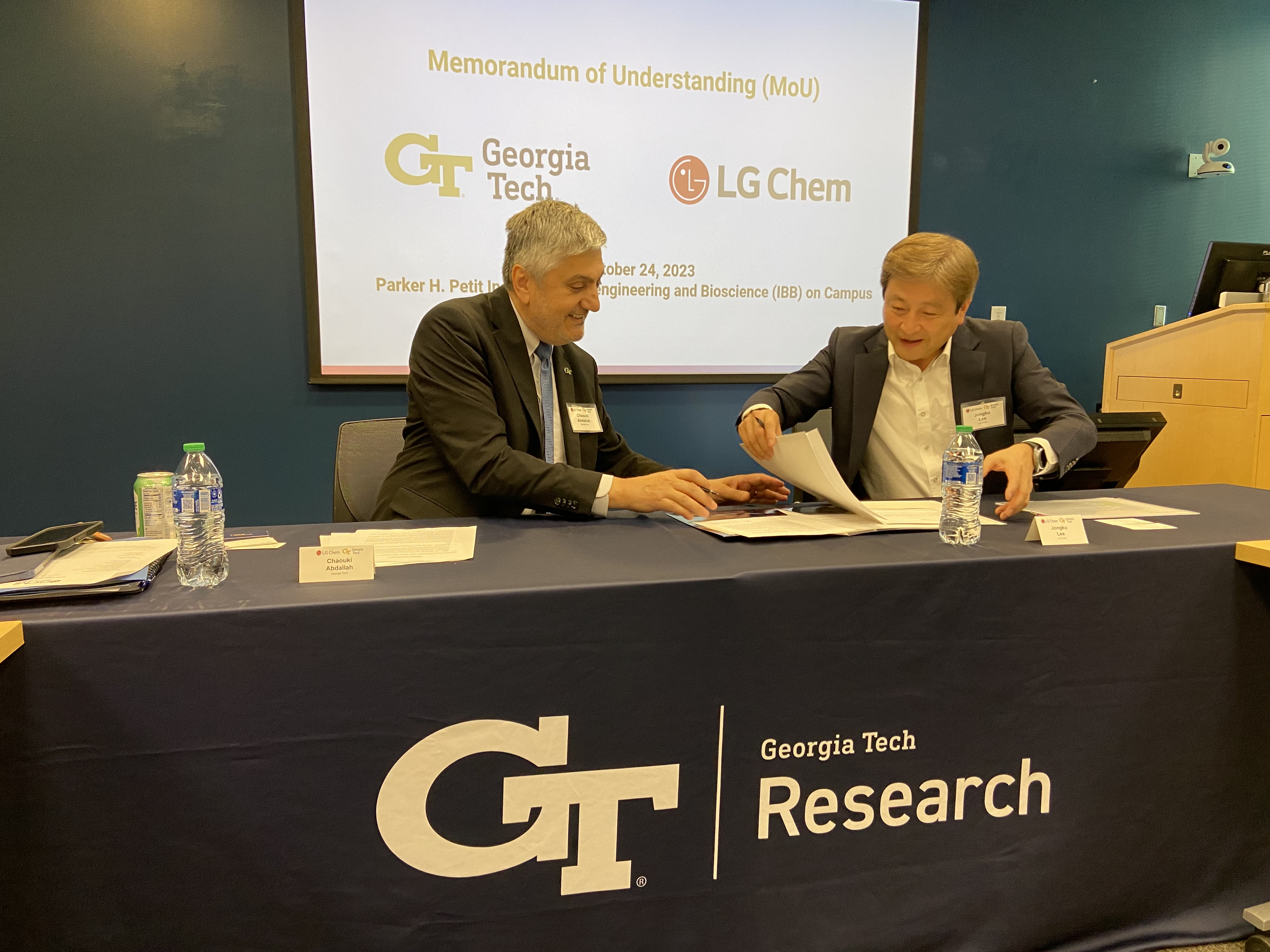
LG Chem, a leading global chemical company with a diversified business portfolio in the key areas of petrochemicals, advanced materials, and life sciences, today signed a memorandum of understanding with the Georgia Institute of Technology to promote basic and translational research, innovative business models, and related educational endeavors.
The agreement is expected to serve as an opportunity to connect LG Chem research and development, manufacturing, commercial, and operations teams with faculty thought leaders and students across the Institute.
“The combination of our industrial expertise and the university’s academic knowledge will enable us to extend our collaboration from next-generation battery materials to field,” said Jongku Lee, senior vice president and CTO at LG Chem.
“By partnering with LG Chem, we aim to foster next-level innovation in battery research, offering our students and faculty access to resources from a renowned industry leader,” said Chaouki Abdallah, executive vice president for Research at Georgia Tech. “I’m excited about the invaluable expertise LG Chem will bring to our campus community.”
LG Chem is committed to giving $2 million over five years to support student fellowships and the research collaboration. Georgia Tech intends to continue to build on its strengths, expertise, and capabilities in battery technology and related technical fields to further develop a pipeline of undergraduate and graduate students with related skills and training.
“The signing of the LG Chem-GT MOU represents a significant opportunity for our students and researchers as we develop key advances in battery and clean energy technologies while preparing the next talent pipeline to support them,” said George White, senior director for Strategic Partnerships at Georgia Tech.
IDEaS Awards 2023 Seed Grants to Seven Interdisciplinary Research Teams
Oct 20, 2023 —

The teams awarded will focus on strategic new initiatives in Artificial Intelligence.
The Institute for Data Engineering and Science, in conjunction with several Interdisciplinary Research Institutes (IRIs) at Georgia Tech, have awarded seven teams of researchers from across the Institute a total of $105,000 in seed funding geared to better position Georgia Tech to perform world-class interdisciplinary research in data science and artificial intelligence development and deployment.
The goals of the funded proposals include identifying prominent emerging research directions on the topic of AI, shaping IDEaS future strategy in the initiative area, building an inclusive and active community of Georgia Tech researchers in the field that potentially include external collaborators, and identifying and preparing groundwork for competing in large-scale grant opportunities in AI and its use in other research fields.
Below are the 2023 recipients and the co-sponsoring IRIs:
Proposal Title: "AI for Chemical and Materials Discovery" + “AI in Microscopy Thrust”
PI: Victor Fung, CSE | Vida Jamali, ChBE| Pan Li, ECE | Amirali Aghazadeh Mohandesi, ECE
Award: $20k (co-sponsored by IMat)
Overview: The goal of this initiative is to bring together expertise in machine learning/AI, high-throughput computing, computational chemistry, and experimental materials synthesis and characterization to accelerate material discovery. Computational chemistry and materials simulations are critical for developing new materials and understanding their behavior and performance, as well as aiding in experimental synthesis and characterization. Machine learning and AI play a pivotal role in accelerating material discovery through data-driven surrogate models, as well as high-throughput and automated synthesis and characterization.
Proposal Title: " AI + Quantum Materials”
PI: Zhigang JIang, Physics | Martin Mourigal, Physics
Award: $20k (Co-Sponsored by IMat)
Overview: Zhigang Jiang is currently leading an initiative within IMAT entitled “Quantum responses of topological and magnetic matter” to nurture multi-PI projects. By crosscutting the IMAT initiative with this IDEAS call, we propose to support and feature the applications of AI on predictive and inverse problems in quantum materials. Understanding the limit and capabilities of AI methodologies is a huge barrier of entry for Physics students, because researchers in that field already need heavy training in quantum mechanics, low-temperature physics and chemical synthesis. Our most pressing need is for our AI inclined quantum materials students to find a broader community to engage with and learn. This is the primary problem we aim to solve with this initiative.
PI: Jeffrey Skolnick, Bio Sci | Chao Zhang, CSE
Proposal Title: Harnessing Large Language Models for Targeted and Effective Small Molecule 4 Library Design in Challenging Disease Treatment
Award: $15k (co-sponsored by IBB)
Overview: Our objective is to use large language models (LLMs) in conjunction with AI algorithms to identify effective driver proteins, develop screening algorithms that target appropriate binding sites while avoiding deleterious ones, and consider bioavailability and drug resistance factors. LLMs can rapidly analyze vast amounts of information from literature and bioinformatics tools, generating hypotheses and suggesting molecular modifications. By bridging multiple disciplines such as biology, chemistry, and pharmacology, LLMs can provide valuable insights from diverse sources, assisting researchers in making informed decisions. Our aim is to establish a first-in-class, LLM driven research initiative at Georgia Tech that focuses on designing highly effective small molecule libraries to treat challenging diseases. This initiative will go beyond existing AI approaches to molecule generation, which often only consider simple properties like hydrogen bonding or rely on a limited set of proteins to train the LLM and therefore lack generalizability. As a result, this initiative is expected to consistently produce safe and effective disease-specific molecules.
PI: Yiyi He, School of City & Regional Plan | Jun Rentschler, World Bank
Proposal Title: “AI for Climate Resilient Energy Systems”
Award: $15k (co-sponsored by SEI)
Overview: We are committed to building a team of interdisciplinary & transdisciplinary researchers and practitioners with a shared goal: developing a new framework which model future climatic variations and the interconnected and interdependent energy infrastructure network as complex systems. To achieve this, we will harness the power of cutting-edge climate model outputs, sourced from the Coupled Model Intercomparison Project (CMIP), and integrate approaches from Machine Learning and Deep Learning models. This strategic amalgamation of data and techniques will enable us to gain profound insights into the intricate web of future climate-change-induced extreme weather conditions and their immediate and long-term ramifications on energy infrastructure networks. The seed grant from IDEaS stands as the crucial catalyst for kick-starting this ambitious endeavor. It will empower us to form a collaborative and inclusive community of GT researchers hailing from various domains, including City and Regional Planning, Earth and Atmospheric Science, Computer Science and Electrical Engineering, Civil and Environmental Engineering etc. By drawing upon the wealth of expertise and perspectives from these diverse fields, we aim to foster an environment where innovative ideas and solutions can flourish. In addition to our internal team, we also have plans to collaborate with external partners, including the World Bank, the Stanford Doerr School of Sustainability, and the Berkeley AI Research Initiative, who share our vision of addressing the complex challenges at the intersection of climate and energy infrastructure.
PI: Jian Luo, Civil & Environmental Eng | Yi Deng, EAS
Proposal Title: “Physics-informed Deep Learning for Real-time Forecasting of Urban Flooding”
Award: $15k (co-sponsored by BBISS)
Overview: Our research team envisions a significant trend in the exploration of AI applications for urban flooding hazard forecasting. Georgia Tech possesses a wealth of interdisciplinary expertise, positioning us to make a pioneering contribution to this burgeoning field. We aim to harness the combined strengths of Georgia Tech's experts in civil and environmental engineering, atmospheric and climate science, and data science to chart new territory in this emerging trend. Furthermore, we envision the potential extension of our research efforts towards the development of a real-time hazard forecasting application. This application would incorporate adaptation and mitigation strategies in collaboration with local government agencies, emergency management departments, and researchers in computer engineering and social science studies. Such a holistic approach would address the multifaceted challenges posed by urban flooding. To the best of our knowledge, Georgia Tech currently lacks a dedicated team focused on the fusion of AI and climate/flood research, making this initiative even more pioneering and impactful.
Proposal Title: “AI for Recycling and Circular Economy”
PI: Valerie Thomas, ISyE and PubPoly | Steven Balakirsky, GTRI
Award: $15k (co-sponsored by BBISS)
Overview: Most asset management and recycling-use technology has not changed for decades. The use of bar codes and RFID has provided some benefits, such as for retail returns management. Automated sorting of recyclables using magnets, eddy currents, and laser plastics identification has improved municipal recycling. Yet the overall field has been challenged by not-quite-easy-enough identification of products in use or at end of life. AI approaches, including computer vision, data fusion, and machine learning provide the additional capability to make asset management and product recycling easy enough to be nearly autonomous. Georgia Tech is well suited to lead in the development of this application. With its strength in machine learning, robotics, sustainable business, supply chains and logistics, and technology commercialization, Georgia Tech has the multi-disciplinary capability to make this concept a reality; in research and in commercial application.
Proposal Title: “Data-Driven Platform for Transforming Subjective Assessment into Objective Processes for Artistic Human Performance and Wellness”
PI: Milka Trajkova, Research Scientist/School of Literature, Media, Communication | Brian Magerko, School of Literature, Media, Communication
Award: $15k (co-sponsored by IPaT)
Overview: Artistic human movement at large, stands at the precipice of a data-driven renaissance. By leveraging novel tools, we can usher in a transparent, data-driven, and accessible training environment. The potential ramifications extend beyond dance. As sports analytics have reshaped our understanding of athletic prowess, a similar approach to dance could redefine our comprehension of human movement, with implications spanning healthcare, construction, rehabilitation, and active aging. Georgia Tech, with its prowess in AI, HCI, and biomechanics is primed to lead this exploration. To actualize this vision, we propose the following research questions with ballet as a prime example of one of the most complex types of artistic movements: 1) What kinds of data - real-time kinematic, kinetic, biomechanical, etc. captured through accessible off-the-shelf technologies, are essential for effective AI assessment in ballet education for young adults?; 2) How can we design and develop an end-to-end ML architecture that assesses artistic and technical performance?; 3) What feedback elements (combination of timing, communication mode, feedback nature, polarity, visualization) are most effective for AI- based dance assessment?; and 4) How does AI-assisted feedback enhance physical wellness, artistic performance, and the learning process in young athletes compared to traditional methods?
- Christa M. Ernst
Christa M. Ernst | Research Communications Program Manager
Robotics | Data Engineering | Neuroengineering
christa.ernst@research.gatech.edu
$3M NSF Investment Will Create New Semiconductor, 3D Printing Materials
Oct 20, 2023 — Atlanta, GA
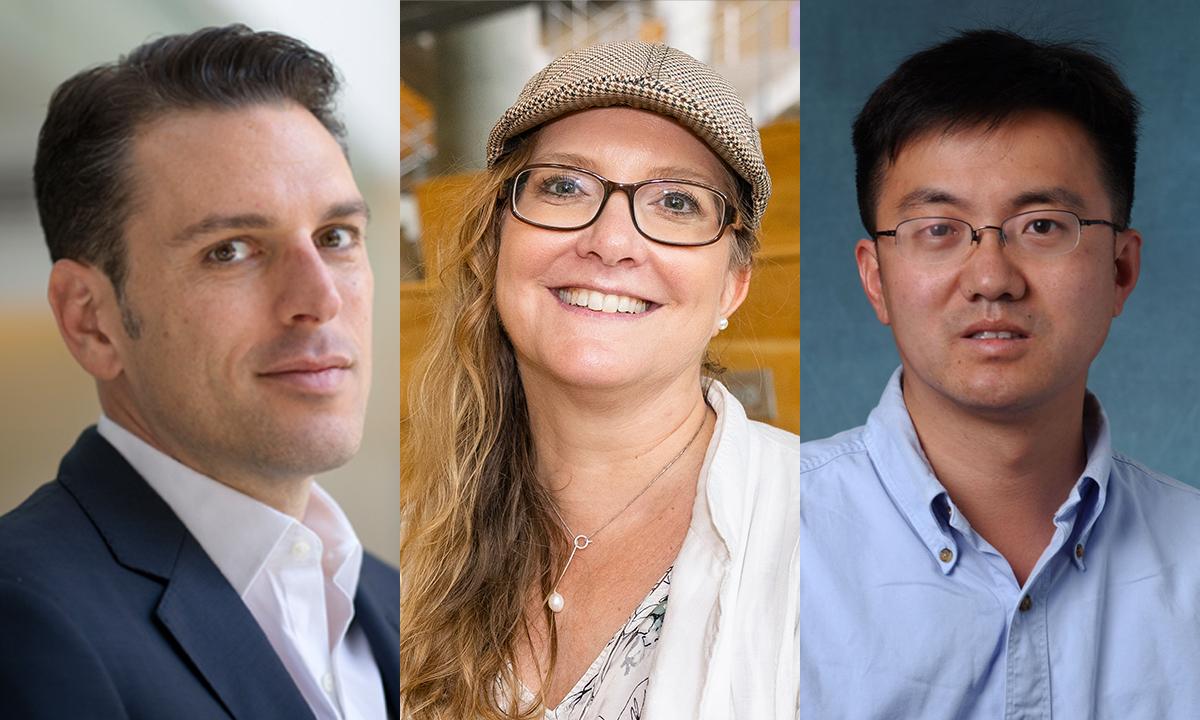
From left, researchers Jason Azoulay, Natalie Stingelin, and H. Jerry Qi have received grants from the National Science Foundation to create advanced materials for semiconductors and 3D printing.
Researchers at Georgia Tech will work to develop new controllable materials for 3D printing, electronics made from plastics, and semiconductors that convert infrared light into electrical signals as part of the National Science Foundation’s (NSF) efforts to create advanced materials.
Altogether, the agency is investing $3 million in the three projects led by faculty members in the George W. Woodruff School of Mechanical Engineering (ME) and the School of Materials Science and Engineering (MSE). Georgia Tech is a contributing partner on a fourth project led by Notre Dame researchers to explore materials that can be switched from an insulator to a metal with an external trigger.
The new awards are part of NSF’s Designing Materials to Revolutionize and Engineer our Future (DMREF) program, which is intended to discover and create advanced materials twice as fast and at a fraction of the cost of traditional research methods.
Read more about the researchers' plans on the College of Engineering website.
Joshua Stewart
College of Engineering
Three Earth and Atmospheric Sciences Researchers Awarded DOE Earthshot Funding for Carbon Removal Strategies
Oct 19, 2023 — Atlanta, GA

Earth (Credit NASA/Joshua Stevens)
Three Georgia Tech School of Earth and Atmospheric Sciences researchers — Professor and Associate Chair Annalisa Bracco, Professor Taka Ito, and Georgia Power Chair and Associate Professor Chris Reinhard — will join colleagues from Princeton, Texas A&M, and Yale University for an $8 million Department of Energy (DOE) grant that will build an “end-to-end framework” for studying the impact of carbon dioxide removal efforts for land, rivers, and seas.
The proposal is one of 29 DOE Energy Earthshot Initiatives projects recently granted funding, and among several led by and involving Georgia Tech investigators across the Sciences and Engineering.
Overall, DOE is investing $264 million to develop solutions for the scientific challenges underlying the Energy Earthshot goals. The 29 projects also include establishing 11 Energy Earthshot Research Centers led by DOE National Laboratories.
The Energy Earthshots connect the Department of Energy's basic science and energy technology offices to accelerate breakthroughs towards more abundant, affordable, and reliable clean energy solutions — seeking to revolutionize many sectors across the U.S., and relying on fundamental science and innovative technology to be successful.
Carbon Dioxide Removal
The School of Earth and Atmospheric Sciences project, “Carbon Dioxide Removal and High-Performance Computing: Planetary Boundaries of Earth Shots,” is part of the agency’s Science Foundations for the Energy Earthshots program. Its goal is to create a publicly-accessible computer modeling system that will track progress in two key carbon dioxide removal (CDR) processes: enhanced earth weathering, and global ocean alkalinization.
In enhanced earth weathering, carbon dioxide is converted into bicarbonate by spreading minerals like basalt on land, which traps rainwater containing CO2. That gets washed out by rivers into oceans, where it is trapped on the ocean floor. If used at scale, these nature-based climate solutions could remove atmospheric carbon dioxide and alleviate ocean acidification.
The research team notes that there is currently “no end-to-end framework to assess the impacts of enhanced weathering or ocean alkalinity enhancement — which are likely to be pursued at the same time.”
“The proposal is for a three-year effort, but our hope is that the foundation we lay down in that time will represent a major step forward in our ability to track carbon from land to sea,” says Reinhard, the Georgia Power Chair who is a co-investigator on the grant.
“Like many folks interested in better understanding how climate interventions might impact the Earth system across scales, we are in some ways building the plane in midair,” he adds. “We need to develop and validate the individual pieces of the system — soils, rivers, the coastal ocean — but also wire them up and prove from observations on the ground how a fully integrated model works.”
That will involve the use of several existing computer models, along with Georgia Tech’s PACE supercomputers, Professor Ito explains. “We will use these models as a tool to better understand how the added alkalinity, carbon and weathering byproducts from the soils and rivers will eventually affect the cycling of nutrients, alkalinity, carbon and associated ecological processes in the ocean,” Ito adds. “After the model passes the quality check and we have confidence in our output, we can start to ask many questions about assessment of different carbon sequestration approaches or downstream impacts on ecosystem processes.”
Professor Bracco, whose recent research has focused on rising ocean heat levels, says CDR is needed just to keep ocean systems from warming about 2 degrees centigrade (Celsius).
“Ninety percent of the excess heat caused by greenhouse gas emissions is in the oceans,” Bracco shares, “and even if we stop emitting all together tomorrow, that change we imprinted will continue to impact the climate system for many hundreds of years to come. So in terms of ocean heat, CDRs will help in not making the problem worse, but we will not see an immediate cooling effect on ocean temperatures. Stabilizing them, however, would be very important.”
Bracco and co-investigators will study the soil-river-ocean enhanced weathering pipeline “because it’s definitely cheaper and closer to scale-up.” Reverse weathering can also happen on the ocean floor, with new clays chemically formed from ocean and marine sediments, and CO2 is included in that process. “The cost, however, is higher at the moment. Anything that has to be done in the ocean requires ships and oil to begin,” she adds.
Reinhard hopes any tools developed for the DOE project would be used by farmers and other land managers to make informed decisions on how and when to manage their soil, while giving them data on the downstream impacts of those practices.
“One of our key goals will also be to combine our data from our model pipeline with historical observational data from the Mississippi watershed and the Gulf of Mexico,” Reinhard says. “This will give us some powerful new insights into the impacts large-scale agriculture in the U.S. has had over the last half-century, and will hopefully allow us to accurately predict how business-as-usual practices and modified approaches will play out across scales.”
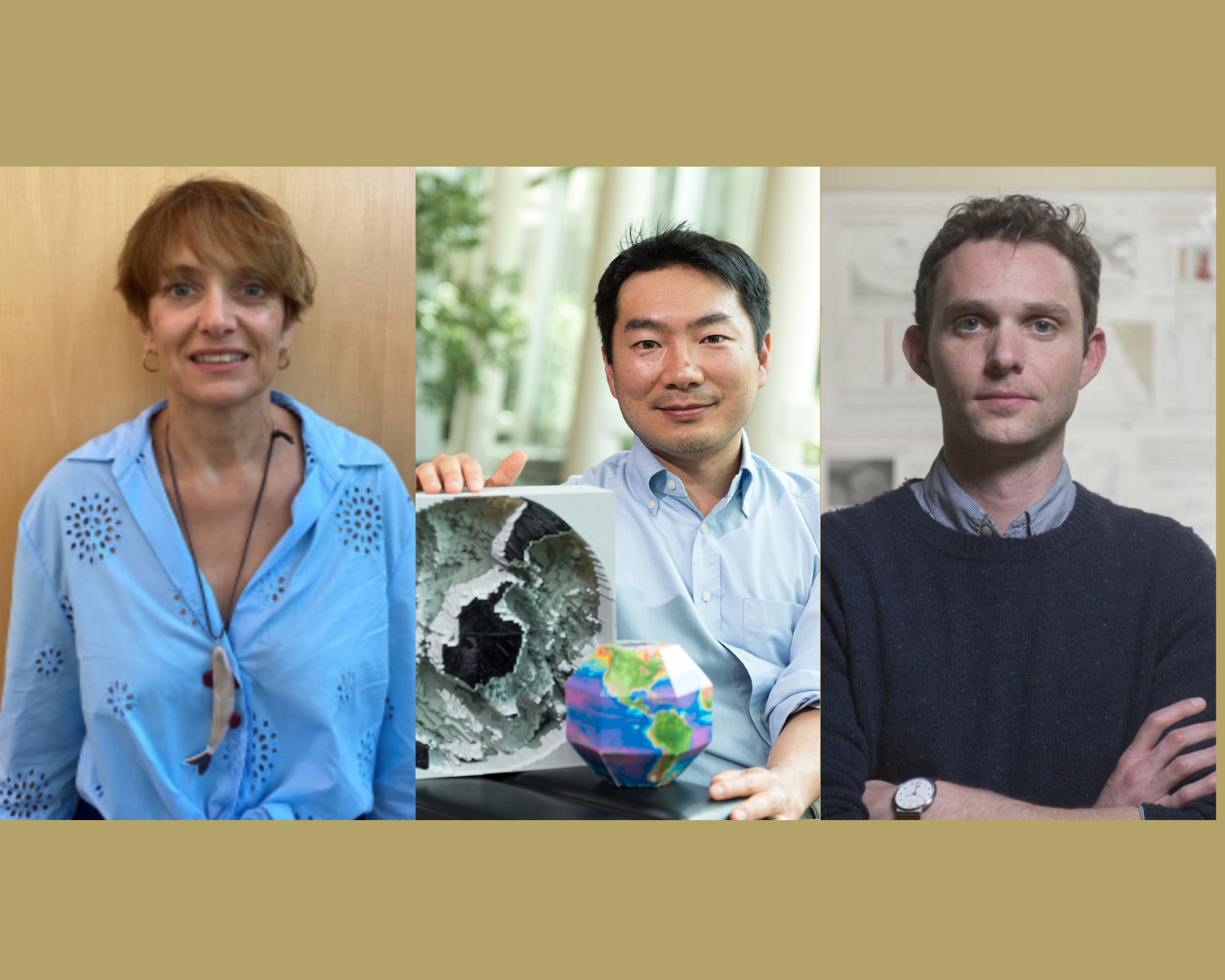
(From left) Annalisa Bracco, Taka Ito, Chris Reinhard
Writer: Renay San Miguel
Communications Officer II/Science Writer
College of Sciences
404-894-5209
Editor: Jess Hunt-Ralston
Alternate Fuel Success Stories Highlighted at Clean Cities Georgia Transportation Summit
Oct 18, 2023 — Atlanta, GA
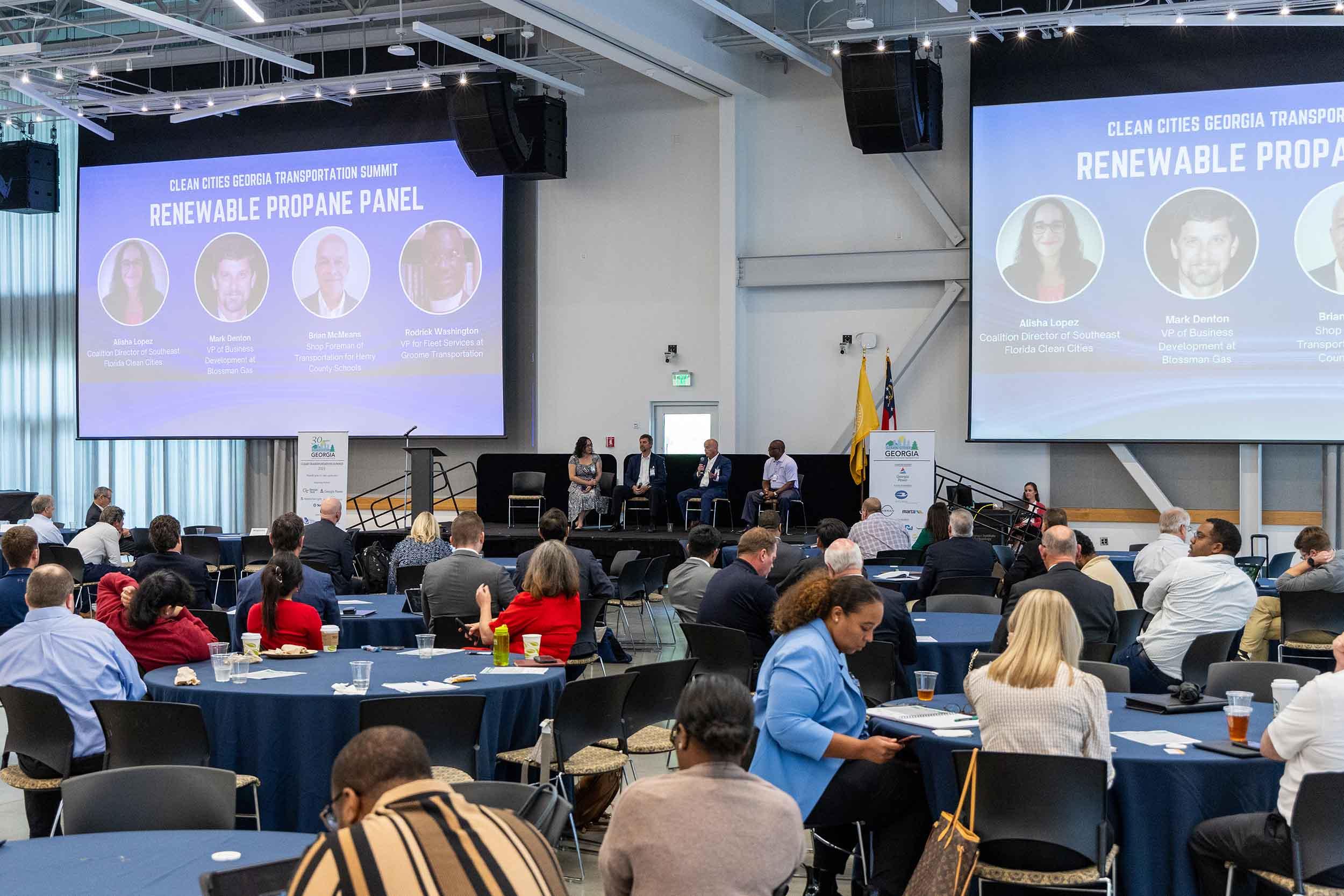
Panel discussion at the 2023 Clean Cities Georgia Transportation Summit
The Georgia Tech Energy, Policy, and Innovation Center, in partnership with Clean Cities Georgia, Atlanta Gas Light, Georgia Chamber of Commerce, Georgia Power, and Southface Institute, hosted the 2023 Clean Cities Georgia Transportation Summit in September. The event highlighted the successes and benefits of all forms of clean transportation in Georgia and across the nation and provided an opportunity for more than 100 attendees to network and build public-private partnerships. The summit also honored the 30th anniversary of the Department of Energy’s (DOE) National Clean Cities Network, and Clean Cities Georgia, which was the first coalition founded in 1993.
Tim Lieuwen, executive director of the Georgia Tech Strategic Energy Institute, Ian Skelton, natural gas vehicles director of Atlanta Gas Light, and Frank Norris, executive director of Clean Cities Georgia, provided the welcome and opening remarks followed by a panel of executives from UPS, Chevron, and the DeKalb County Fleet Management who discussed the benefits of adopting clean fuels for businesses.
“I am excited that Georgia Tech continues to play an integral role in convening industry and community in the local region and helping to build strong relationships that will positively impact the regional and national energy landscape,” said Lieuwen, Regents’ Professor and David S. Lewis Jr. Chair in the Daniel Guggenheim School of Aerospace Engineering. “Events like this tap into the regional expertise within academia, businesses, nongovernmental organizations, and research facilities, which speaks to the vision of EPICenter.”
The daylong summit consisted of panels discussing use cases for alternate fuels available in the market: natural gas/renewable natural gas, electric vehicle (EV) applications, propane and renewable propane, biofuels and sustainable aviation fuels, and current and future hydrogen applications. Panelists shared processes and considerations that led to the successful implementation of alternate fuels within their organization, including choosing locations, procurement, state and regional policies, incentives, effects on the community, improvements in current processes, reduced carbon footprint, and scalability while shifting from fossil to alternate fuels.
Panelists from Cobb, DeKalb, and Henry counties shared successful implementations of alternate fuel vehicles in their respective localities that included propane, renewable natural gas and EVs and showcased some of their alternate fuel vehicles during the summit. Workforce development and infrastructure concerns included training new electricians, aging line men in the region, and future proofing charging stations. Transformer supply chain issues were also brought to the forefront during discussions throughout the day.
Representatives from the Office of Energy Efficiency and Renewable Energy and the U.S. Environmental Protection Agency spoke to the audience on how to work with their respective agencies to get federal funding in this area. The event ended with a 30-year review of Clean Cities Georgia, a nonprofit that started as the first initiative of the DOE to focus on strategies to reduce petroleum consumption in transportation. There are now nearly 100 coalitions across the country.
The event was part of National Drive Electric Week, which took place during the last week of September. Presentations and other details from the summit can be accessed through the 2023 Clean Cities Georgia summit webpage.
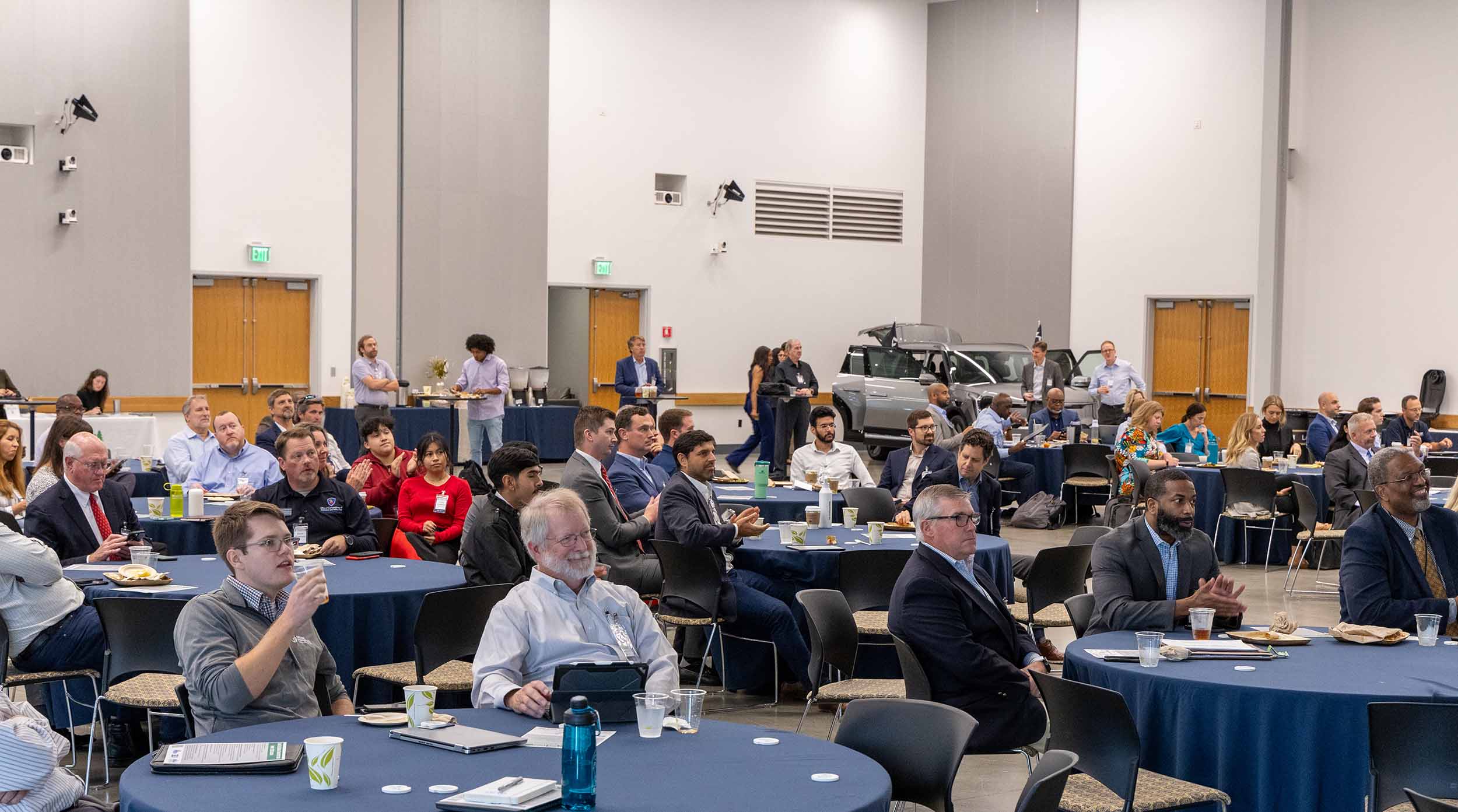
Attendees at the 2023 Clean Cities Ga Transportation Summit
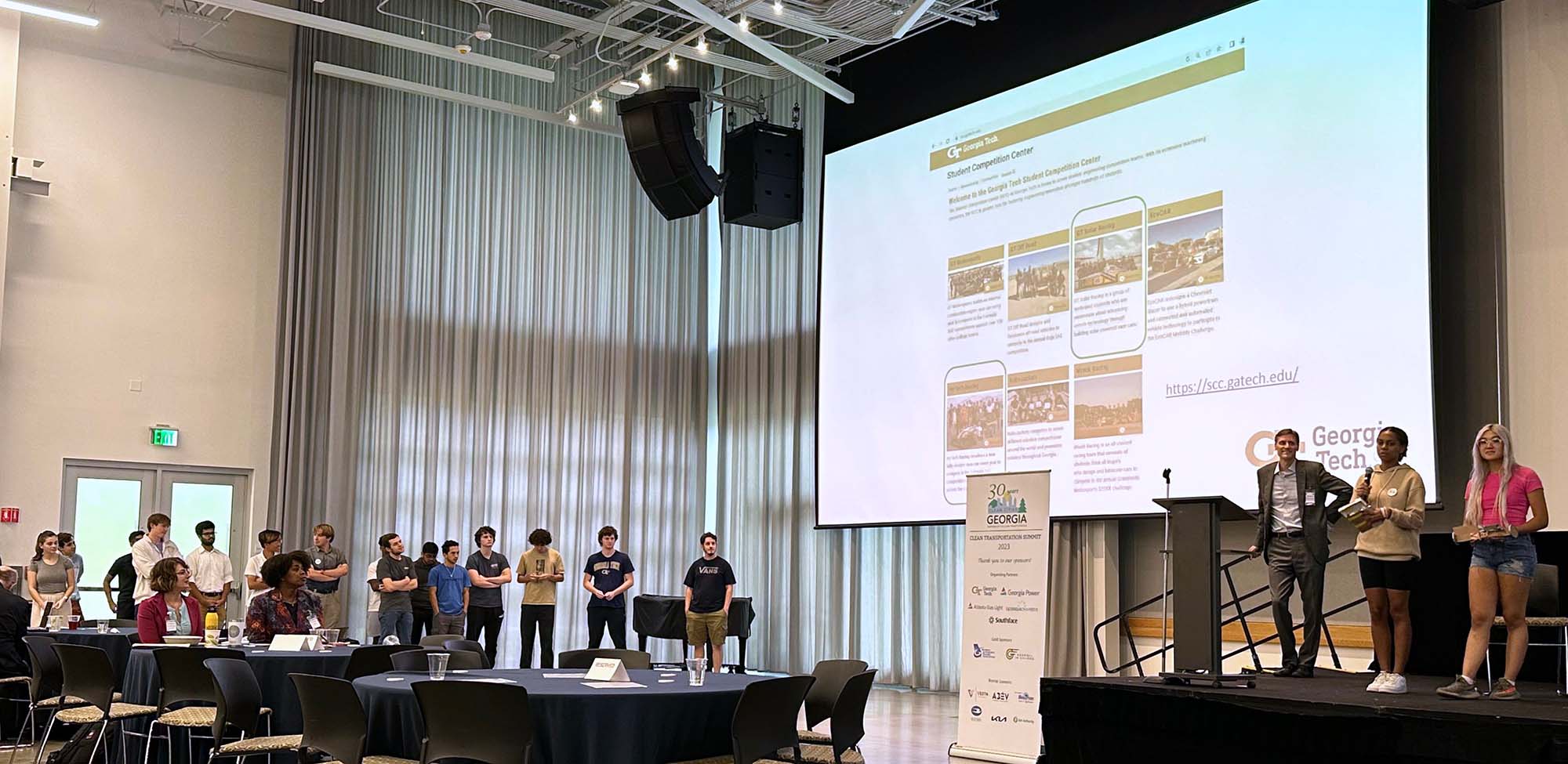
Georgia Tech Students present their work at the 2023 Clean Cities Georgia Transportation Summit
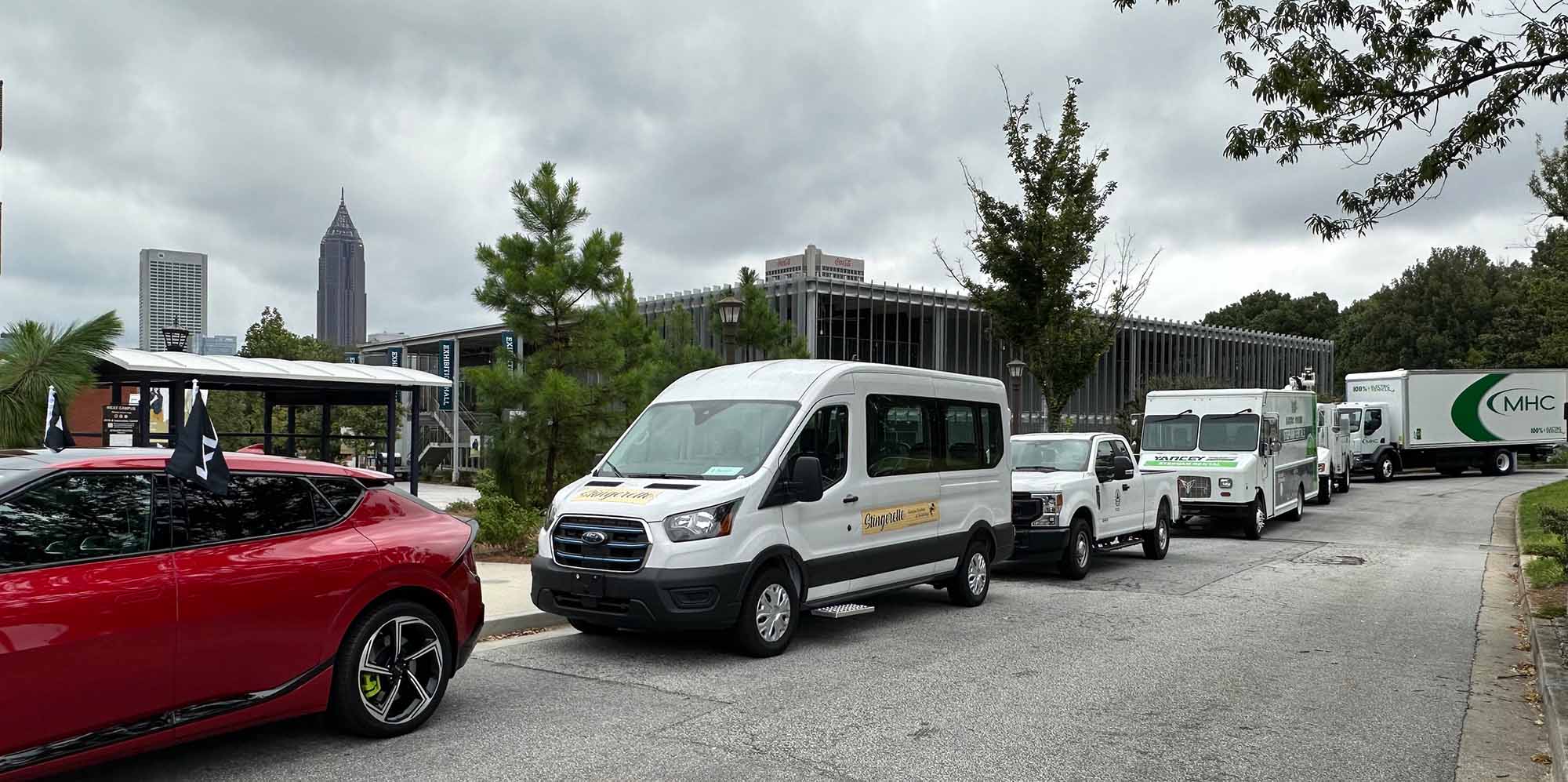
Alternate Fuel Vehicle Lineup at the 2023 Clean Cities Georgia Transportation Summit
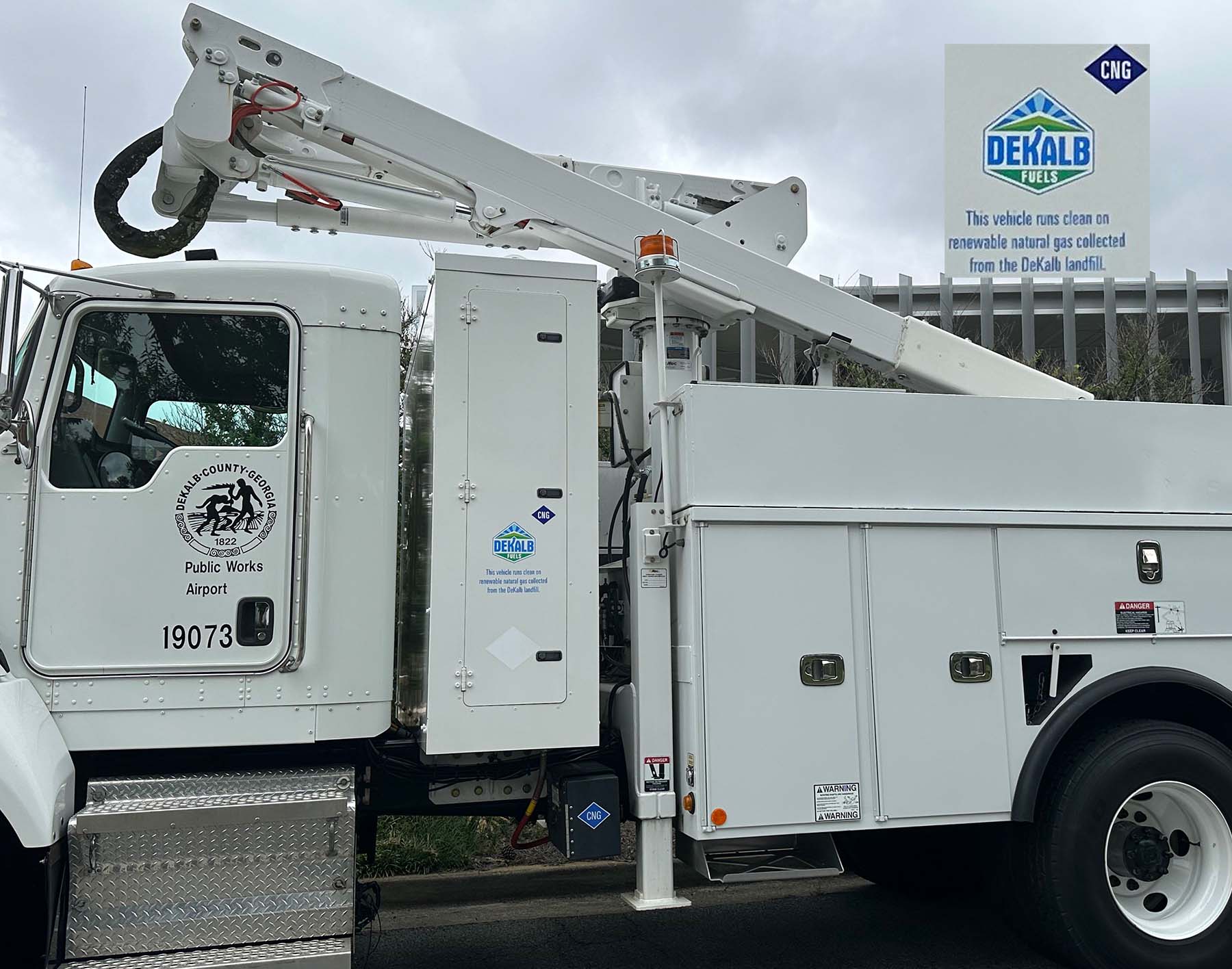
Dekalb County RNG Vehicle at the 2023 Clean Cities Georgia Transportation Summit
Priya Devarajan || Research Communications Program Manager
Professor David Sholl Leading New Energy Earthshot Research Center to Stem Climate Change
Oct 18, 2023 — Atlanta, GA
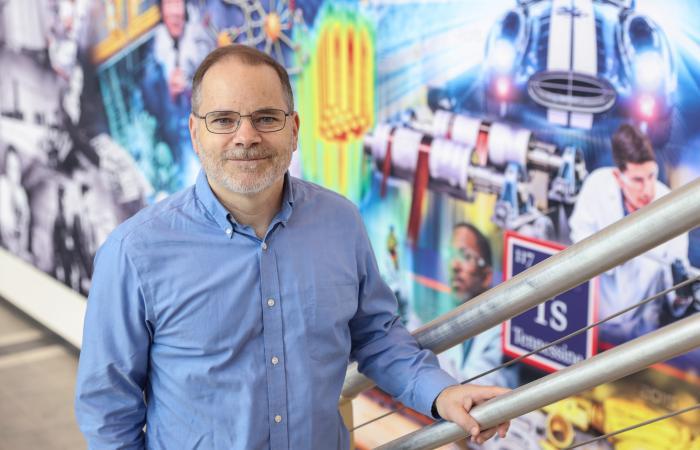
David Sholl, a professor in Georgia Tech's School of Chemical and Biomolecular Engineering and director of Oak Ridge National Laboratory'sTransformational Decarbonization Initiative, is director of the ORNL-led Non-Equilibrium Energy Transfer for Efficient Reactions (NEETER).
David Sholl, a professor in Georgia Tech’s School of Chemical and Biomolecular Engineering (ChBE), is leading a new Energy Earthshot Research Center (EERC) at the Department of Energy's Oak Ridge National Laboratory (ORNL) that is focused on developing chemical processes that use sustainable methods instead of burning fossil fuels to radically reduce industrial greenhouse gas emissions to stem climate change and limit the crisis of a rapidly warming planet.
Sholl, who is director of ORNL’s Transformational Decarbonization Initiative, is director of the ORNL-led Non-Equilibrium Energy Transfer for Efficient Reactions (NEETER), which also involves ChBE faculty members Fani Boukouvala and Carsten Sievers as key members.
NEETER is one of two new DoE EERCs involving ChBE faculty; the other (co-led by Professor David Flaherty) is Harnessing Electrostatics for the Conversion of Organics, Water and Air: Driving Redox on Particulate Liquids Earthshot (DROPLETS).
Debaronizing Large-scale Processes
NEETER will coordinate a research team from across the nation focused on replacing bulk heating for chemical processes with electrified means, providing a new way to do chemistry, and decarbonizing large-scale processes in the chemical industry. The Department of Energy has committed $19 million over four years for the center.
“This center is an exciting opportunity to advance innovative methods for performing important chemical reactions with heat derived from electricity instead of burning fossil fuels,” Sholl said. “Our world-class team will combine powerful fundamental insights with leadership-class computing to push forward use of mechanochemistry and resistive heating to achieve chemical outcomes that are simply not possible with traditional heating methods.”
Sholl, who also serves as interim executive director of the University of Tennessee Oak Ridge Innovation Institute, will lead the NEETER effort to harness the expertise of more than 20 co-principal investigators from two other national laboratories and several universities.
In addition to ORNL, other center investigators come from DOE’s SLAC National Accelerator Laboratory at Stanford University and the Princeton Plasma Physics Laboratory, Delaware State University, the Georgia Institute of Technology, Princeton University, the University of Houston, and the University of Maryland.
The scientists, in addition to using their own laboratories, will use DOE Office of Science user facilities, including ORNL’s Oak Ridge Leadership Computing Facility, Spallation Neutron Source, High Flux Isotope Reactor, and Center for Nanophase Materials Sciences. They will also include the beam line at SLAC.
Energy Earthshot Goals
“Our Energy Earthshots are game-changing endeavors to unleash the technologies of the clean energy transition and make them accessible, affordable, and abundant,” said U.S. Secretary of Energy Jennifer M. Granholm. “The Energy Earthshot Research Centers and the related work happening on college campuses around the country will be instrumental in developing the clean energy and decarbonization solutions we need to establish a 100% clean grid and beat climate change.”
NEETER’s proposed research is a radical departure from traditional chemistry and holds promise for transformational breakthroughs in energy-related chemical reactions. The NEETER EERC addresses the DOE’s Industrial Heat Shot announced in 2022, which aims to develop cost-competitive industrial heat decarbonization technologies with at least 85% lower greenhouse gas emissions by 2035. This EERC will employ new kinds of chemical catalysis as one pathway toward electrifying the delivery of process heat.
Industrial heat involves the burning of fossil fuels, which contributes massive amounts of carbon dioxide to the atmosphere. About 40% of those emissions come from chemicals and refining procedures. Because many industrial processes require extremely high energy, decarbonizing these chemical processes via electrification would radically alter the industrial chemical landscape.
Researchers propose two main ways of electrification, Sholl explained. One is through a process called mechanocatalysis, which creates mechanically initiated reactions. Another is Joule heating — using electricity to achieve very rapid temperature increases. The aim is to control chemical reactivity through temperature and pressure, by rapid heating in the Joule heating case, or by mechanical collisions in the case of mechanocatalysis.
NEETER’s mission is “To understand and control spatial and temporal non-equilibrium heat transfer to enable transformational breakthroughs in energy- and atom-efficient endothermic catalytic reactions beyond limitations of thermodynamic and kinetic equilibrium to decarbonize the US chemical industry.”
Said Sholl, “We envision a future where we use renewable electricity to provide heat and produce chemicals without greenhouse gas emissions.”
DROPLETS Earthshot
David Flaherty, a professor in Georgia Tech’s School of Chemical and Biomolecular Engineering, is co-principal investigator of another Energy Earthshot Energy Research Center called Harnessing Electrostatics for the Conversion of Organics, Water and Air: Driving Redox on Particulate Liquids Earthshot (DROPLETS).
The overall objective of DROPLETS is to explore an unconventional, straightforward, and underutilized approach based on microdroplet-enabled redox reactions (which involve the transfer of electrons between substances) towards H2 production (a clean and renewable energy source), CO2 activation (which can help mitigate greenhouse gas emissions), and the synthesis of redox species for long-duration energy storage (LDES).
DROPLETS strives to achieve simplicity and lower the energy input and reactor cost for complex chemical reactions, a key advantage to simultaneously achieve multiple Energy Earthshots, including the Hydrogen Shot, the Long Duration Storage Shot, and the Carbon Negative Shot.
DROPLETS is led by Professor Joaquin Rodriguez Lopez of the University of Illinois, Urbana-Champaign.
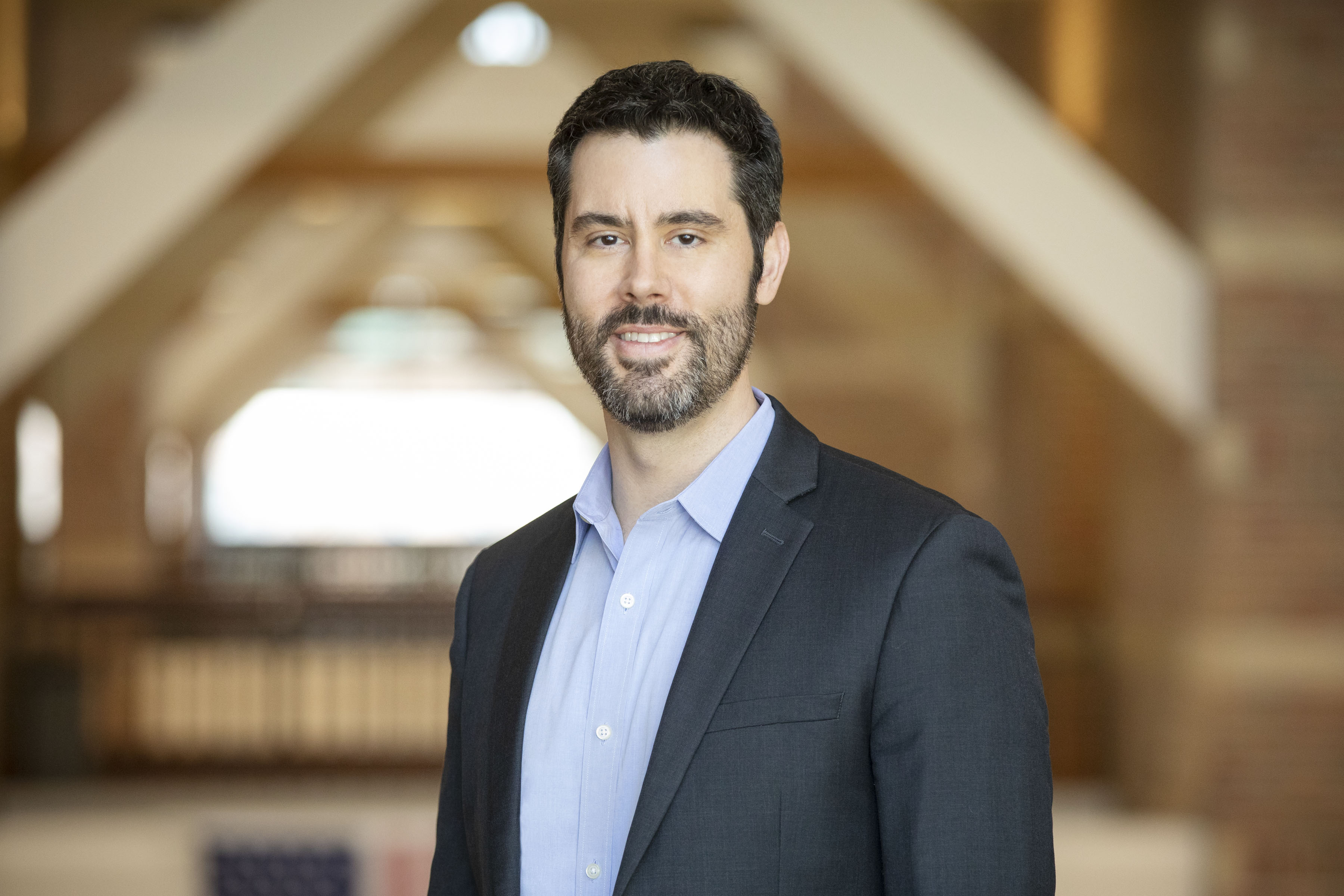
David Flaherty, a professor in Georgia Tech's School of Chemical and Biomolecular Engineering
Brad Dixon, braddixon@gatech.edu
New Polymer Membranes, AI Predictions Could Dramatically Reduce Energy, Water Use in Oil Refining
Oct 16, 2023 — Atlanta, GA
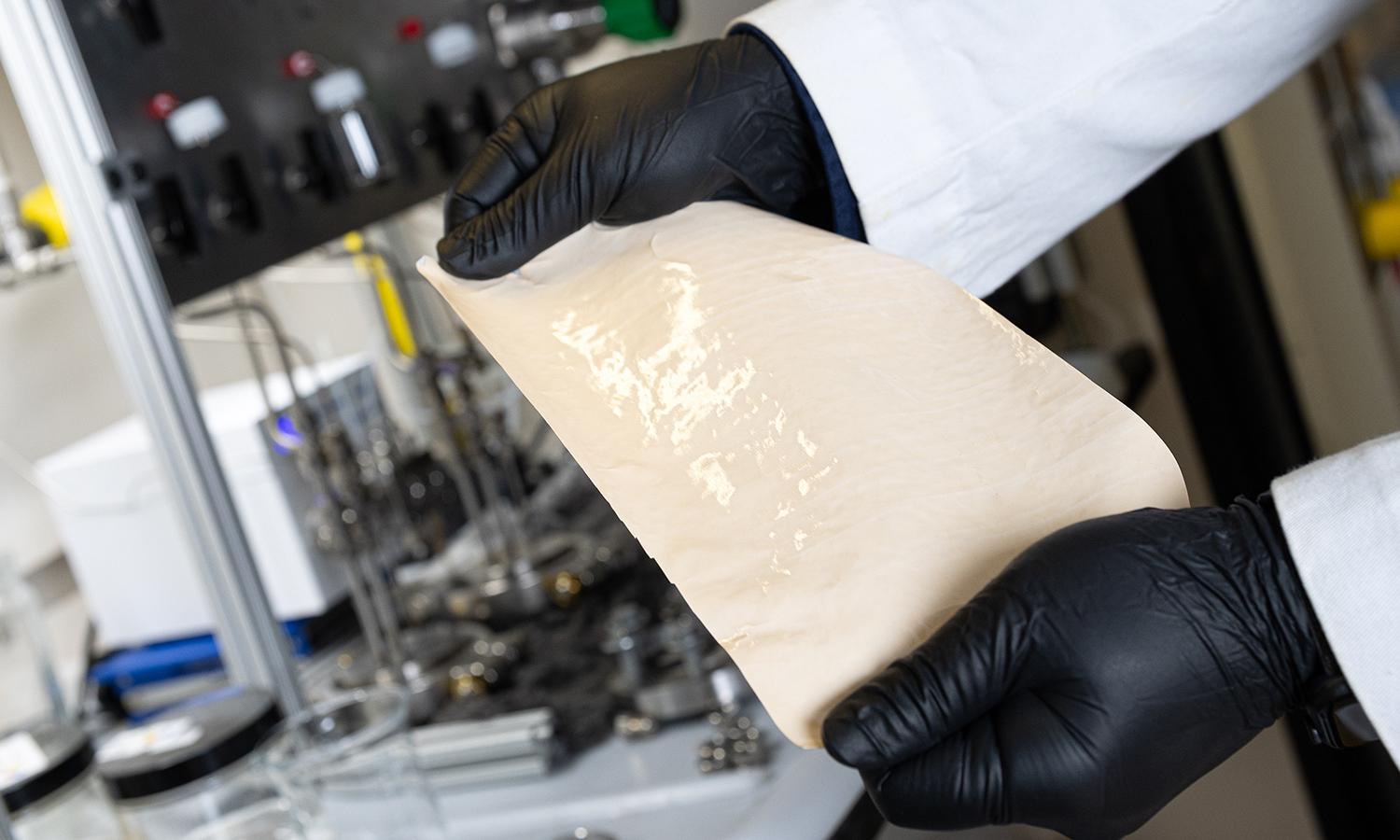
A sample of a DUCKY polymer membrane researchers created to perform the initial separation of crude oils using significantly less energy. (Photo: Candler Hobbs)
A new kind of polymer membrane created by researchers at Georgia Tech could reshape how refineries process crude oil, dramatically reducing the energy and water required while extracting even more useful materials.
The so-called DUCKY polymers — more on the unusual name in a minute — are reported Oct. 16 in Nature Materials. And they’re just the beginning for the team of Georgia Tech chemists, chemical engineers, and materials scientists. They also have created artificial intelligence tools to predict the performance of these kinds of polymer membranes, which could accelerate development of new ones.
The implications are stark: the initial separation of crude oil components is responsible for roughly 1% of energy used across the globe. What’s more, the membrane separation technology the researchers are developing could have several uses, from biofuels and biodegradable plastics to pulp and paper products.
“We're establishing concepts here that we can then use with different molecules or polymers, but we apply them to crude oil because that's the most challenging target right now,” said M.G. Finn, professor and James A. Carlos Family Chair in the School of Chemistry and Biochemistry.
Joshua Stewart
College of Engineering
Georgia Tech Interdisciplinary Research Institutes Create Faculty Advisory Council
Oct 02, 2023 — Atlanta, GA
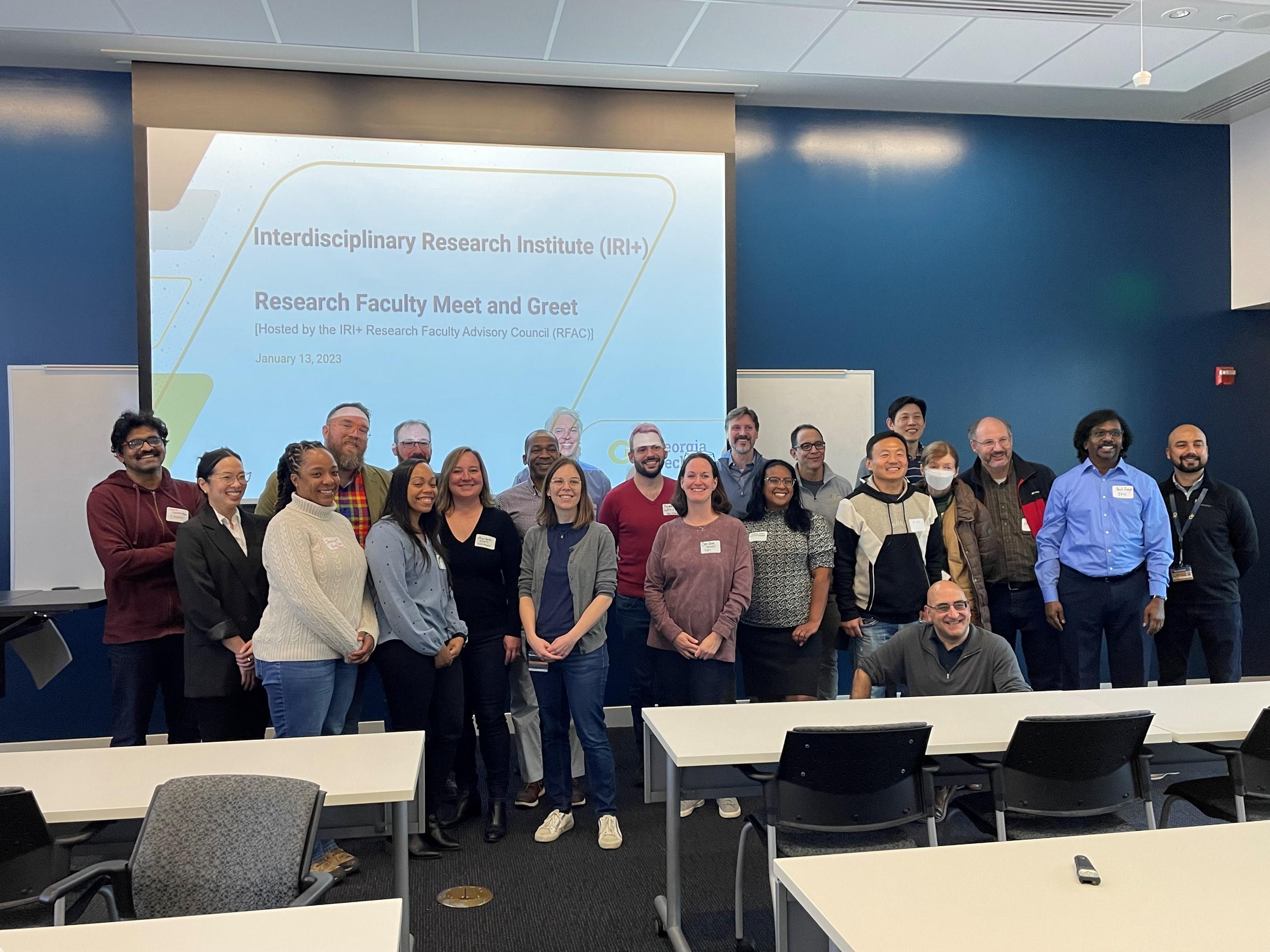
Research faculty at the Georgia Institute of Technology now have their own advocacy group. Since 2022, the Research Faculty Advisory Council (RFAC) has increased research faculty engagement and addressed concerns from researchers in the Interdisciplinary Research Institutes (IRIs), joining similar organizations that address such needs in other colleges.
The group addresses issues such as retention, professional development, recognition, and compensation. Julia Kubanek, vice president for Interdisciplinary Research (VPIR), formed the group after hearing feedback from research faculty and modeled it after a similar council in the College of Sciences.
“This advisory council has helped clarify how we can improve both the status and experience of research faculty on campus,” Kubanek said. “The recommendations they’ve provided and the initiatives they’ve launched are already making a difference.”
The 12 members are nominated from across the IRIs, plus two other interdisciplinary research units supported by the VPIR. These members include:
- Vishwadeep Ahluwalia (Center for Advanced Brain Imaging)
- Michael Chang (Brook Byers Institute for Sustainable Systems)
- Sriram Chockalingam (Institite for Data Engineering and Science)
- Christine Conwell (Strategic Energy Institute)
- Andrew Dugenske (Georgia Tech Manufacturing Institute)
- Ulrika Egertsdotter (Renewable Bioproducts Institute)
- Evan Goldberg (Global Center for Medical Innovation )
- Walter Henderson (Institute for Materials)
- Johannes Leisen (Parker H. Petit Institute for Bioengineering and Bioscience)
- Paul Joseph (Institute for Electronics and Nanotechnology)
- Leanne West (Pediatric Technology Center)
- Clint Zeagler (Institute for People and Technology)
In its first year, RFAC had two co-leads: Andrew Dugenske, the director of the Factory Information Systems Center and a principal research engineer at the Georgia Tech Manufacturing Institute, and Paul Joseph, a principal research scientist and director of External User Programs for Southeastern Nanotechnology Infrastructure Corridor.
“Although the research faculty contribute significantly to the overall growth of Georgia Tech, we remain largely underrepresented, unrecognized, and underemployed because of the lack of suitable platforms to talk about the challenges faced by research faculty colleagues,” Joseph said. “It was not a surprise that the same concerns surfaced and were discovered by the council when we collected input from the research faculty throughout the IRIs on issues that concern and are important to research faculty.”
Although Joseph and Dugenske have completed their terms in their leadership roles, they are satisfied with RFAC’s initial success in creating awareness of research faculty challenges on campus, and initiatives that include a mentorship program with the Research Next team, a Research Faculty Mentoring Network, and efforts in RFAC bylaws creation. Leanne West and Walter Henderson now serve as co-leads.
“It was great for the administration to recognize the many contributions that research faculty make to the Institute and establish a way to improve research faculty job satisfaction and engagement,” Dugenske said. “During the first year of the RFAC, the committee did a great job of gathering issues of importance to research faculty and presenting clear and actionable recommendations to decision-makers.”
Tess Malone, Senior Research Writer/Editor
tess.malone@gatech.edu
Nga Lee Sally Ng Receives 2023 AGU Atmospheric Sciences Ascent Award
Sep 28, 2023 —
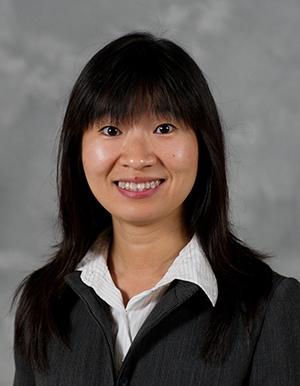
Nga Lee (Sally) Ng, Love Family Professor with joint appointments in the School of Chemical and Biomolecular Engineering and School of Earth and Atmospheric Sciences, is AGU's 2023 Atmospheric Sciences Ascent Award recipient.
The Atmospheric Sciences Ascent Award is presented annually and recognizes excellence in research and leadership in the atmospheric and climate sciences from honorees between eight and 20 years of receiving their PhD.
Being selected as a Section Honoree is bestowed upon individuals for meritorious work or service toward the advancement and promotion of discovery and solution science. AGU, the world's largest Earth and space science association, annually recognizes a select number of individuals as part of its Honors and Recognition program.
The Atmospheric Sciences Section studies the physics, chemistry, and dynamics of the atmosphere. Ng received the Ascent Award for advancing the fundamental understanding of organic aerosol measurement, sources, chemistry, trends, and impacts in Earth’s atmosphere.
Ng earned her doctorate in Chemical Engineering from the California Institute of Technology and was a postdoctoral scientist at Aerodyne Research Inc. She joined Georgia Tech as an assistant professor in 2011.
Her research focuses on the understanding of the chemical mechanisms of aerosol formation and composition, as well as their health effects. Her group combines laboratory chamber studies and ambient field measurements to study aerosols using advanced mass spectrometry techniques.
Ng currently leads the establishment of the Atmospheric Science and Chemistry mEasurement NeTwork (ASCENT), a new comprehensive, high-time-resolution, long-term measurement network in the U.S. for the characterization of aerosol chemical composition and physical properties. Ng is the inaugural editor-in-chief of the American Chemical Society's (ACS) ACS ES&T Air, a new journal that will publish novel and globally relevant original research on all aspects of air quality sciences and engineering.
Honorees will be recognized at AGU23, which will convene more than 25,000 attendees from over 100 countries in San Francisco and online everywhere on 11-15 December 2023. This celebration is a chance for AGU’s community to recognize the outstanding work of our colleagues and be inspired by their accomplishments and stories.
Brad Dixon
Communications Manager
School of Chemical and Biomolecular Engineering at Georgia Tech
From Seafloor to Space: New Bacterial Proteins Shine Light on Climate and Astrobiology
Sep 27, 2023 —
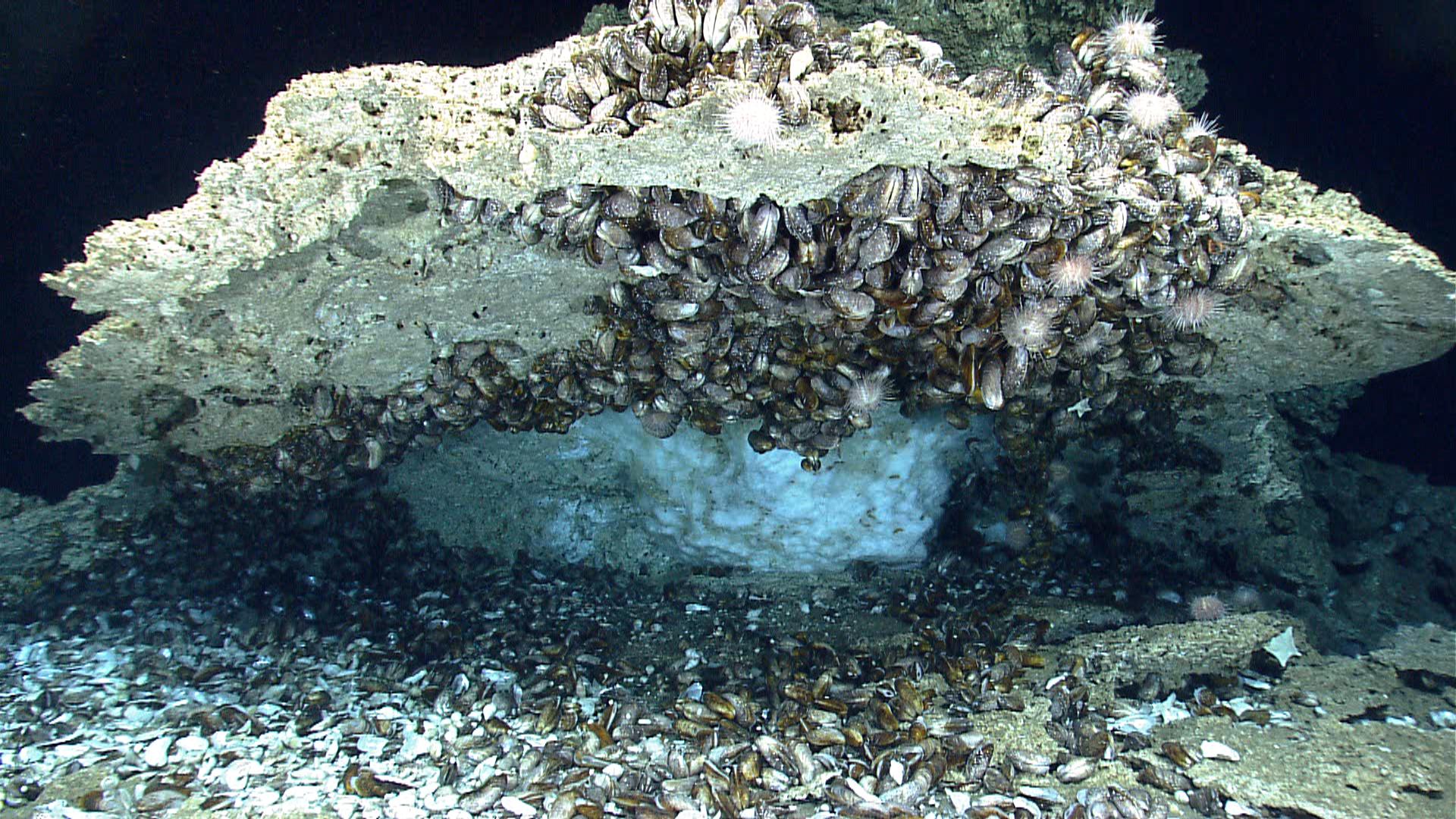
Methane clathrate (white, ice-like material) under a rock from the seafloor of the northern Gulf of Mexico. Deposits such as these demonstrate that methane and other gases cross the seafloor and enter the ocean. Photo credit: NOAA
Gigatons of greenhouse gas are trapped under the seafloor, and that’s a good thing. Around the coasts of the continents, where slopes sink down into the sea, tiny cages of ice trap methane gas, preventing it from escaping and bubbling up into the atmosphere.
While rarely in the news, these ice cage formations, known as methane clathrates, have garnered attention because of their potential to affect climate change. During offshore drilling, methane ice can get stuck in pipes, causing them to freeze and burst. The 2010 Deepwater Horizon oil spill is thought to have been caused by a buildup of methane clathrates.
But until now, the biological process behind how methane gas remains stable under the sea has been almost completely unknown. In a breakthrough study, a cross-disciplinary team of Georgia Tech researchers discovered a previously unknown class of bacterial proteins that play a crucial role in the formation and stability of methane clathrates.
A team led by Jennifer Glass, associate professor in the School of Earth and Atmospheric Sciences, and Raquel Lieberman, professor and Sepcic-Pfeil Chair in the School of Chemistry and Biochemistry, showed that these novel bacterial proteins suppress the growth of methane clathrates as effectively as commercial chemicals currently used in drilling, but are non-toxic, eco-friendly, and scalable. Their study, funded by NASA, informs the search for life in the solar system, and could also increase the safety of transporting natural gas.
The research, published in the journal PNAS Nexus, underscores the importance of fundamental science in studying Earth’s natural biological systems and highlights the benefits of collaboration across disciplines.
“We wanted to understand how these formations were staying stable under the seafloor, and precisely what mechanisms were contributing to their stability,” Glass said. “This is something no one has done before.”
Sifting Through Sediment
The effort started with the team examining a sample of clay-like sediment that Glass acquired from the seafloor off the coast of Oregon.
Glass hypothesized that the sediment would contain proteins that influence the growth of methane clathrate, and that those proteins would resemble well-known antifreeze proteins in fish, which help them survive in cold environments.
But to confirm her hypothesis, Glass and her research team would first have to identify protein candidates out of millions of potential targets contained in the sediment. They would then need to make the proteins in the lab, though there was no understanding of how these proteins might behave. Also, no one had worked with these proteins before.
Glass approached Lieberman, whose lab studies the structure of proteins. The first step was to use DNA sequencing paired with bioinformatics to identify the genes of the proteins contained in the sediment. Dustin Huard, a researcher in Lieberman’s lab and first author of the paper, then prepared candidate proteins that could potentially bind to the methane clathrates. Huard used X-ray crystallography to determine the structure of the proteins.
Creating Seafloor Conditions in the Lab
Huard passed off the protein candidates to Abigail Johnson, a former Ph.D. student in Glass’ lab and co-first author on the paper, who is now a postdoctoral researcher at the University of Georgia. To test the proteins, Johnson formed methane clathrates herself by recreating the high pressure and low temperature of the seafloor in the lab. Johnson worked with Sheng Dai, an associate professor in the School of Civil and Environmental Engineering, to build a unique pressure chamber from scratch.
Johnson placed the proteins in the pressure vessel and adjusted the system to mimic the pressure and temperature conditions required for clathrate formation. By pressurizing the vessel with methane, Johnson forced methane into the droplet, which caused a methane clathrate structure to form.
She then measured the amount of gas that was consumed by the clathrate — an indicator of how quickly and how much clathrate formed — and did so in the presence of the proteins versus no proteins. Johnson found that with the clathrate-binding proteins, less gas was consumed, and the clathrates melted at higher temperatures.
Once the team validated that the proteins affect the formation and stability of methane clathrates, they used Huard's protein crystal structure to carry out molecular dynamics simulations with the help of James (JC) Gumbart, professor in the School of Physics. The simulations allowed the team to identify the specific site where the protein binds to the methane clathrate.
A Surprisingly Novel System
The study unveiled unexpected insights into the structure and function of the proteins. The researchers initially thought the part of the protein that was similar to fish antifreeze proteins would play a role in clathrate binding. Surprisingly, that part of the protein did not play a role, and a wholly different mechanism directed the interactions.
They found that the proteins do not bind to ice, but rather interact with the clathrate structure itself, directing its growth. Specifically, the part of the protein that had similar characteristics to antifreeze proteins was buried in the protein structure, and instead played a role in stabilizing the protein.
The researchers found that the proteins performed better at modifying methane clathrate than any of the antifreeze proteins that had been tested in the past. They also performed just as well as, if not better than, the toxic commercial clathrate inhibitors currently used in drilling that pose serious environmental threats.
Preventing clathrate formation in natural gas pipelines is a billion-dollar industry. If these biodegradable proteins could be used to prevent disastrous natural gas leaks, it would greatly reduce the risk of environmental damage.
“We were so lucky that this actually worked, because even though we chose these proteins based on their similarity to antifreeze proteins, they are completely different,” Johnson said. “They have a similar function in nature, but do so through a completely different biological system, and I think that really excites people.”
Methane clathrates likely exist throughout the solar system — on the subsurface of Mars, for example, and on icy moons in the outer solar system, such as Europa. The team’s findings indicate that if microbes exist on other planetary bodies, they might produce similar biomolecules to retain liquid water in channels in the clathrate that could sustain life.
“We’re still learning so much about the basic systems on our planet,” Huard said. “That’s one of the great things about Georgia Tech — different communities can come together to do really cool, unexpected science. I never thought I would be working on an astrobiology project, but here we are, and we’ve been very successful.”
Citation: Dustin J E Huard, et al. Molecular basis for inhibition of methane clathrate growth by a deep subsurface bacterial protein, PNAS Nexus, Volume 2, Issue 8, August 2023.
DOI: https://doi.org/10.1093/pnasnexus/pgad268
Funding: National Aeronautics & Space Administration, National Science Foundation, National Institutes of Health, American Chemical Society Petroleum Research Fund
Georgia Tech co-authors included Zixing Fan, Ph.D. student, and two undergraduates, Lydia Kenney (now a Ph.D. student at Northwestern University) and Manlin Xu (now a Ph.D. student in the MIT-Woods Hole Oceanographic Institution Joint Program). Ran Drori, associate professor of chemistry at Yeshiva University, also contributed.
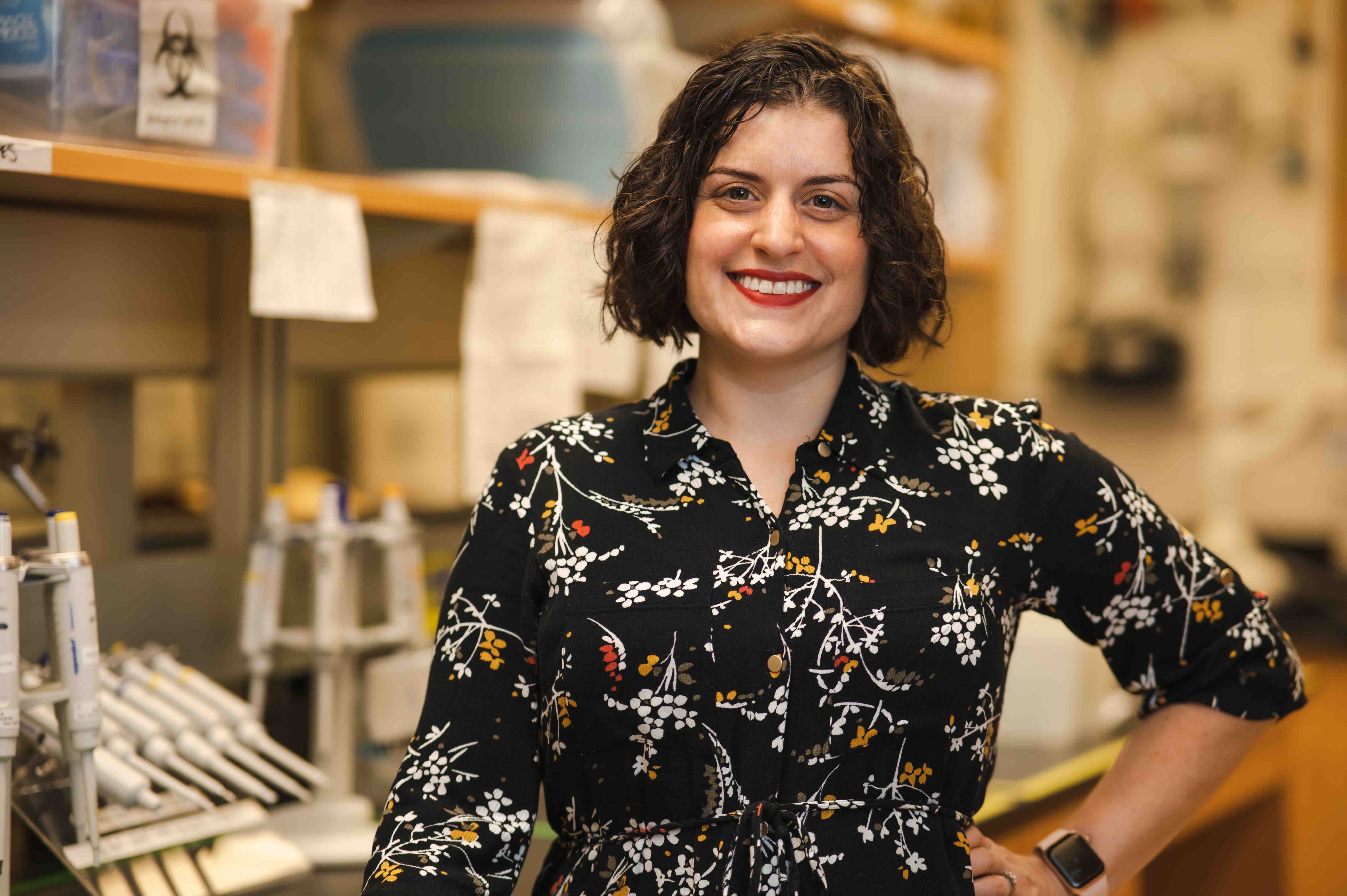
Jennifer Glass, associate professor in the School of Earth and Atmospheric Sciences
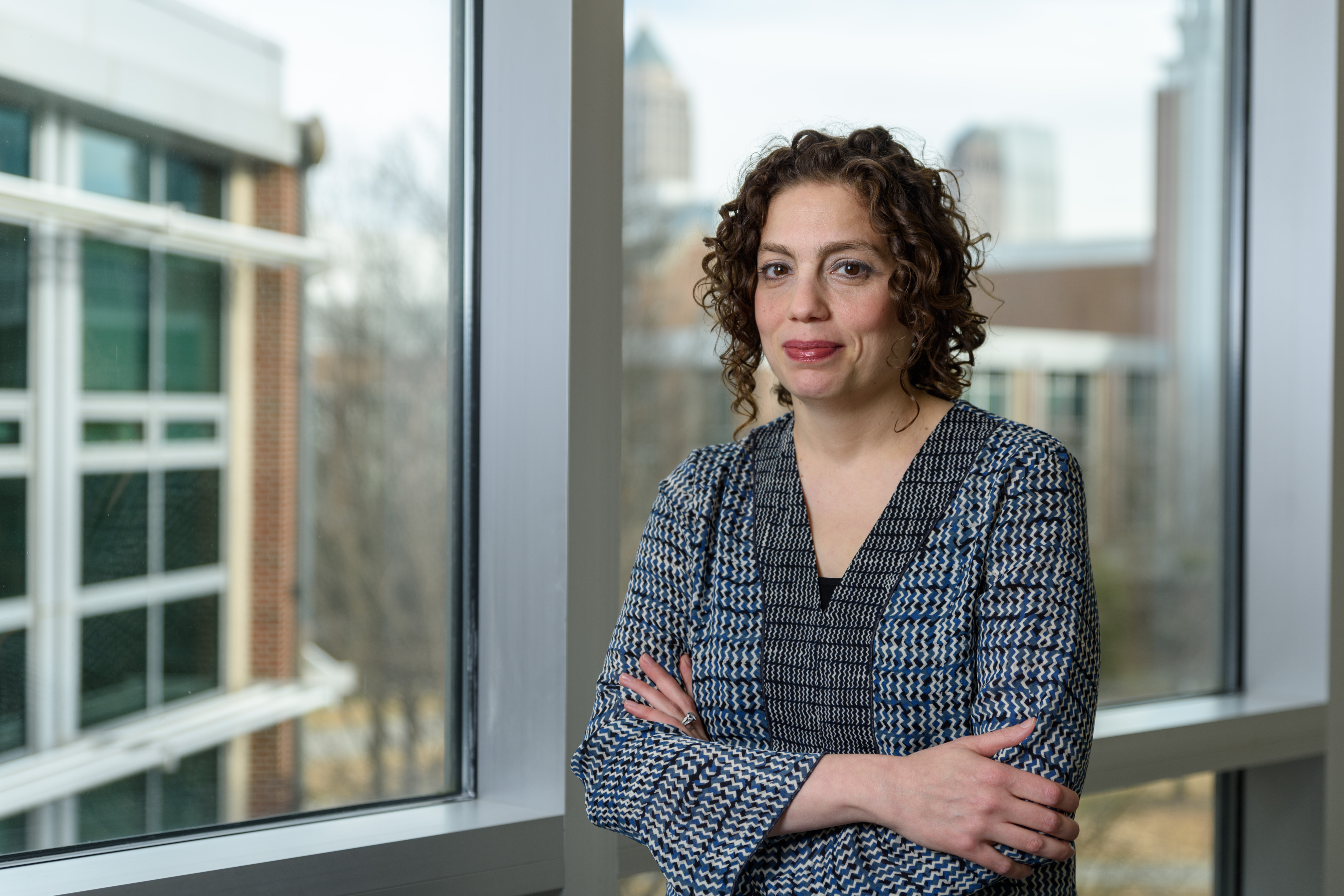
Raquel Lieberman, professor and Sepcic-Pfeil Chair in the School of Chemistry and Biochemistry

Dustin Huard, research scientist II in the School of Chemistry and Biochemistry

Abigail Johnson, postdoctoral research at the University of Georgia and former Georgia Tech Ph.D. student
Catherine Barzler, Senior Research Writer/Editor
Institute Communications